
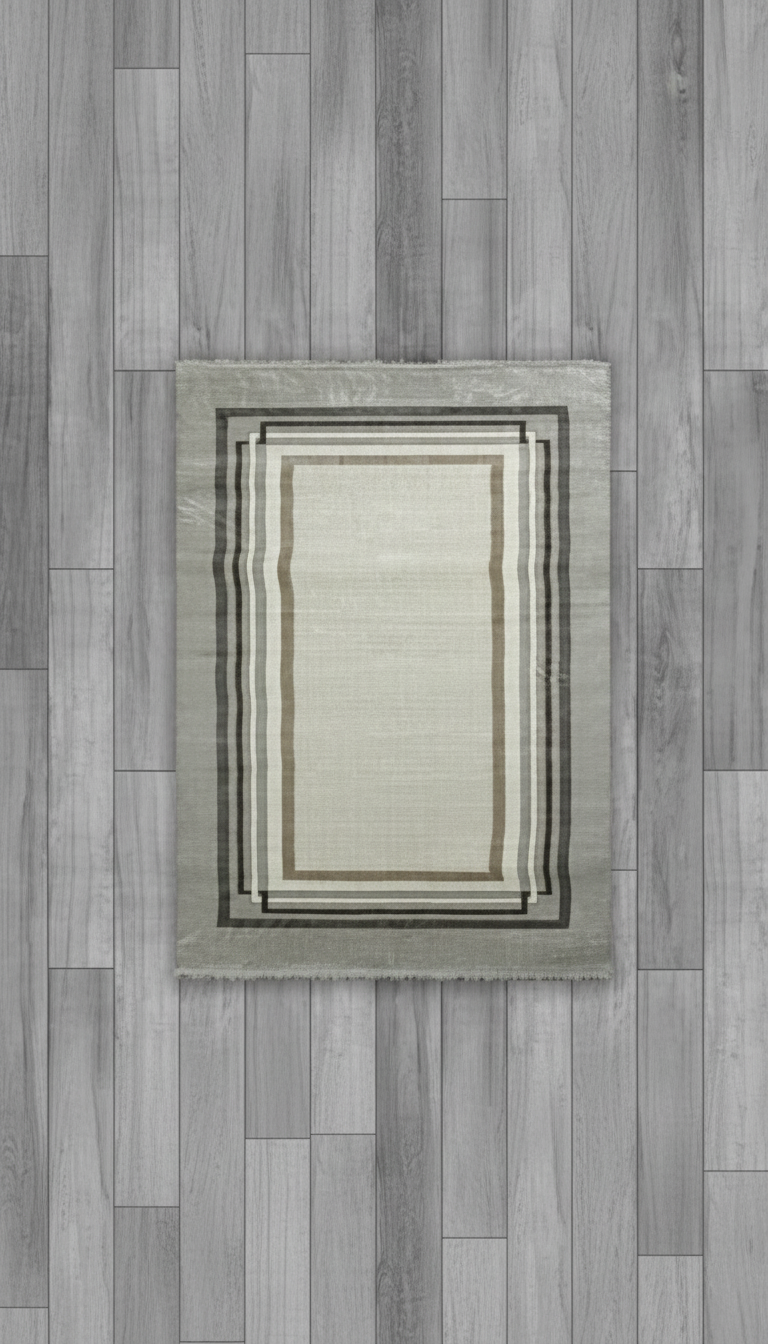
The use of carpets in modern kitchen designs is not just a visual richness but also a critical element that increases functionality. Especially in hotel concepts and corporate dining halls, it is possible to add warmth to the floor, provide sound insulation, and create an aesthetic identity. However, the durability, safety, and cleanability of the carpet used in heavily used areas like kitchens must be at the highest level.

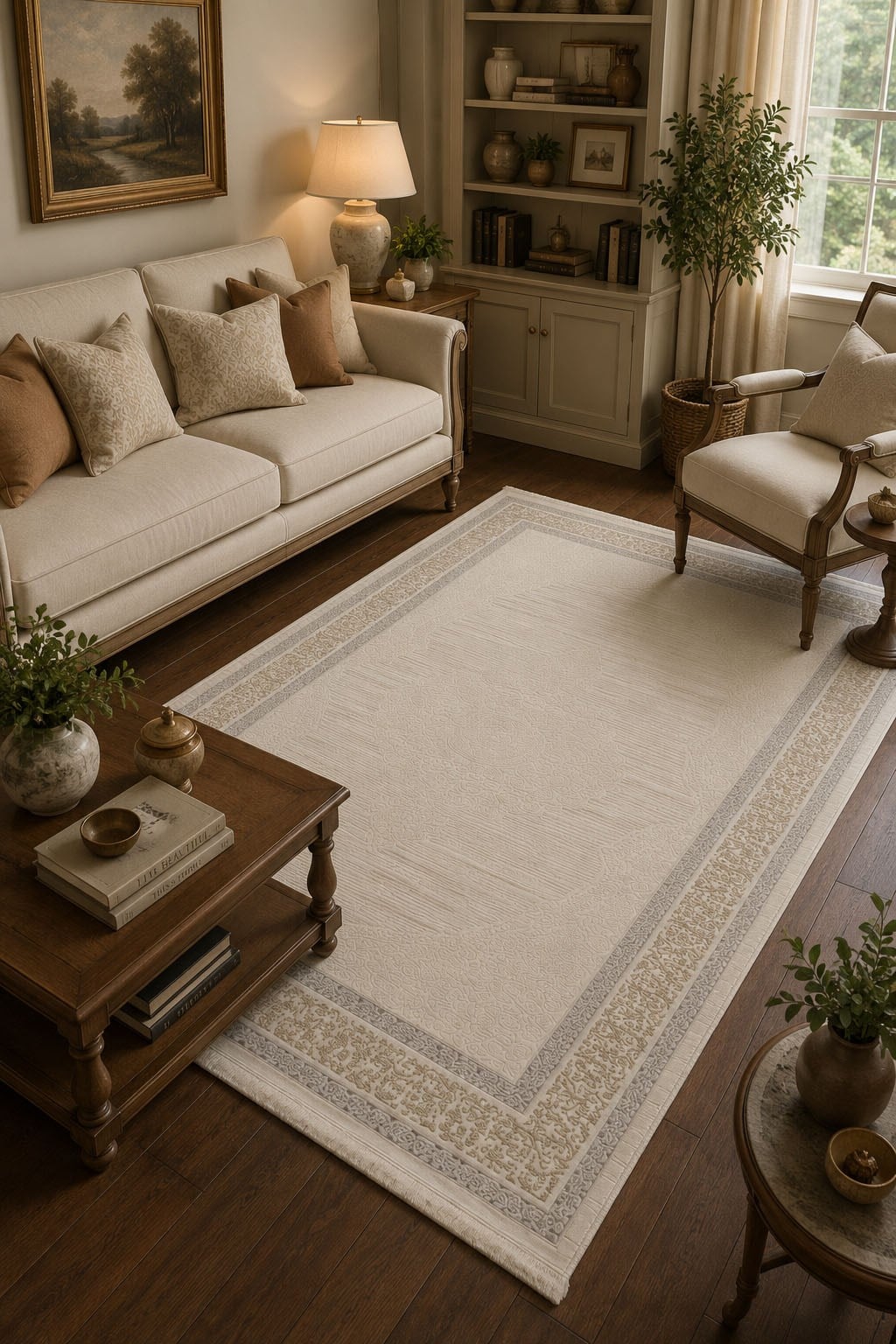
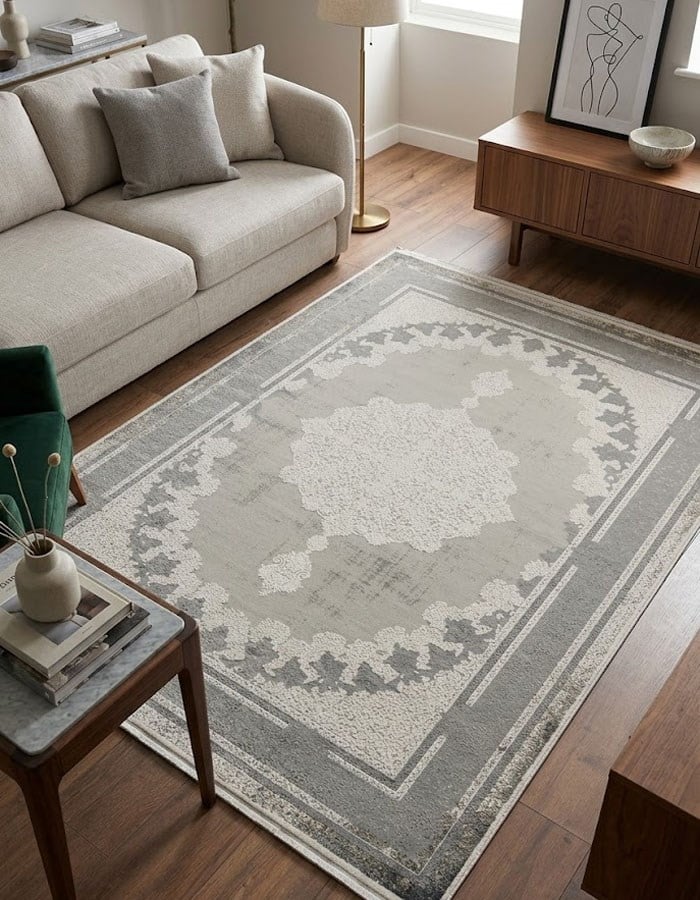
The Importance of Carpet Use in Kitchens
Kitchen areas are both preparation and socializing points. A properly chosen carpet makes this area more inviting and sophisticated. Carpets provide acoustic comfort by reducing the vibration on cold floor materials (ceramic, granite) and offer the possibility of creating different functional zones by visually dividing the areas.
In corporate projects and luxury hotels, carpet is an important decorative element that strengthens the brand image of the space. The texture and color palette used support the overall design language of the space while also improving the user experience, making guests or employees feel more comfortable.
Material Selection and Technical Requirements
Considering the intensive use and hygiene standards required in a kitchen environment, the selection of carpet is vital from a technical perspective. The products to be used must meet safety and durability standards.
Safety and Durability Standards
- Flame Retardancy: In potentially risky areas like kitchens, all carpets used must comply with international fire safety standards. This feature provides important protection in case of potential situations.
- Antistatic Properties: By balancing static electricity charges frequently occurring in the kitchen, it increases comfort and extends the material's lifespan.
- Durability: Fibers with high wear resistance, resistant to heavy foot traffic and liquid contact, should be preferred.
Cleaning and Acoustic Performance
Ease of maintenance is the main factor that reduces costs in corporate environments. The carpet must be easily wipeable, stain-resistant, and chemically resistant. Furthermore, carpets with acoustic properties should be preferred to reduce noise pollution in the kitchen environment.
- Ease of Cleaning: Surfaces resistant to stains and easy to wipe.
- Acoustic Insulation: Minimizing echo in the kitchen environment by using sound-absorbing fibers.
5 Practical Design Solutions for Kitchen Areas
The use of carpets varies depending on different kitchen types and design philosophies. Here are five practical solutions applicable to hotel and project areas:
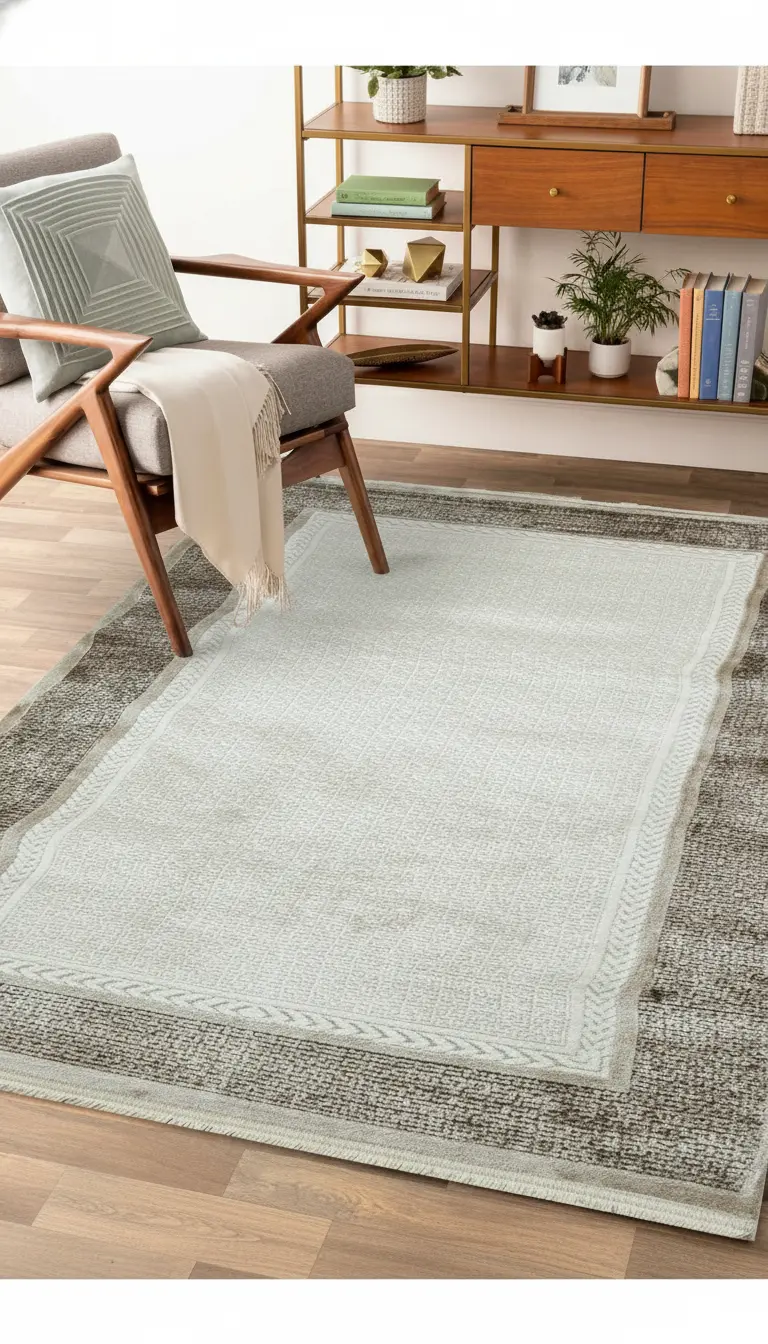
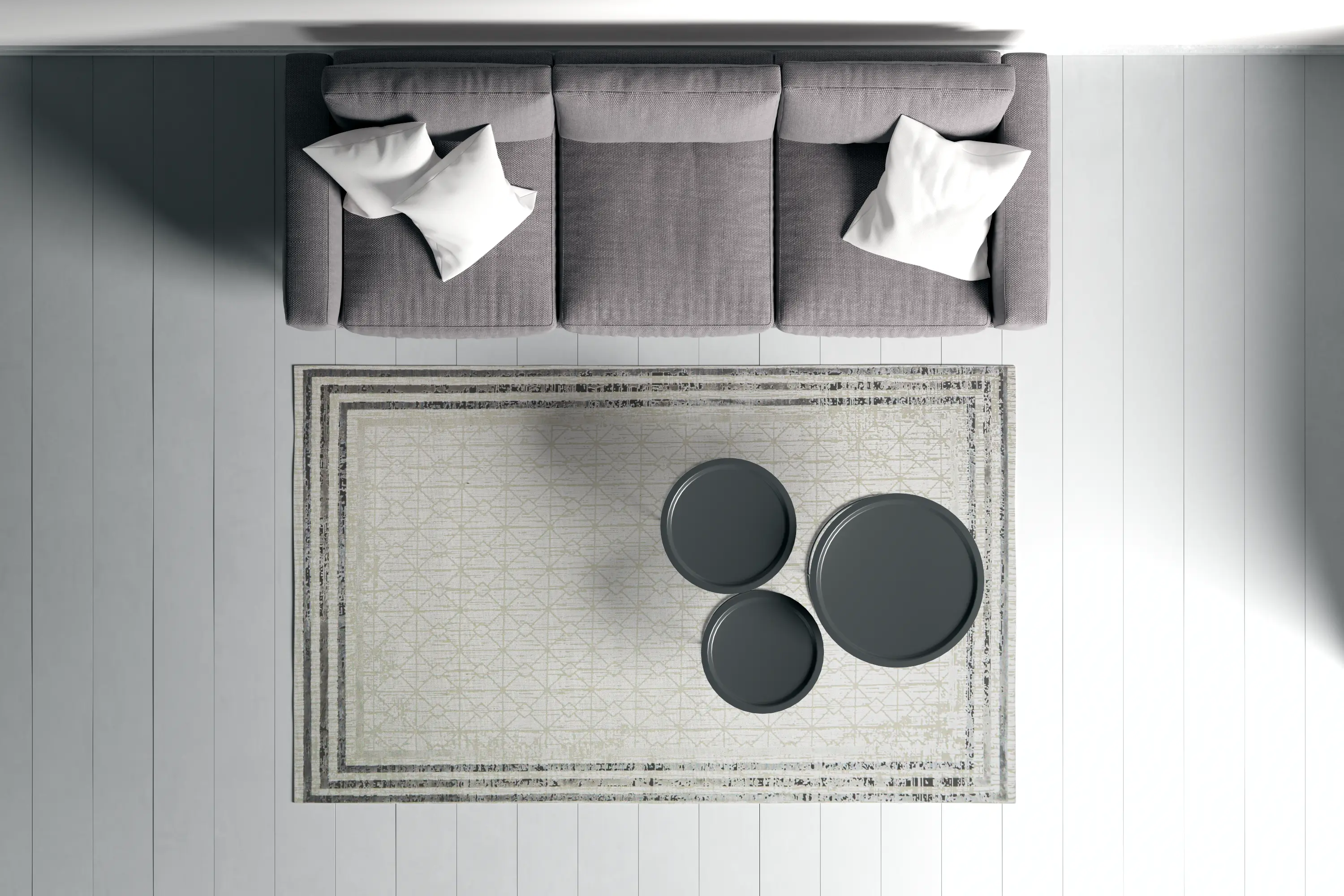
- Dividing and Functional Separation: In large open-plan kitchens, use geometrically patterned carpets to visually separate different functions (preparation, dining area). This enriches the perception of the space.
- Softening Cold Floors: Placing soft-textured carpets over hard floors like granite or tiles provides both an aesthetic transition and balances the coldness of the floor.
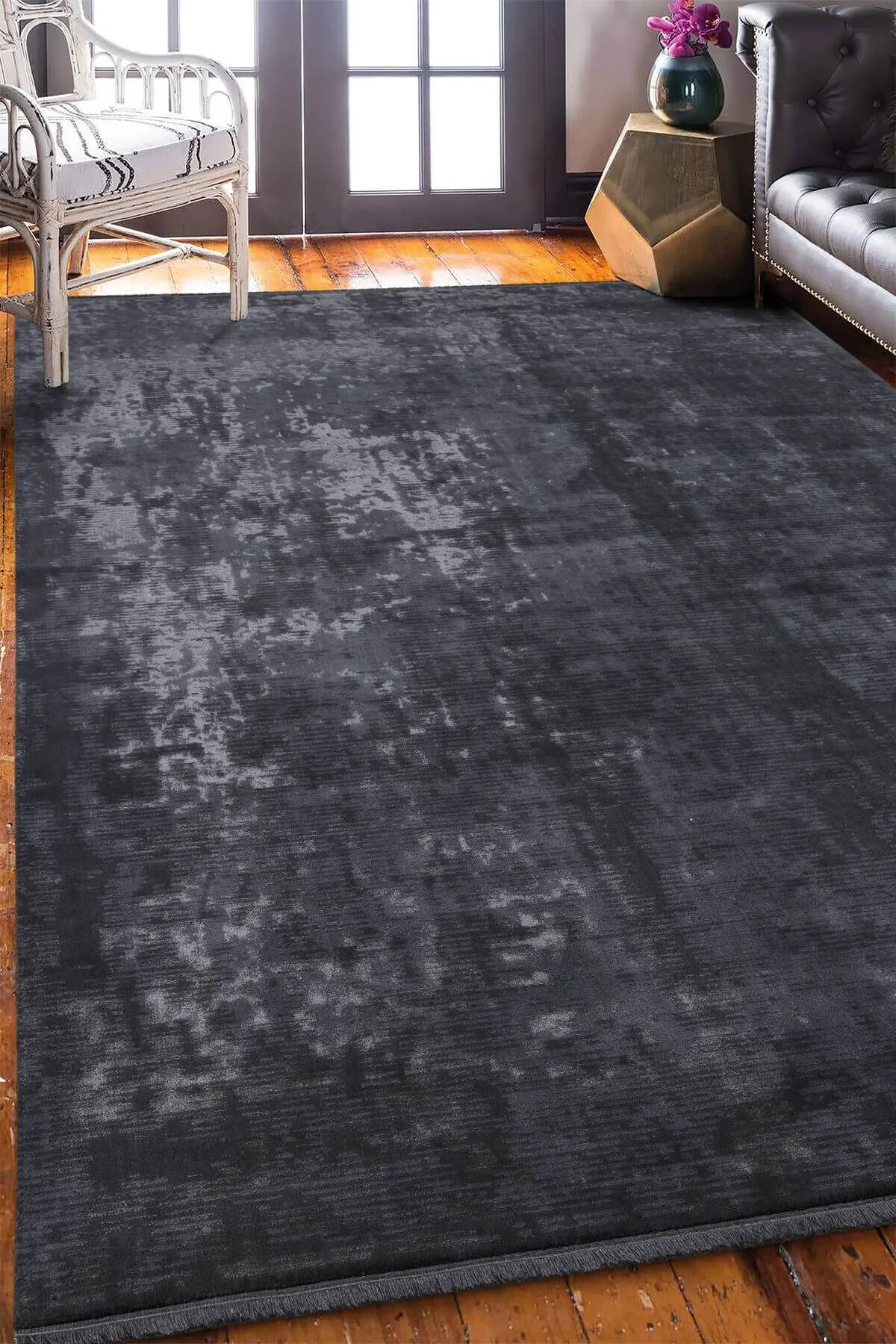
- Color and Texture Contrast: Choosing patterns that contrast with the colors of kitchen cabinets or countertops is the most stylish way to add depth to the space. For example, a bold patterned carpet can be preferred in minimalist white kitchens.
- Regional Definition: Use small, high-quality carpets to define specific focal points, such as breakfast corners or around the island countertop.
- Material Compatibility: Achieve a holistic look by preferring natural fiber or modern textured fabrics that do not compromise the aesthetic of kitchen materials (stainless steel, marble).
Corporate Purchasing and Maintenance Strategies
In large-scale projects and hotel chains, efficiency and cost control in carpet procurement are essential. Bulk purchasing strategies and long-term maintenance plans play a critical role in this area.
Bulk Purchasing Advantages
The most important advantage for corporate buyers is the meterage-based discount system. Significant discounts are applied to purchases exceeding a certain volume from standard prices. This makes budget management easier and increases the overall cost-effectiveness of the project. These advantages can be maximized by establishing long-term agreements with suppliers.
Effective Maintenance Protocols
Detailed maintenance protocols must be established to extend the life of the carpets and maintain hygiene standards. These protocols should be included in staff training:
- Daily Cleaning: Determining methods for light dusting and quick stain removal.
- Deep Cleaning: Planning periodic professional deep cleaning services.
- Chemical Use: The necessity of using pH-neutral and safe cleaning products that will not damage the carpet.
With the right material selection, compliance with technical requirements, and systematic maintenance strategies, your kitchen areas will be both aesthetically superior and operationally flawless.

Sultan Rugs
Follow us on social media for the latest collections, special discounts, and decoration ideas.