
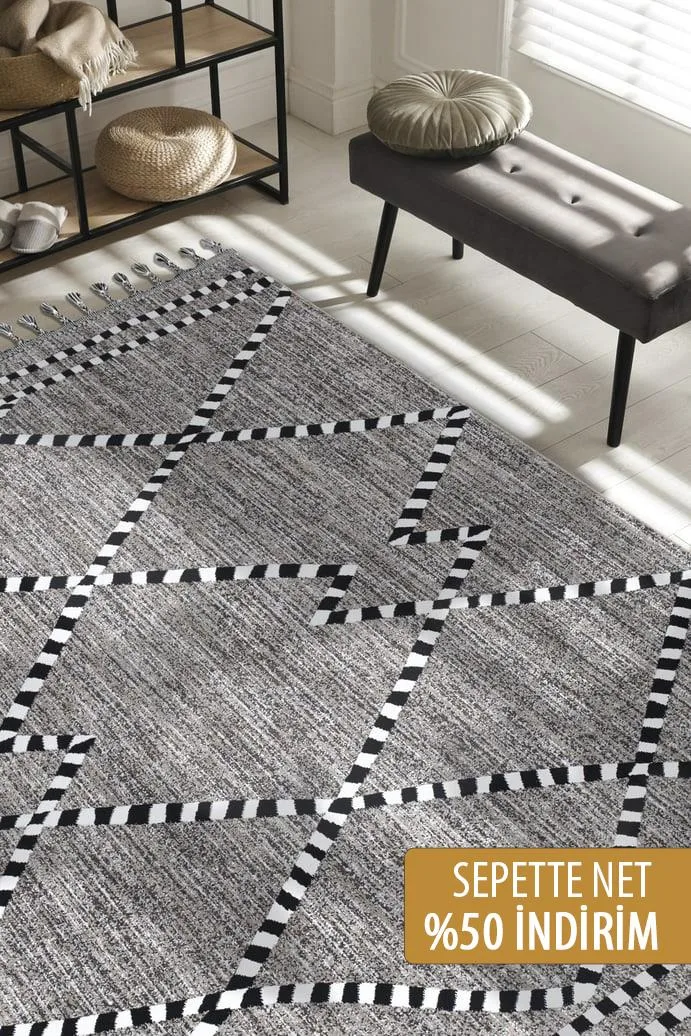
Kitchen areas require a special floor covering due to both heavy use and high hygiene standards. Determining the correct carpet size and type directly affects operational efficiency, as well as workplace safety and customer satisfaction. For hotel managers and project specialists, selecting a kitchen carpet requires balancing aesthetic expectations with technical necessities.
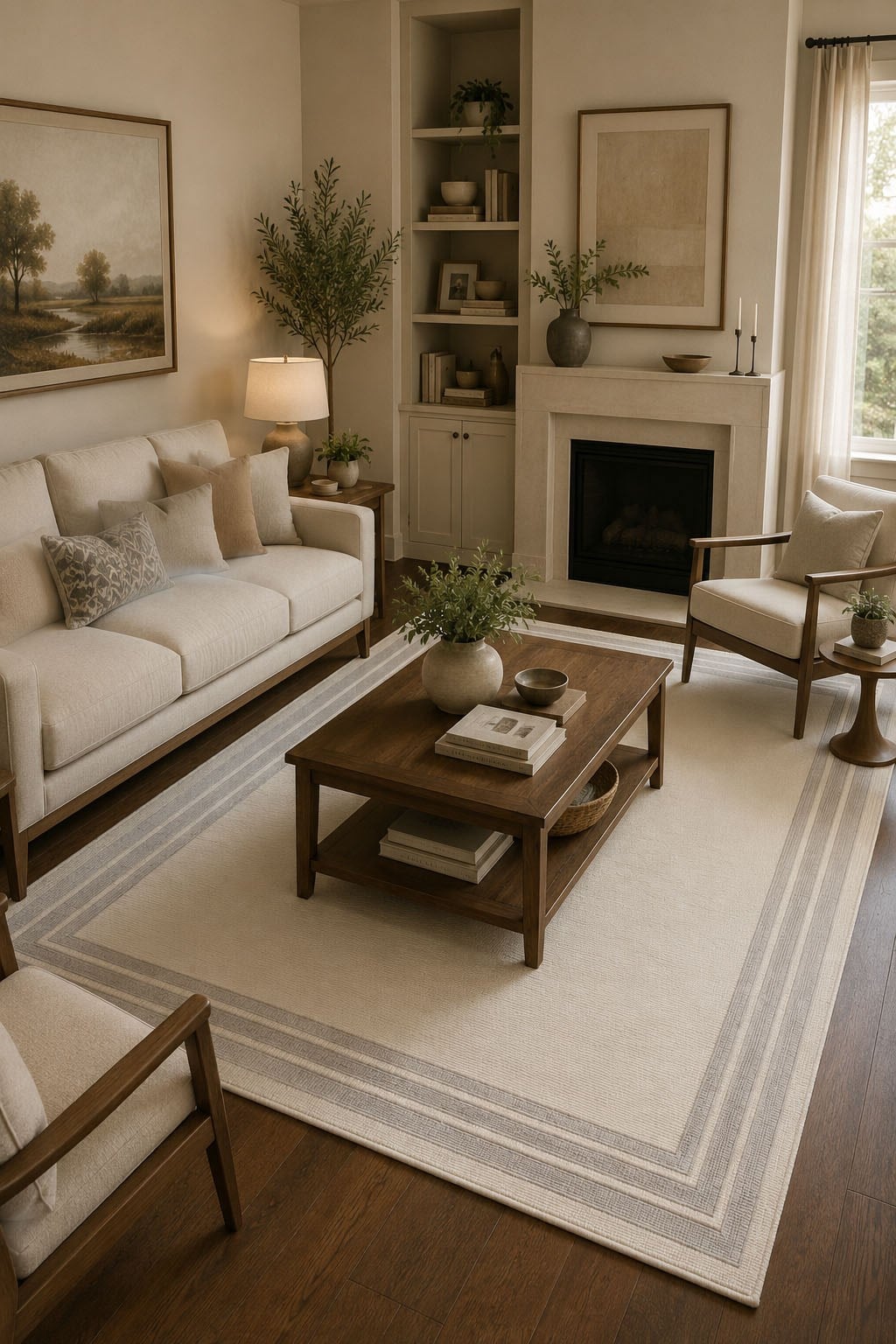
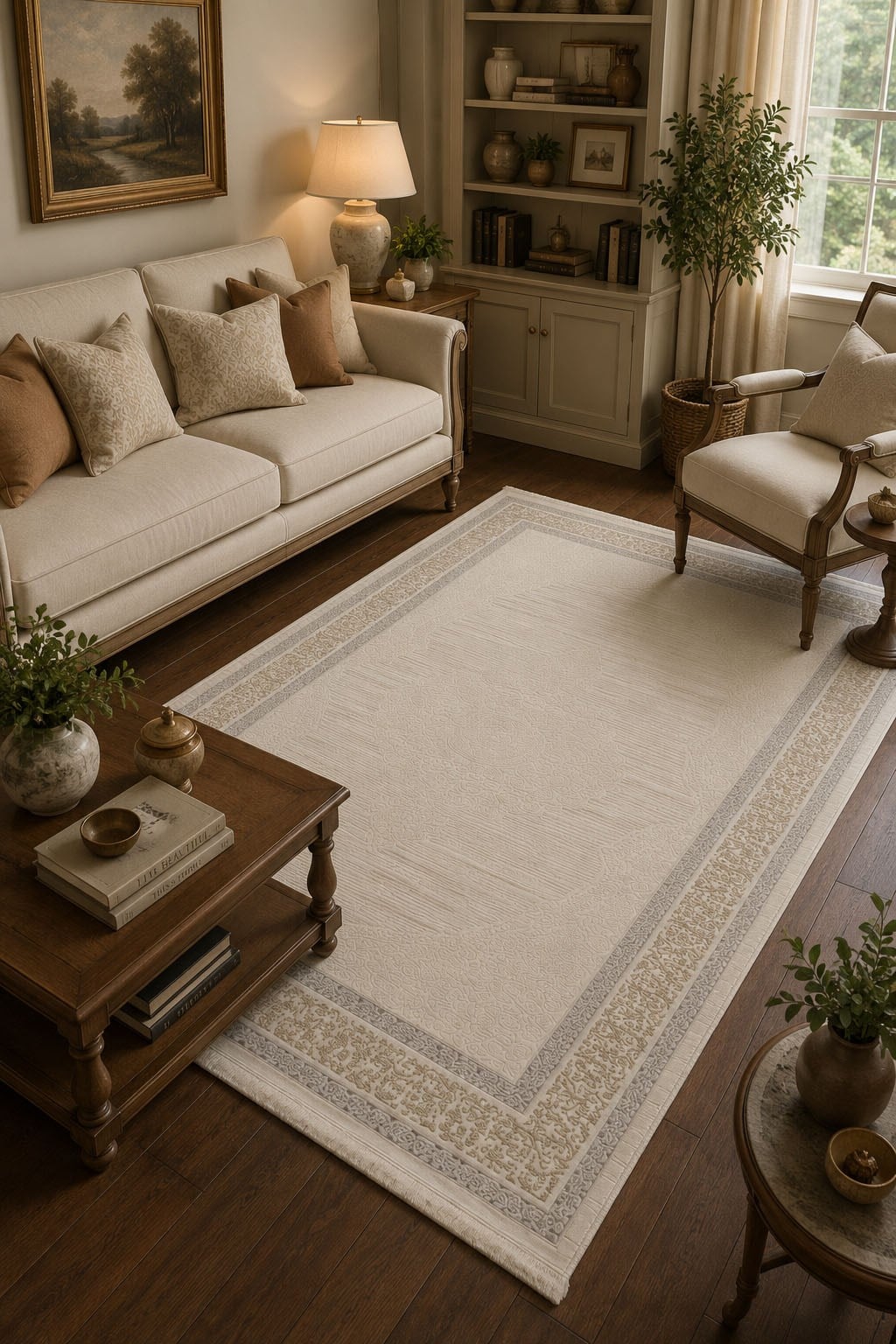
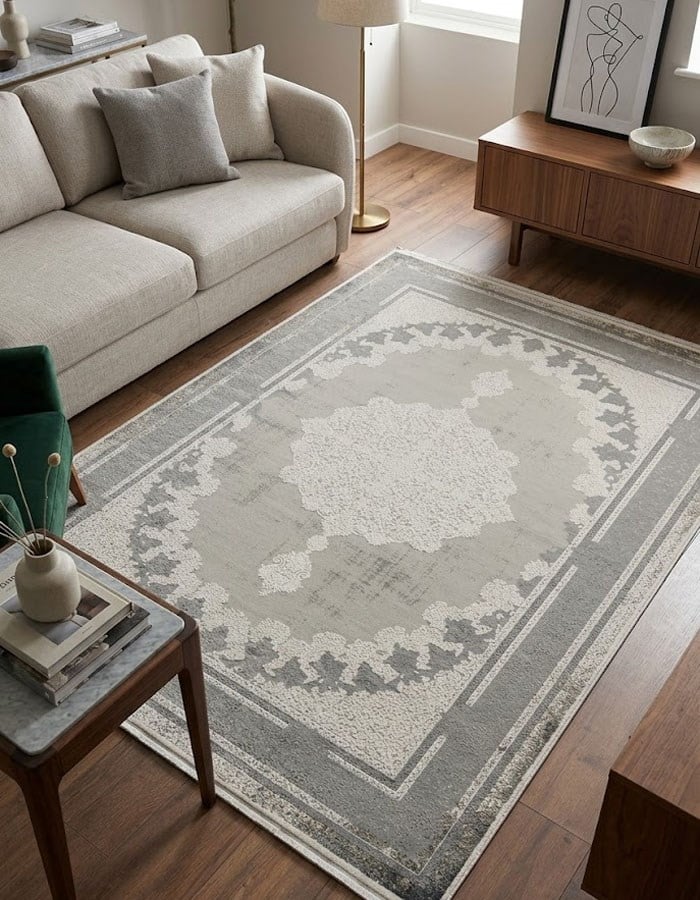
The Art of Calculating the Right Measurement
When determining carpet size in a kitchen area, it is essential to focus not only on square meters but also on the flow of use and furniture arrangement. Dimensions that provide comfortable movement space, exceeding the minimum requirements for a standard kitchen layout, should be preferred.
- Determine the Area of Use: Is it the kitchen countertop perimeter or the food preparation station? The area size must be determined according to the intensity of use.
- Calculate Circulation Areas: Extra space should be left for corridors and service paths so that staff and guests can move comfortably. This increases comfort even in tight spaces.
- Prioritize Furniture Placement: Ensure there is sufficient border space around islands, countertops, and other fixed equipment. Design soft transitions by avoiding sharp corners.
Rule 1: Minimum Spacing Standard
Leaving a minimum gap of 30 to 45 centimeters between each piece of furniture and the carpet ensures visual coherence and simplifies cleaning and maintenance processes. This standard plays a critical role in maintaining hygiene in commercial environments.
Technical Performance in Material Selection
In a heavily used area like a kitchen, the technical specifications of the carpet are the top priority in terms of durability and safety. In addition to aesthetics, it is essential that the floor material is resistant to the harsh conditions it will face.
- Fire Safety: The material used must have flame-retardant (flame-retarding) properties. This is the most basic safety requirement for commercial establishments.
- Antistatic Properties: Products with an antistatic structure that eliminates static electricity generated in a kitchen environment should be preferred. This facilitates cleaning and supports the material's lifespan in the long term.
- Acoustic Performance: High acoustic properties carpets should be selected to control the spread of kitchen sounds. This helps manage the noise level of the working environment.
- Ease of Cleaning: Materials that are stain-resistant, easy to wipe, and have high chemical resistance should be preferred, accelerating daily cleaning processes.
Decoration and Functional Compatibility
Carpet selection must be compatible with the overall decoration concept of the kitchen. A modern, minimalist, or rustic design preference should be supported by the texture, color, and pattern of the carpet used.
The color palette should harmonize with the tones of kitchen appliances and countertop materials. For example, light-colored floors provide freshness, while dark tones can create a more dramatic atmosphere. The complexity of the pattern should be adjusted according to the size of the area; overly dense patterns can visually narrow small kitchens.
Rule 2: Functionality is Priority
The carpet is not just a decorative element but also a functional floor covering. Materials with high slip resistance and resistance to oil or liquid spills should be preferred. This guarantees both operational safety and the long-term use of the carpet.
Corporate Purchasing and Discount Logic
Cost optimization is vital in large-volume commercial purchases. The right purchasing strategy allows you to obtain the highest quality while maintaining the budget.
- Meterage-Based Discounts: The pricing structure offered to corporate customers usually includes tiered discounts once a certain meterage threshold is exceeded. This creates a significant cost advantage for large projects.
- Quantity and Project Integrity: Getting a quote based on an integrated meterage covering all kitchen/restaurant areas, rather than a single order, maximizes your bulk purchasing power.
- Quality-Price Balance Analysis: Instead of focusing on the initial cost, determine the most suitable solution in the long run by considering material durability and maintenance costs. High-performance products may be more expensive initially, but they optimize overall expenses by reducing failure and replacement costs.
By following these rules, you can make a floor covering selection for your kitchen area that is both aesthetically pleasing and technically superior.

Sultan Rugs
Follow us on social media for the latest collections, special discounts, and decoration ideas.