
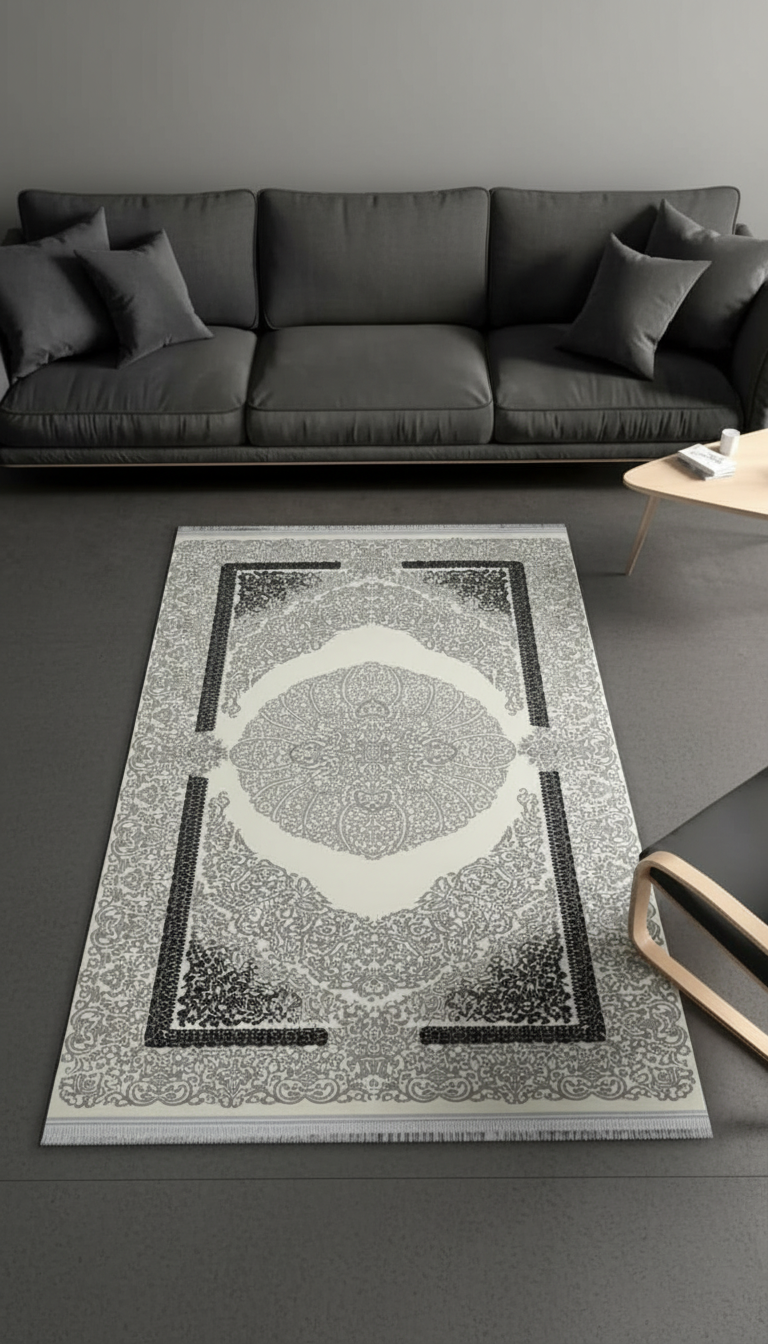
Minimalism emphasizes simplicity and functionality, while rustic elements add depth, character, and warmth to spaces. For hotel managers, architects, and corporate purchasing specialists, the successful combination of these two contrasting aesthetics meets modern expectations while creating an inviting atmosphere for guests or employees. Achieving a successful minimalist-rustic balance is possible through the correct material selection and understanding of technical requirements.
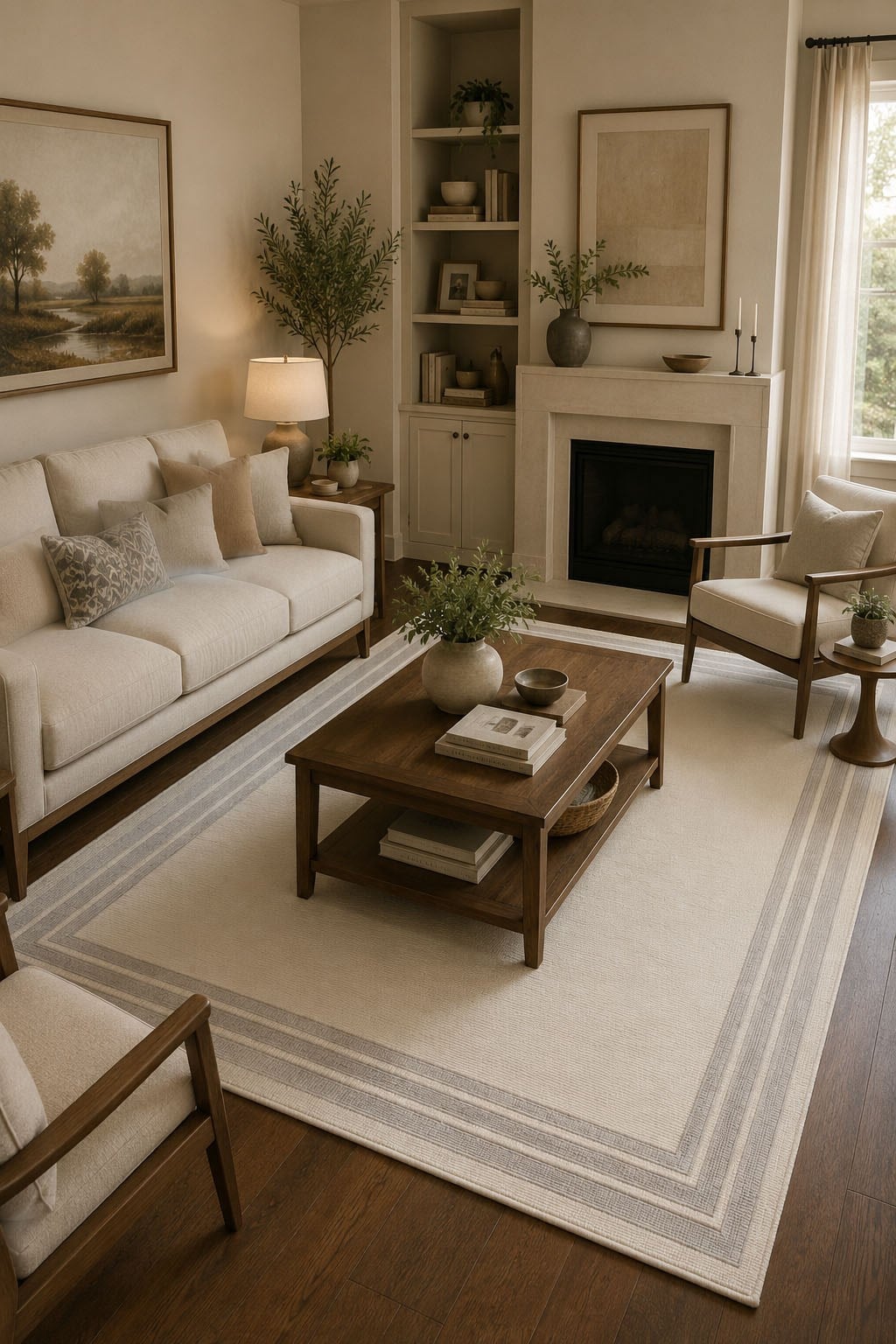
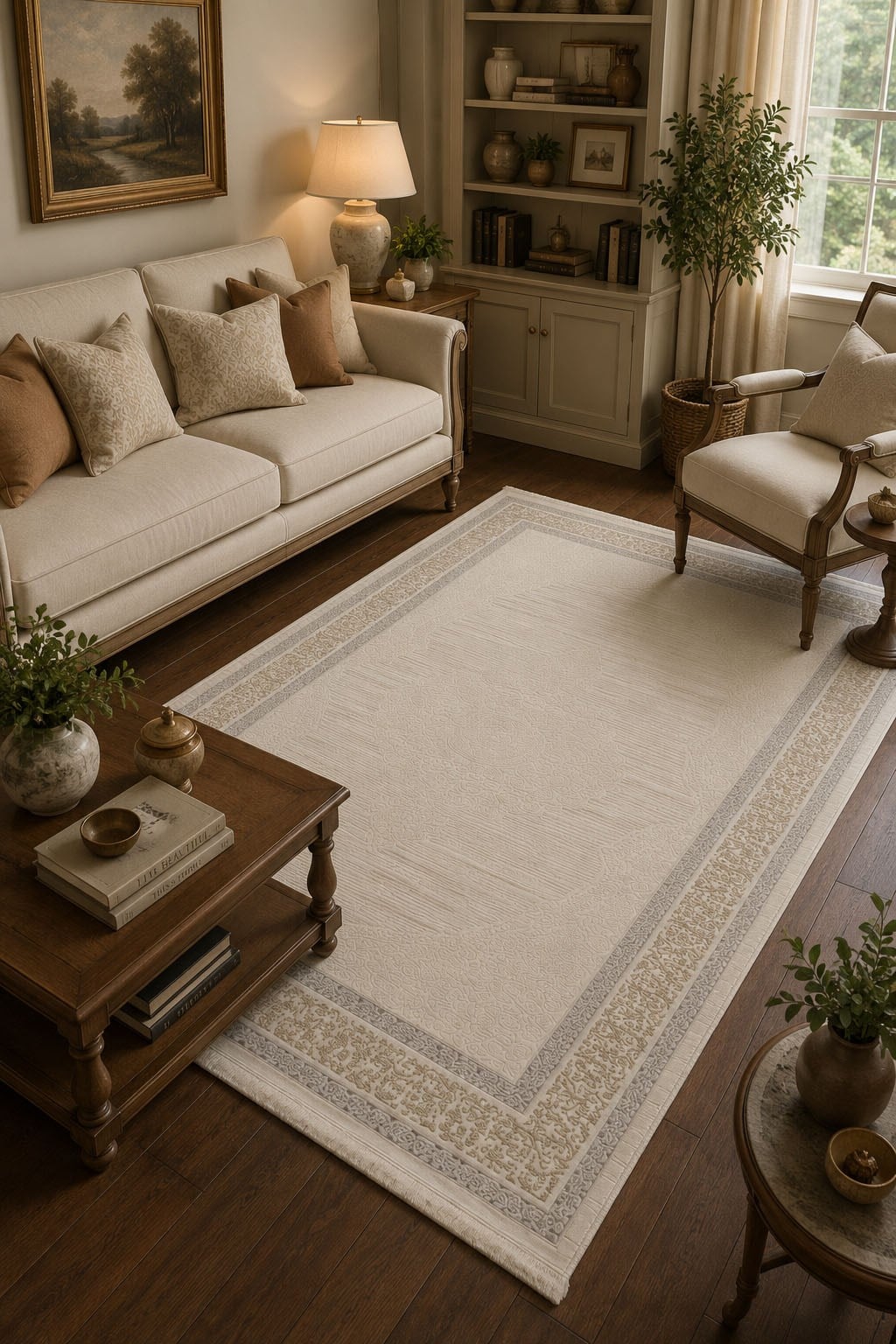
Minimalist Foundations and the Balance of Rustic Elements
The foundation of minimalist design lies in space, neutral color palettes, and simple forms. When adding rustic touches, the goal is to use the textural richness of natural materials (wood, linen, natural stone, etc.) without disrupting this simplicity. Avoiding excess is essential; a single prominent rustic element should reflect the spirit of the space.
- Texture Contrast: The juxtaposition of flat and smooth surfaces with rough, natural textures creates visual interest. For example, rustic wooden furniture or linen curtains can be preferred over concrete floors.
- Color Palette Management: By maintaining the base colors (white, beige, anthracite), limit rustic elements to earth tones (terracotta, dark brown, olive green). This preserves the calmness of the space.
- Use of Natural Materials: Create focal points by strategically placing elements such as natural stone, raw wood panels, or wicker details.
Material Selection and Technical Requirements
In corporate projects and high-standard hotel accommodations, durability and safety are as important as aesthetics. It is mandatory to consider the technical specifications of all decorative products or flooring materials to be used.
The critical technical parameters that need attention, especially in carpet and textile selection, are as follows:
- Fire Safety: All materials must have flame retardancy certifications, which is a fundamental requirement, especially in commercial areas.
- Electrical Safety: The textiles and flooring materials used must have anti-static properties to prevent static electricity buildup, which enhances comfort and supports equipment safety.
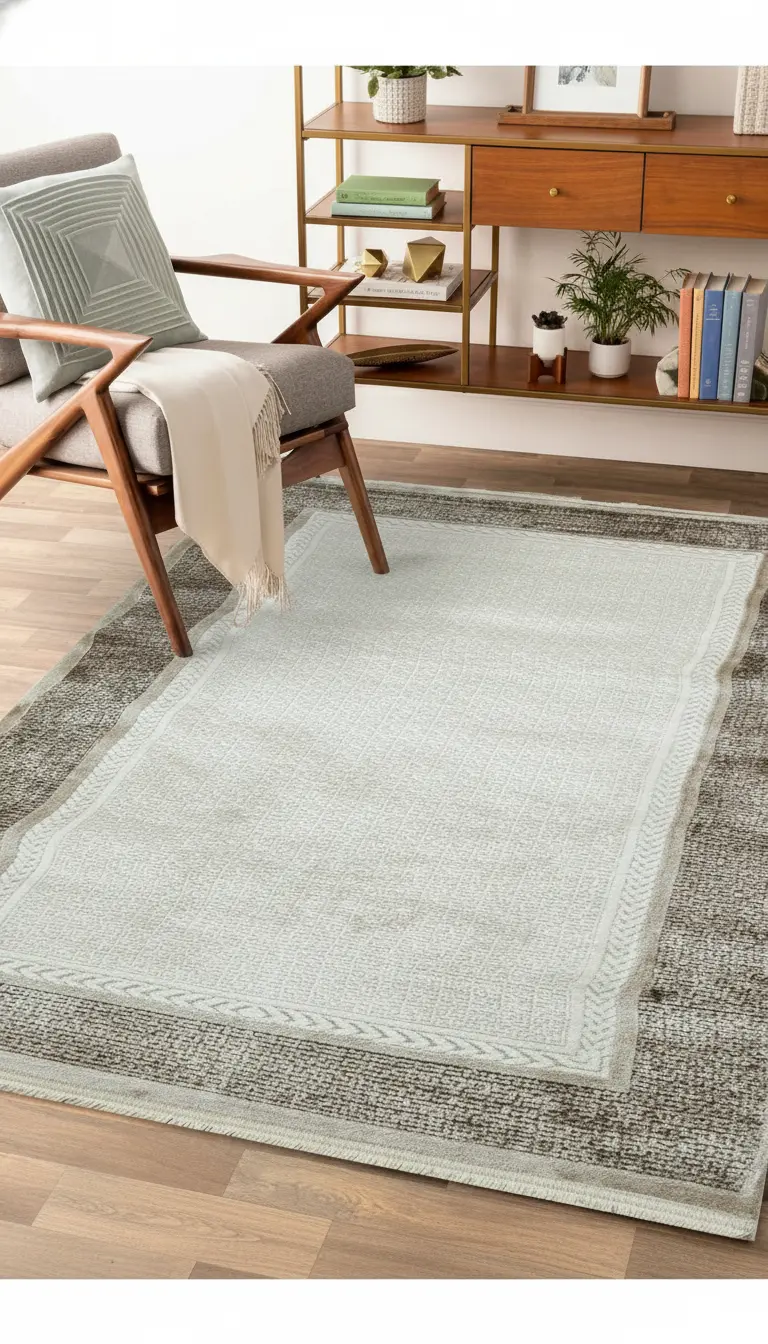
- Acoustic Performance: Controlling echo is important in minimalist spaces. Materials with high acoustic performance and sound-absorbing properties (e.g., thick textured natural wool or specially processed carpets) should be preferred.
- Maintenance and Cleaning Ease: Considering corporate operations, it is critical that the selected materials are resistant to daily cleaning processes, stain-proof, and require easy maintenance.
Product Supply and Corporate Purchasing Strategies
Cost-effectiveness and supply chain management are inseparable parts of decoration decisions in large-scale projects. A systematic approach should be adopted to gain advantages in bulk purchasing processes for products that will implement rustic touches.
The basic discount logic that should be considered for corporate purchasing departments is as follows:
- Quantity-Based Discount: Direct discounts applied based on the unit price for purchases exceeding a certain minimum quantity or meterage threshold. This is the most noticeable saving method for large projects.
- Contract and Volume Guarantee: Providing a guarantee of annual or three-year total consumption volume through long-term supply contracts allows for obtaining a more attractive unit price.
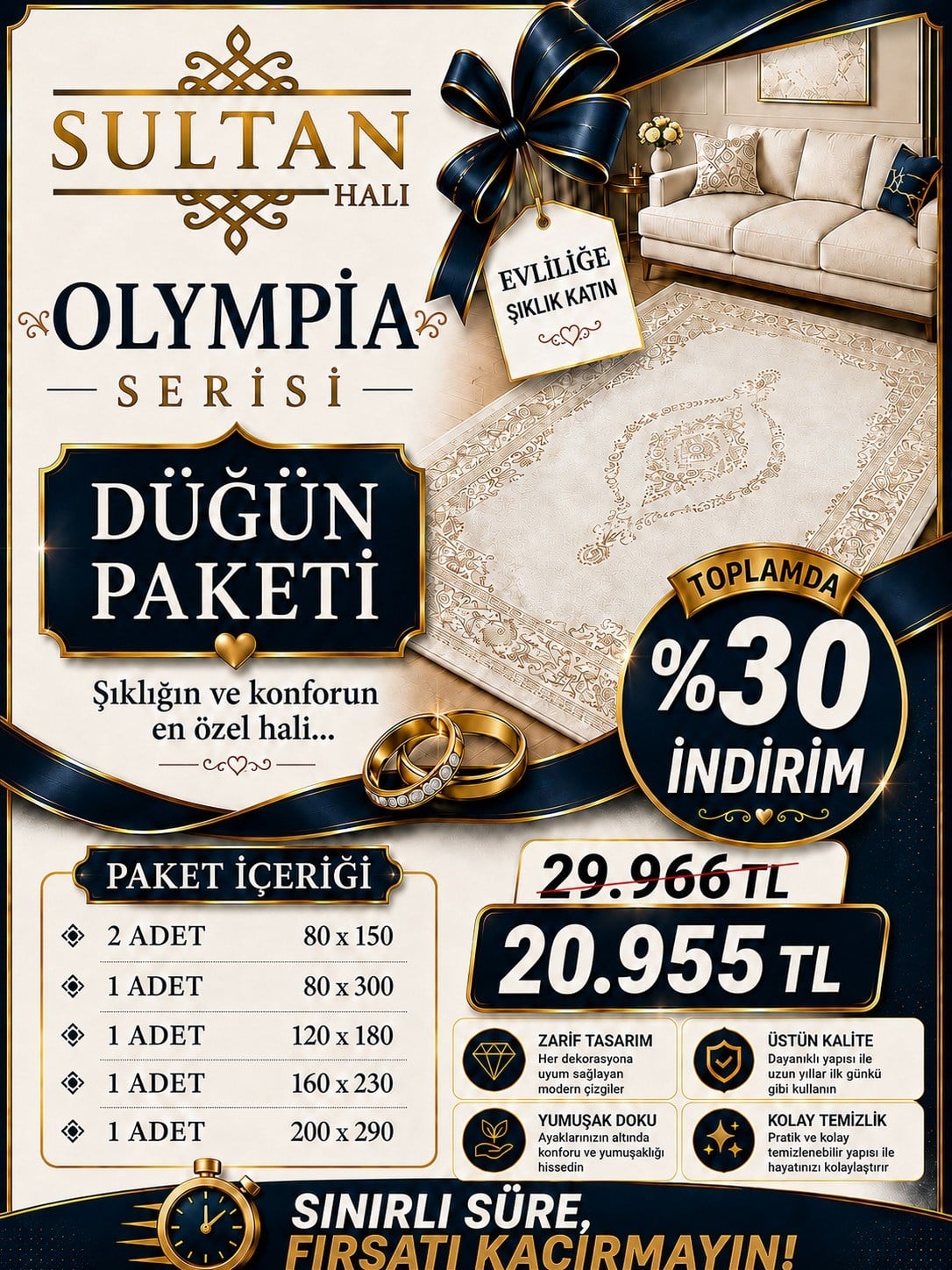
- Series Product Advantages: Purchasing an entire decoration series at once simplifies inventory management and allows for the benefits of bulk purchasing.
Through these strategies, you can implement your design vision at the highest quality while managing your budget in line with corporate goals.

Sultan Rugs
Follow us on social media for the latest collections, special discounts, and decoration ideas.