
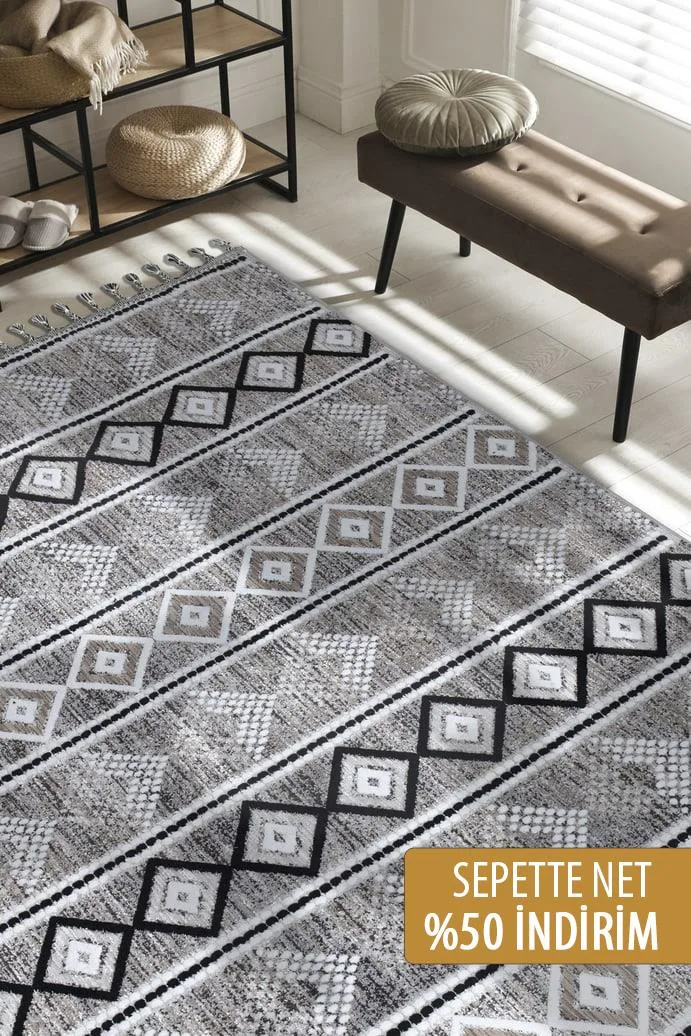
While minimalism emphasizes simplicity and functionality; when combined with the free-spirited, textured, and personal atmosphere of the bohemian style, unique and inviting spaces emerge. Successfully blending these two contrasting aesthetics in spaces of all scales, from hotels to corporate offices, increases guest satisfaction while simultaneously elevating the perceived value of the space. This guide offers 8 strategic suggestions for applying bohemian touches in the most effective way while maintaining a minimalist foundation.
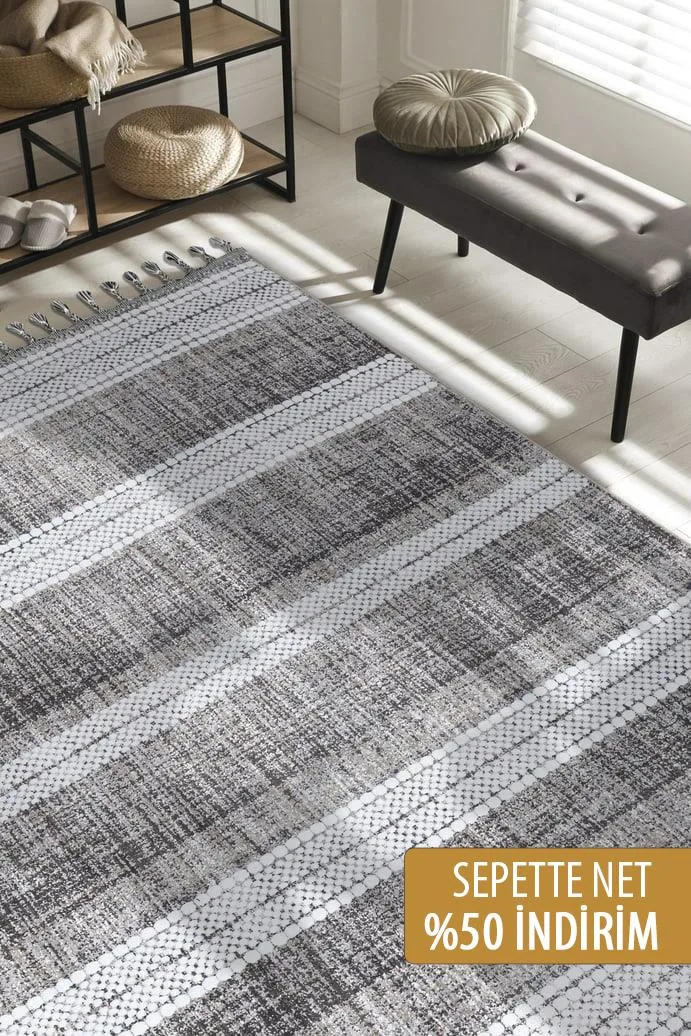
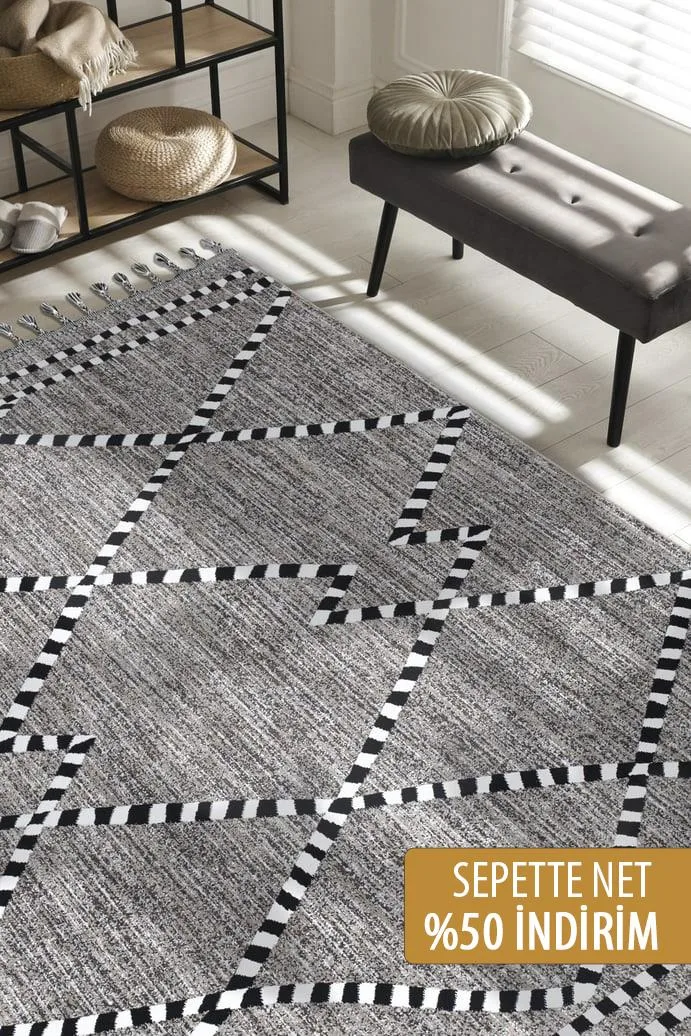

1. Creating Balanced Transitions in the Color Palette
Neutral Base and Vibrant Accents
The foundation of minimalist decoration is neutral colors; a calm base should be created with tones such as beige, off-white, light gray, and earth tones. Bohemian touches are used to add vibrancy to this calmness. Saturated yet limited vibrant colors, such as deep emerald green, mustard yellow, terracotta red, and indigo blue, should be used as accents. This balance brings a peaceful yet characterful atmosphere to the space.
In corporate projects, these color transitions should be determined in a way that reflects the brand's identity. For example, in luxury hotels, tan shades on an anthracite gray base or warm orange accents with natural wood tones can be preferred in offices.
2. Textural Richness and Material Selection
Natural and Handmade Feel
Texture is the most prominent feature of the bohemian style. To counteract the coolness of minimalist lines, focus should be placed on natural materials. Linen, jute, rattan, natural woods, and handmade ceramics provide this richness. These materials create depth and warmth in the space while softening the sharpness of minimalist forms.
When selecting materials, durability and aesthetics must not be compromised. Fabrics and surfaces used, especially in high-traffic areas, must provide visual richness while also meeting necessary technical standards.
3. Creating Atmosphere with Lighting
Layered Lighting Technique
Lighting is one of the most important elements that determines the soul of minimalist and bohemian design. Instead of a single central light source, a layered lighting system should be established. A dim and intimate atmosphere can be created using warm white lights (2700K-3000K).
Creating shadows and light plays by using different light sources such as curtains, pendant lamps, and wall sconces strengthens the bohemian feel. This technique makes resting areas in hotel rooms feel personal and comfortable, in particular.
4. The Importance of Acoustic Performance
Sound Insulation and Echo Control
Acoustic performance is critical in corporate offices and lobby areas. Since the bohemian style often includes a lot of fabric and natural surfaces, echo problems can arise. Therefore, densely textured or wool-blend products should be preferred in rug selections; sound absorption must be ensured with wall panels and acoustic fabric coverings.
This technical approach meets aesthetic expectations and directly increases the comfort of the working environment and the quality of professional communication.
5. Technical Requirements: Safety and Maintenance
Durability and Functionality
Decoration elements must meet not only aesthetic but also technical requirements. All fabrics used, especially in high-traffic areas, must have anti-static properties; materials suitable for fire safety standards (non-flammable) should be preferred.
Ease of cleaning should not be overlooked at this stage. Bohemian textures can sometimes require maintenance; therefore, stain-resistant and easy-to-wipe surfaces should be chosen to both preserve aesthetics and reduce operational load.
6. Adding Vitality with Plant Usage
Integration of Natural Elements
The soul of bohemian decoration comes from nature. Large-leafed plants, succulents, and natural branches break the harshness of minimalist lines by adding organic vitality to the space. Using bohemian materials such as terracotta, rattan, or matte metal in pot selection reinforces this unity.
By setting up specially designed systems for plant care, maintenance processes can be standardized, and professional service quality can be ensured.
7. Corporate Purchasing: Quantity and Meterage Flexibility
Discount Strategies for Large-Scale Purchases
For businesses making corporate purchases, the discount logic based on quantity or meterage is critical for large volume product acquisitions. Advantageous pricing should be requested through long-term agreements with suppliers for purchases exceeding a certain amount.
Thanks to this strategy, budget control is ensured, and access to consistently high-quality and uniform decoration materials is obtained. Transparency and volume-based flexibility should be the basis of the purchasing process.
8. Creating Personalized Spaces
Controlled Use of Personal Touches
When using bohemian touches on a minimalist base, these elements should not be excessive. It is possible to add depth to spaces with elements such as a few special artworks, personal objects, or handmade textile pieces. This personalization creates a sense of warmth and belonging without damaging the corporate identity.
This final step allows the project to become a living, breathing environment rather than just a design.

Sultan Rugs
Follow us on social media for the latest collections, special discounts, and decoration ideas.