
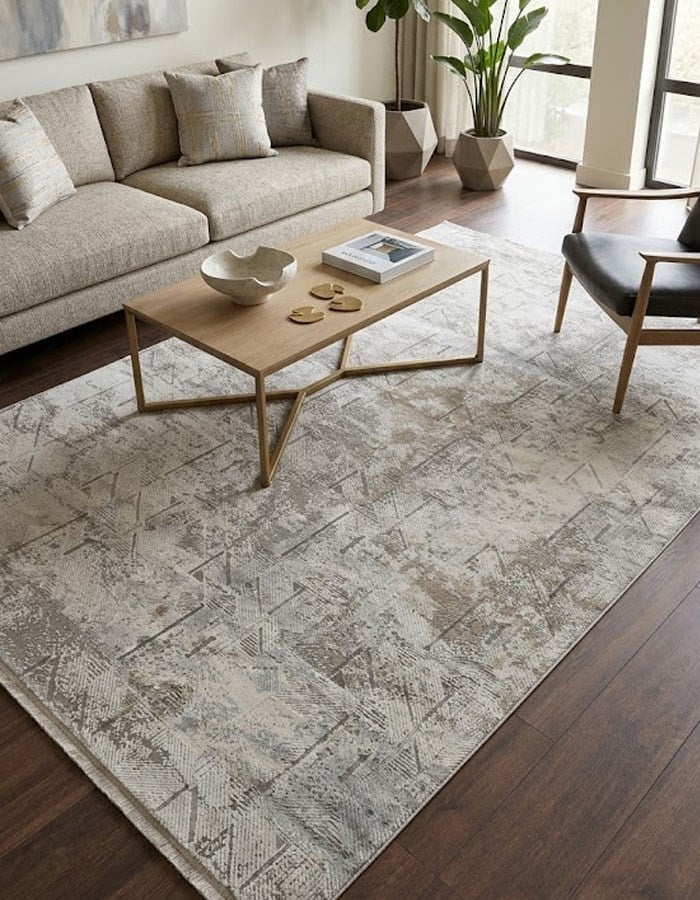
Small living rooms and rooms can make the perceived area look much wider and more spacious with the right carpet selection. Carpets are not just floor coverings; they are also tools for creating a spatial illusion. Especially for hotel managers and architectural projects, achieving maximum comfort and aesthetics in limited space is critical.
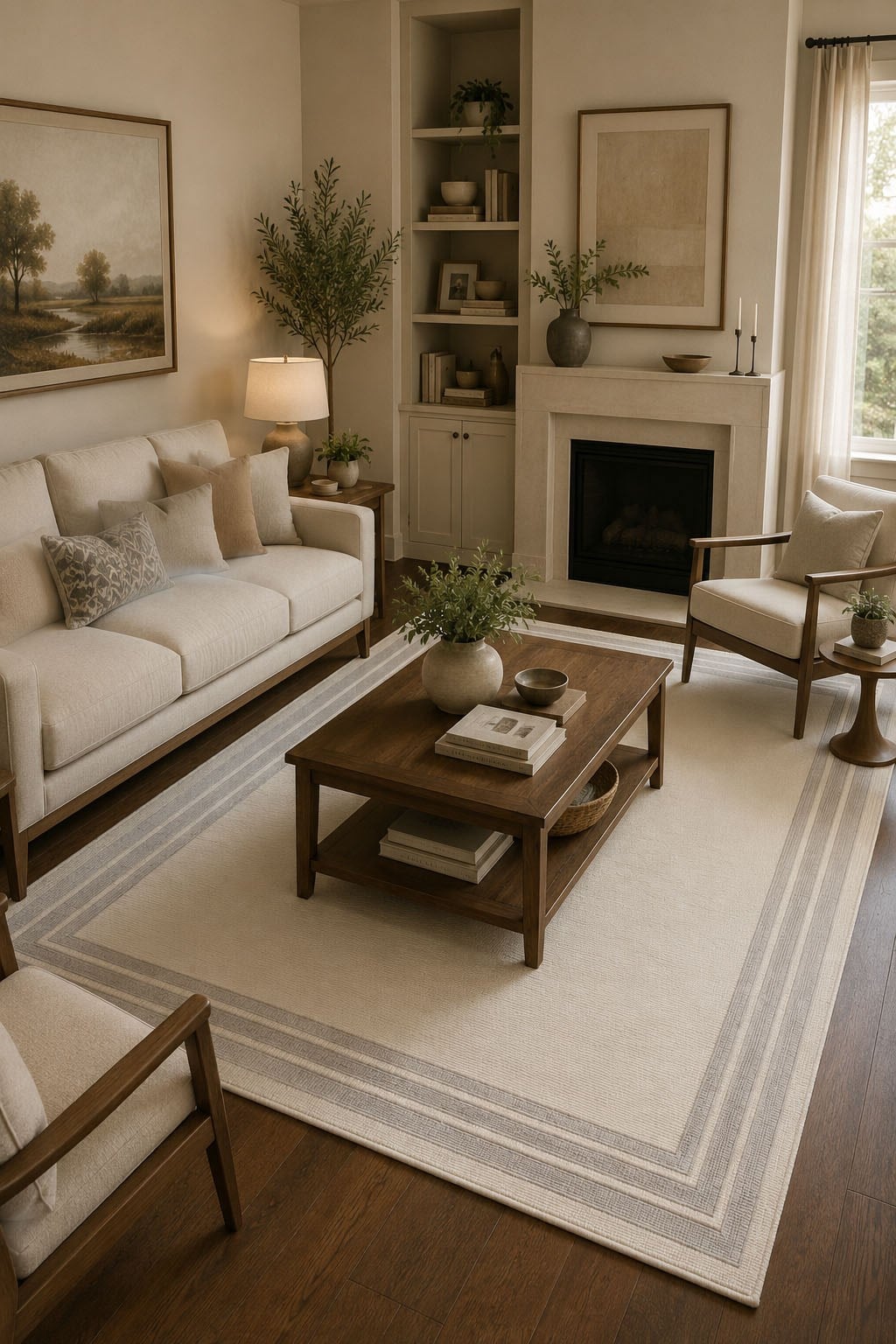
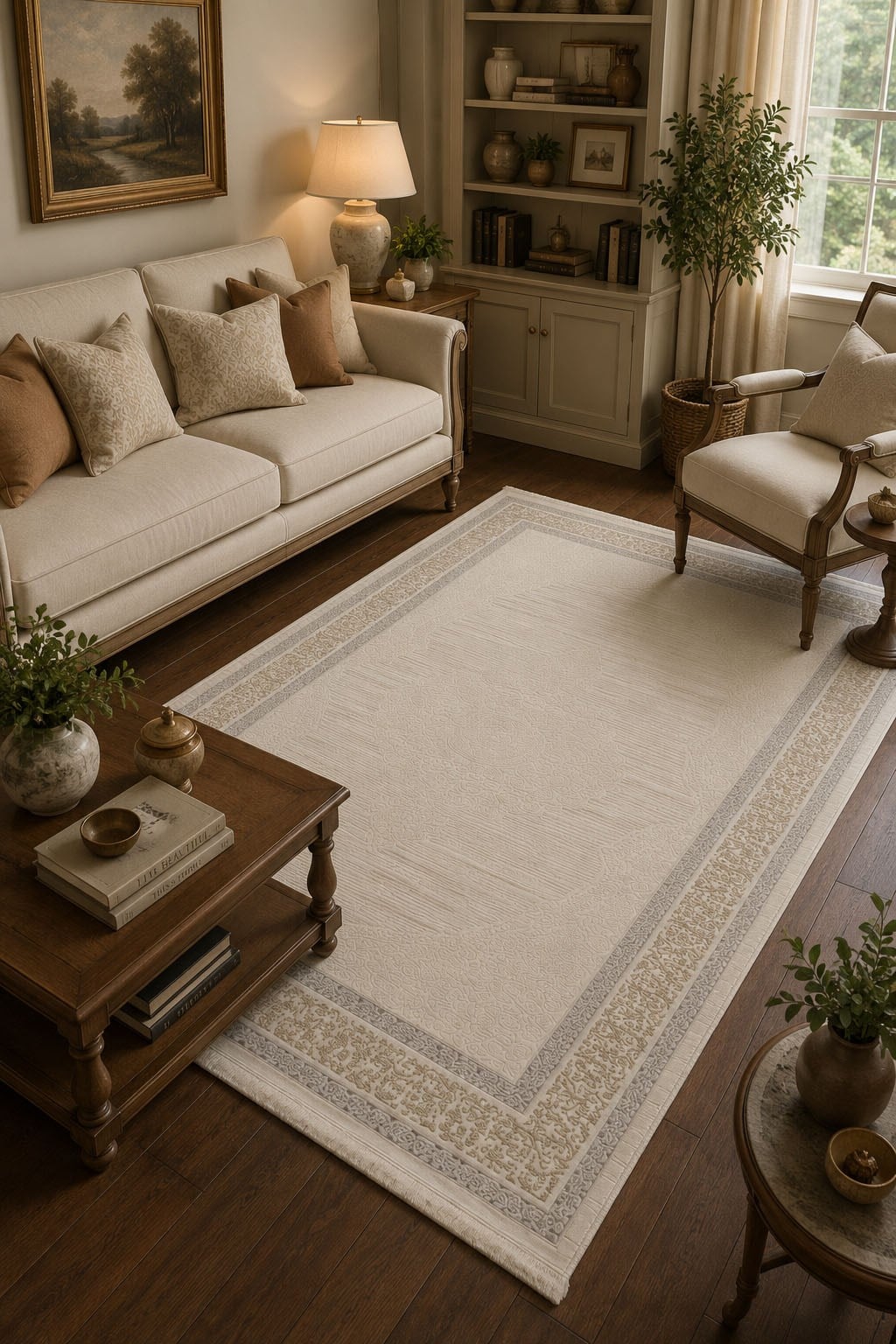
Key Design Principles That Change Perceived Area
To understand how a carpet can transform a small area, sizing and pattern usage must be the foundation. These first steps will multiply the effect of the chosen carpet.
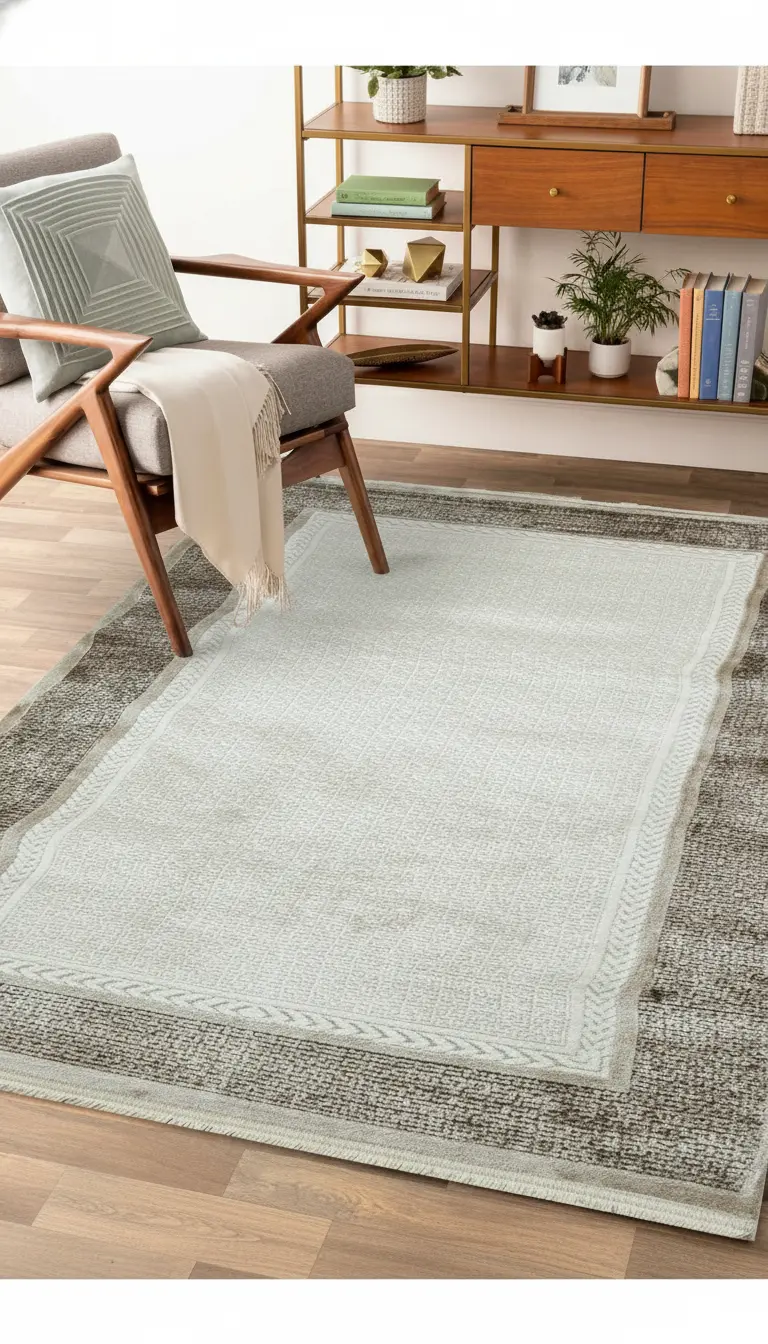
- Use of Large Size Carpets: In small rooms, choosing a large-sized carpet that covers the entire floor prevents the eye from moving and allows the space to be perceived as a single whole.
- Directional Effect (Linear Patterns): In long and narrow corridors, using patterns that run along the long axis of the carpet guides the gaze into the depth, visually extending the space.
- Light Color Palette: Light-toned or low-contrast patterned carpets reflect more light, adding spaciousness to the room and allowing the walls to recede further.
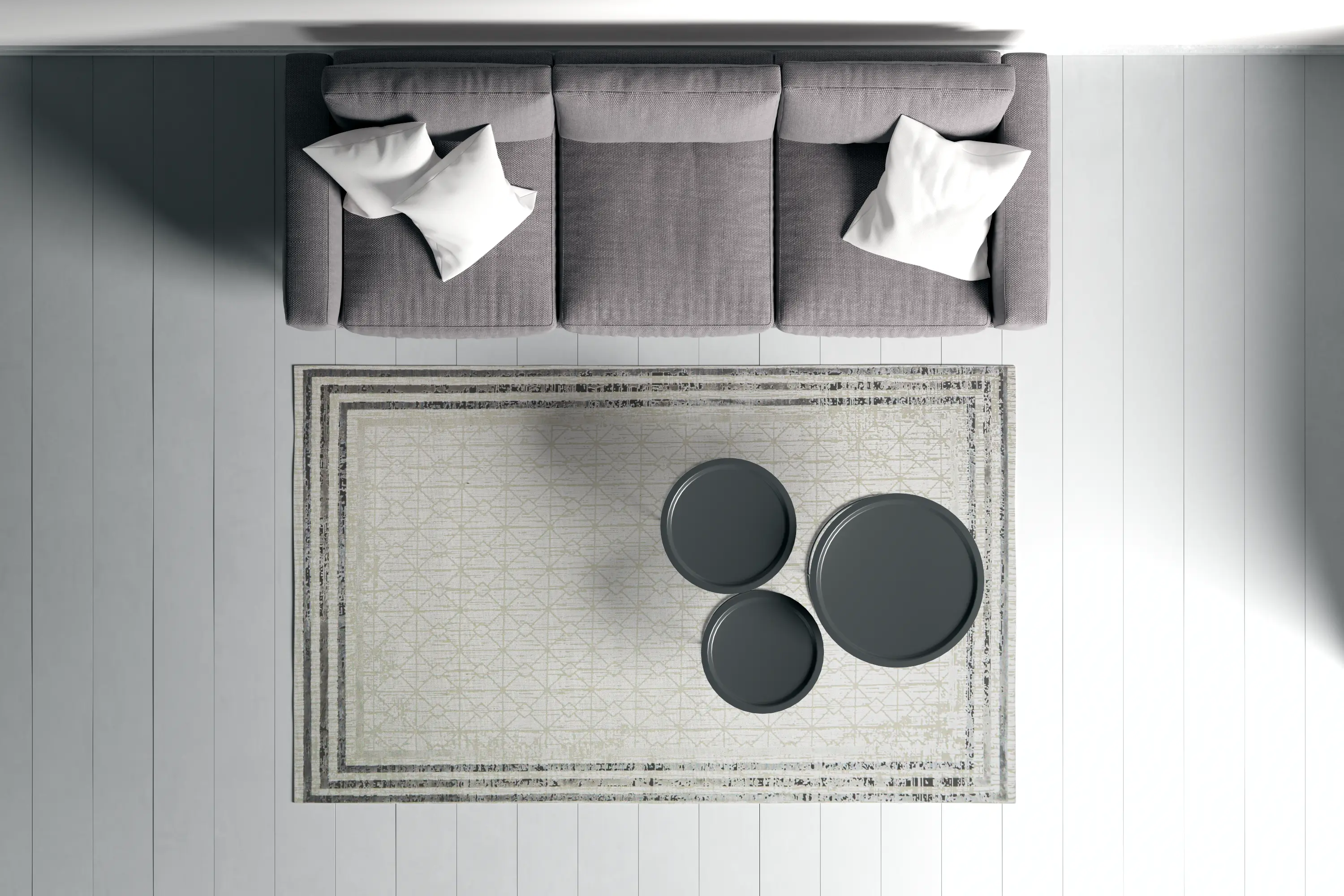
- Correct Scaling: The size of the carpet must be compatible with the furniture. Selecting furniture at the correct scale relative to the carpet creates a regular flow instead of clutter.
Material Selection and Technical Requirements
The durability and technical specifications of carpets used in commercial environments are just as vital as their aesthetics. Performance standards must be evaluated in terms of user safety and longevity.
Materials with the following technical features should be preferred, especially for high-traffic hotel lobbies or office areas:
- Fire Safety (Flame Retardancy): Mandatory for commercial buildings. The fire resistance of carpets is part of safety standards, and products offering this feature should be selected.
- Antistatic Properties: Antistatic surfaces that reduce static electricity, especially in office environments, increase comfort and minimize the risk of damage to devices.
- Acoustic Performance: The sound insulation and echo reduction capacity of carpets is a significant advantage, especially in open-plan areas or offices. Thickly textured or specially insulated products meet this need.
- Ease of Cleaning: Fabric types that are durable for heavy use, stain-resistant, and easy to maintain with professional cleaning methods should be preferred.
Corporate Purchasing and Cost Optimization
In large-scale projects or corporate purchases serving multiple units, cost-effectiveness is at the center of the decision-making process. The right bulk purchasing strategies protect the budget while not compromising quality standards.
It is essential to benefit from volume advantages and meterage-based discounts in purchasing processes:
- Meterage-Based Discount Structure: Special discount rates should be requested from suppliers for purchases exceeding a certain quantity or meterage threshold. This is particularly noticeable in standard sized carpet series.
- Stock Management and Supplier Relations: By establishing long-term partnerships, more competitive prices can be obtained for seasonal or project-based demands. It is important to establish contracts with reliable suppliers.
- Material Standardization: Focusing on a limited number of main product groups that meet a specific quality and technical standard, rather than different colors and patterns for each project, simplifies stock management and increases purchasing power.
In conclusion, the art of making small areas look large is achieved when correct design principles are applied, material performance is taken seriously, and they are integrated with smart purchasing strategies to ensure the highest commercial return.

Sultan Rugs
Follow us on social media for the latest collections, special discounts, and decoration ideas.