
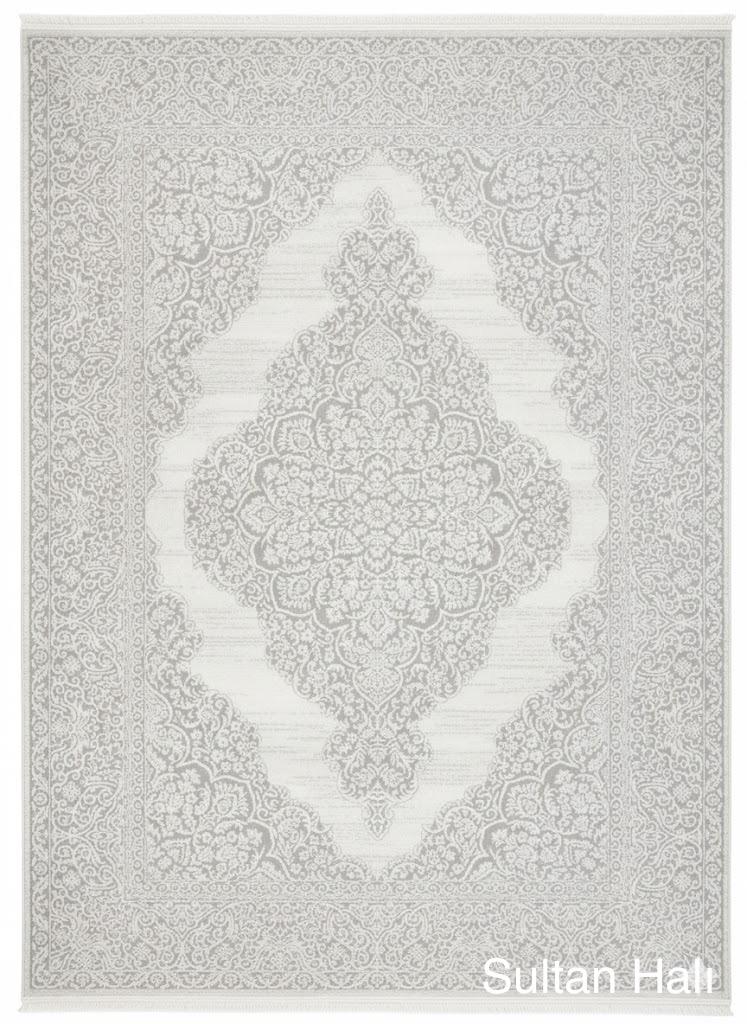
Small library spaces can be challenging both aesthetically and functionally. The right rug selection and placement strategies in these types of rooms can instantly make the area feel more spacious, expansive, and inviting. Rugs are not just floor coverings; they are one of the most powerful tools for manipulating a space's depth and scale.
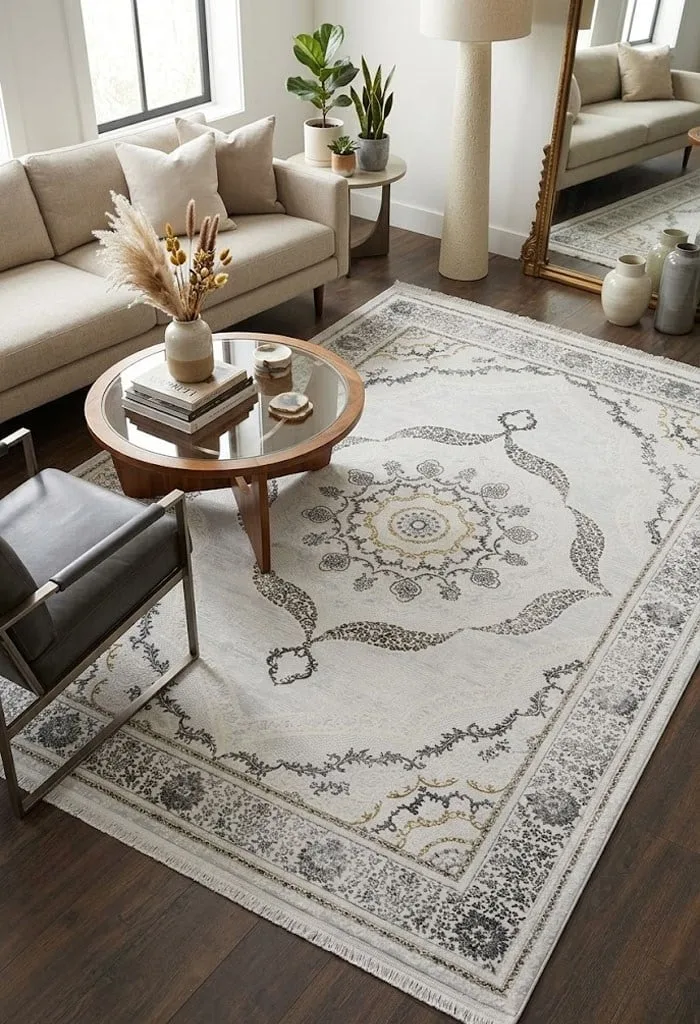
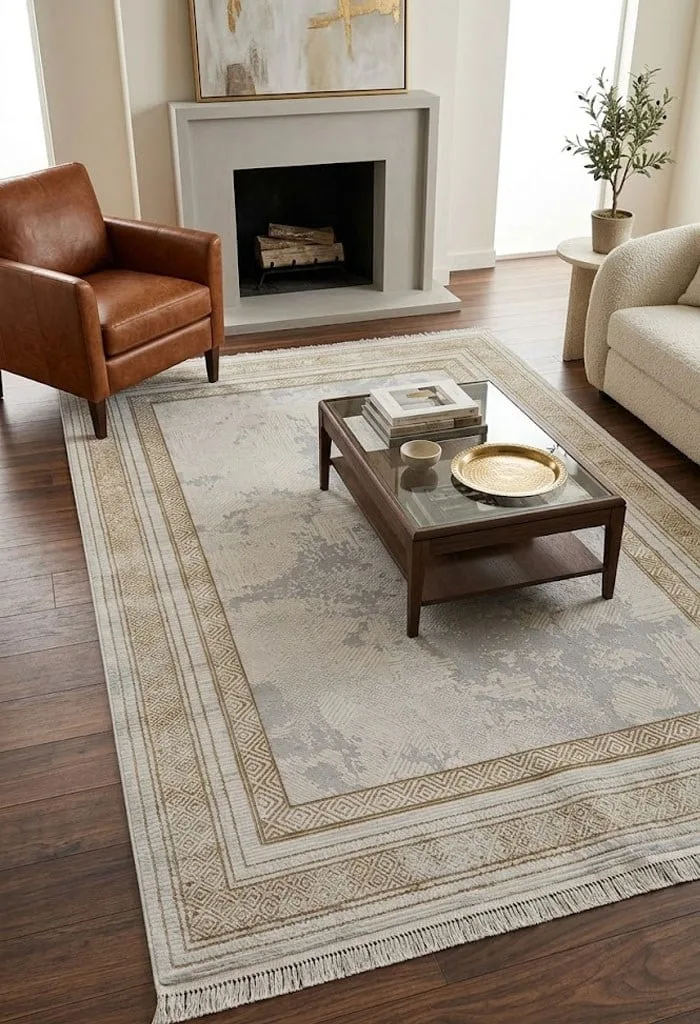
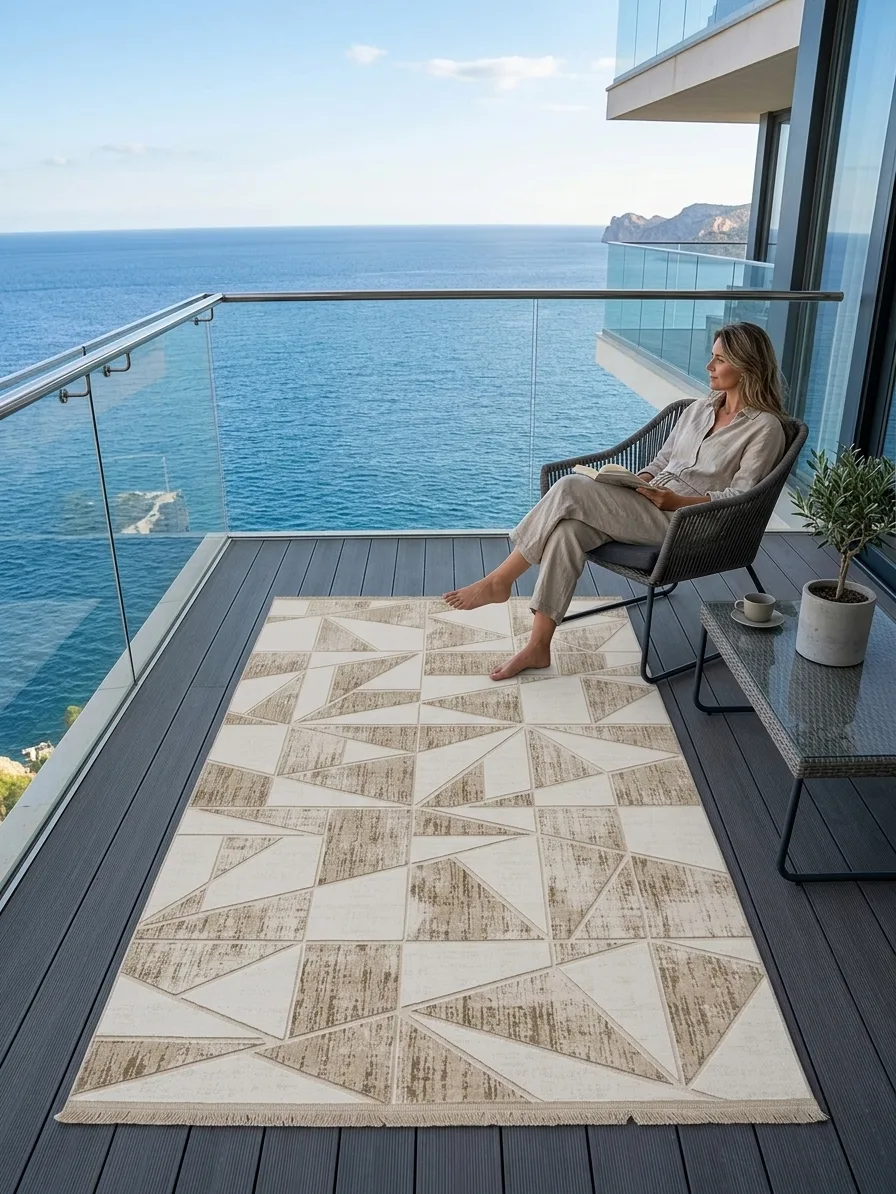
In this guide, we cover 8 concrete rug hacks designed to maximize small areas for architects, hotel managers, and corporate procurement specialists. Our goal is to visually multiply limited square footage and provide a vast atmosphere to the user.
1. Optical Expansion Through Scale and Pattern
Enhancing Space Perception with Large Rugs
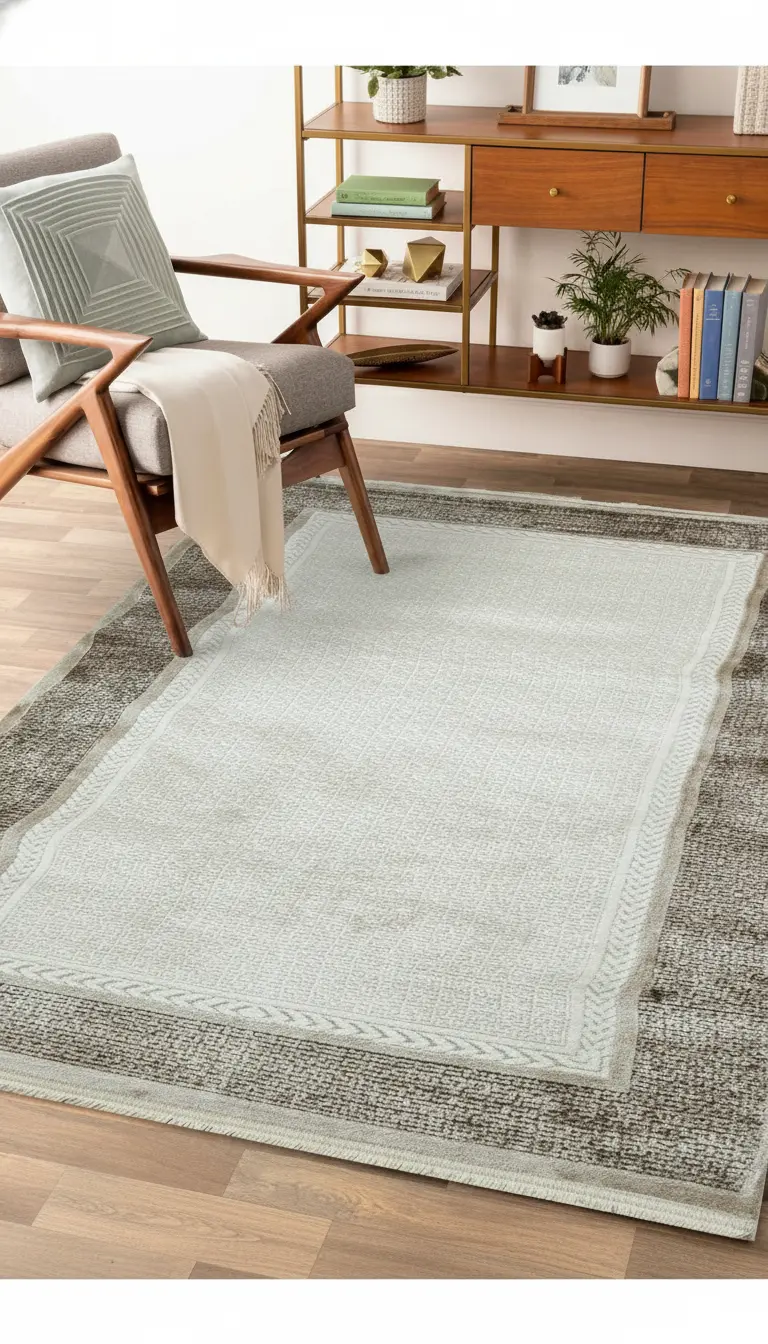
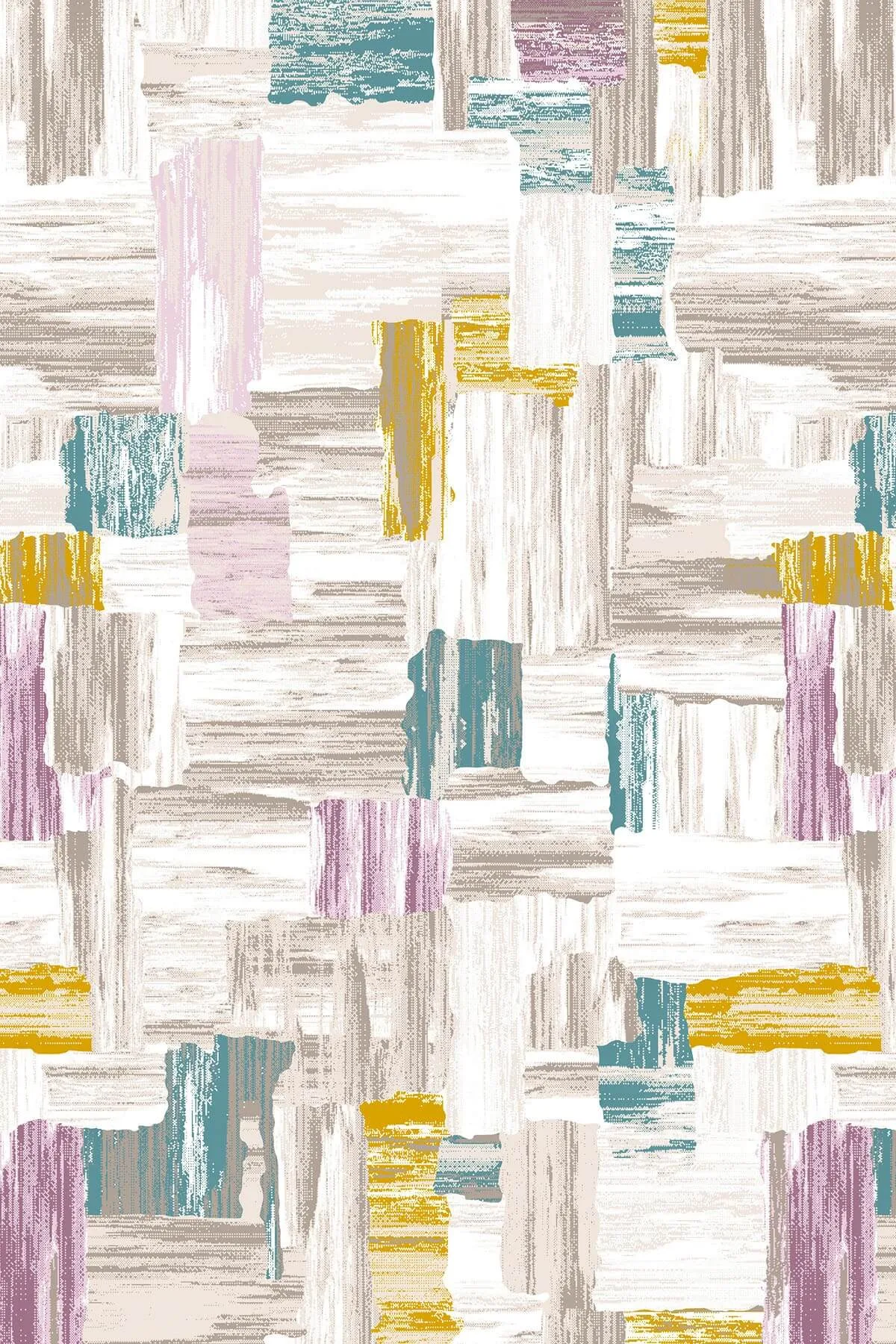
Using one large rug in a small area fills the visual floor space, making the room feel more cohesive and expansive. Opt for medium or large-scale patterns instead of small, fragmented designs. This approach prevents the eye from constantly moving and blurs the boundaries of the floor.
When choosing a pattern, focus on its density. Overly complex and small-detail patterns can narrow the space. Instead, choose more prominent, broad motifs to create a single large surface effect on the floor.
Directional Effects with Long Rugs
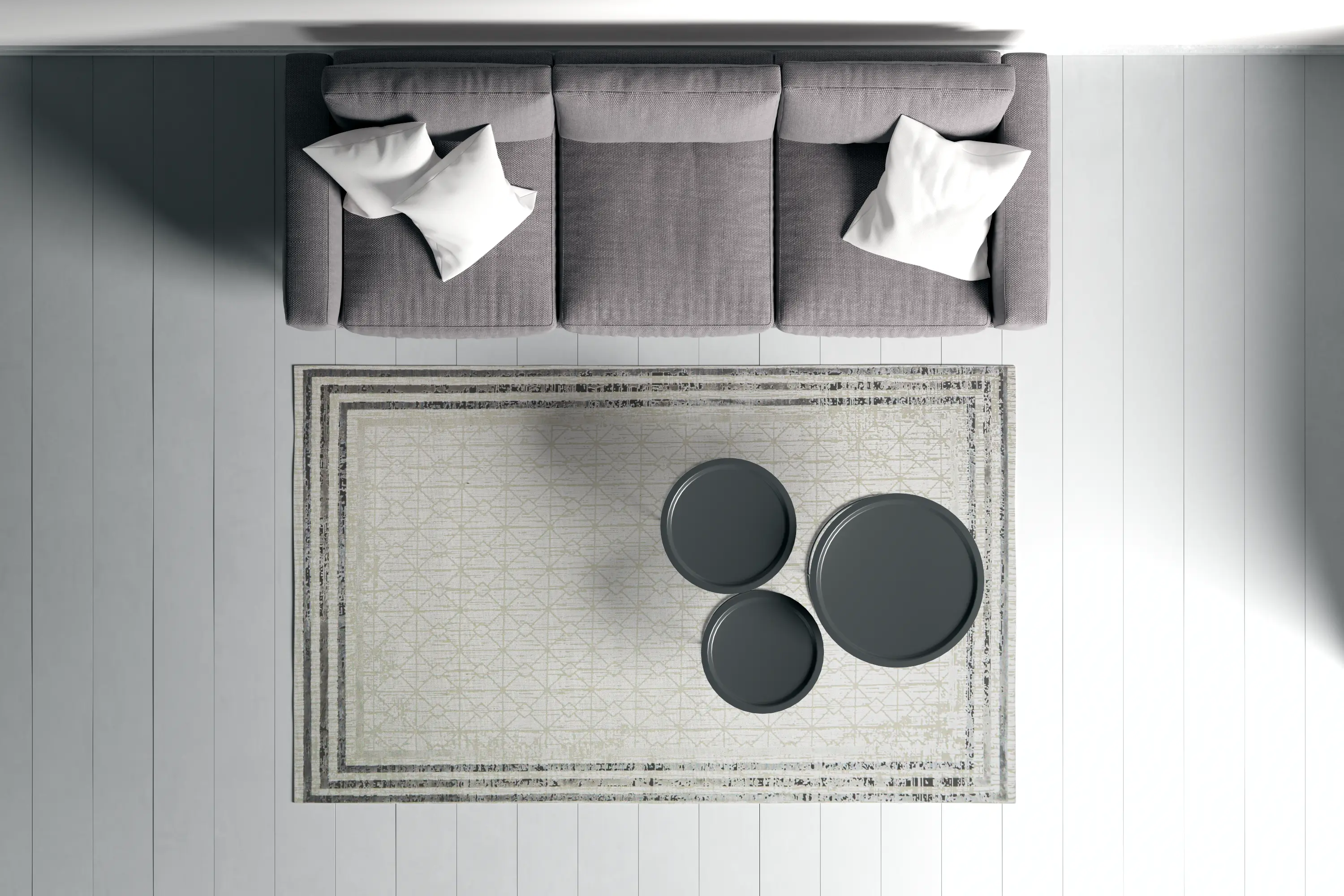
The direction of the rug directly affects the perceived length of the space. In linear areas like libraries, placing the rug parallel to the room's long axis naturally extends the eye and makes the space appear deeper. Rugs placed in short or cross directions can divide the space and create a narrowing effect.
2. Strategic Use of the Color Palette
Light Tones and Monochromatic Transitions
The most fundamental way to increase a sense of width is through color selection. Light and neutral tones (beige, light gray, cream) are ideal for the floor as they reflect more light and soften the room's boundaries. Using a rug in a tone similar to or closely related to the walls reduces visual interruptions, promoting flow.
Adding Depth with Accent Colors
After expanding the area, contrast colors can be used to create small accent zones. Using a more saturated (but not exaggerated) color at the edges of the rug or in a specific corner can draw visual interest and define the room's three-dimensionality.
3. Creating Richness with Layering Techniques
Instead of a single rug, layering rugs with different textures and patterns adds richness to a small area. For example, placing a thinner, geometric kilim over a large, simple main rug provides both depth and visual complexity. This layering prevents the space from looking monotonous.
4. Choosing the Right Material and Technical Specifications
The Importance of Acoustic Performance
Library environments often require sound insulation. Do not overlook acoustic performance when selecting rugs. Rugs with high-density fiber structures absorb sound, making the space feel calmer and more focused.
Durability and Ease of Maintenance
In corporate and hotel projects, durability is a key factor. Rugs should have anti-static properties to prevent static electricity buildup, and fire-retardant certifications must meet safety standards. Furthermore, materials that are easy to clean, suitable for high traffic, and long-lasting should be prioritized.
5. Furniture Placement and the Rug Relationship
Making the Rug the Focal Point
Make the rug the main focal point of the room. Positioning a large rug in the center gathers all visual energy into one area, which increases the perceived width. Furniture placement—such as seating groups or shelves—should complement the rug; for instance, using seating arrangements that cover a large portion of the rug.
6. Scaling with Lighting
Proper lighting strategies maximize the impact of the rug. Using high ceilings or hidden LED strips to highlight the floor area effectively emphasizes the rug's size. Soft, diffused lighting reduces harsh shadows, making the space appear more holistic.
7. Utilizing Vertical Elements
In small spaces, emphasizing vertical lines creates a visual upward movement, increasing the perceived height of the room. Supporting the edges of the rug or areas near the walls with rising decorative elements (e.g., tall, slim shelving systems) strengthens the illusion of width.
8. Corporate Procurement and Discount Logic
When working with rug suppliers for B2B purchases, evaluate volume-based discounts rather than just per-square-meter pricing. Large purchases made through project-based contracts or annual agreements reduce the unit cost, optimizing the budget. You can also gain cost advantages while increasing design diversity by cross-buying from different collections.
With the right rug strategies, your small library spaces will offer not only functionality but also a superior aesthetic experience.
Sultan Rugs
Follow us on social media for the latest collections, special discounts, and decoration ideas.