
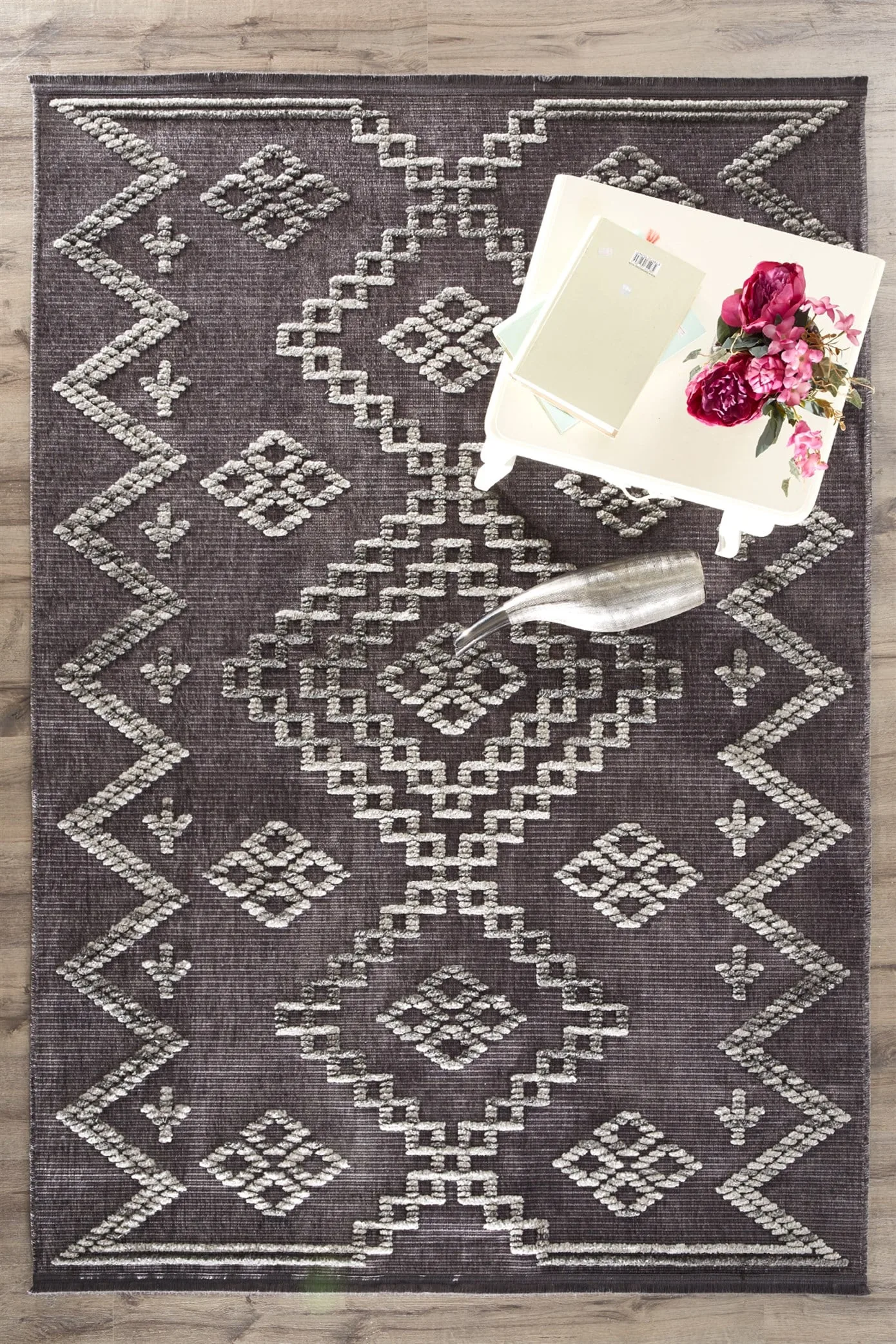
In high-traffic areas such as hotel lobbies, meeting rooms, and corporate offices, carpets are often exposed to unexpected contaminants like wine stains. Such stains require quick intervention; otherwise, they can lead to permanent damage. Choosing the right method preserves your carpet's original texture and speeds up the cleaning process. Below, you will find 15 effective solutions used by professionals that you can also apply.

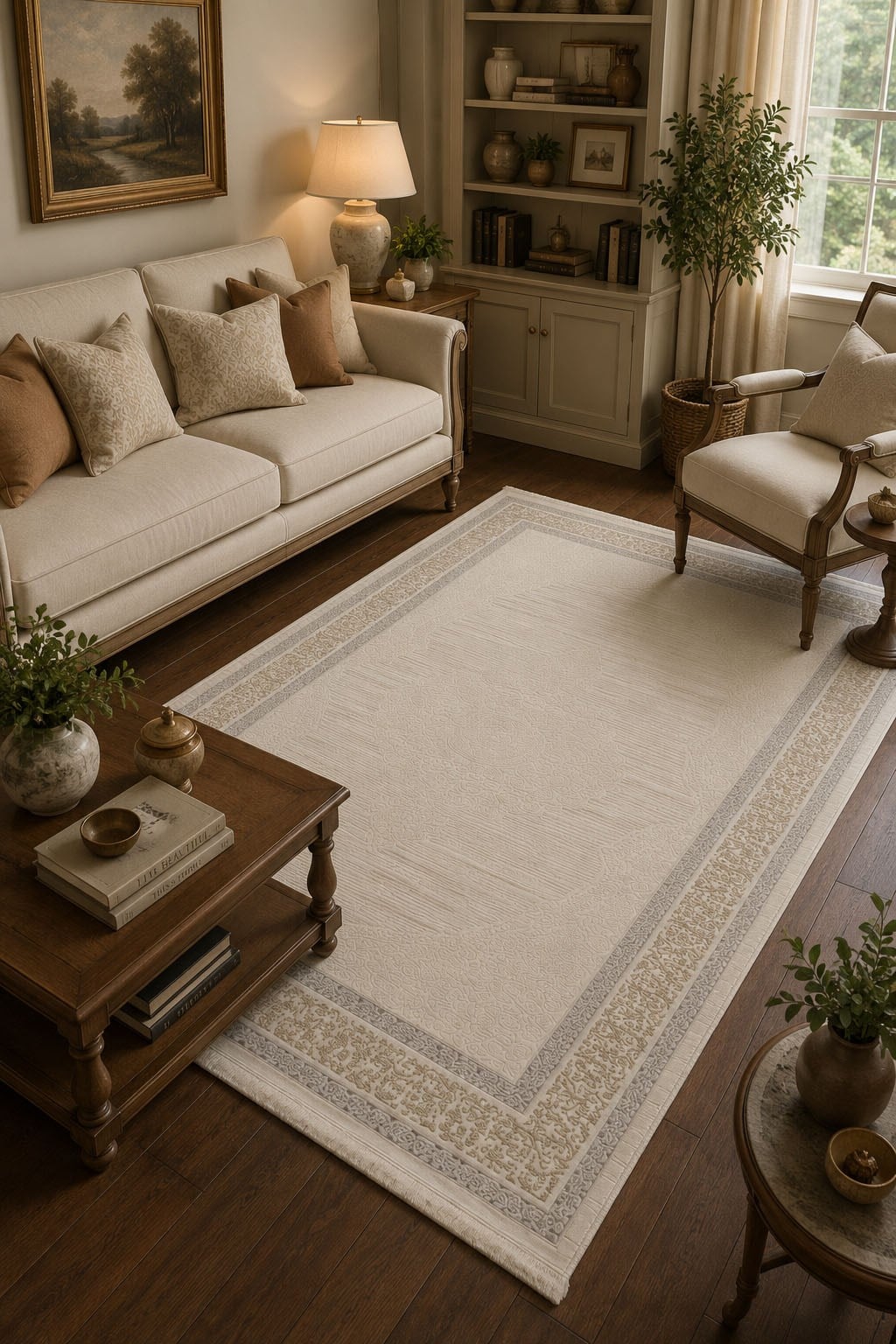
Emergency Intervention: Techniques for Rapid Stain Removal
The steps taken at the moment the stain occurs form the basis of cleaning success. Using the correct reagents without delay prevents the stain from setting into the fabric.
- Absorbent Application: Immediately absorb excess liquid by lightly pressing the stain with a dry, white cloth. Avoid rubbing.
- Neutralizing Solutions: Wine stains generally contain protein and pigment. Neutralizing cleaners specifically formulated for such stains break down the chemical structure of the stain, allowing it to disperse.
- Cold Water Application: If possible, applying cold water to the stain helps prevent protein-based contaminants from spreading further. Using hot water can increase the risk of damage to the fabric.
The goal in this initial stage is to prevent the stain from penetrating deeply and to remove surface residues.
15 Different Application Methods
Each stain type requires a different approach. Here are staged cleaning strategies for wine stains:
Surface Cleaning and Pre-treatment
This stage aims to remove surface dirt without damaging the fabric fibers of the stain.
- Brushing Technique: Gently brush the area with a soft-bristled brush to remove loose particles on the surface.
- Steam Application: High-pressure steam is effective for loosening dirt trapped between the fibers and allowing cleaning agents to reach deeper layers.
Chemical and Mechanical Solutions
Move on to stronger solutions for more stubborn stains.
- Enzymatic Cleaners: These products are specially designed to break down organic contaminants and are very successful in protein-based stains like wine.
- Support with Dry Cleaning: Drying the area thoroughly before adequate moisture is applied prevents unwanted chemical reactions.
Technical and Protective Properties in Carpet Care
Technical properties used after stain removal are critical for the carpet's long-term durability. These details must be considered in corporate projects and hotel standards.
The following technical requirements should be considered in carpet selection or maintenance processes:
- Antistatic Properties: Carpets that reduce static electricity, especially in high-traffic areas, minimize the adhesion of dust and dirt.
- Flame Retardancy: Due to safety standards, the risk of the materials used spreading fire must be low.
- Acoustic Performance: Carpets that provide sound insulation in hotel and office environments increase comfort while also providing noise absorption.
The fact that protective sprays applied after cleaning also support these technical requirements maintains the value of the investment.
Corporate Purchasing and Quantity Strategies
Cost-effectiveness is essential when purchasing carpets for large-scale projects or hotel chains. Wholesale strategies optimize your budget and strengthen your supply chain.
The following logic should be applied in purchasing processes:
- Piece-Based Discount Structure: A direct price reduction should be applied to purchases that exceed a certain minimum quantity threshold.
- Quantity Flexibility: To account for potential project changes, flexible pricing options should be offered for requests outside of standard quantities.
- Quality and Volume Balance: More attractive unit prices should be offered for bulk purchases of high-performance products (e.g., high stain resistance).
The right supplier selection reduces cleaning costs and ensures long-term savings by extending the life of the carpets.


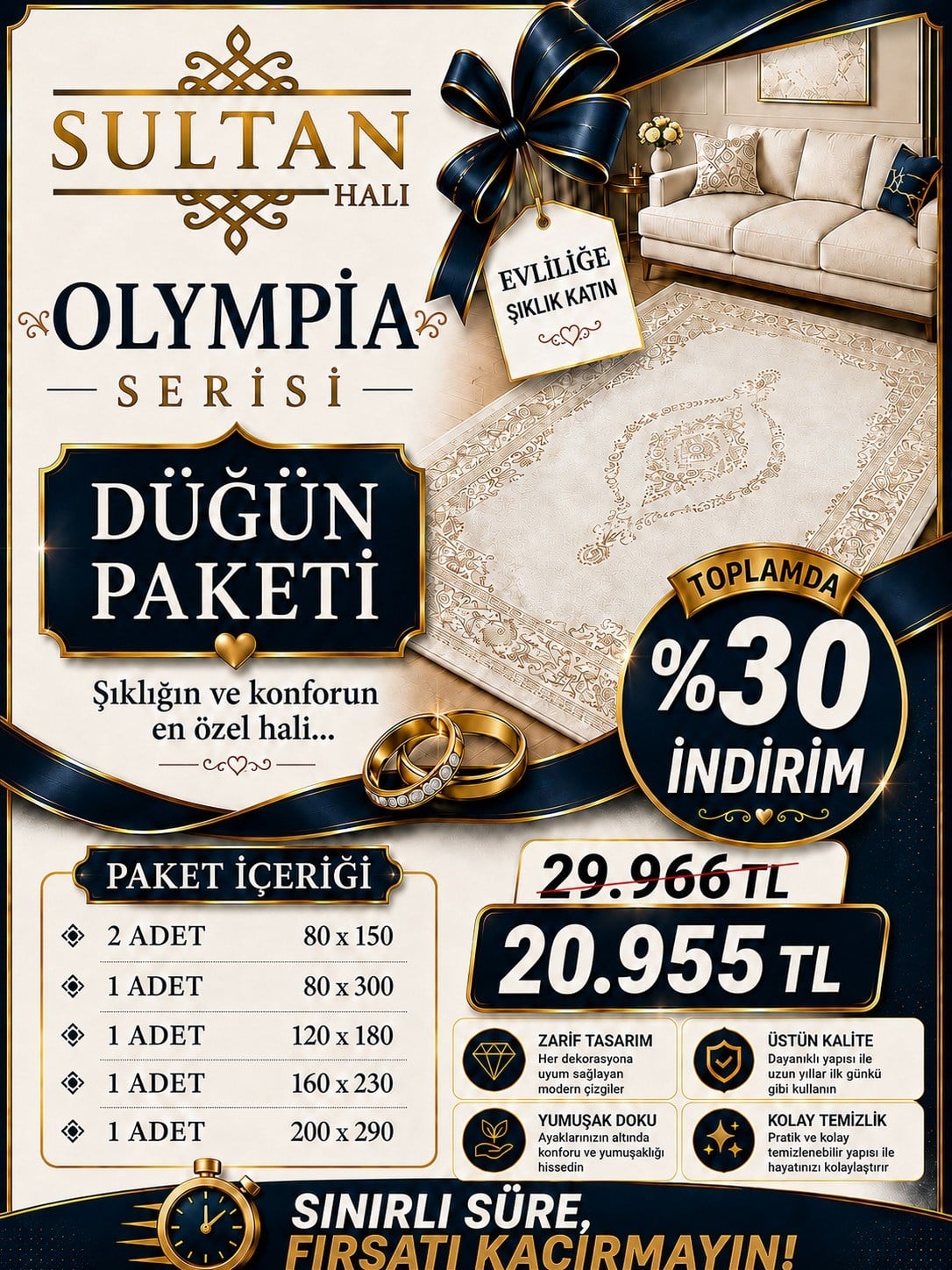
Sultan Rugs
Follow us on social media for the latest collections, special discounts, and decoration ideas.