
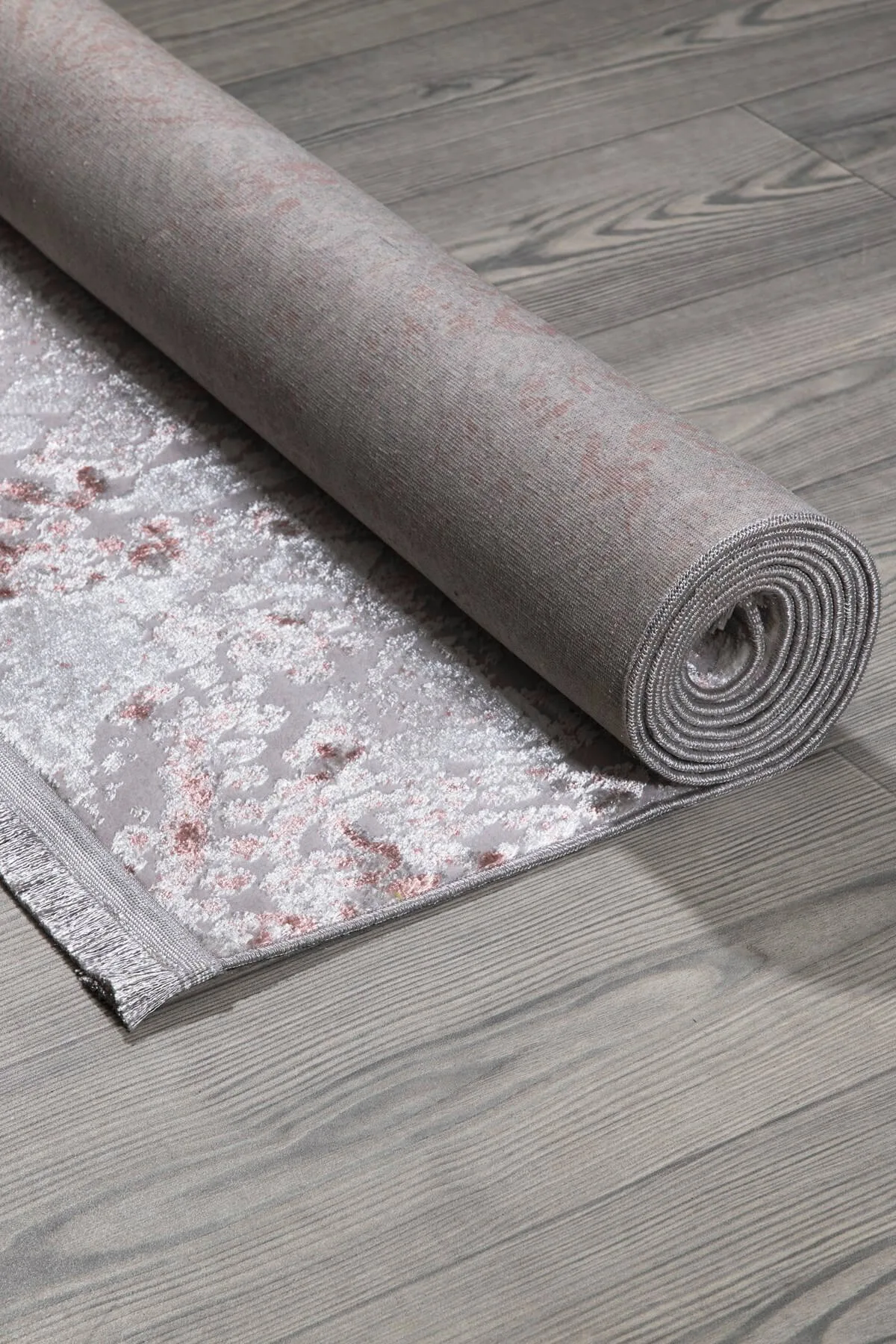
Carpets are exposed to various pollutants over time due to heavy traffic and daily life. Ink stains encountered, especially in offices, hotels, and high-density commercial areas, are both aesthetically displeasing and shorten the life of the carpet. Quick and correct intervention is the key to preventing the spread of such damage and preserving your investment's value.

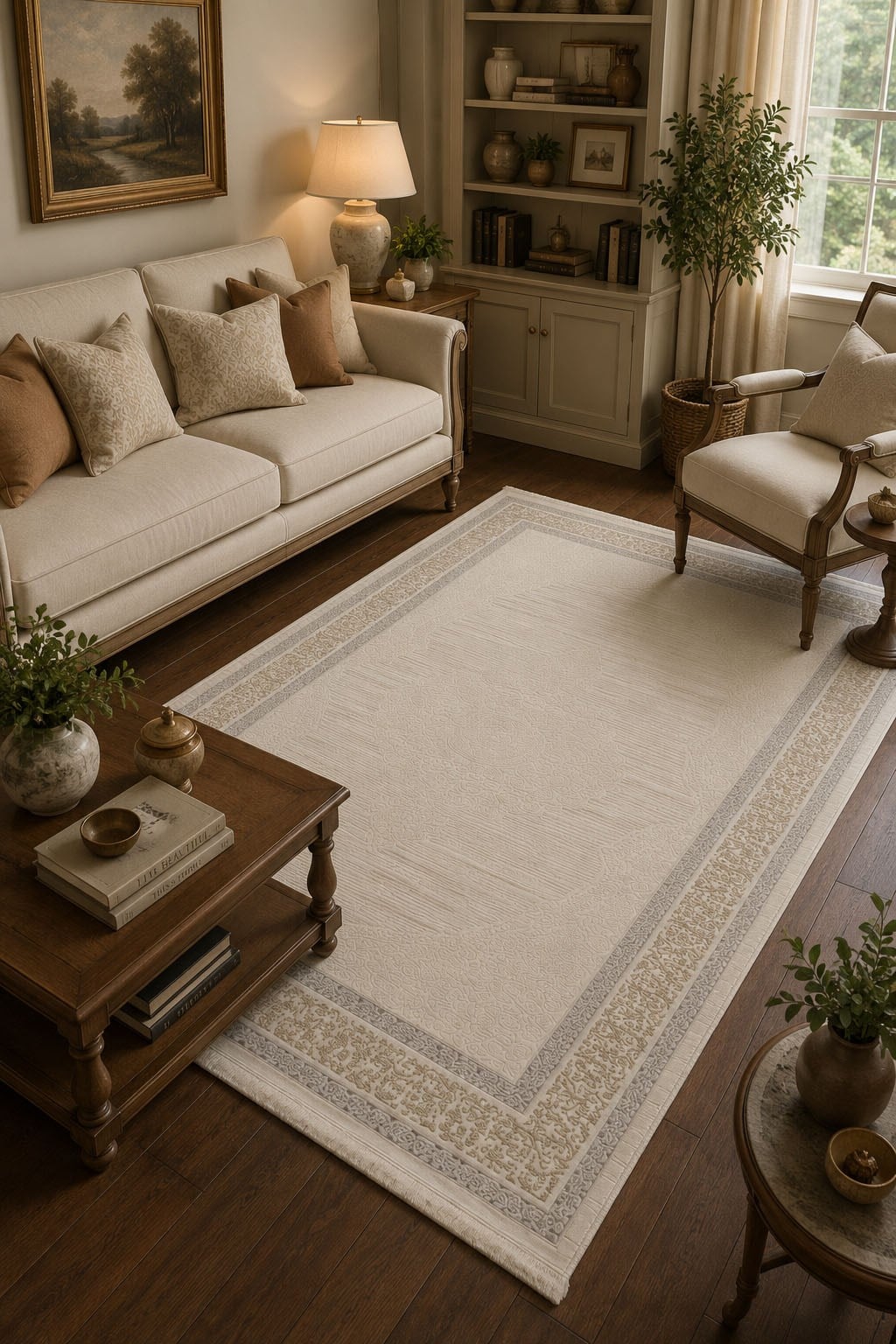
This content is prepared to offer practical solutions that professional businesses and project managers can apply in urgent situations. Ink stains generally penetrate the fabric fibers, so the choice of the correct solvent and application technique is critical. Below, you can review a quick intervention method of up to 20 methods classified by stain type, along with long-term protection strategies.
Emergency Intervention Protocols: Immediate Impact
Time is the biggest enemy when an ink stain occurs. The first step is to stop the spread of the stain and begin cleaning as quickly as possible. These protocols aim for a fast response to different types of ink.
- Cold Water Application: Apply cold water from the outside to the inside of the stain to prevent it from deepening.
- Use of Absorbent Material: Apply the cleaning solution (e.g., alcohol-based or special detergents) directly onto the stain to bring the ink to the surface.
- Gentle Brushing Technique: Use a soft-bristled brush to define the stain boundaries and penetrate the solution without damaging the fabric fibers.
- Dry Absorbent Use: After the stain dries, remove remaining moisture using compressed air or special dry absorbers.
- Chemical Solvent Selection: Preference should be given to products suitable for the chemical structure of the ink (e.g., alcohol-based solvents).
These basic steps minimize residue left by the stain before a major cleaning and prepare the ground for professional cleaning.
Stain Type Specific Solution Strategies
Ink variety (water-based, oil-based, gel-based) creates different cleaning requirements. Adopting a specific approach for each stain type is important to preserve the carpet's original texture.
For Water-Based Inks: These types of stains are generally easier to dissolve. Gentle washing with cold water and mild detergent is often sufficient. Excessive rubbing should be avoided during application.
For Oil-Based or Permanent Inks: Special solvents are required for these types of stains. Special oil removers or substances like isopropyl alcohol help separate the ink from the fabric fibers. Testing in a small area is mandatory at this stage.
Long-Term Carpet Care and Protection
After emergency cleaning, regular maintenance protocols are vital for the carpet's long life. Consistency in corporate environments minimizes stain formation and preserves your carpet's appearance as if it were new.
- Regular Vacuuming: Deep vacuuming weekly or every two weeks removes surface dust and small debris particles.
- Moisture Control: In areas with humid environments, the effectiveness of ventilation systems must be checked to ensure the carpet is ventilated and excessive moisture is prevented.
- Fabric Protective Sprays: In high-traffic areas, special protective sprays can be applied to increase the fabric's resistance to staining. These products play a role in preventing ink from penetrating the fabric.
Technical Performance and Corporate Requirements
In corporate projects, carpet selection requires not only aesthetics but also technical durability. The technical specifications that determine a carpet's performance are as follows:
Antistatic Properties: Especially in office environments, reducing static electricity prevents dust and small particles from sticking to the fabric. This is important for both ease of cleaning and material lifespan.
Flame Retardancy (Fire Resistance): Due to safety standards in corporate buildings, carpets must be resistant to fire. This feature is a critical element in emergency management.
Acoustic Performance: Especially in meeting rooms and common work areas, the sound insulation (acoustic) property of the carpet absorbs ambient noise, providing professional functionality. These technical features directly affect the functionality of the investment.
Corporate Procurement Strategies and Cost Management
For companies making B2B purchases, the carpet purchasing process must encompass not only the initial cost but also operating expenses (OPEX) and long-term maintenance costs. The correct selection of quantity and quality ensures budget optimization.
Quantity and Unit Discounts: In high-volume purchases, suppliers often offer tiered discount rates based on quantity or volume. Clarifying your project's total need allows you to benefit from bulk purchasing advantages.
Durability and Cost Balance: Instead of choosing the cheapest product in the initial investment, opting for products with high durability (high wear resistance) but a good cost/performance ratio is more profitable in the long run. A quality carpet eliminates the need for frequent replacement, reducing the total cost of ownership.
Choosing carpets with the right technical specifications increases resistance to external factors like ink, minimizing maintenance costs. This holistic approach enables hotel and project managers to make the most correct decision in terms of both aesthetics and cost.

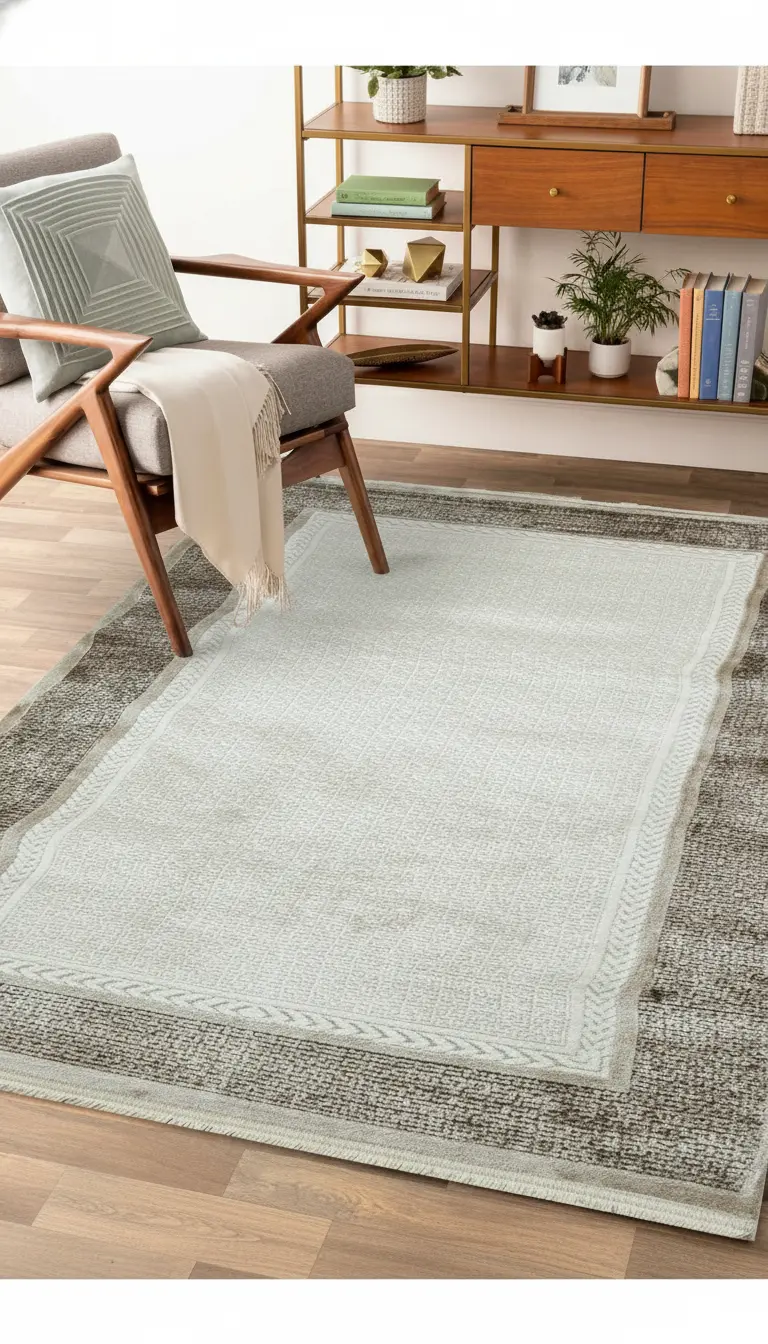

Sultan Rugs
Follow us on social media for the latest collections, special discounts, and decoration ideas.