
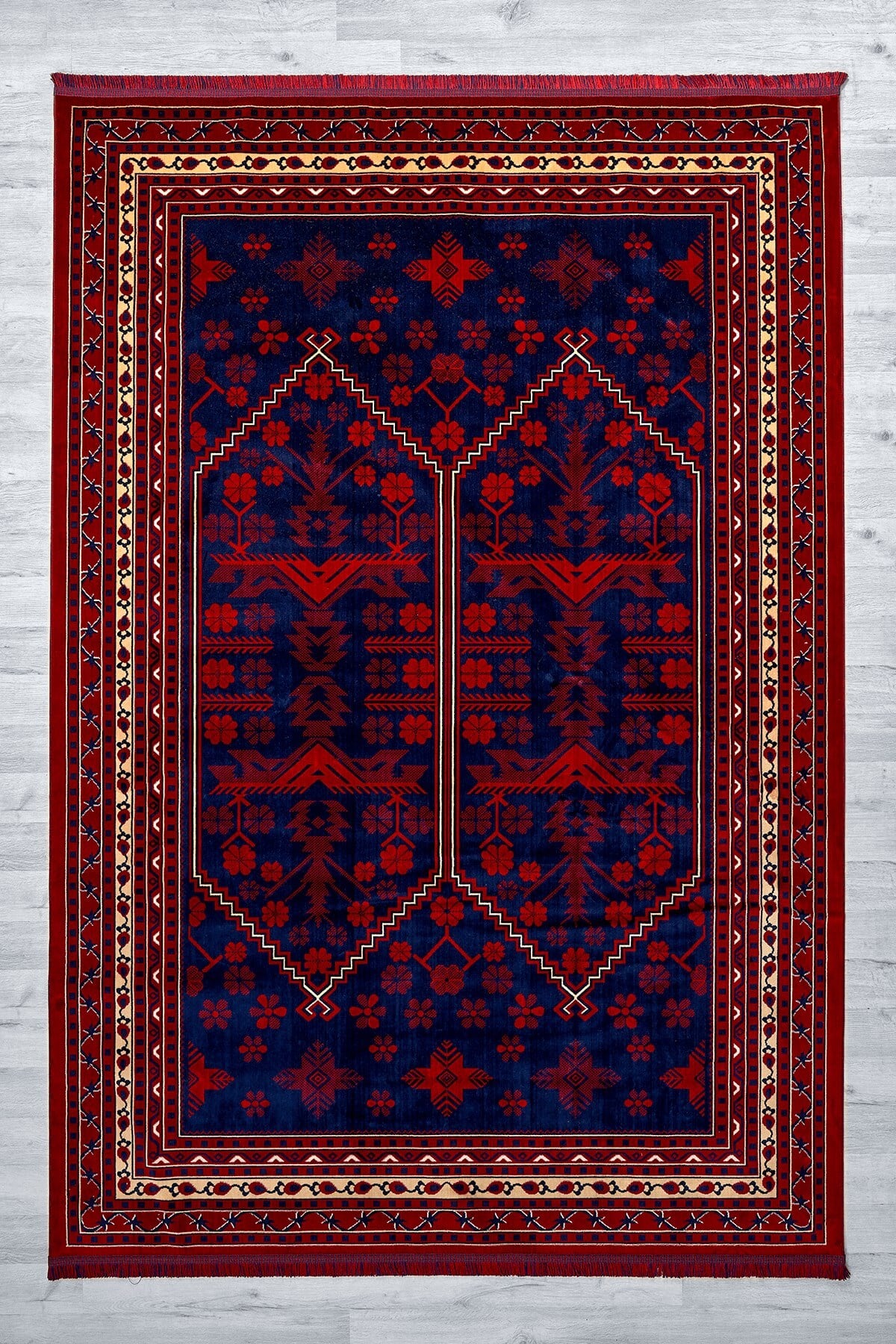
For hotel management, architecture offices, and corporate purchasing departments, carpet selection is not just a decoration choice but also an investment decision. The two main types commonly encountered in the market, hand-knotted and machine-made carpets, each have its own advantages, disadvantages, and technical specifications. When making this decision, it is essential to consider operational factors such as durability, ease of maintenance, and technical performance, in addition to aesthetic appearance.

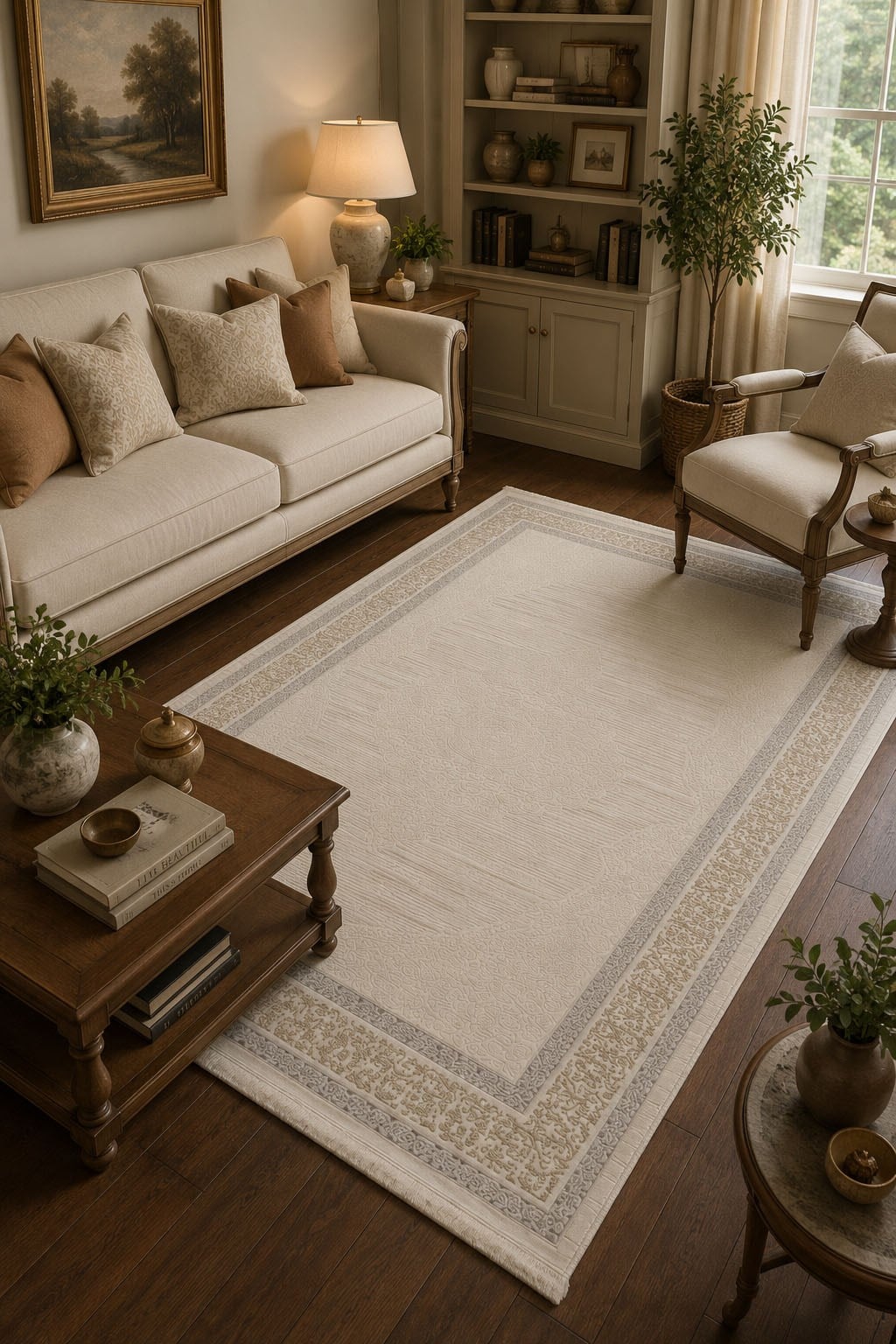
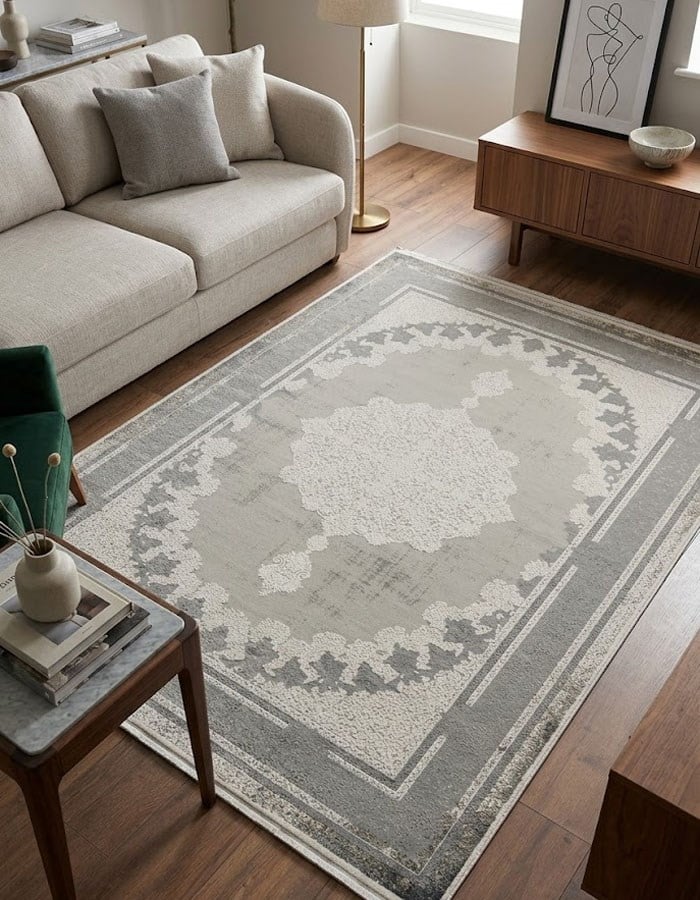
In this comprehensive guide, we will examine the 8 fundamental differences between these two carpet types in detail to help you decide which application is more suitable for your company's needs.
Key Differences Between Hand-Knotted and Machine-Made Carpets
Production Process and Quality Perception
Hand-knotted carpets are produced using traditional methods, by hand. Every knot and thread connection gives the product a unique texture and depth. This process creates a high perception of quality and is ideal for luxury hotels and special architectural projects.
Machine-made carpets, on the other hand, are prepared through mass production using industrial machinery. This method prioritizes consistency, speed, and cost-effectiveness. They are preferred for commercial facilities that require quick coverage of large areas.
Texture and Visual Richness
Hand-knotted products have a more organic, rich texture due to the natural flow of the threads. This adds warmth and a personal touch to the spaces. It is a preferred choice in hotels that offer a comfort-focused customer experience.
Machine-made carpets allow for geometric patterns to be much more precise and repeatable. They are ideal for offices or standardized areas seeking pattern consistency.
Technical Performance and Durability Comparison
Fire Safety and Antistatic Properties
Safety is the most important priority in corporate and commercial buildings. Quality hand-knotted products generally offer a high level of flame retardancy performance due to the compliance of the materials used with standards. This is important, especially for projects with intensive legal requirements.
These standards can also be met in machine-made carpets, but the material composition and finishing technique determine the final safety performance. Always check the relevant certifications during the purchasing stage.
Acoustic Performance
The acoustic properties of carpets are vital for office environments and hotel lobbies. Hand-knotted carpets can offer superior sound absorption capacity due to the natural structure of the fibers, thus maintaining a calmer atmosphere in the space.
Machine-made carpets can also have acoustic performance, but for high-density and specific acoustic requirements, hand-knotted options can sometimes offer more effective solutions.
Ease of Cleaning
Ease of maintenance directly affects operating costs. Machine-made carpets generally have flatter surfaces, making them easier to maintain with standard professional cleaning methods.
Due to the special texture of hand-knotted carpets, deep and specialized cleaning techniques may be required. This necessitates investing in regular professional maintenance.
Cost Structure and Investment Analysis
In terms of initial costs, machine-made carpets are generally offered at more competitive prices. Due to the advantage of mass production, the unit cost is lower, which is attractive for projects with budget constraints.
However, when conducting an investment analysis, the longevity and superior material quality of hand-knotted products can reduce the life cycle cost (LCC). A high-quality hand-knotted carpet may be more economical in the long run with less need for replacement.
Corporate Purchasing Strategies
One of the most important factors in B2B purchases is volume. Volume-based discounts or metrage-based special pricing structures are offered for corporate clients and hotel chains. Large volume orders allow you to obtain more advantageous discount rates from suppliers.
In your purchasing strategy, calculate not just the unit price but also the total cost of ownership (TCO). Optimize your budget and achieve the best value by using tiered discount structures based on volume increases.
Choosing the Right Option Based on Application
Hotel Lobbies and VIP Areas
If luxury perception, comfort, and a special atmosphere are priorities, hand-knotted carpets should be chosen. These areas offer a high-level experience to guests and enhance the character of the space.
Offices and Standard Areas
Machine-made carpets offer a more practical and cost-effective solution for large office spaces, high-traffic corridors, or standard commercial areas. Speed and consistency are priorities in these types of projects.
Architectural Projects
In architectural projects requiring custom design, hand-knotted carpets offer unique textural solutions that best reflect the designer's vision.
Machine-made carpets are preferred in large-scale construction projects that require quickly covering large areas and creating a standard floor.
Maintenance and Longevity
The maintenance requirements for the two types of carpets are different. Machine-made carpets generally offer easier stain removal and surface cleaning. They provide flexibility in routine cleaning processes.
For hand-knotted carpets, adherence to special cleaning protocols is important. Proper maintenance is the key to preserving the product's aesthetic value and durability. Regular and correct maintenance extends the life of your handcrafted investment and keeps the quality of the space consistently high.
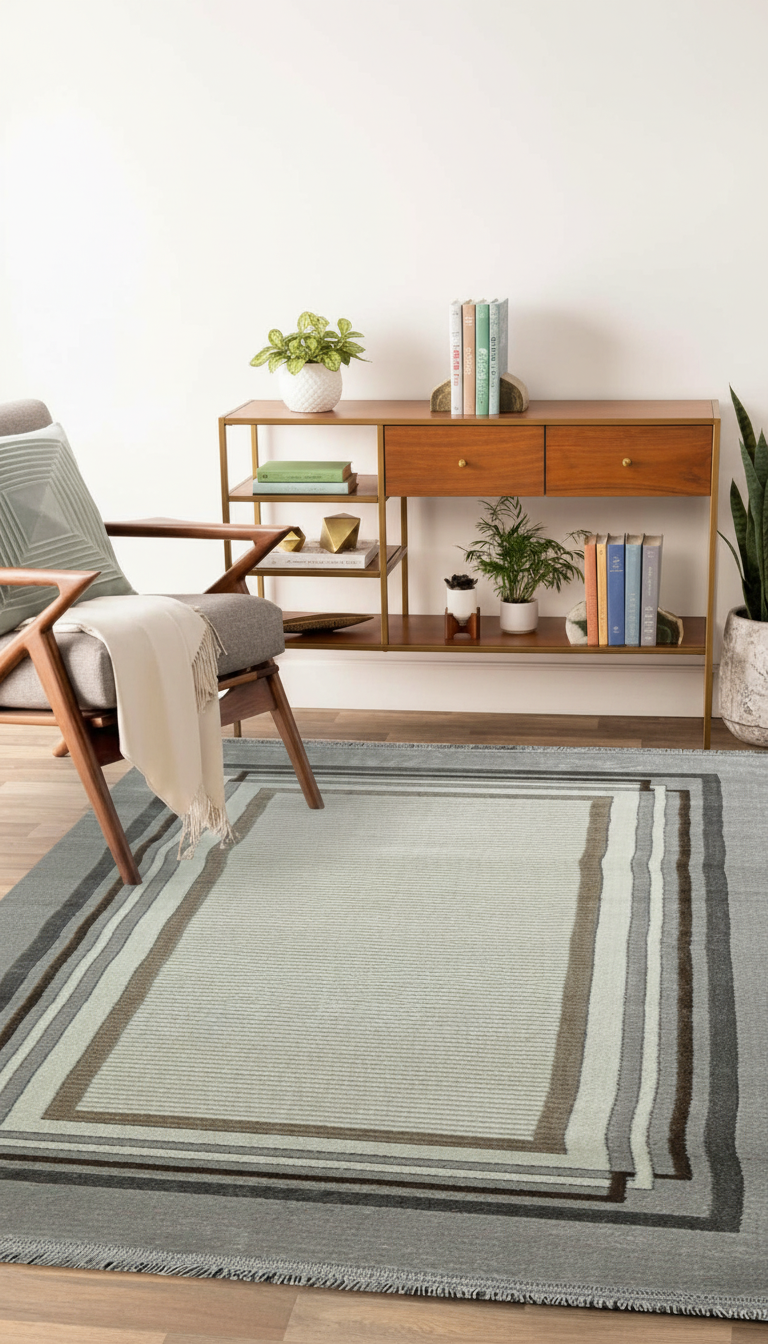

Sultan Rugs
Follow us on social media for the latest collections, special discounts, and decoration ideas.