
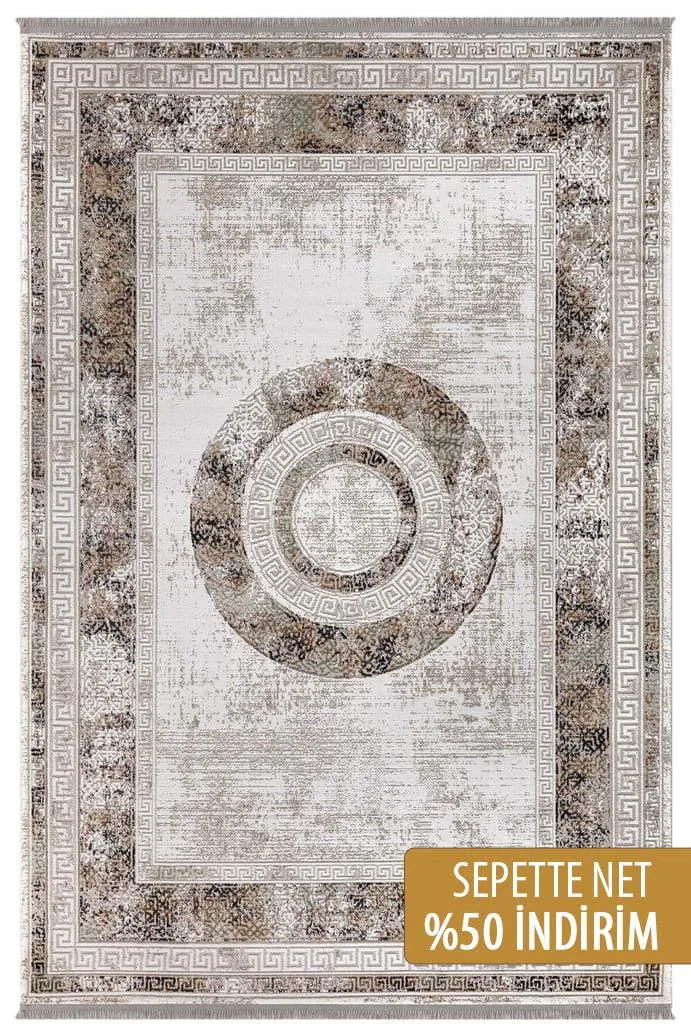
Second-hand vintage carpets offer unique aesthetic value and historical texture, capable of adding character to your projects. However, when evaluating these products for commercial use, technical performance, material quality, and longevity are critical, in addition to aesthetics. This guide covers the most important steps to take when acquiring used carpets for hotel managers, architectural firms, and corporate procurement departments.

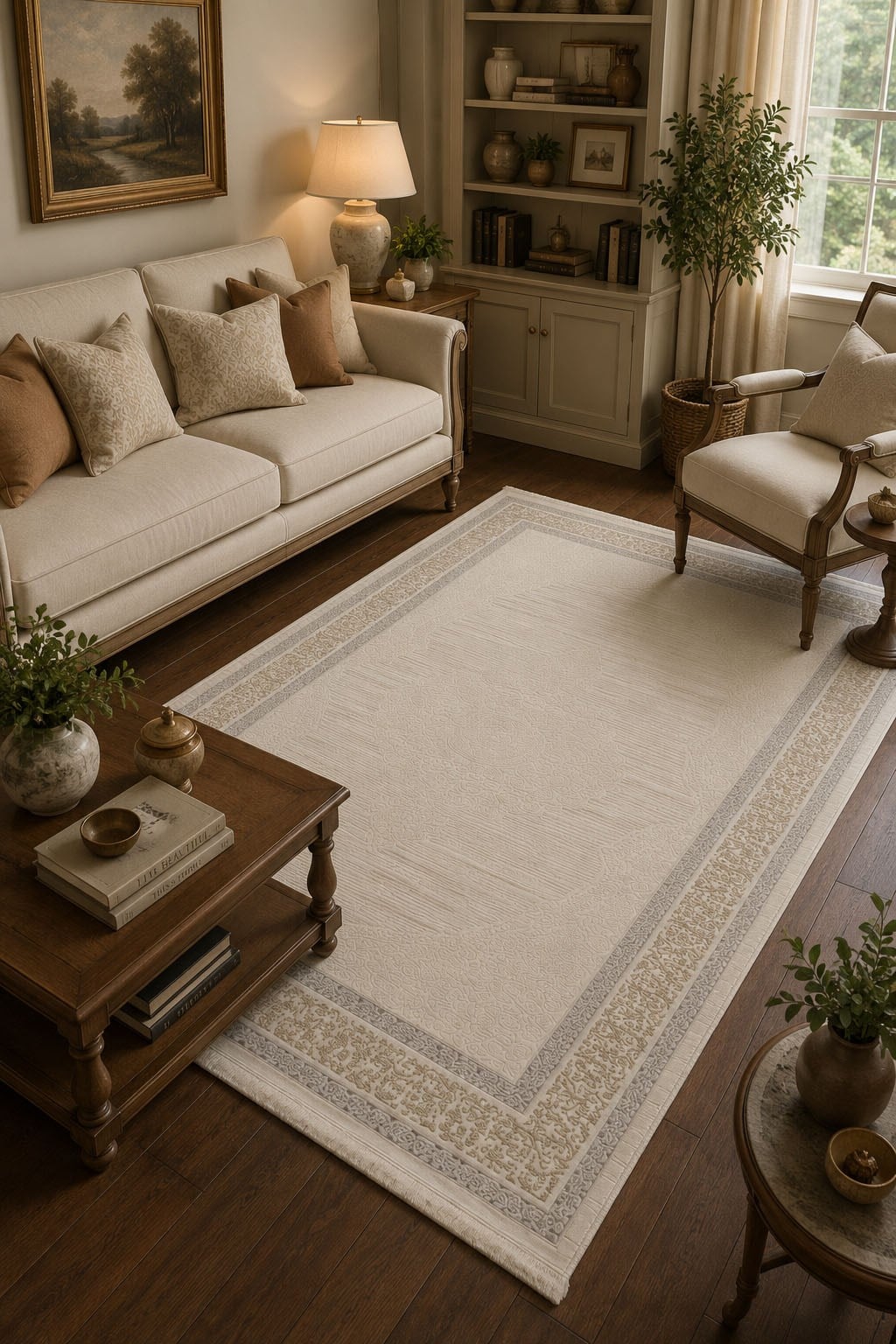
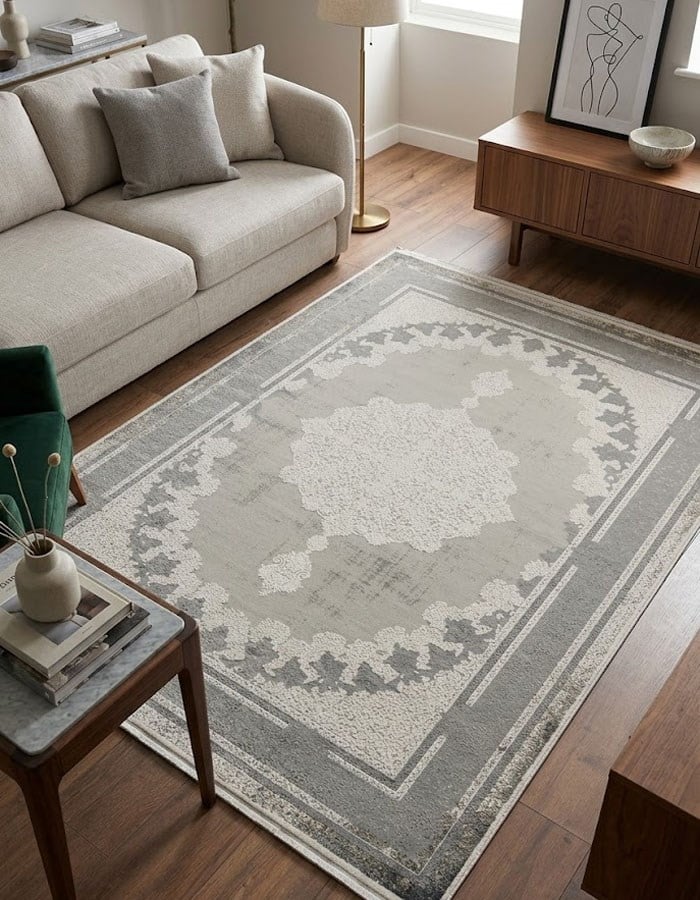
Visual and Structural Checks
The overall appearance, material texture, and structural integrity of a carpet should be assessed at first glance. These are the fundamental factors that determine the value of a vintage piece.
- Knot and Seam Inspection: Examine the knots that form the main structure of the carpet to see if they are loose, or if there are signs of wear or tearing. This check is vital in high-traffic areas.
- Color and Pattern Integrity: Carefully inspect for fading of colors, prevalence of stains, and any tears or abrasion in the pattern. While natural aging is acceptable in vintage pieces, structural damage must be avoided.
- Material Density: Feel the texture of the carpet to assess the original density and thickness of the material. Low-density or very thin threads may not be suitable for commercial use.
Condition of Accessories
Check the general condition of border strips, threads, and any accompanying accessories that come with the carpet. The compatibility and lack of damage to these items are factors that affect the total investment value.
Technical Specifications and Safety Standards
Safety and operational efficiency are priorities in corporate projects. When purchasing second-hand items, it is essential to research the carpet's technical requirements and fire safety standards.
- Flame Resistance (Fire Safety): Verify if the carpet complies with the fire classification required by the space. These certifications are mandatory, especially for high-density areas.
- Anti-Static Properties: Investigate whether the carpet has properties to prevent static electricity buildup. This is important, especially in sensitive flooring or specific industrial environments.
- Acoustic Performance: Obtain information on the carpet's sound insulation and acoustic absorption capacity. Confirm if it possesses the desired sound dampening features for hotel rooms or office areas.
- Ease of Cleaning and Maintenance: The material's stain resistance and durability against professional cleaning processes are critical points. Resistance to specific chemicals is also important.
Determining Vintage Quality and Condition Assessment
The fact that a carpet is 'old' does not automatically mean it is 'worthless'; rather, when correctly assessed, it holds unique value. However, to maximize this value, you need to understand the past usage conditions.
Try to find out the source or previous purpose of the carpet. For example, being used in a historic building may indicate high material quality, while being only used personally may carry different risks. A professional inspection will reveal hidden wear and potential long-term issues.
If there are clues about the material's original production year (labels or texture features), document them. These documents will serve as references for potential technical issues in the future.
Corporate Procurement Strategies
For corporate clients making bulk purchases, cost-effectiveness and volume-based discounts are important. The pricing strategy for second-hand carpet procurement should be shaped by your purchasing volume.
- Quantity and Meterage Discounts: Suppliers often apply significant discounts on a per-unit price for large volumes (e.g., over 50 square meters). Request pricing offers based on net quantity or meterage before making a purchase.
- Inventory Management and Variation: Create a flexible inventory management strategy for different vintage styles from various periods. This allows you to increase aesthetic variety in your projects while maintaining cost control.
- Risk Sharing: For large purchases, establishing a clear risk-sharing agreement with the supplier regarding product quality standards and damage status is important for long-term partnerships.

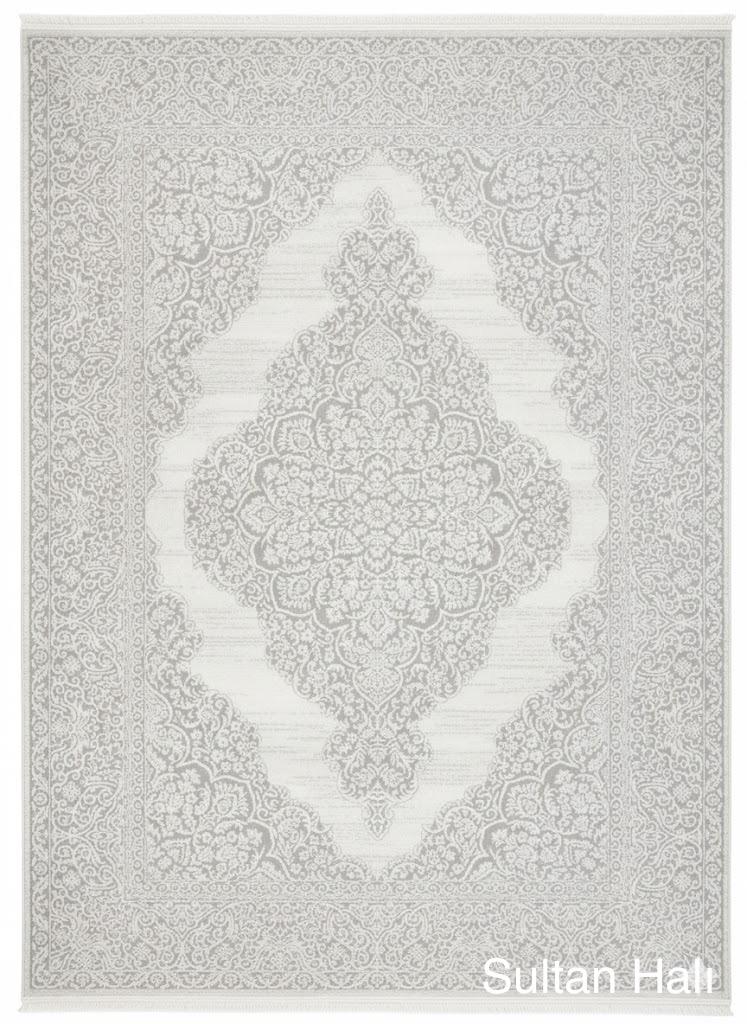
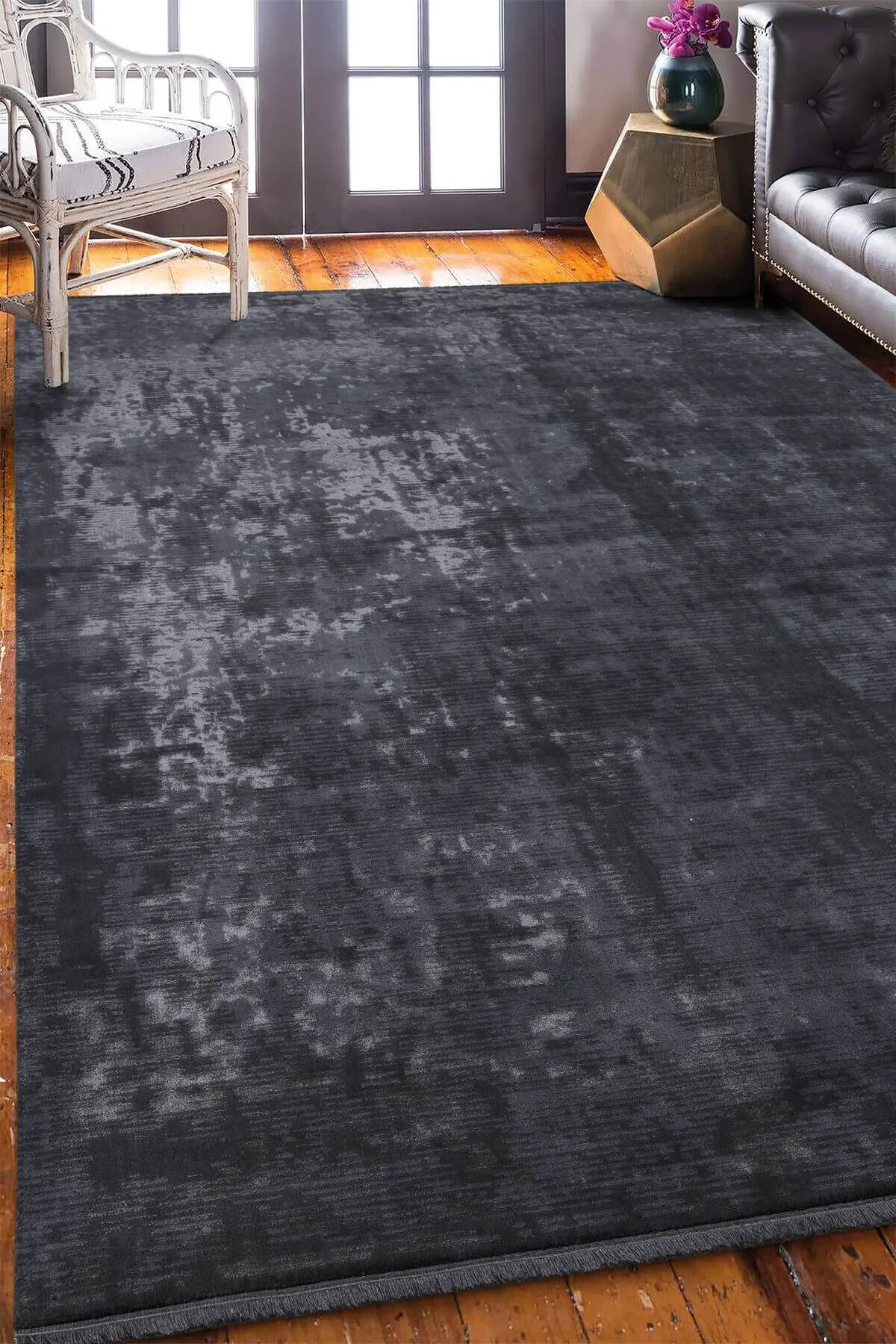

Sultan Rugs
Follow us on social media for the latest collections, special discounts, and decoration ideas.