
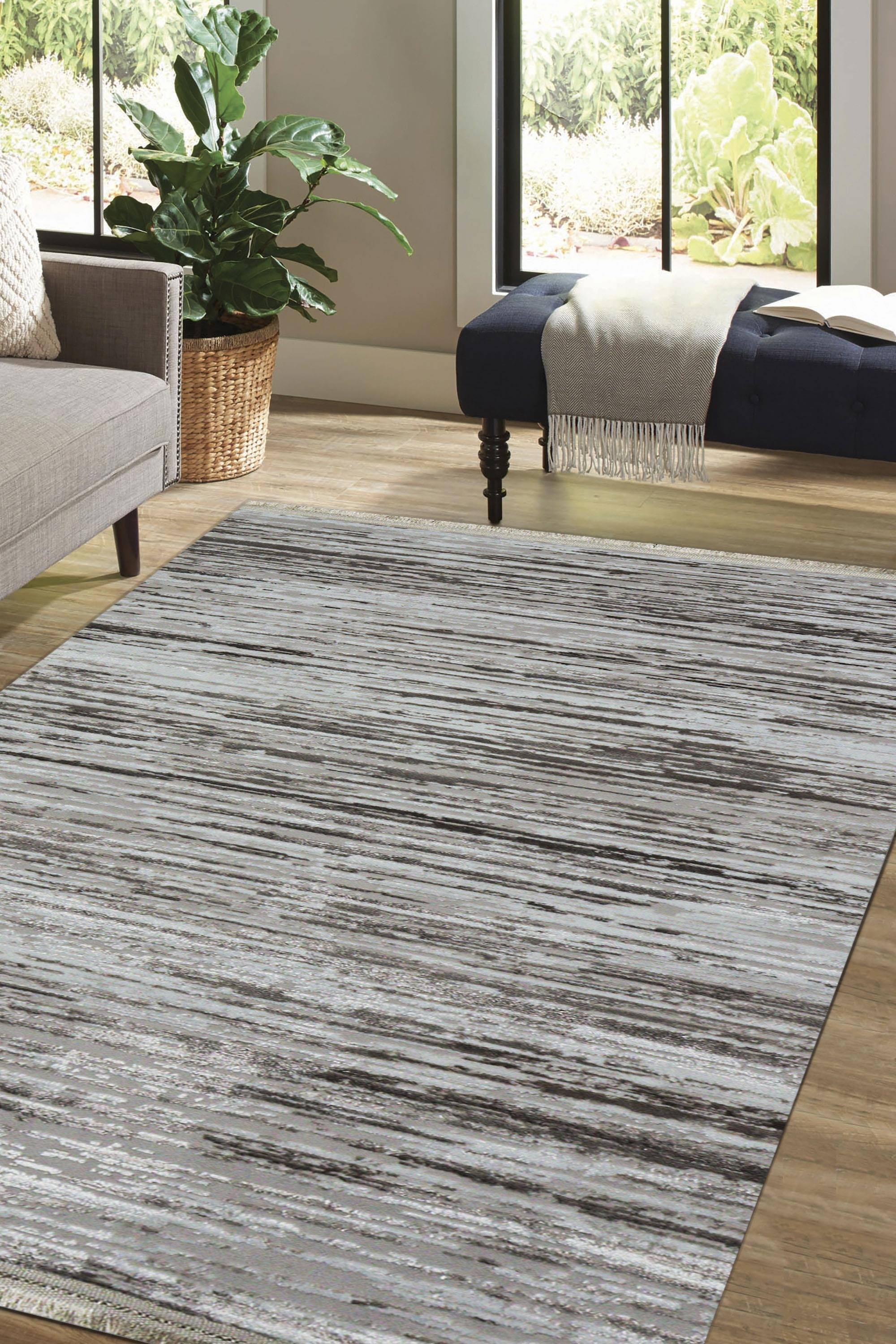
The success of a home office or project-based workspace heavily depends on selecting the right floor covering. Carpet size is not just an aesthetic element; it is a critical design decision impacting ergonomics, sound insulation, and overall workflow. Incorrect sizing can make a space feel cramped or fail to provide the desired functionality.
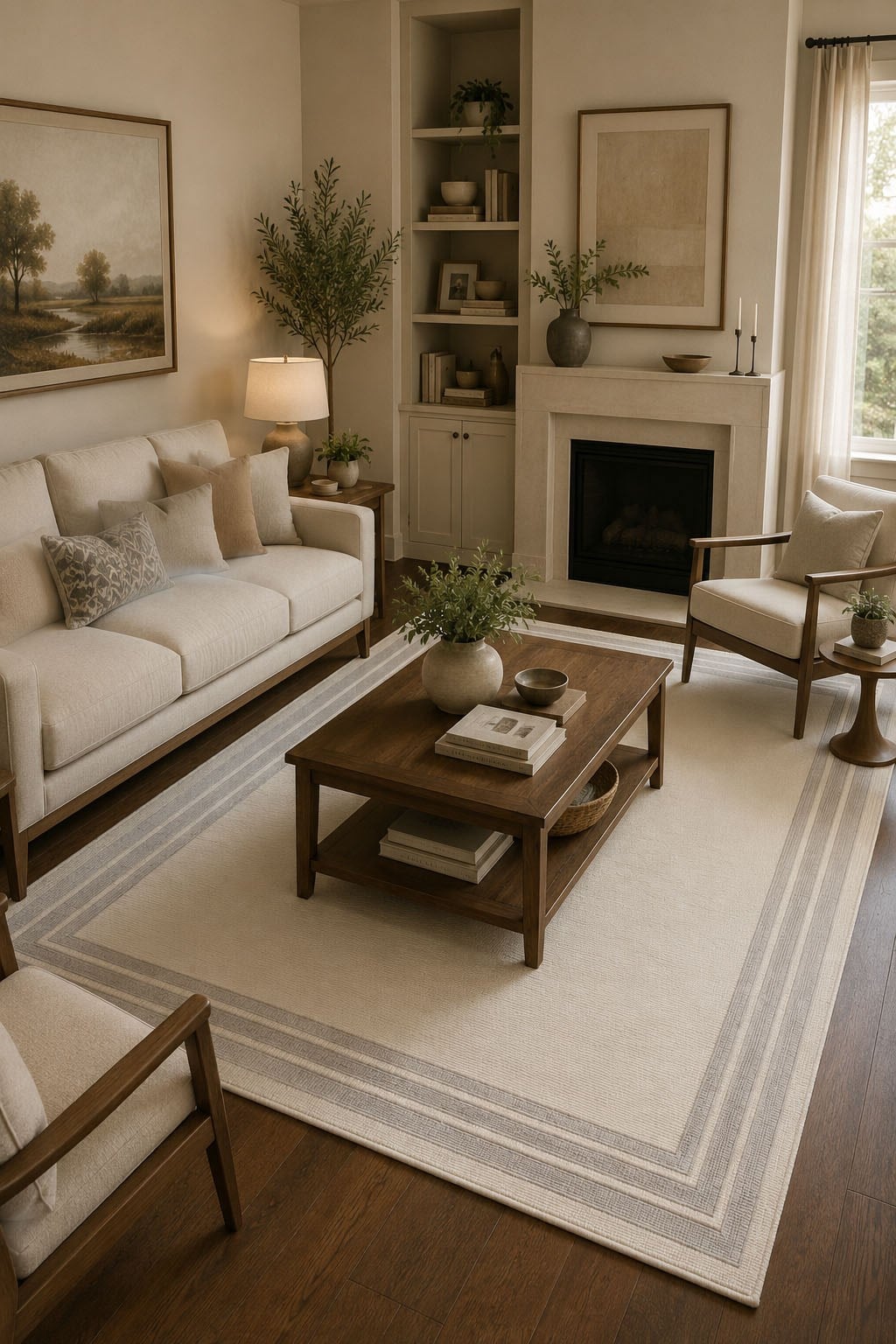
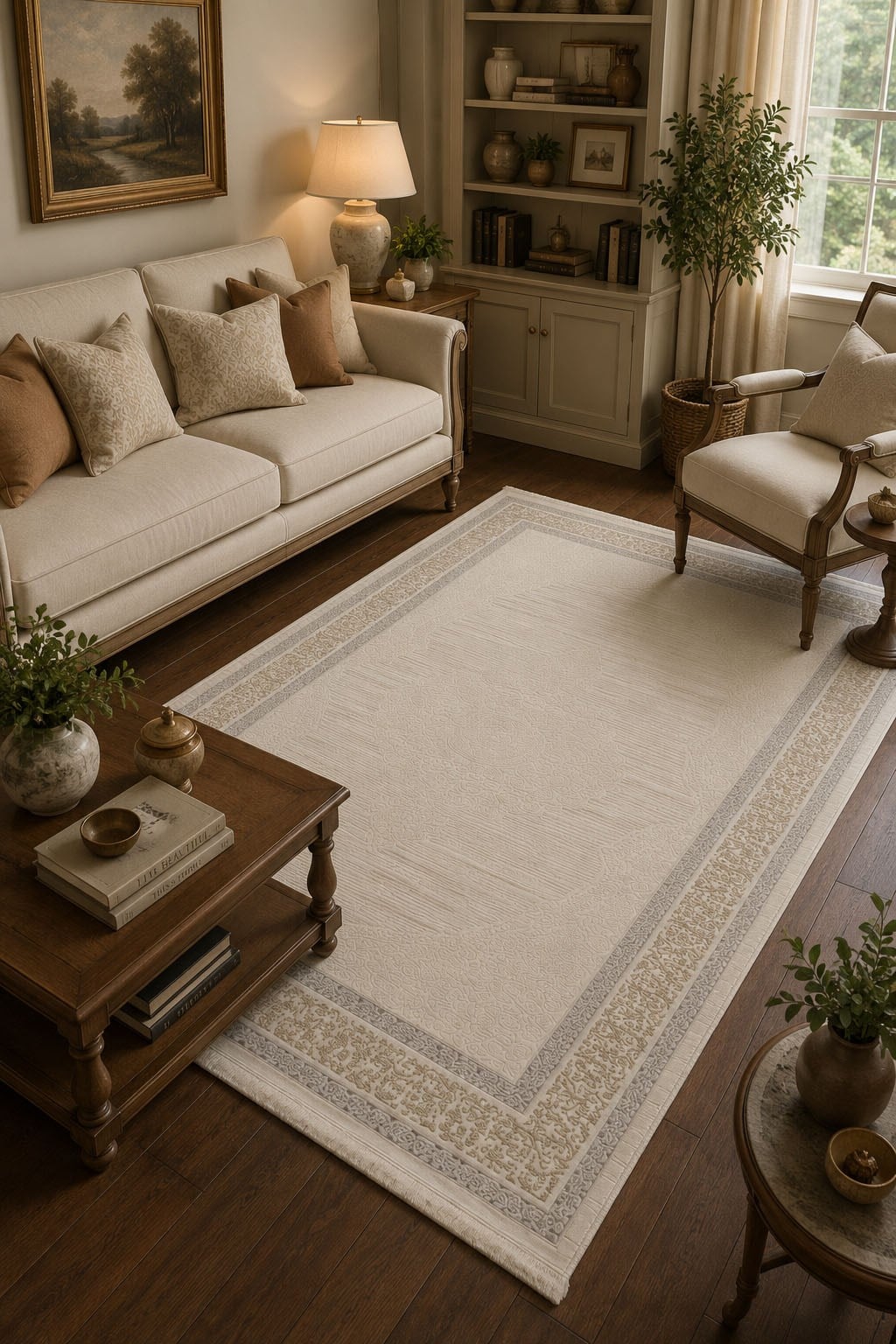
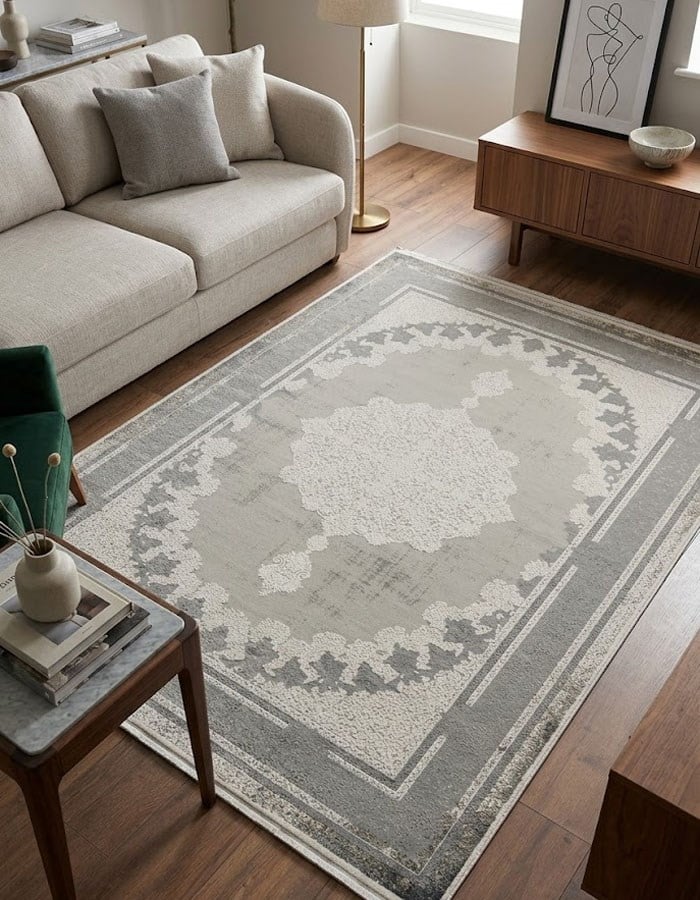
In this comprehensive guide, we examine the five essential golden rules and technical requirements you must apply when determining the home office carpet size, focusing on the needs of professional users ranging from hotel managers to architectural firms. The right choice will boost your work efficiency and enhance the overall atmosphere of the space.
Determining Size Based on Functional Area
Analyzing Workflow
Before determining carpet dimensions, clarifying the room's intended use is essential. If your office has multiple workstations (desks, cabinets, meeting areas), the carpet must be wide enough to comfortably accommodate these elements. Using a carpet that is too large in a small area can make the space feel cluttered, while a carpet that is too small fails to conceal disorganization.
Analyze the geometry of the space and the furniture layout in detail. Calculate the distance between the carpet edges and walls or key furniture to ensure both visual balance and unobstructed movement. Especially in long corridors or narrow rooms, it is important to select a carpet size that emphasizes the depth of the space.
Delineating Regional Usage Areas
In large offices, using carpets of different sizes to define functional zones instead of a single rug is a strategic approach. For example, a smaller rug can define an area around the main desk, while a larger patterned flooring choice might be preferred for a meeting or relaxation corner. This approach adds dynamism to the space while highlighting the unique function of each zone.
The Critical Role of Material and Technical Specifications
Since office environments are often high-traffic areas, the technical properties of the carpet are as important as its aesthetics. Especially in commercial and corporate projects, safety and durability take precedence. The following technical criteria must be given maximum attention when making a selection.
- Anti-Static Properties: In offices with electronic devices, preventing static electricity preserves equipment lifespan and improves user comfort. This feature is mandatory, especially for tech-intensive offices.
- Flame Retardancy (Fire Safety): According to safety standards, the material's tendency to spread fire must be low. In commercial areas, this is a fundamental safety requirement.
- Acoustic Performance: In open-plan office settings, sound insulation and echo control are vital for concentration. High-density or specially textured carpets provide sound absorption, making the working environment more peaceful.
- Ease of Maintenance: Due to high usage, the carpet must be stain-resistant and easy to clean. Ease of maintenance reduces long-term operating costs.
Durability and Maintenance Standards
In corporate acquisitions, the carpet must have high wear resistance (abrasion resistance). Yarn and weave structures designed to withstand heavy foot traffic should be preferred. Furthermore, simple cleaning procedures speed up regular maintenance processes and preserve a professional appearance.
Optimizing Aesthetics and Visual Impact
After determining the size, the carpet's color, texture, and pattern must harmonize with the overall corporate identity of the office. The color palette affects employees' mood, so calming tones (blue, green) or neutral colors that support focus may be preferred.
Pattern selection must be done carefully based on the area's size. Large patterns can create chaos in small and narrow areas, whereas larger-scale or minimalist patterns can be used in spacious areas to enhance a feeling of openness. The correct use of contrast and texture allows the carpet to become more than just a floor covering; it becomes a significant part of the space's design language.
Corporate Purchasing Strategies
In B2B procurement, understanding the discount structure based on meterage and quantity is vital for budget efficiency. Bulk purchases are always more advantageous for large projects.
Consider the following factors when determining your purchasing strategy:
- Bulk Purchase Discounts: Suppliers typically offer volume discounts once a certain meterage threshold is exceeded. Take advantage of these discounts by estimating your project's total carpet needs.
- Meterage Flexibility: To ensure flexibility against project changes, choose suppliers who offer flexible ordering options based on specific meterages. This minimizes unexpected measurement errors or revisions.
- Material Quality and Certification: Ensure that technical specifications (especially anti-static and flame retardancy certifications) are documented, not just the price. A higher quality product in the long run can be more advantageous than a lower initial cost.
In conclusion, selecting the home office carpet size requires balancing functionality, technical safety requirements, and aesthetic expectations. By applying these golden rules, you can make your workspace both efficient and visually perfect.

Sultan Rugs
Follow us on social media for the latest collections, special discounts, and decoration ideas.