
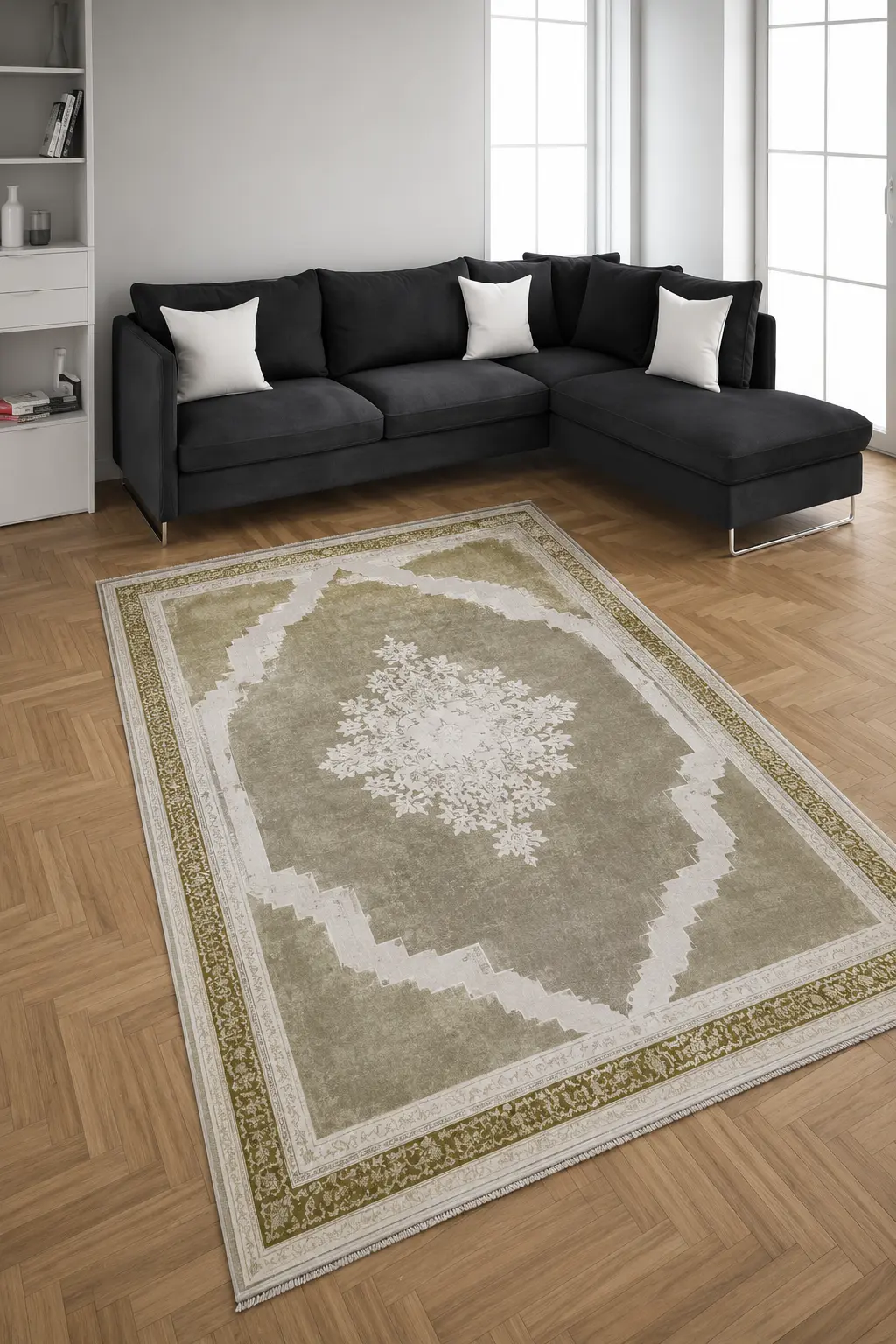
The contrast between baroque aesthetics and minimalist design can be almost jarring; however, when used correctly, these two styles can harmonize beautifully. This article provides eight suggestions for hotel managers, architects, and project managers on how to integrate Baroque elements into minimalist decor.
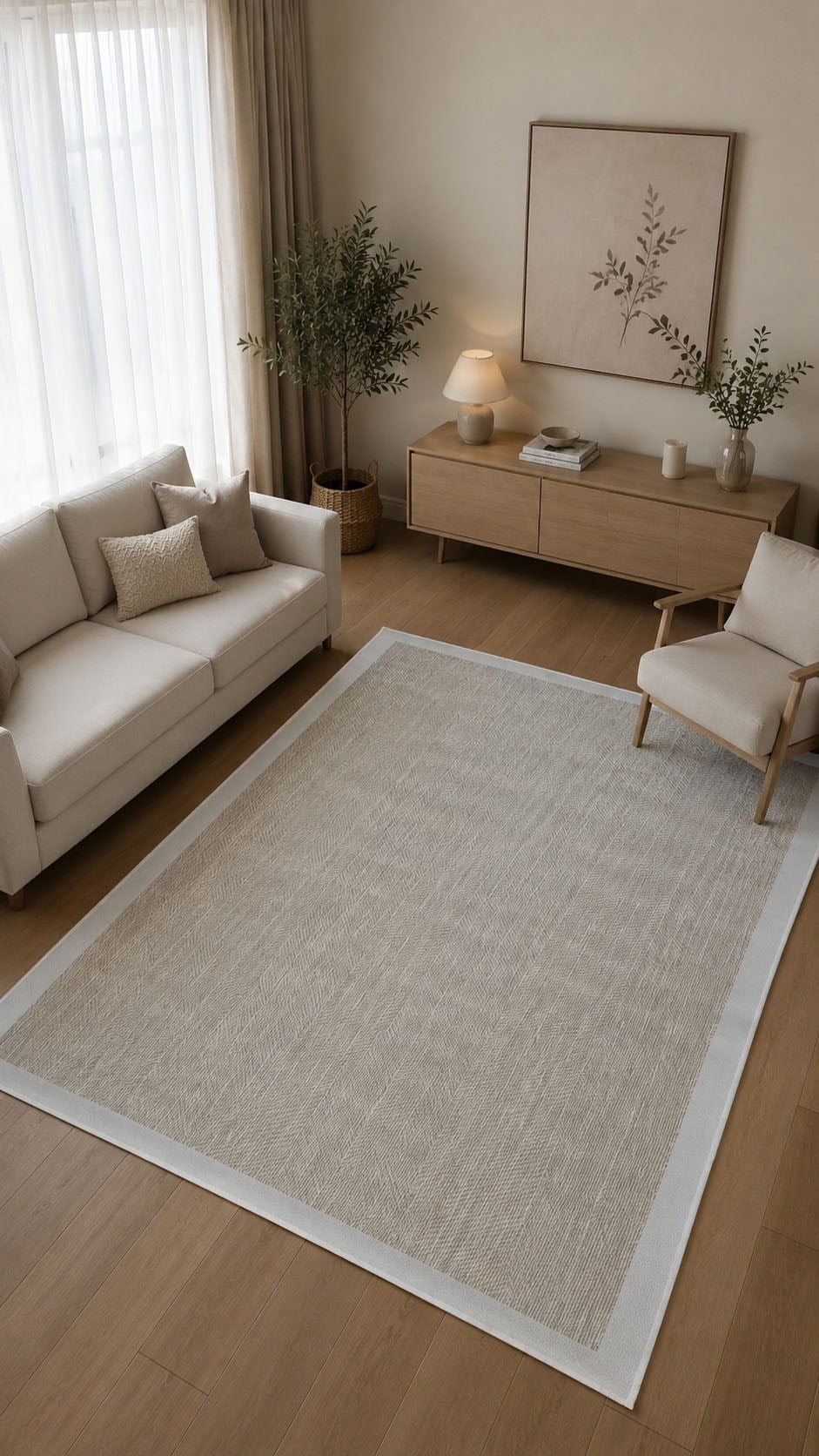
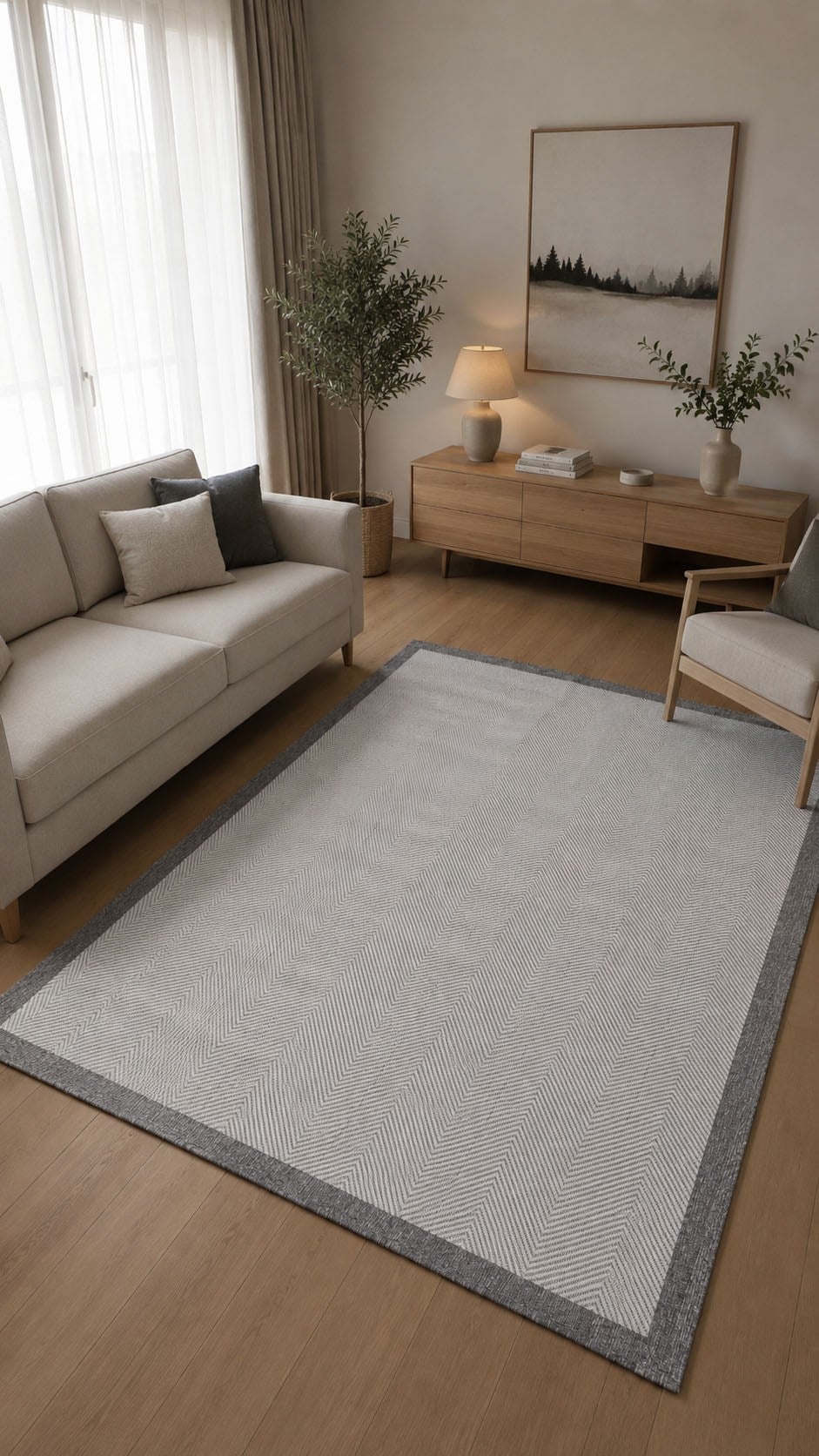
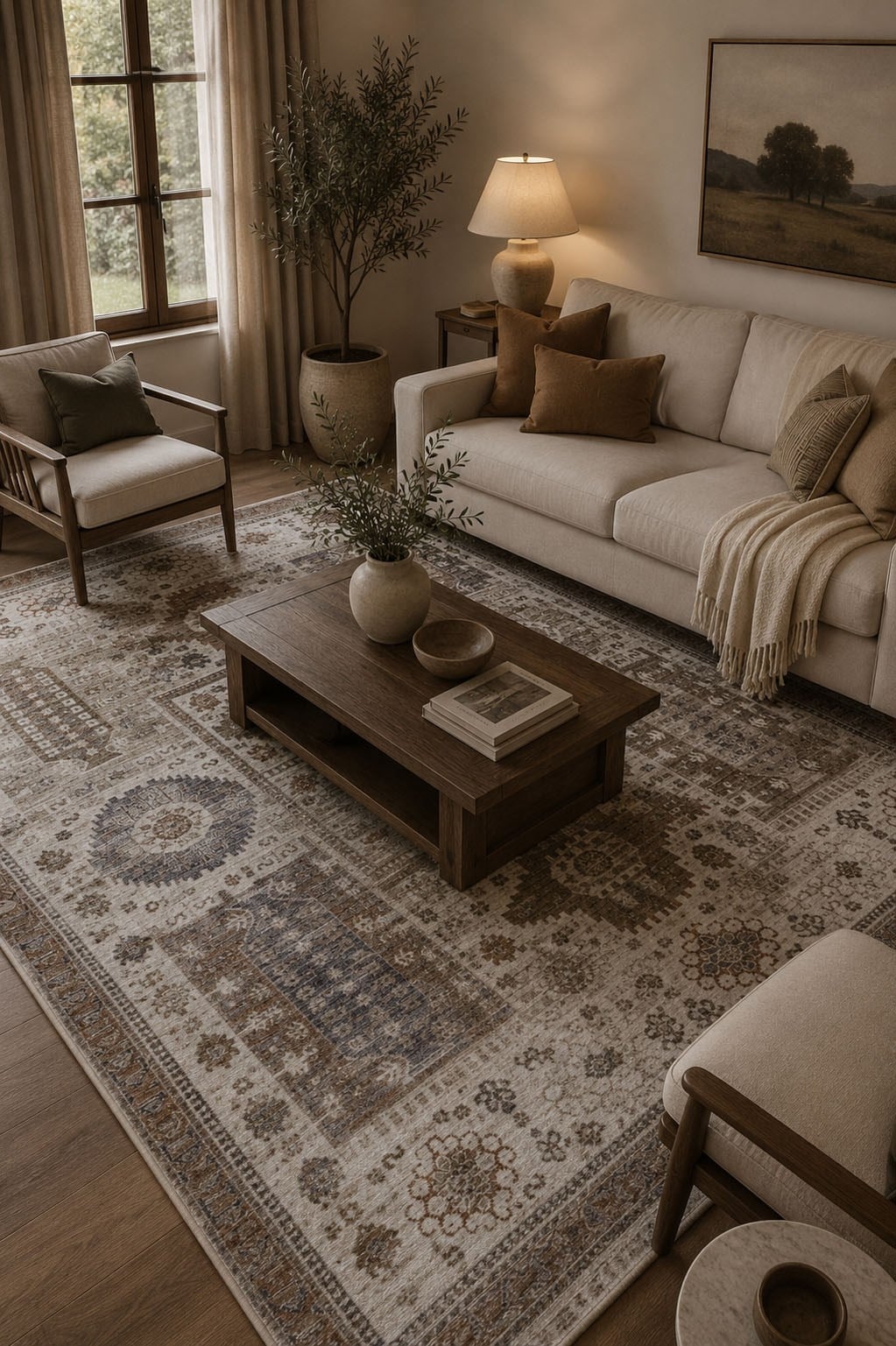
Baroque Aesthetics and Minimalist Design Harmony
Minimalist design emphasizes simplicity, impact, and functionality. However, there are several ideas for harmonizing baroque aesthetics with this style. Baroque is typically characterized by rich décor, symmetrical forms, and detailed craftsmanship.
The key techniques for integrating Baroque elements into minimalism include color, material, and form. For color, intermediate tones are used, while shapes follow the characteristic lines of minimalism. This balance ensures that the richness of baroque details does not overshadow the minimalist principles.
8 Suggestions
Baroque Elements for Hotel Rooms
- Create a unique wall covering with an irregular pattern of cushions in reverse order.
- Use inlaid patterns and floor borders to craft a small tiled wall covering.
Incorporating Baroque elements into minimalist spaces enriches them significantly. However, care must be taken not to dilute the minimalist principles. For instance, while the patterns on the wall coverings can vary greatly, they should still adhere to the basic tenets of minimalism.
Baroque Elements for Architectural Design
The use of Baroque elements in architectural offices enhances the richness and functionality of detailed designs. In areas where such aesthetics are applied, enriching with intricate patterns is beneficial.
- Add Baroque motifs carefully to titles.
- Create wall coverings that blend baroque colors with minimalist tones.
The use of these elements in architectural offices not only boosts productivity but also adds richness and aesthetic value. By paying attention to functional color, material, and form, you can achieve a unique harmony without compromising the foundations of minimalism.
Antistatic, Flame Retardancy, and Acoustics
Antistatic materials are crucial for decorating architectural offices to prevent dust accumulation and electrical surges.
In addition, attention should be paid to flame retardant wall coverings to slow down the spread of fire.
To address acoustics, reducing sound reverberations in walls and flooring can be achieved without compromising minimalist principles. By doing so, Baroque elements can enhance the space's aesthetic appeal without disrupting its functional foundation.
Purchase Requests
Despite being part of minimalist decor, specific reservations must be made for purchases. A 5%-10% discount is available on item or square meter orders.
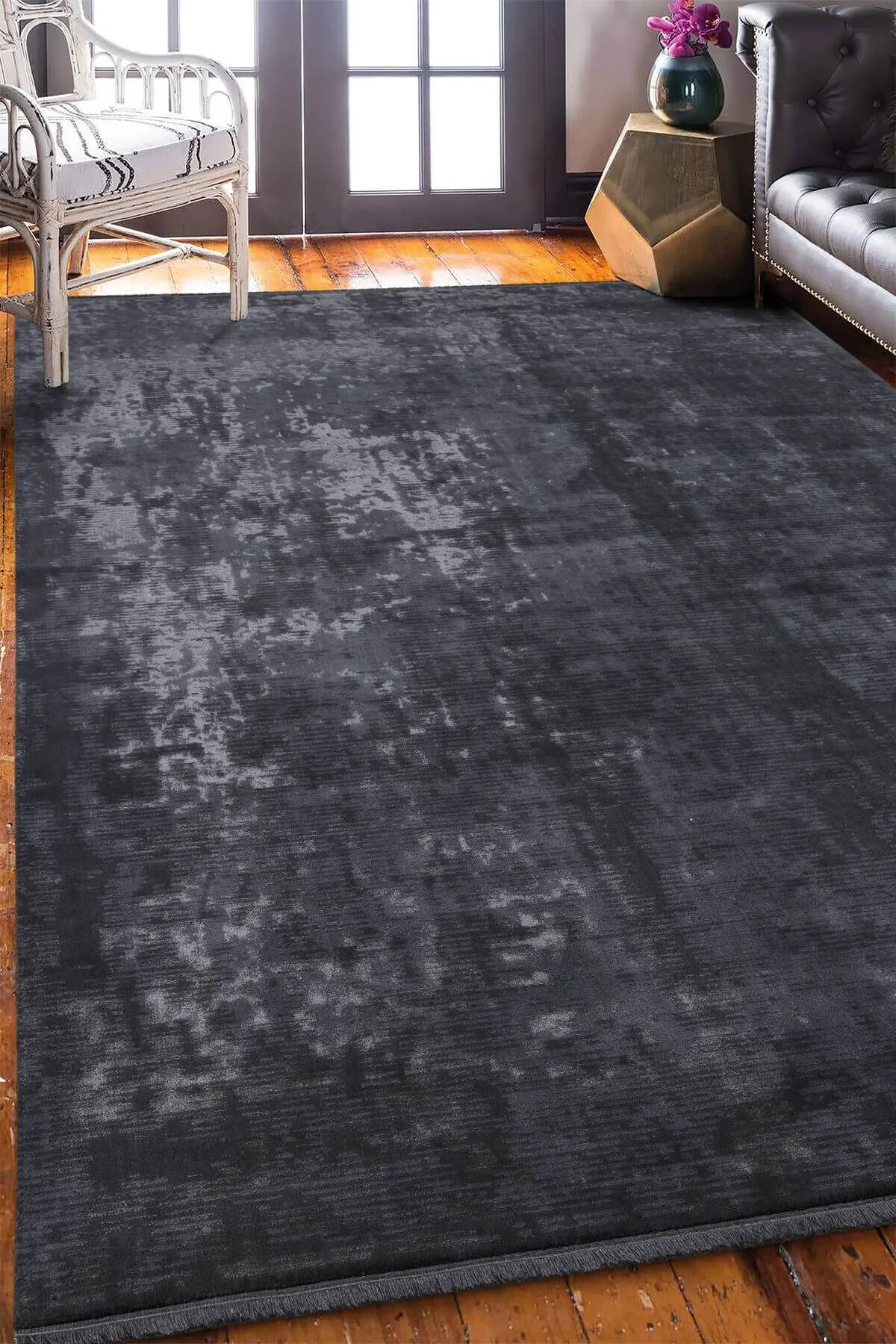
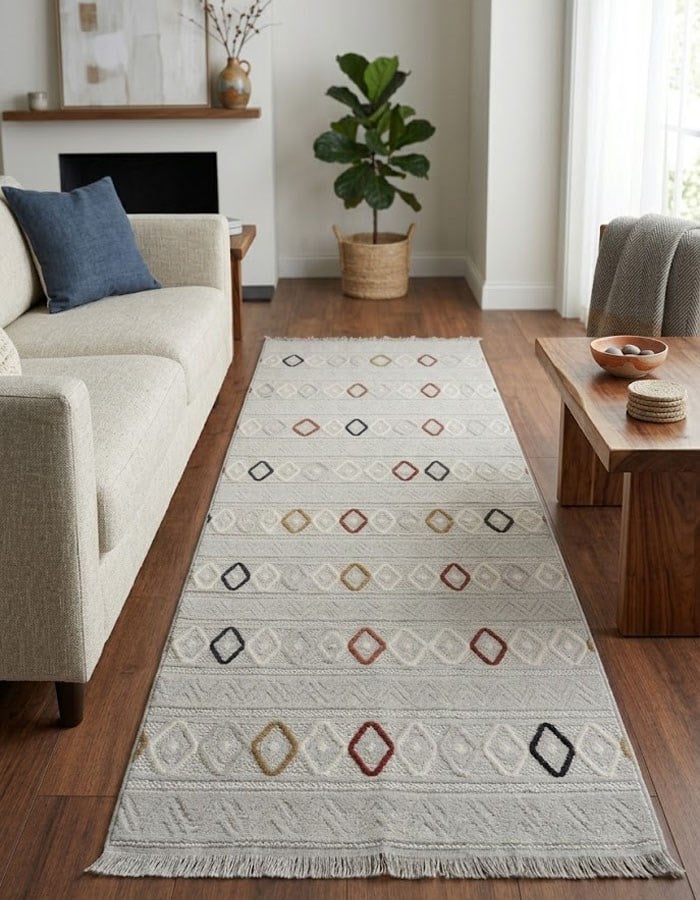
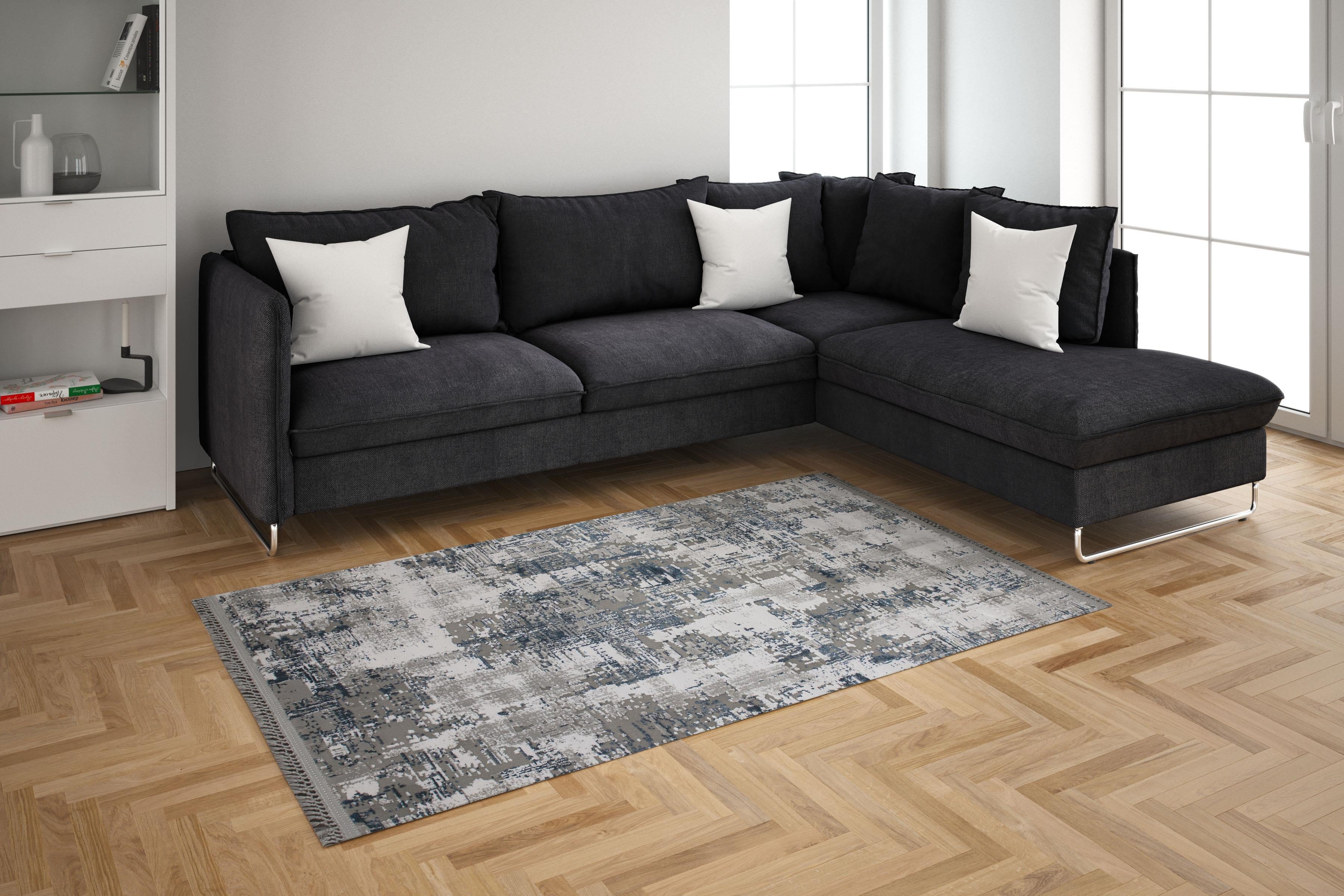


Sultan Rugs
Follow us on social media for the latest collections, special discounts, and decoration ideas.