
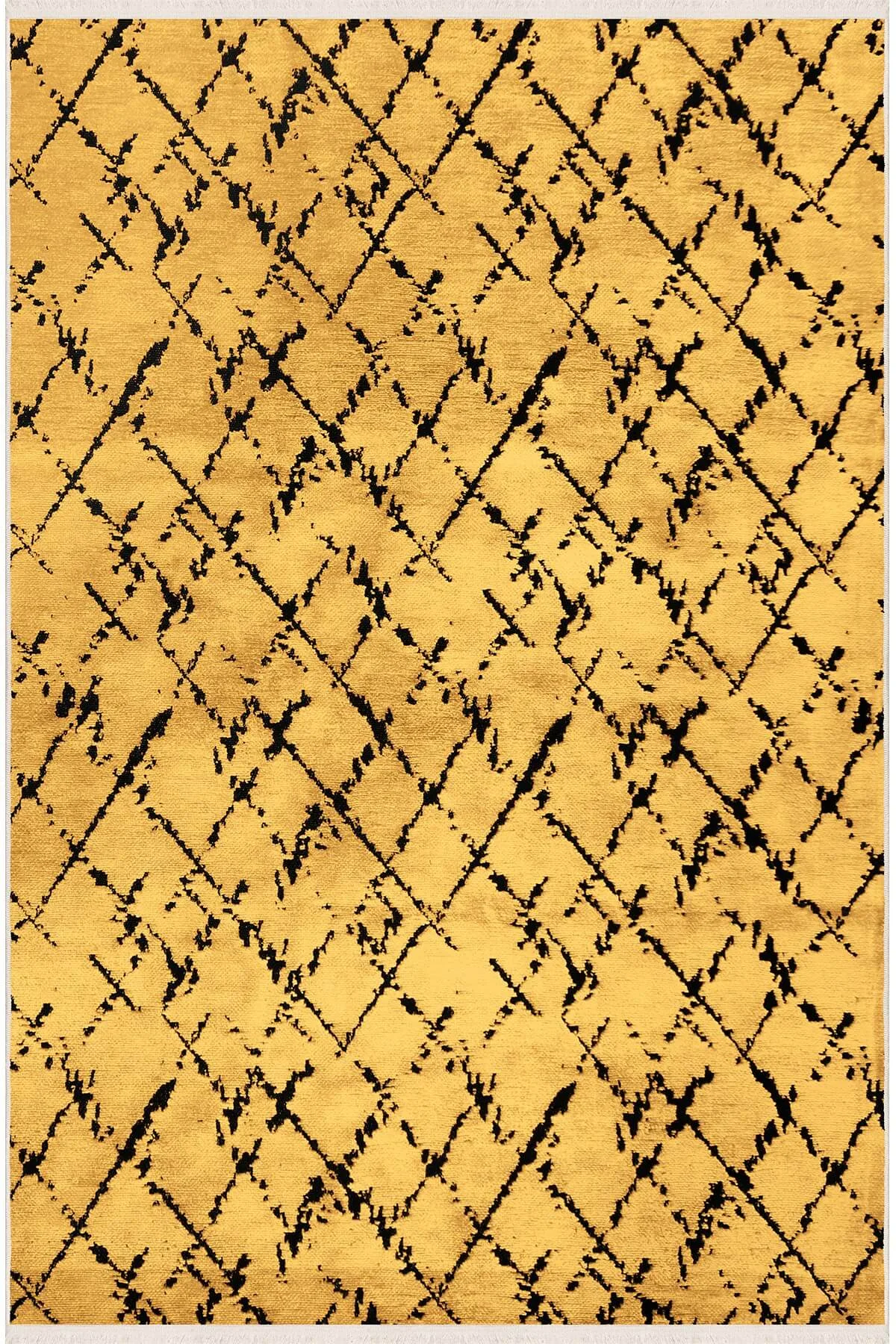
Carpets are frequently exposed to stains like ink in heavily used hotels, offices, and commercial spaces. These types of stains are not just an aesthetic issue; they are a serious problem that shortens the carpet's lifespan and lowers hygiene standards. Prompt and correct intervention is critical to preventing the stain from setting deeper into the fibers.

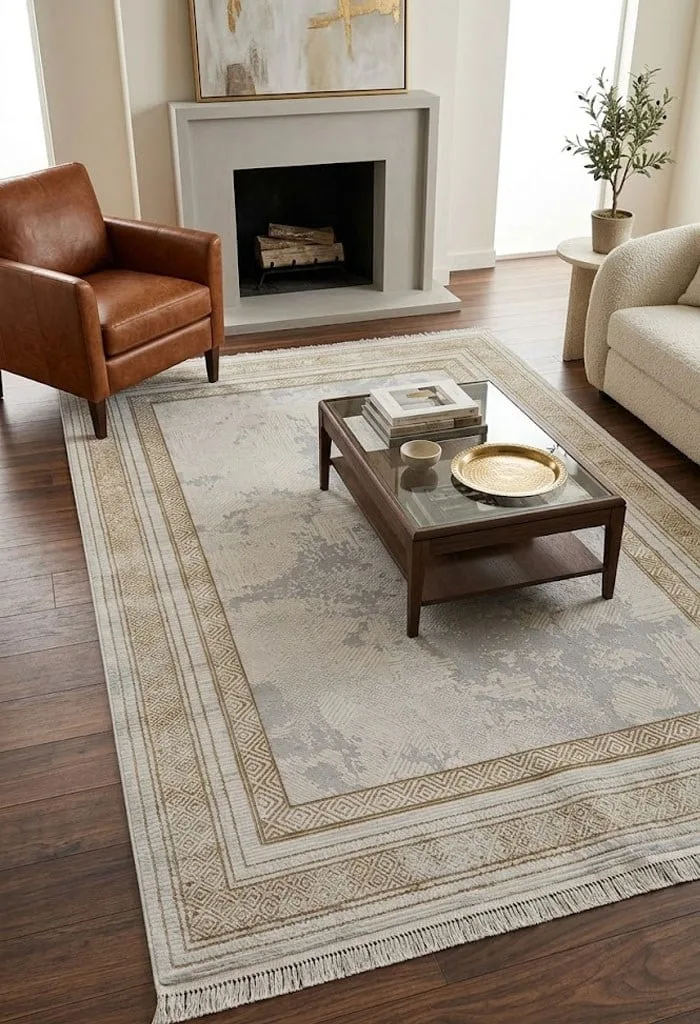

In this article, we detail 20 natural solutions, including gentle methods for home use and professional-level cleaning protocols. Our goal is to completely eliminate the ink mark while preserving the carpet's original texture and color.
Steps to Take Before Starting Stain Removal
Quick Action and Preventive Steps
When an ink stain occurs, the most important rule is to 'act quickly'. The sooner you detect the stain, the easier it will be to remove. The first step is never to rub hard; this can cause the ink to penetrate deeper into the fibers.
Identifying the stain type is the first step in choosing the right solution. Cleaning methods for water-based inks differ from those for oil-based inks. Also, avoid applying pressure directly to the stain; this can cause the stain to spread into the carpet fibers.
Basic Preparation Checklist
- Isolate the stain and gently remove excess ink residue with a dry cloth if possible.
- Test the stain area immediately: Try your cleaner on an inconspicuous corner of the carpet.
- Ensure ventilation: If using chemical-based solutions, good ventilation is essential for both your health and the preservation of the carpet material.
20 Natural and Home-Friendly Stain Removal Methods
Instead of harsh chemicals available in stores, you can safely and effectively remove stains using natural ingredients. The methods below are general approaches applicable to different types of ink.
1. Cold Water Application
For most water-based inks, the simplest and first method is gently pressing cold water from the outside of the stain. This slowly extracts the ink from the fibers.
2. White Vinegar Solution
Dilute a bit of white vinegar with water and dampen a clean cloth with this mixture. This solution helps dissolve many organic stains.
3. Baking Soda and Detergent Paste
Mix baking soda with a mild detergent or soap to create a paste. Apply this paste in a thin layer over the stain and let it sit for a few hours before gently absorbing it.
4. Lemon Juice Usage
A mixture of lemon juice and a small amount of soap is effective in lightening the stain while preventing color fading, especially on delicate carpet types.
5. Isopropyl Alcohol (Use with Caution)
For oil-based inks, a very small amount of isopropyl alcohol may need to be applied to the stain area using a cotton swab and quickly absorbed. Always test this method beforehand.
6. Baking Soda and Steam Method
Place a baking soda-moistened cloth over the stain and apply gentle steam; this helps the ink separate from the fibers.
7. Mild Soap and Water Application
Gently clean the area using only a mild dish detergent or specialized carpet cleaner, and then rinse thoroughly with plenty of water.
8. Oil Absorbers (Talc Powder)
After the stain has dried, you can use natural oil absorbers like talc powder or cornstarch to remove any remaining oil residue.
Professional Care and Technical Requirements
In large-scale projects and high-traffic hotels, home solutions may not be enough. Professional cleaning plays a critical role in both stain removal and ensuring the long-term durability of the carpet.
Anti-Static and Flame Retardancy
Carpets used in corporate environments must have anti-static properties, especially near electrical wiring or in high-traffic areas. Furthermore, fire-retardant (flame-retardant) materials should be preferred in some industrial projects.
Maintaining Acoustic Performance
The acoustic performance of carpets is not just about visual appearance. Special formulations must be used during the stain removal process to ensure cleaning chemicals do not damage the carpet's fiber structure or affect its sound insulation properties.
Deep Cleaning Protocols
To remove stains from the root, professional equipment, low-pressure water spray systems, and specialized solvents are required. These protocols ensure that the ink is completely removed by reaching the sub-layer of the carpet.
Corporate Purchasing and Cost Optimization
For hotel managers and corporate procurement departments, carpet maintenance is a cost factor. The right purchasing strategies reduce initial costs and optimize long-term maintenance expenses.
Quantity and Meterage Discount Structure
The most effective method in B2B purchases is to take advantage of bulk purchase discounts. Gradual discount rates should be applied to orders exceeding a certain meterage threshold (e.g., 500 square meters).
Maintenance Contracts and Packages
Instead of just selling carpets, offering comprehensive maintenance packages can be attractive. These packages cover regular professional cleaning services at set intervals, ensuring your clients maintain a consistently high standard environment.
Assessing Material Quality
Initially choosing higher quality materials with high stain resistance will reduce future repair costs. Durable products are more economical in the long run than cheap, short-term solutions.
Applying the right cleaning methods and making strategic purchasing decisions will preserve the aesthetic value of your carpets and strengthen your corporate image.

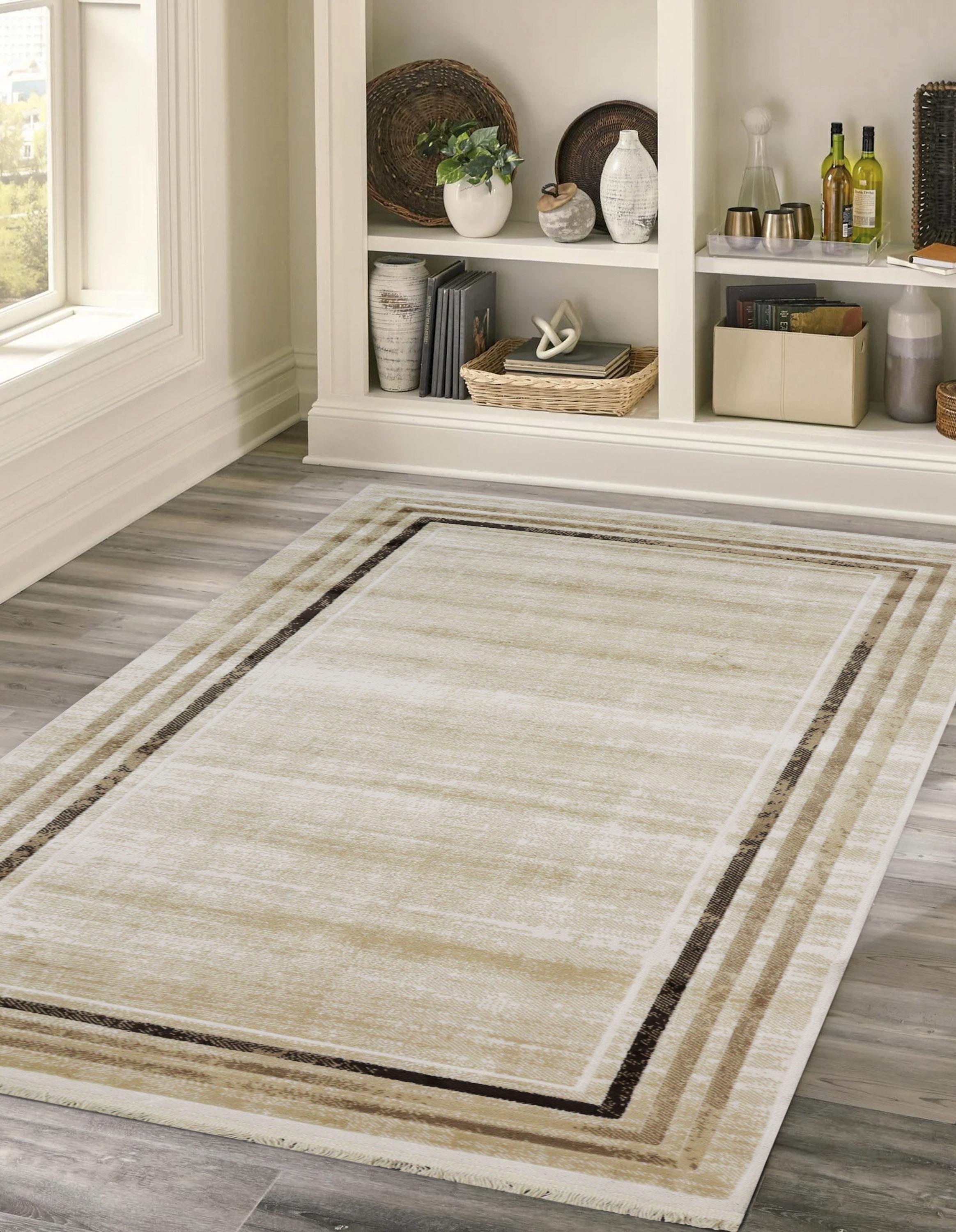
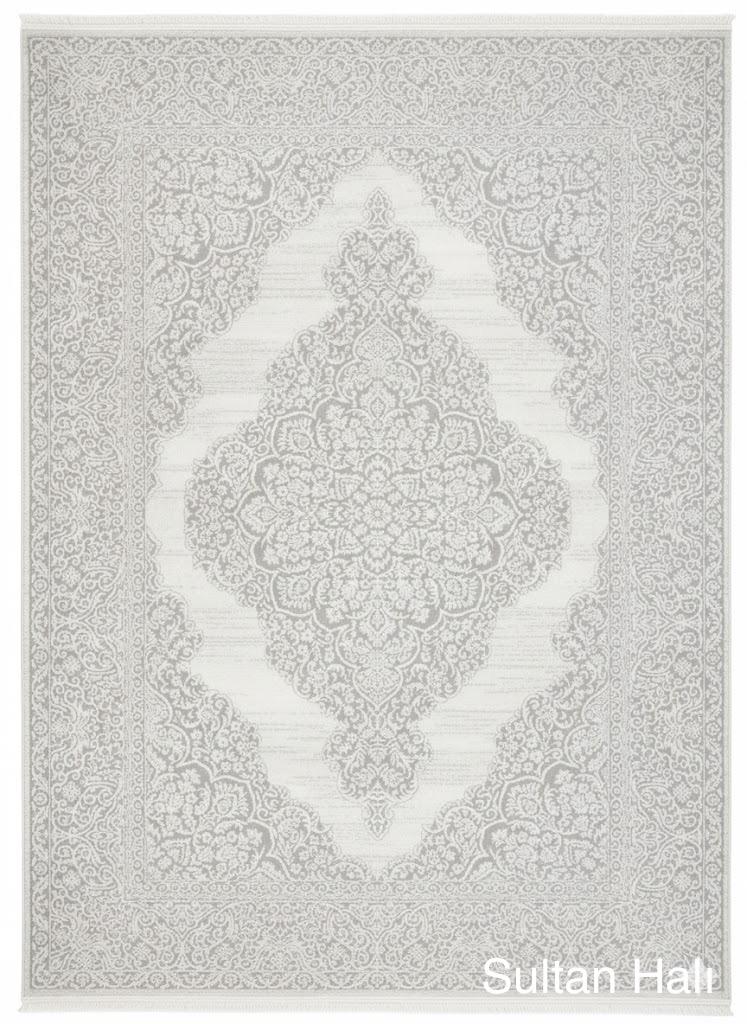
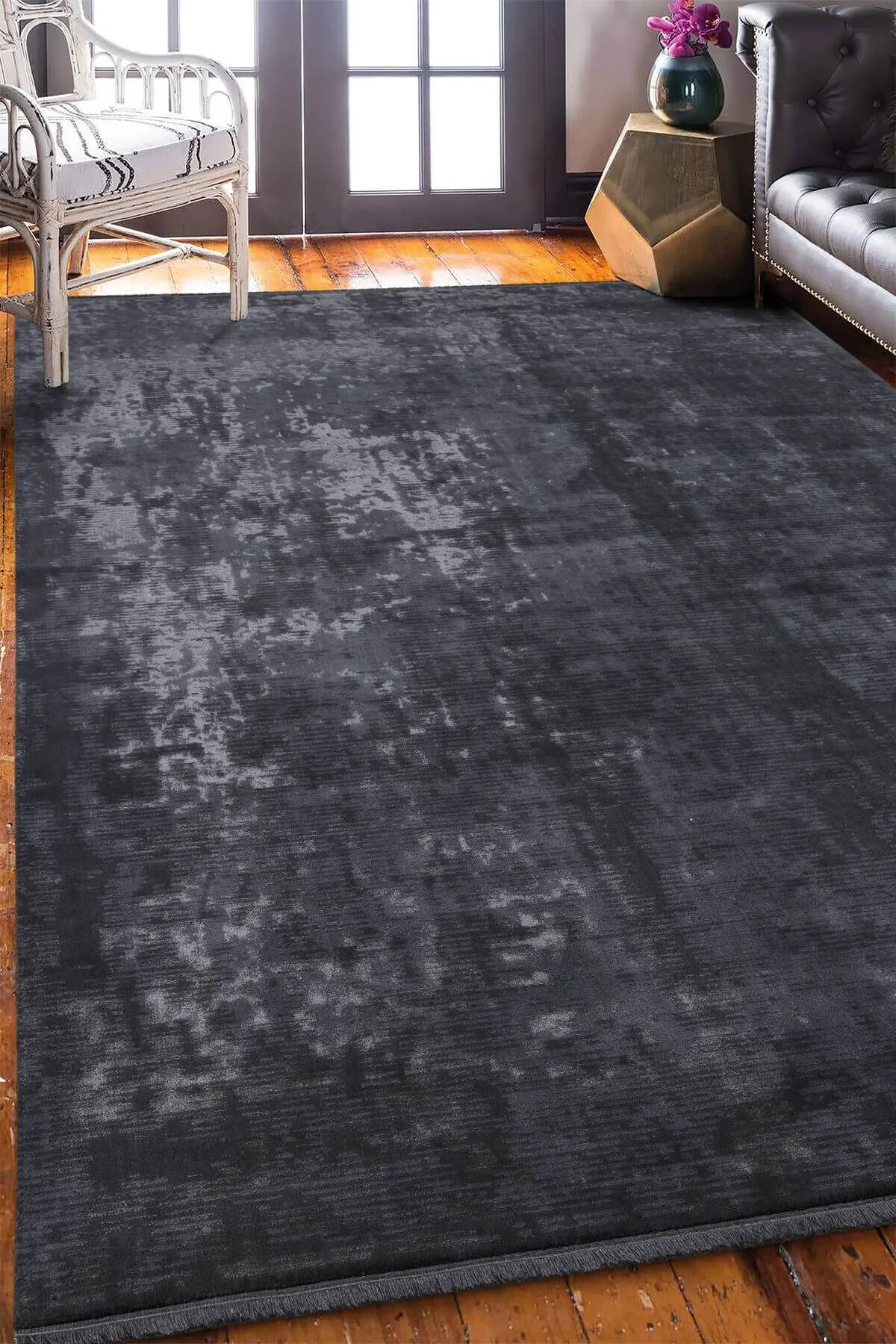

Sultan Rugs
Follow us on social media for the latest collections, special discounts, and decoration ideas.