
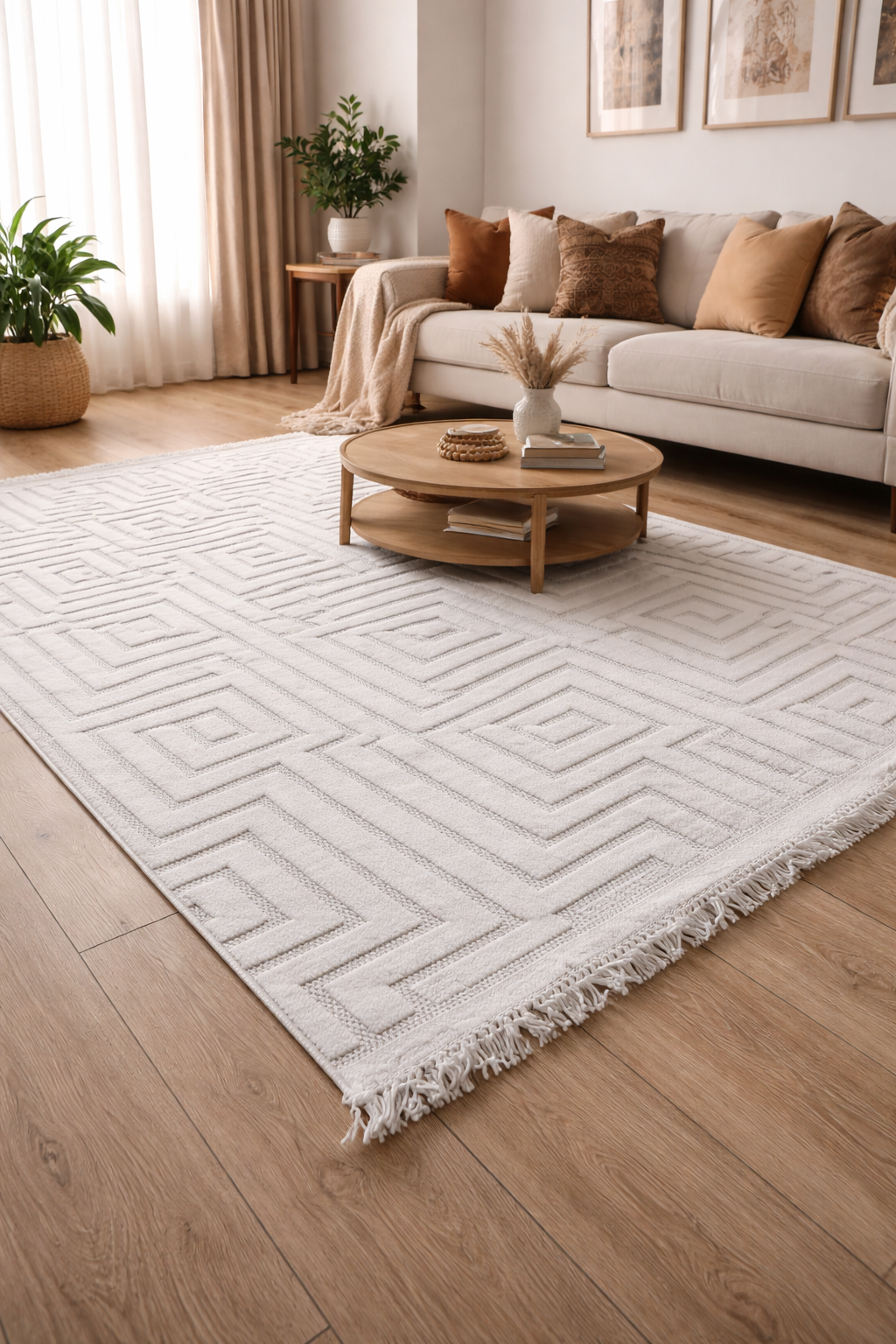
Small entryways set the first impression for any home or office, making their design critically important. The key to visually expanding narrow spaces is providing guests with a comfortable and inviting atmosphere. Rugs are a perfect tool for this purpose; however, the wrong choice can actually make the area feel smaller. In this guide, we will review three proven rug hacks that instantly make small entry halls appear larger and more spacious.
1. The Right Scale and Sizing Strategy
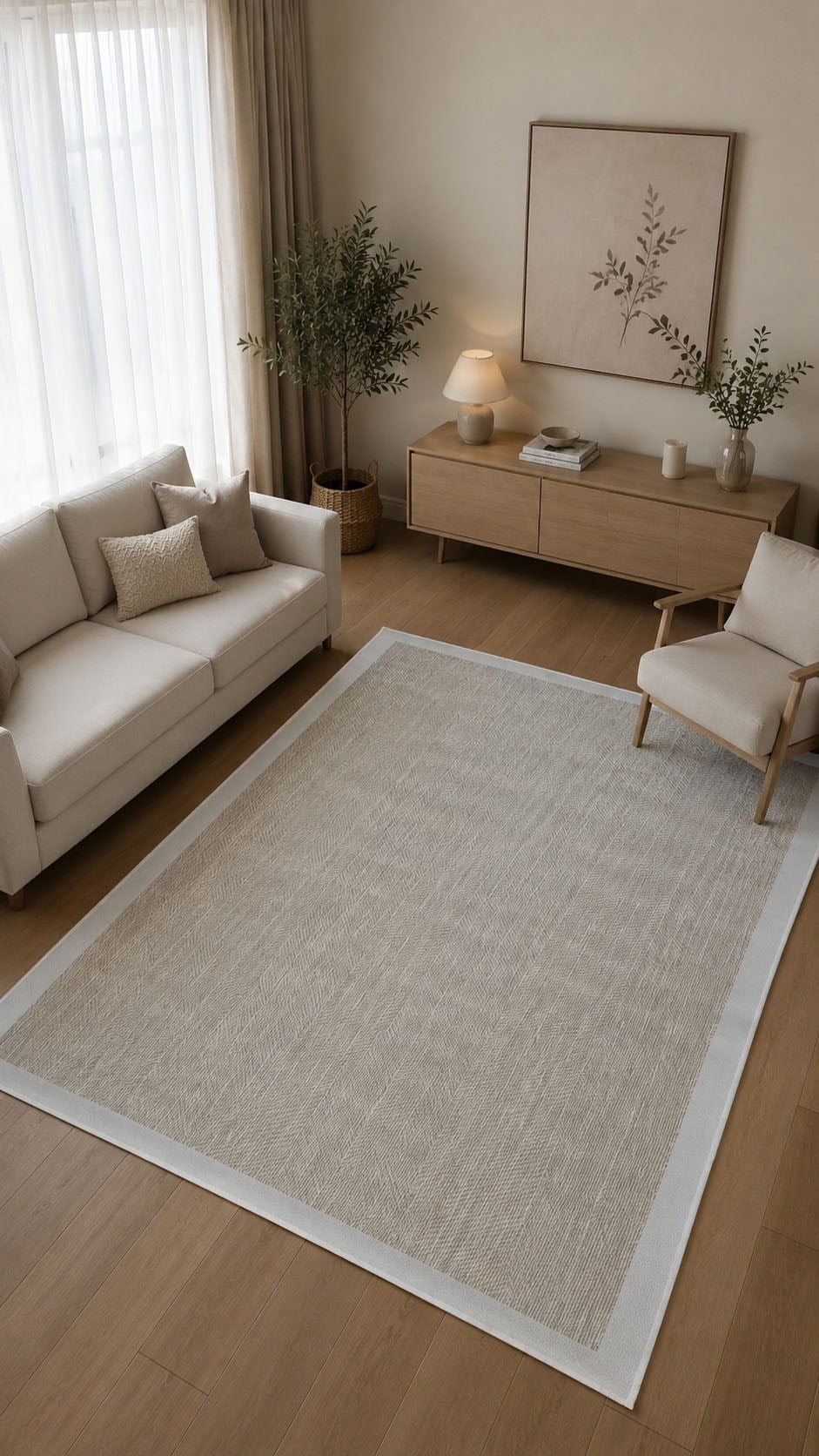
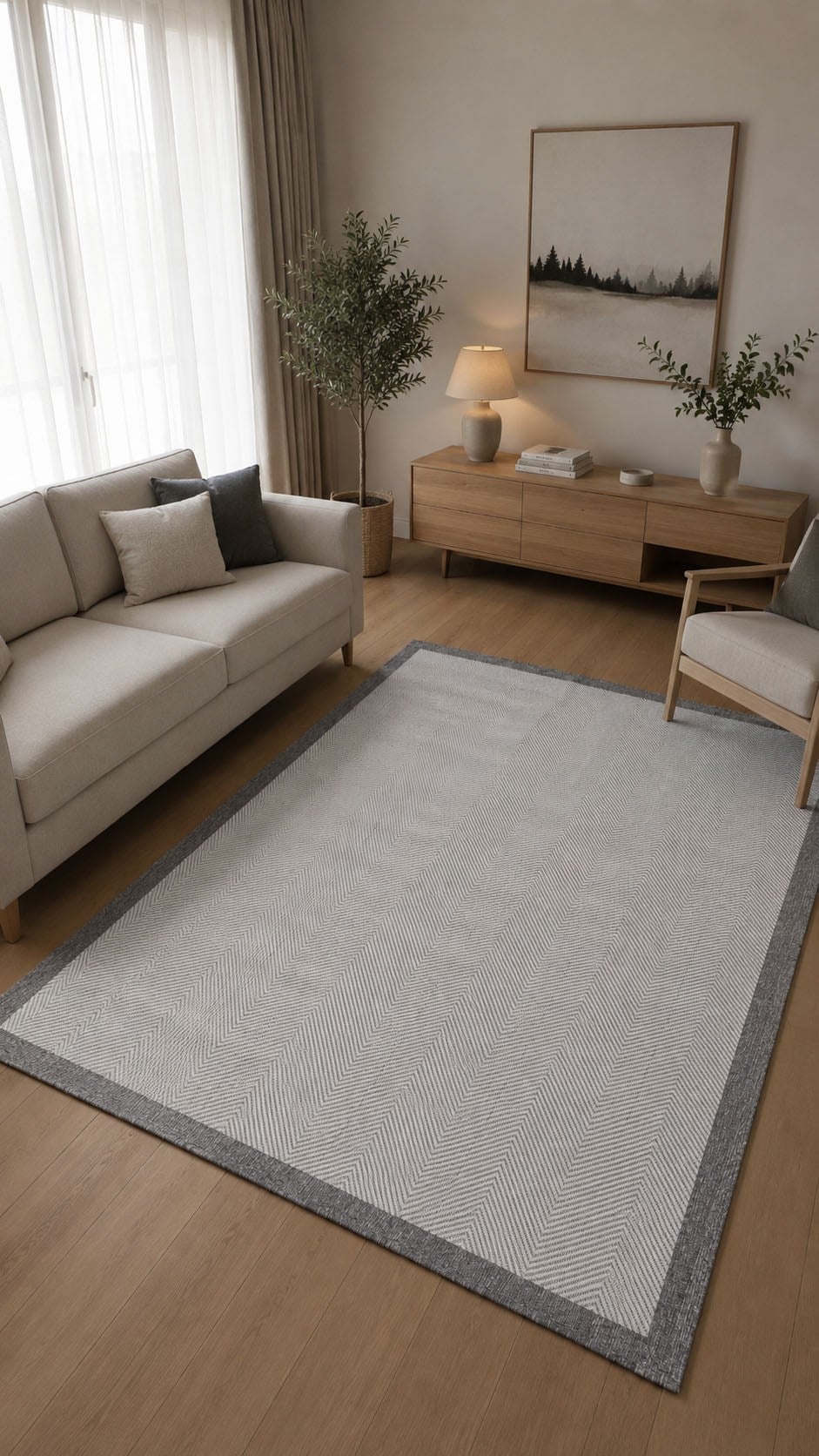
The most critical factor in rug selection is ensuring the rug's scale matches the overall proportion of the room. A rug that is too small can overwhelm the space, while one that is too large can get lost on the floor. For small entryways, the rule is: the rug should comfortably frame the front legs of furniture (like consoles or entry tables) but should not cover the entire floor area.
Application Tips:
- Opt for rugs that are at least twice the length of the entryway. This ratio creates a visual sense of elongation and depth.
- Instead of circular or oval patterns, choose rectangular or elliptical shapes that emphasize long, vertical lines. Vertical lines draw the eye upward, increasing the perceived height of the space.
- Instead of one large rug, use the layering technique—placing several rugs of different sizes—to add dynamism to the area. This adds depth and prevents the space from feeling cramped.
2. Visual Expansion Through Color and Pattern
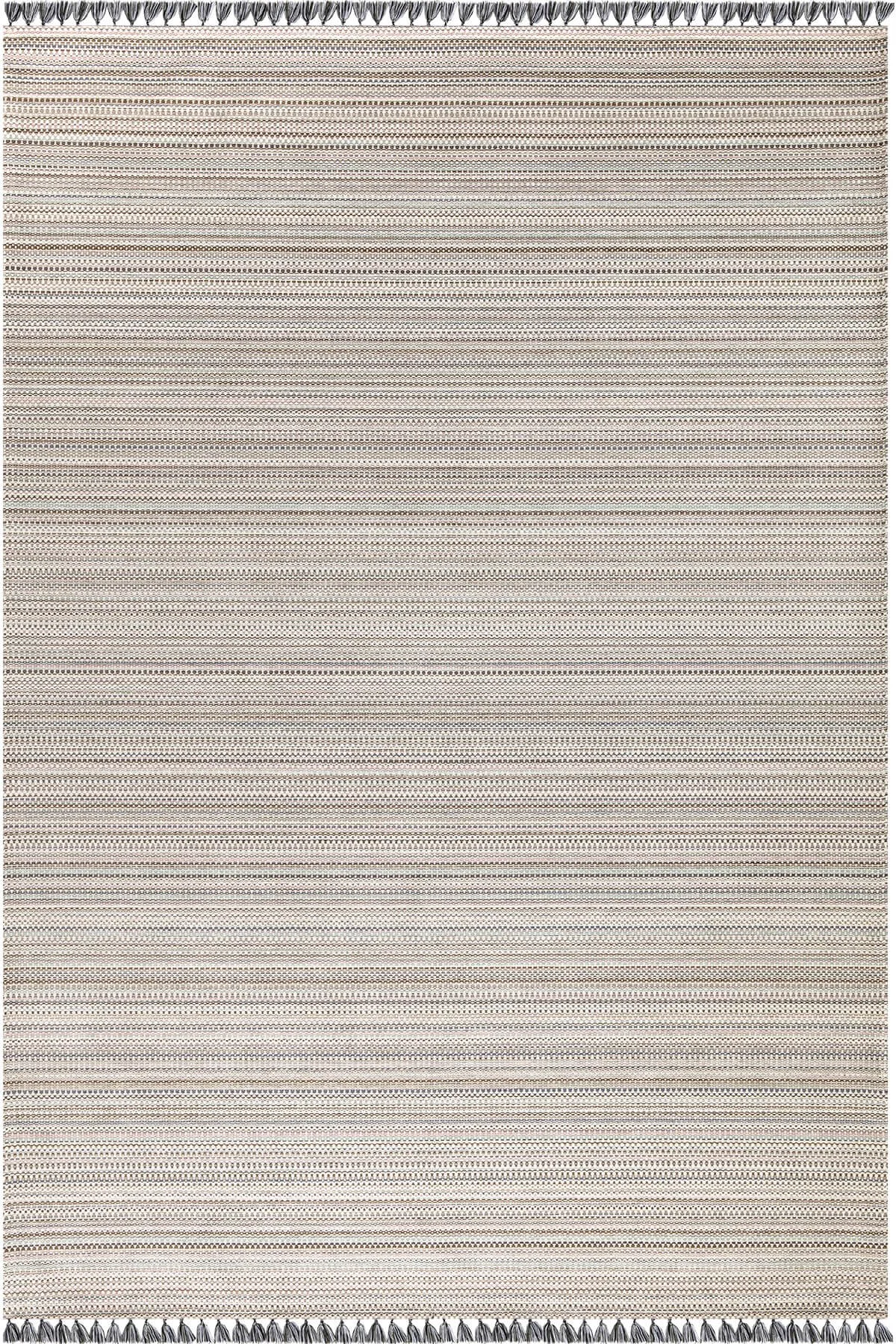
Color psychology plays a powerful role in enlarging small areas. Light colors reflect more light, naturally making a room appear wider. Using white, light beige, or soft gray tones in entryways reduces the visual weight on the floor and creates a feeling of openness.
Pattern Selection:
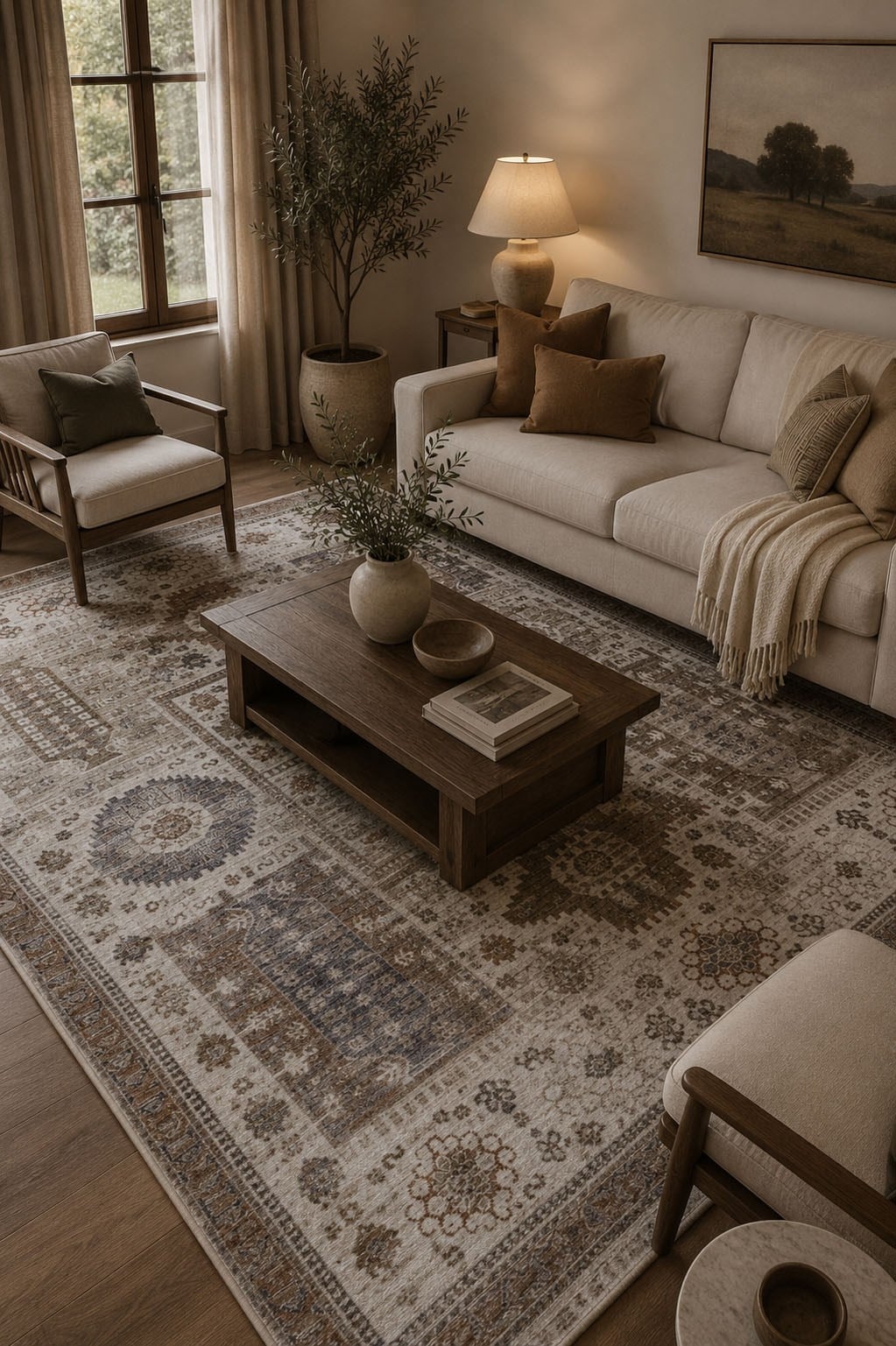
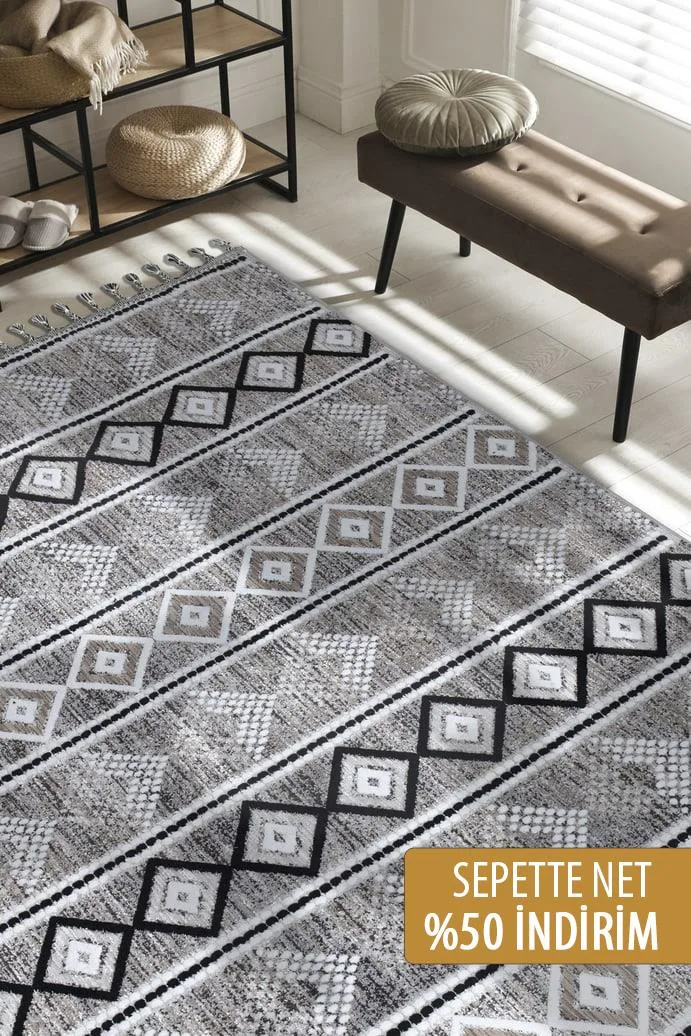
- Avoid high-contrast, busy patterns. These types of designs distract the eye rather than focusing it on the space and can make the area feel smaller.
- Prefer minimalist or softly transitional patterns. Geometric patterns in light tones offer a modern look, but simple, repeating patterns are more effective than complex motifs.
- Use color vertically to emphasize the rug's length. For example, using darker border details on a light floor helps make the floor appear wider.
3. Manipulating Space with Placement and Layering
Where you place the rug directly impacts how the space is perceived. Positioning a rug in an entryway creates a sense of flow while softening the boundaries of the floor area.
The Importance of Acoustic and Technical Performance
Beyond aesthetics, the technical specifications of rugs are non-negotiable in commercial settings. Especially for hotel and office projects, ensure the selected products meet the following technical standards:
- Acoustic Performance: Entryways are often areas with high sound reflection. Rugs with sound-absorbing properties reduce echo, creating a calmer and more serene atmosphere.
- Flame Retardancy: Due to commercial use requirements, all fabrics used must be fire-resistant. This is a fundamental requirement for both safety and corporate responsibility.
- Antistatic Properties: Antistatic features prevent static electricity buildup, which enhances comfort, especially in high-traffic areas.
- Ease of Maintenance: Materials that are easy to clean, stain-resistant, and suitable for professional cleaning should be preferred.
Purchasing and Cost Optimization
Cost-effectiveness is critical in B2B purchasing. For large projects or bulk orders, taking advantage of volume discounts based on meterage is the most effective way to optimize your budget. Review the discount structures applied based on quantity and total yardage when negotiating with suppliers. Implementing bulk ordering strategies to maintain quality while achieving cost advantages not only increases your project's profitability but also ensures efficient resource utilization.


Sultan Rugs
Follow us on social media for the latest collections, special discounts, and decoration ideas.