
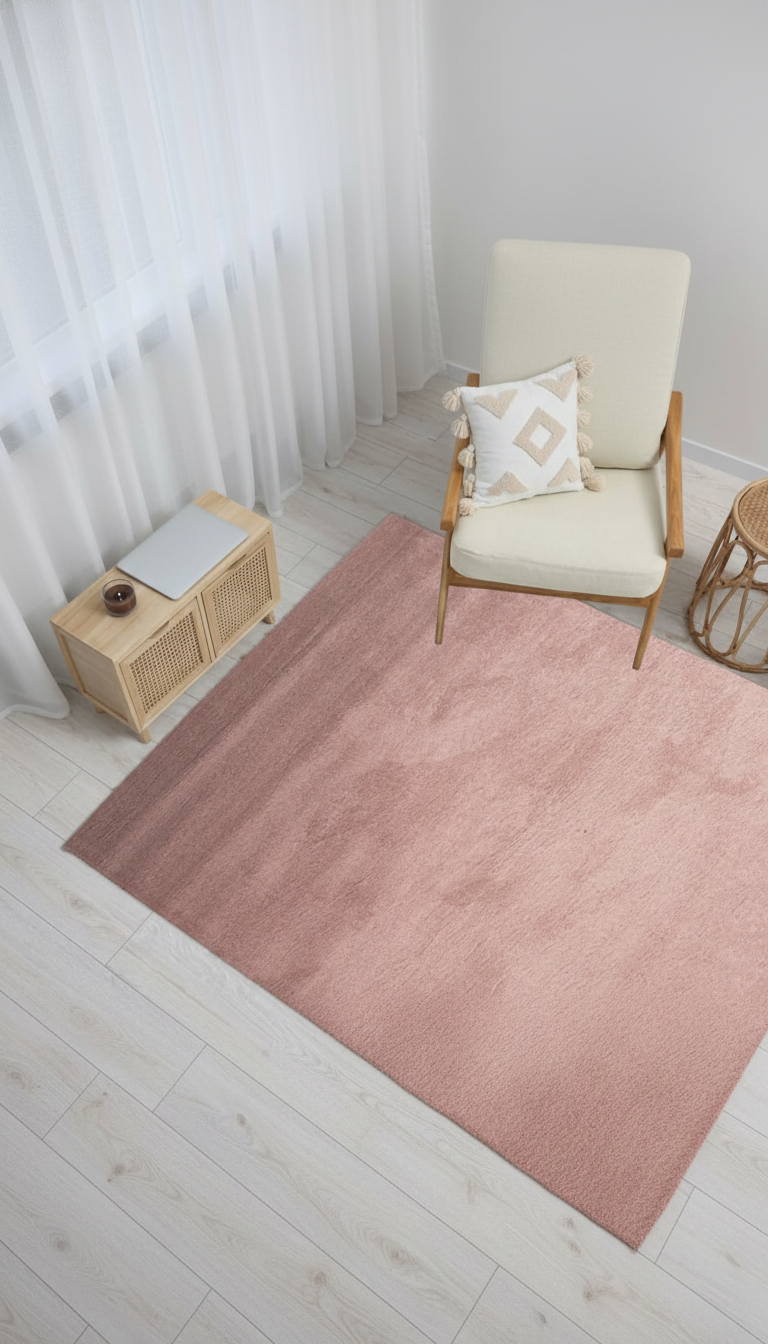
Determining the correct size for a bedroom carpet is the first step in elevating a hotel's comfort standards and ensuring the aesthetic integrity of project areas. Incorrect sizing reduces the functionality of the space and shortens the material's lifespan. This guide covers all the technical and practical information that professionals making commercial purchases need.
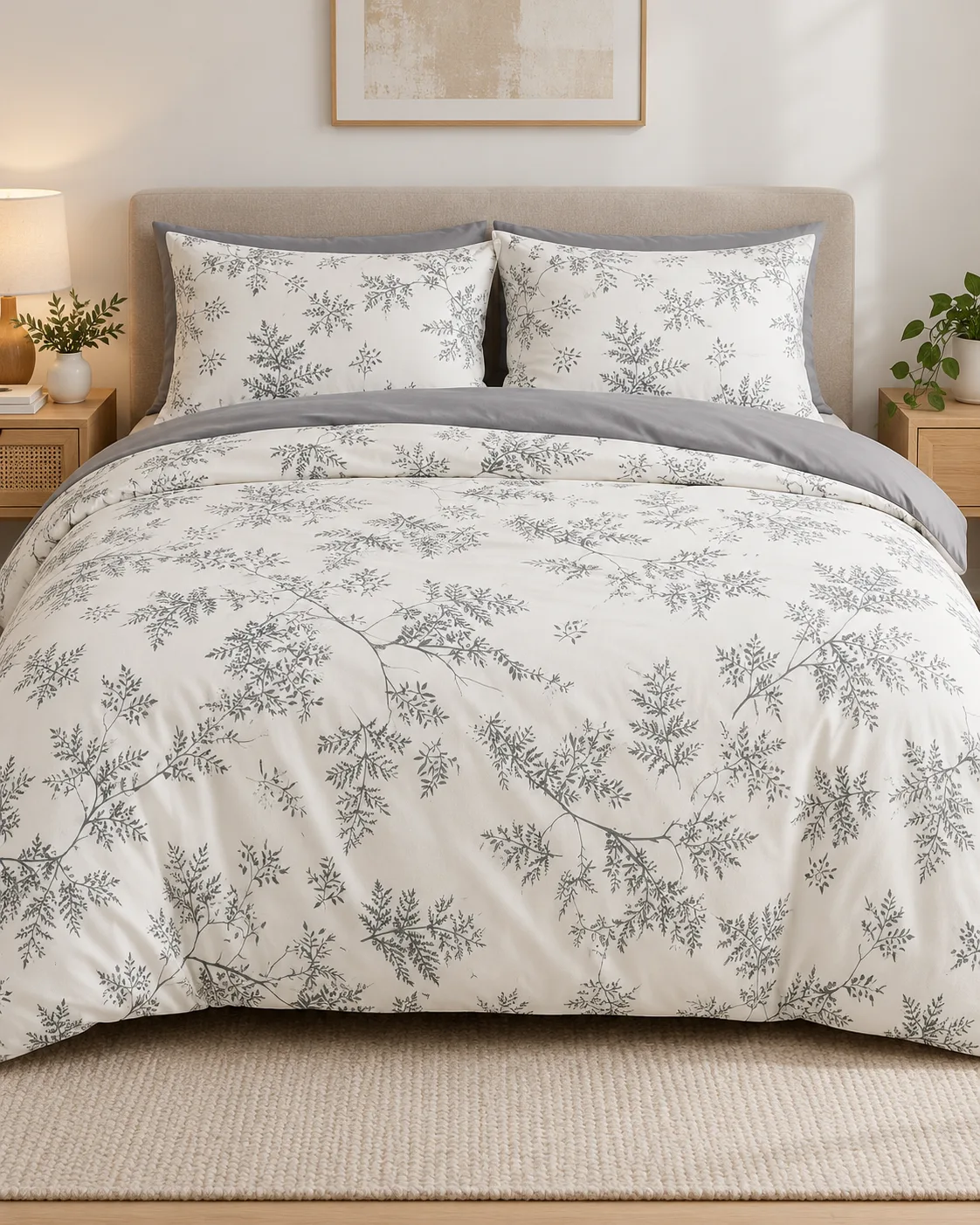
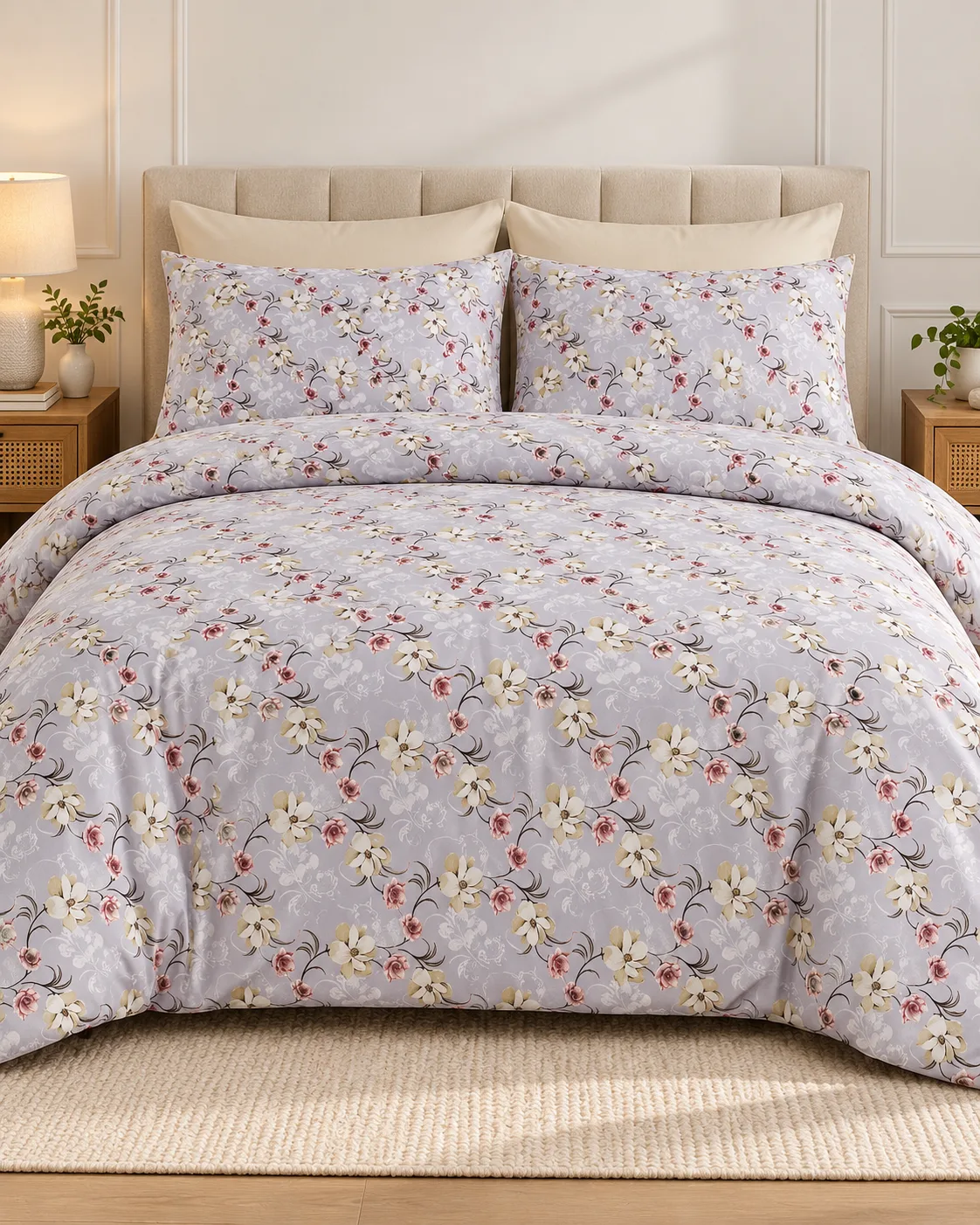

Step One: Space Analysis and Measurement Calculations
Successful carpet selection begins with accurately analyzing the physical boundaries of the room. In personal spaces like bedrooms, the dimensions of the carpet must be compatible with the furniture layout and the overall atmosphere.
Detailed Examination of Room Dimensions
In measurement calculations, attention should be paid not only to wall lengths but also to the placement areas of fixed furniture such as beds, nightstands, wardrobes, and windows. The carpet should not dominate the entire room; instead, it should balance the space.
- Defining the Main Area: Take measurements of the widest surface in the room to determine the main focal point for the carpet.
- Furniture Impact: Calculate how much space the bed and other large furniture will occupy on the carpet. The carpet must leave sufficient space for this furniture.
- Entrance and Exit Areas: It is important that the areas around passage points, such as doors and windows, align with the carpet's cutting lines.
Proportioning and Scaling Techniques
When determining carpet sizes, consider proportions that will support the overall atmosphere of the room. Using a large carpet in a small room can be visually overwhelming, while an excessively large product for a very small area creates disproportion. Generally, carpets with a width at least twice the length of the room are preferred to provide a spacious look.
Step Two: Material Selection and Technical Requirements
After determining the size, the durability and functional properties of the chosen carpet must meet commercial expectations. Material quality is a priority, especially in hospitality and corporate projects.
Durability and Safety Features
The most critical factors in commercial use are the carpet's longevity and compliance with safety standards. The following technical requirements must be strictly adhered to when making a selection:
- Flame Retardancy: Materials that prevent flame spread and comply with fire safety standards should be preferred.
- Antistatic Properties: Antistatic features, especially in heavily used areas, preserve material life and enhance comfort.
- Acoustic Performance: Carpets with acoustic insulation properties should maximize sound absorption to ensure the silence of the bedroom environment. This is an important distinction, especially for hotels in city centers.
Ease of Cleaning and Maintenance
Maintenance costs and time must also be considered in corporate settings. The carpet's surface structure, stain resistance, and ease of cleaning are vital for operational efficiency. Fabric types that are resistant to high-density traffic and easy to wipe down should be preferred.
Step Three: Commercial Purchasing Strategies
Cost-effectiveness in large-scale purchases is achieved through the correct meterage and quantity strategy. After determining the correct size, the following methods should be used during negotiations with the supplier.
Meterage and Quantity-Based Discount Logic
Discounts in wholesale purchases are generally calculated based on two main parameters: total meterage quantity and the number of units ordered. Large volume orders provide direct savings by lowering the unit cost.
- Volume Discount: Review tiered discount rates applied when purchasing beyond the standard meterage.

Sultan Rugs
Follow us on social media for the latest collections, special discounts, and decoration ideas.