
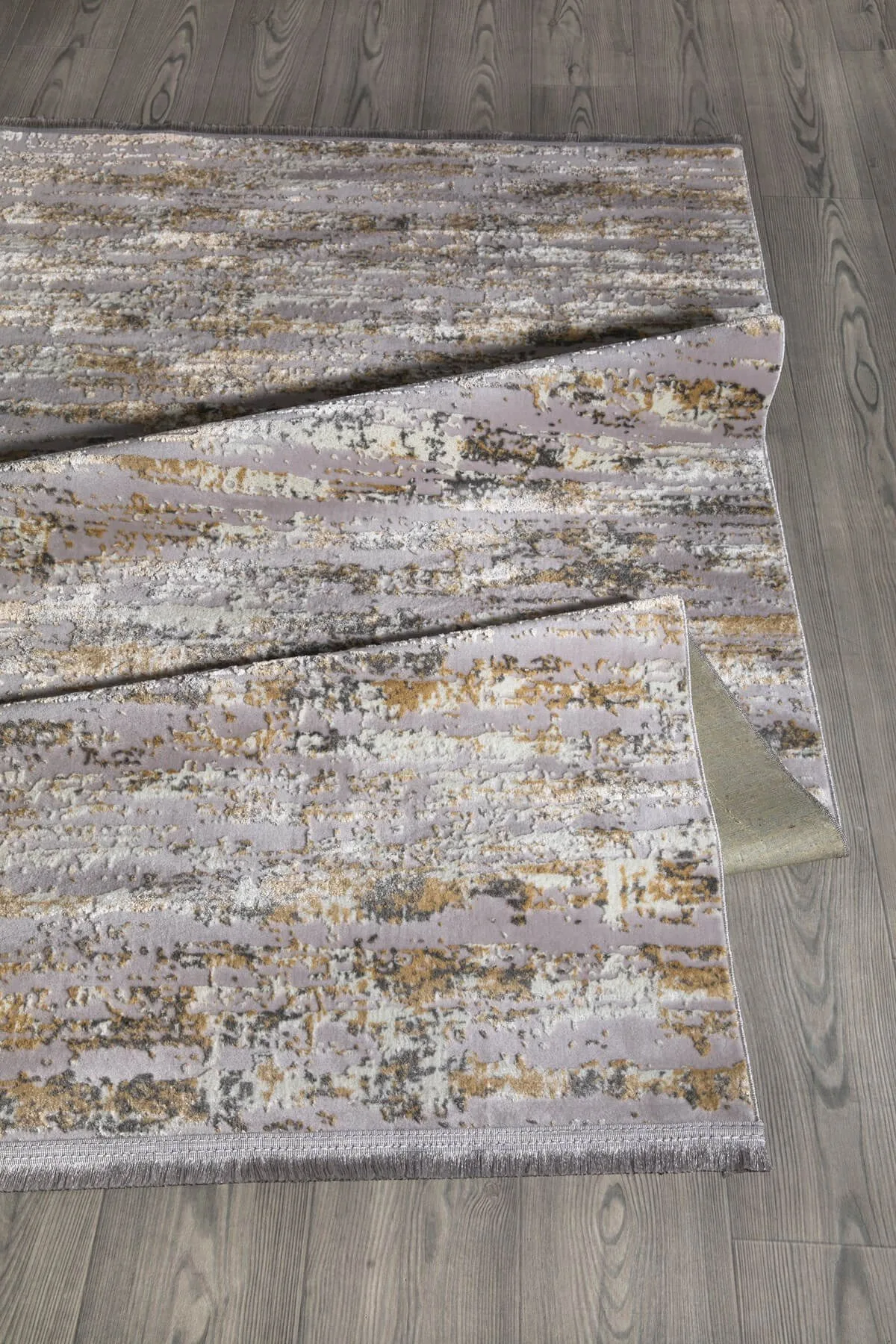
One of the elements that instantly changes the overall atmosphere of a space is the carpet. Especially in hospitality, architectural projects, and corporate areas, the selection and placement of carpets directly affect the quality of the guest experience and the functionality of the space. With the right placement strategies, not only visual richness but also acoustic comfort and operational efficiency can be achieved.


The Art of Placement That Defines the Space's Atmosphere
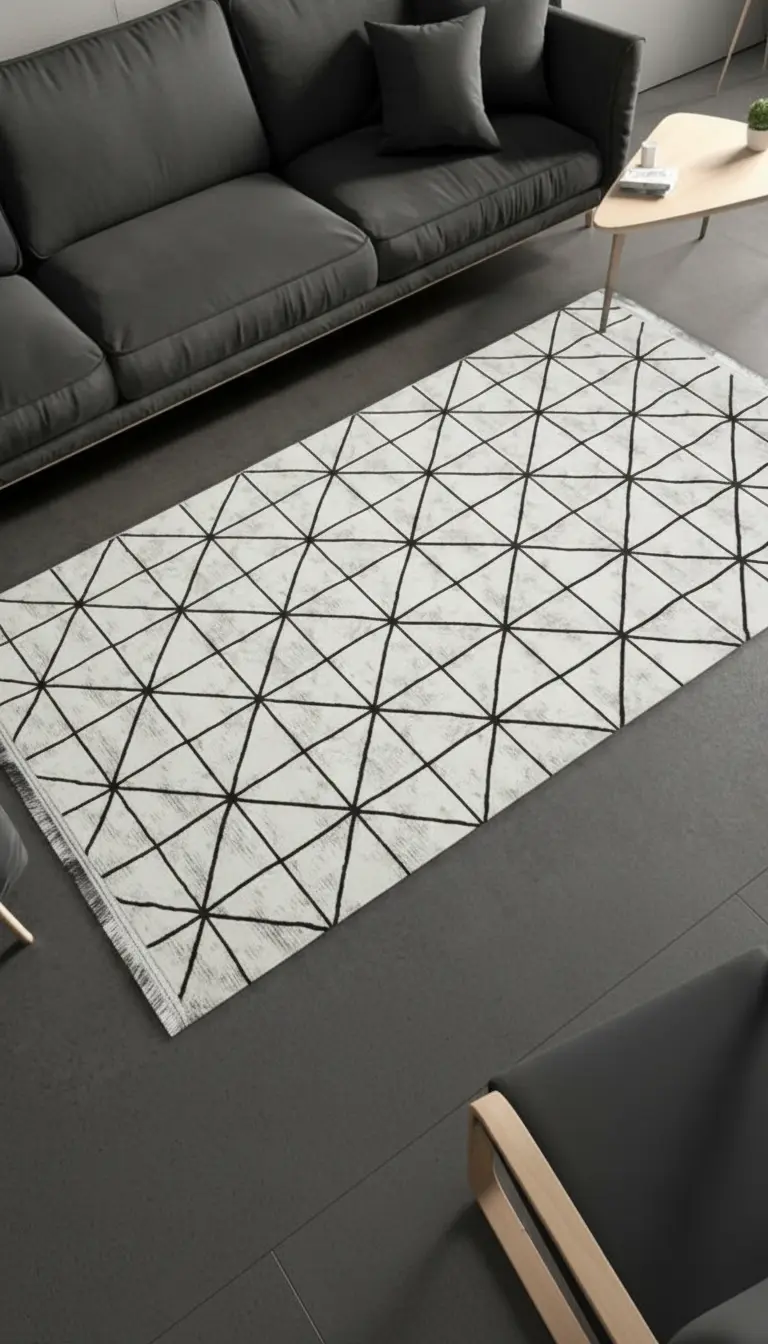
The positioning of carpets determines the perceived size, flow, and mood of a room. In a large meeting hall, the central position of the carpet defines the focal point, while the patterns and sizes used in corridors soften transitions. To ensure guest comfort, large, soft-textured carpets should be preferred and placed in the center of seating areas.
Techniques for Managing Spatial Perception
- Creating a Focal Point: In large rooms or lobbies, a visual center can be created by placing the carpet around main furniture. This strengthens the design integrity of the space.
- Acoustic Zoning: Sound insulation and acoustic comfort are crucial, especially in commercial areas. Strategically positioning carpets reduces echo, creating a calmer environment.
- Softening Transitions: The gradual change in carpet patterns or textures between different functional areas provides a fluid and cohesive experience within the space.
Technical Requirements in Corporate and Hotel Standards
In the selection of carpets for commercial use, technical performance is as critical as aesthetics. Materials that are durable against high-density traffic and continuous use, safe, and easy to maintain should be preferred.
Safety and Durability Features
Safety standards are mandatory in corporate environments. The carpets used must have antistatic properties to prevent static electricity buildup, protecting both guests and staff health. Furthermore, products with flame retardancy certification for fire safety should be preferred. These features are indispensable for compliance with the facility's safety protocols.
Acoustic Performance and Ease of Cleaning
Acoustic performance is vital for hotel rooms and meeting halls. Carpets made from high-quality wool or synthetic blends absorb unnecessary noise through their sound-absorbing capacity. From a maintenance perspective, materials that do not trap dust and have high stain resistance should be selected.

Sultan Rugs
Follow us on social media for the latest collections, special discounts, and decoration ideas.