
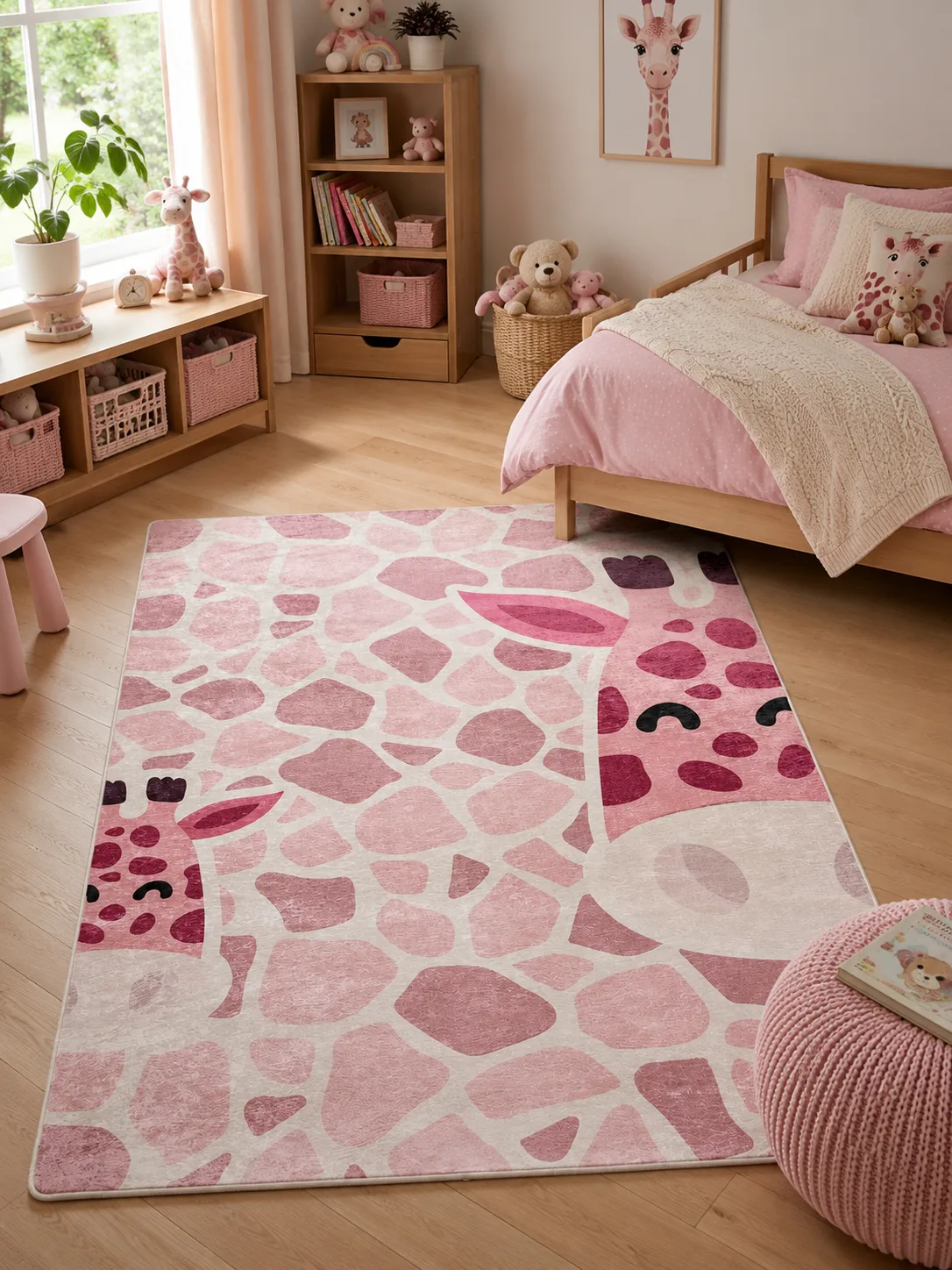
In modern hotel concepts and high-standard projects, the design of kitchen areas is not just about functionality; aesthetic unity and user safety are also essential. Rugs placed on kitchen floors play a significant role in establishing this balance. The right choice enhances visual appeal and ensures resistance to the demanding conditions of the kitchen environment.
The Importance of Using Rugs in the Kitchen
The kitchen is one of the most heavily used areas in the home. Therefore, the floor covering selection must be of the highest level in terms of durability, hygiene, and safety. Rugs add warmth, texture, and visual depth to this area while also having to meet certain technical requirements.
Aesthetic and Functional Balance
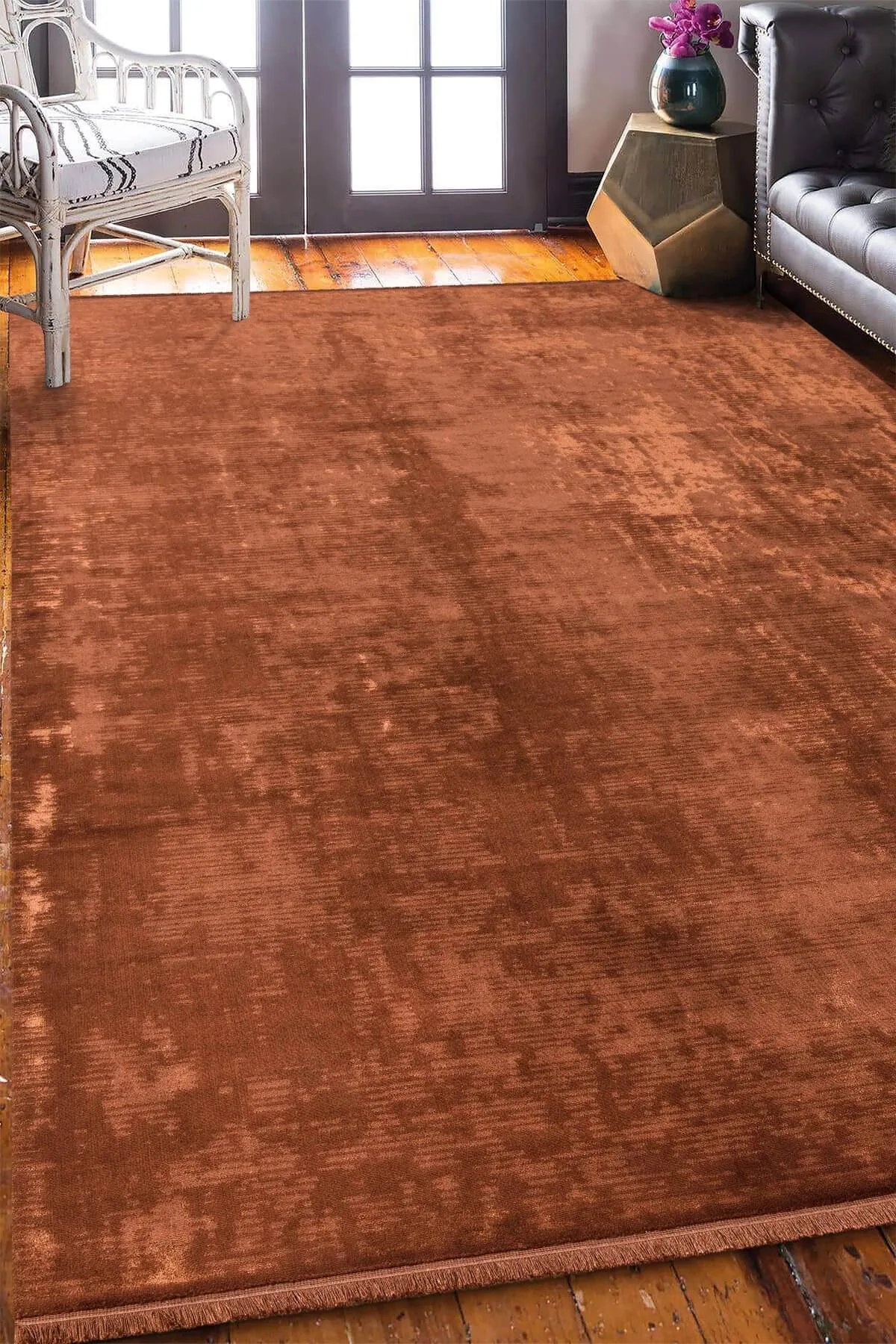
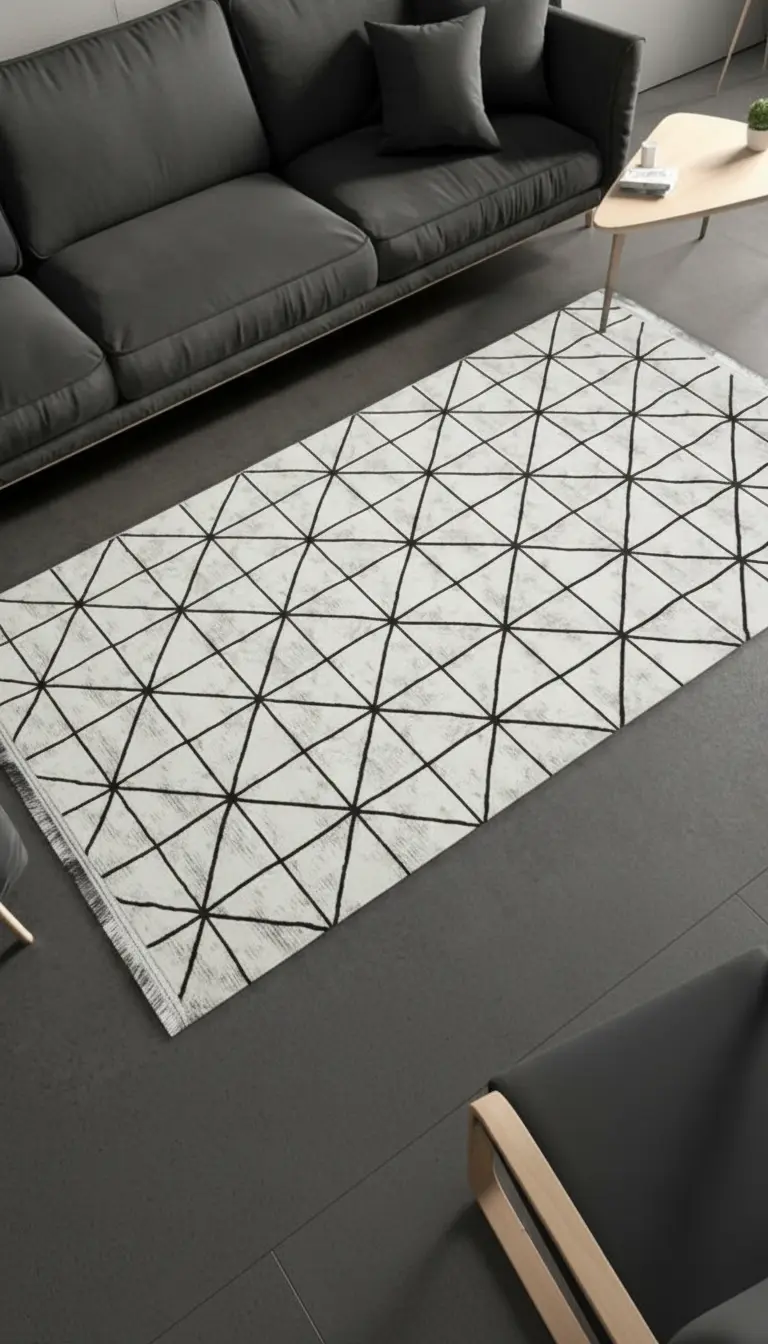
When choosing a rug for kitchen decoration, it must be consistent with the overall design language of the kitchen. Sophisticated looks can be achieved by harmonizing classic patterns with modern minimalist designs. The color palette and motif selection directly affect the kitchen atmosphere. For example, warm-toned and classic patterned products add depth to traditional kitchens, while geometric patterns provide a more modern and dynamic feel.
Technical Performance Requirements
The most important point to consider in corporate procurement is the technical specifications of the rug. Floor coverings used in high-traffic and humid environments like the kitchen must meet the following technical requirements:
- Antistatic Properties: Increases comfort by preventing the buildup of static electricity in high-traffic areas.
- Flame Retardancy (Fire Resistance): Critically important for safety standards. Supports fire safety in potentially risky environments like the kitchen.
- Acoustic Performance: The rug contributes to sound insulation within the kitchen by absorbing noise and creating a calmer environment.
- Ease of Cleaning: Since kitchen cleaning is intensive, the stain-resistant nature and ease of cleaning of the rug provide a great advantage.
Material Selection and Durability
The material of rugs used in the kitchen determines both aesthetics and durability. Products made from high-density and quality fibers should be preferred. Materials resistant to wear and daily tear should be chosen, especially for areas of heavy use. For projects seeking robustness, classic motifs like the NAKIŞ Serisi Classic Motif Rug with Red Floor | AF308 RED offer both elegance and strength.
Maintenance and Cleaning of Kitchen Rugs
Regular maintenance is essential to preserve the aesthetic appearance. Although the maintenance of kitchen rugs may vary depending on the type of material used, the basic principles are the same.
Daily and Periodic Maintenance Tips
Dry cleaning or special stain removers should be used for light dirt. Harsh brushing operations that damage the fiber structure should be avoided. Regular sweeping and vacuuming prevent the accumulation of particles on the surface.
In-Depth Cleaning Procedures
For heavy dirt or stain situations, professional cleaning services are important. Detergents suitable for the type of rug should be used, and wet cleaning methods should be preferred. In this process, chemically balanced products should be chosen to preserve the original color of the rug. Quality materials are more resistant to such intensive cleanings.
Corporate Purchasing Strategies
For hotel chains and large architectural offices, rug procurement requires a strategic approach in terms of cost-effectiveness. The most important factor in B2B purchases is the discount structure based on quantity and meterage.
Quantity and Meterage Based Pricing
Bulk purchases according to project size significantly reduce the unit cost. Special discount rates are applied to purchases that exceed the minimum order quantities (MOQ) compared to individual product purchases. This system facilitates budget control and provides cost advantages in large-scale projects.
For example, procuring wide meterage products in bulk for a standard project offers more attractive pricing options than individual purchases. This approach is the key to creating efficiency in the supply chain.
Choosing the Right Product and Sourcing
Collaborate with your supplier by considering the motif variety and technical standards required by your project. Comparing products in different styles allows you to find the most cost-effective and functional solution. For instance, geometric patterns like the NAKIŞ Serisi Geometric Motif Rug with Navy Red | AF316 NAVY suit modern kitchens perfectly.
Furthermore, for those seeking more ethnic or complex motifs, options offering variety such as the NAKIŞ Serisi Ethnic Motif Rug with Red Floor | AF314 RED are available. Having this variety increases project flexibility.
Conclusion
The use of rugs on kitchen floors is not just a decorative element but also a strategic decision that combines safety, hygiene, and aesthetics. With the right material selection, compliance with technical standards, and effective management of corporate purchasing processes, you can offer both stylish and long-lasting solutions in your projects. Quality rugs will more than justify your investment.
Sultan Rugs
Follow us on social media for the latest collections, special discounts, and decoration ideas.