
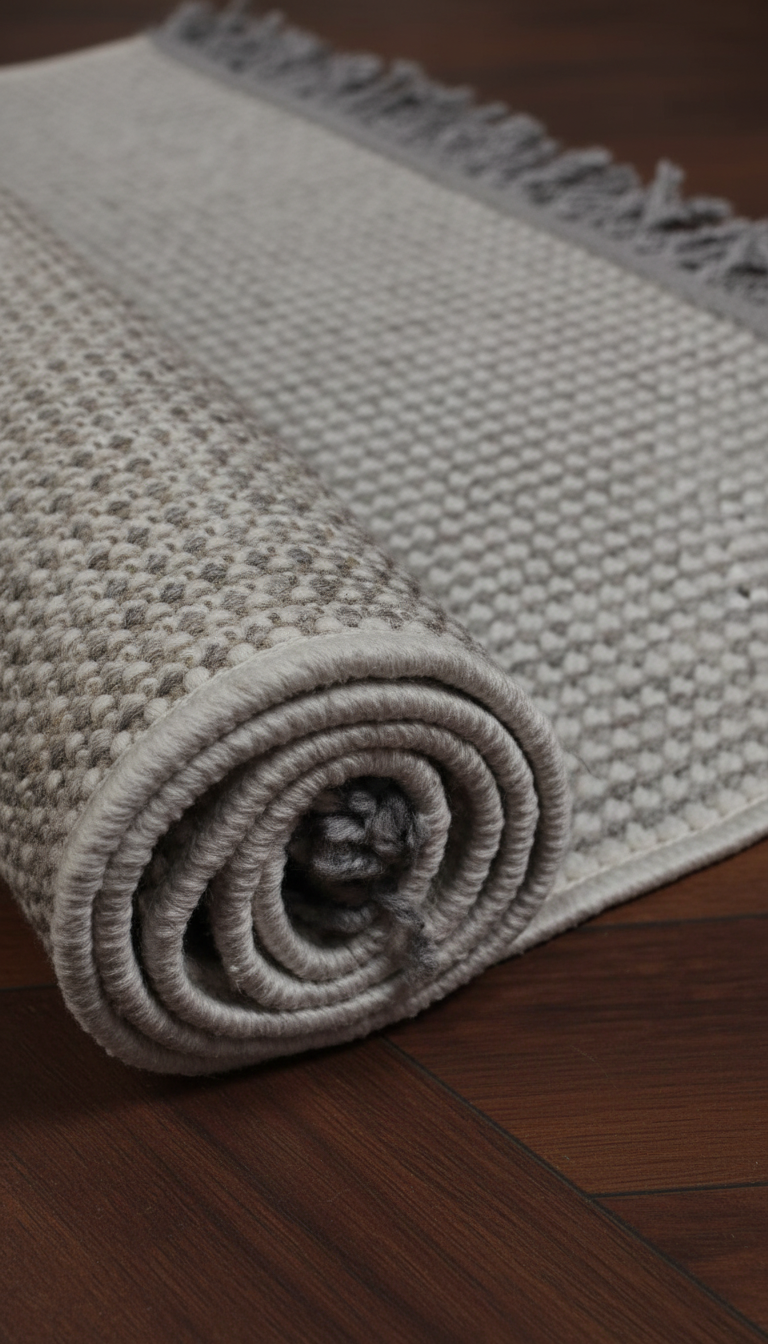
Today's modern commercial spaces adopt the minimalist and Scandinavian design approach, prioritizing simple lines, natural textures, and functionality. This style has the potential to create a calm, spacious, and sophisticated atmosphere in every area, from hotel lobbies to corporate meeting rooms. Rugs are the cornerstone of this aesthetic vision; the right choice defines the character of the space.
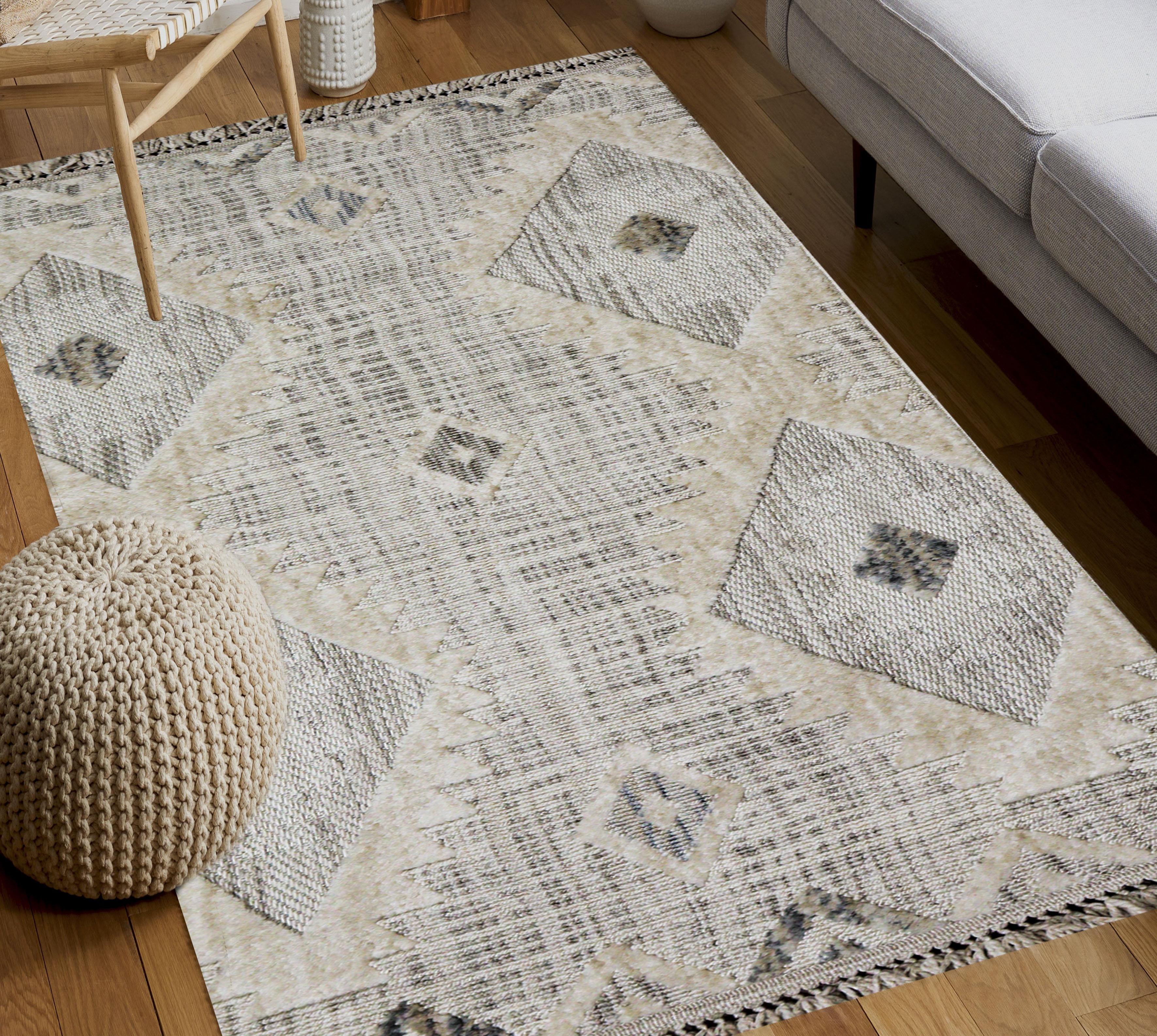
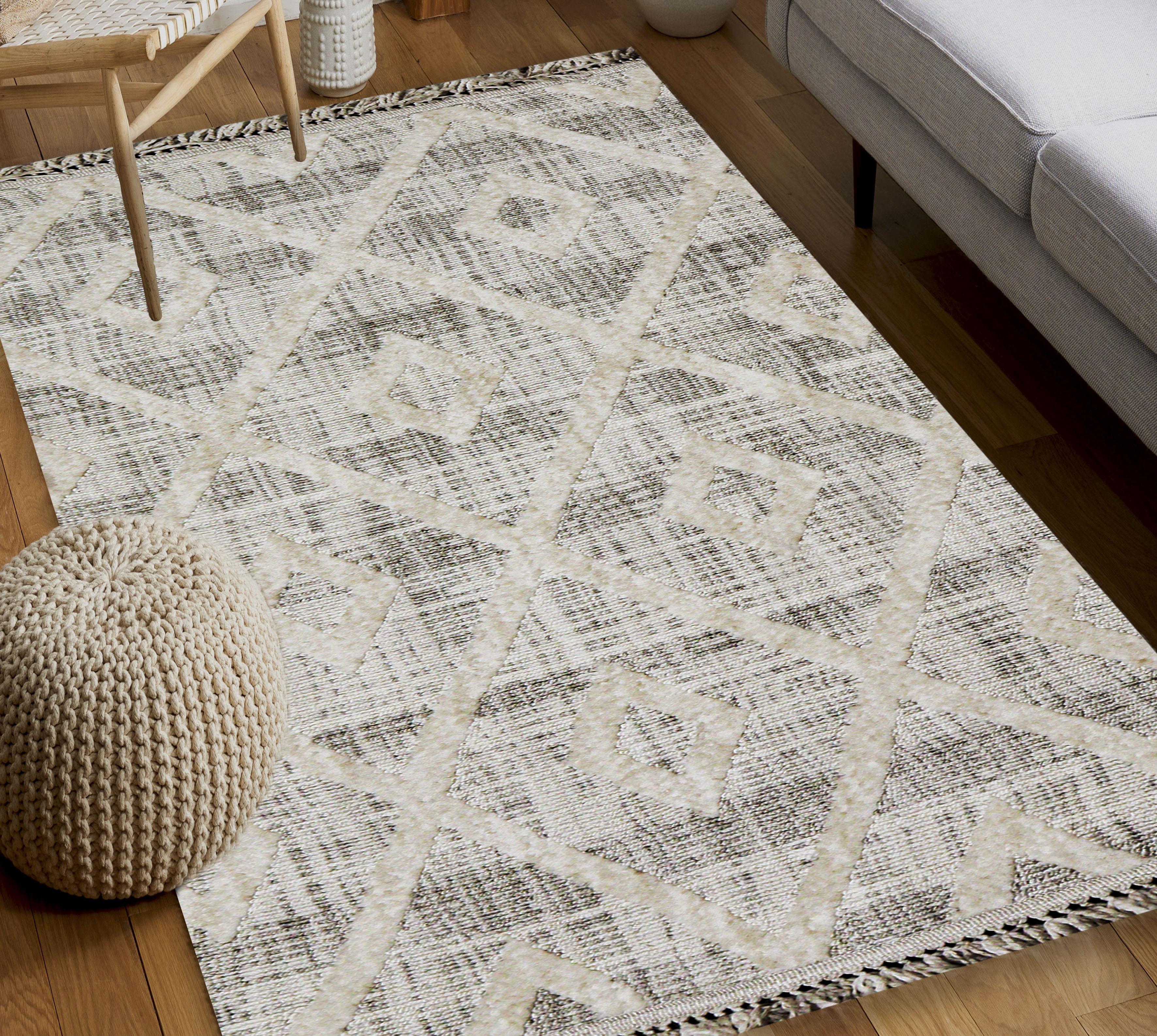
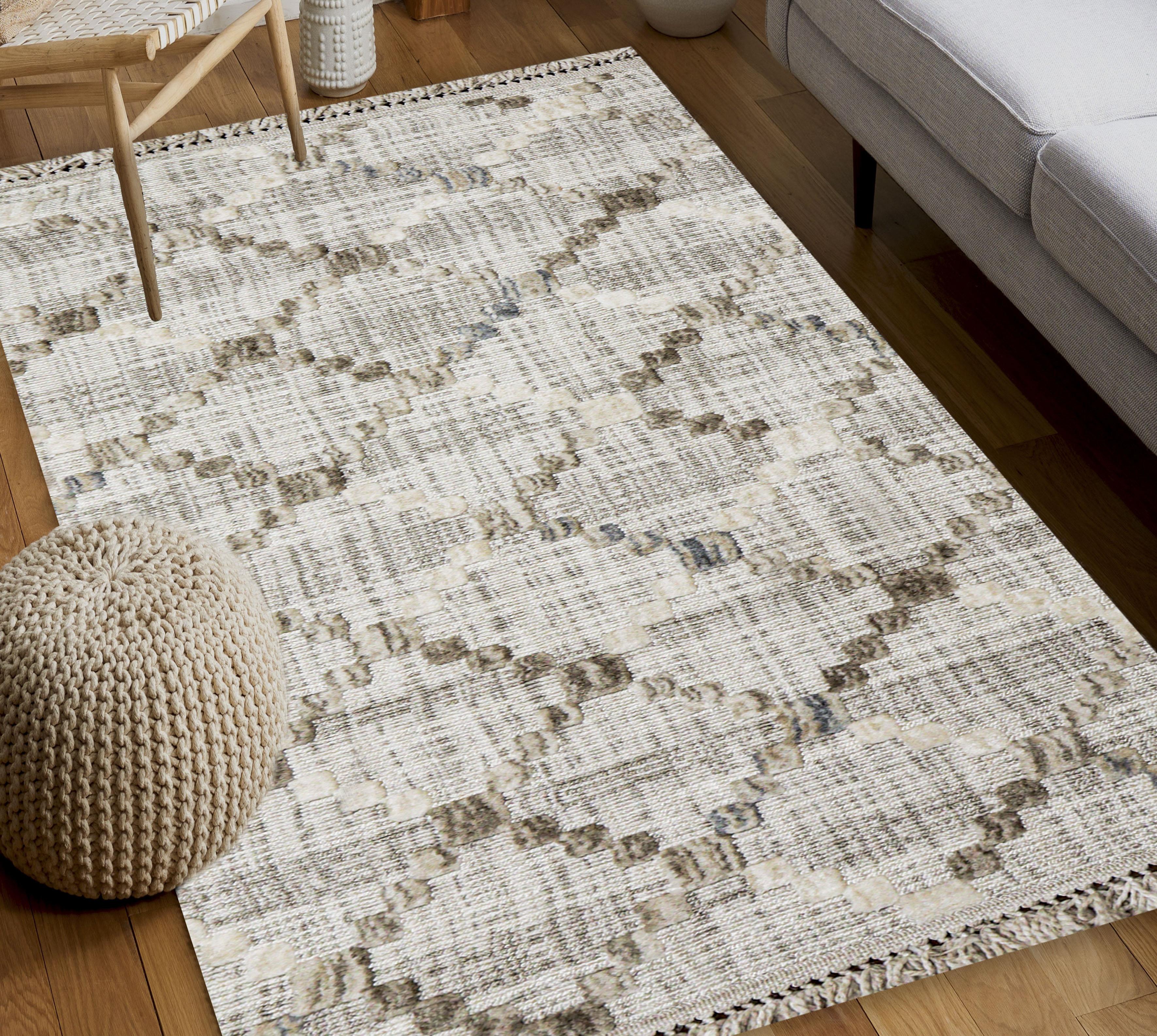
Fundamentals of Minimalist and Scandinavian Aesthetics
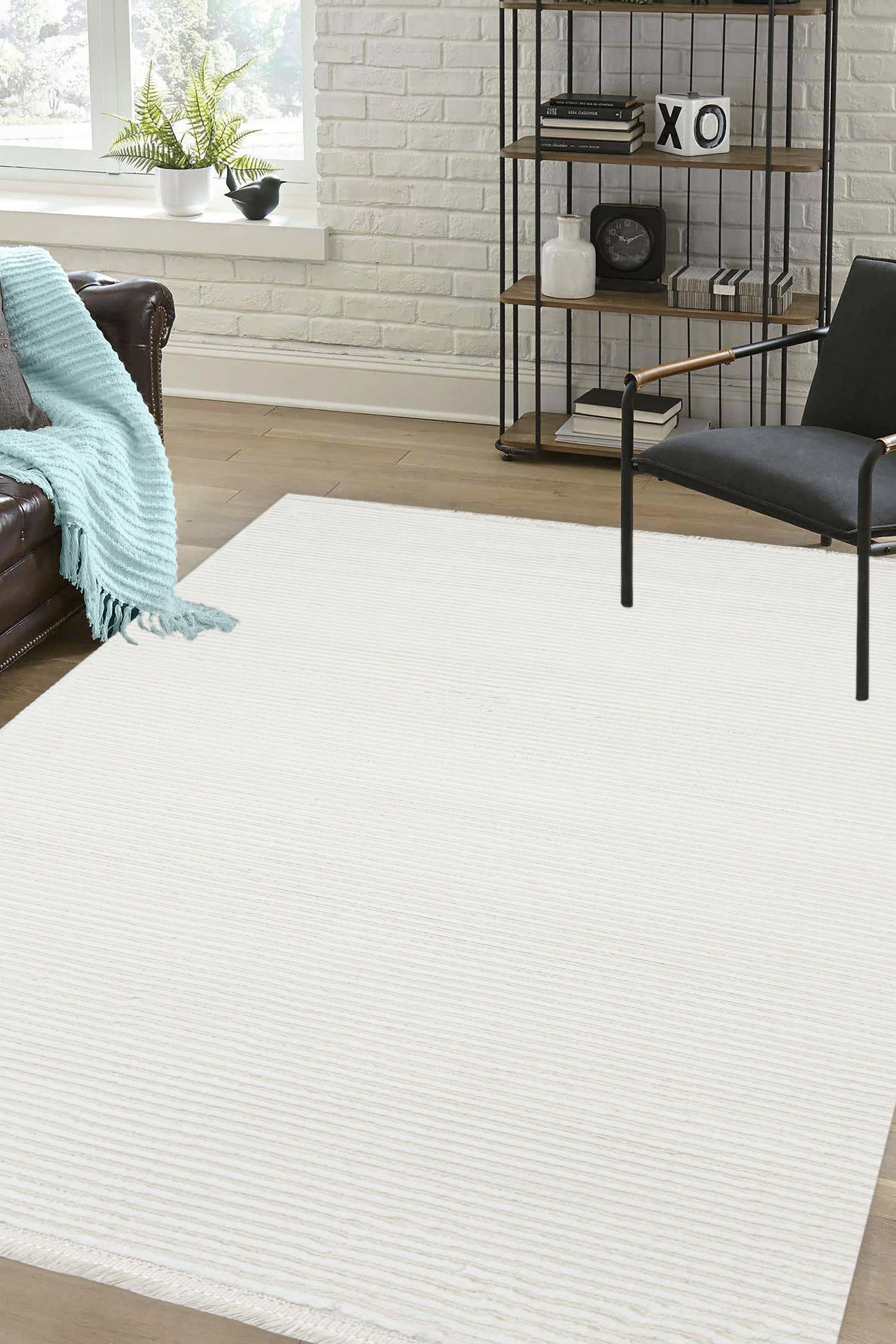
The foundation of Scandinavian design lies in simplicity, functionality, and materials inspired by nature. Minimalist rugs avoid complex patterns, highlighting single-color palettes, neutral tones (beige, grey, cream), and geometric or very subtle textured patterns. This approach makes spaces appear larger, brighter, and calmer; this plays a critical role in enhancing the hotel guest experience.
The success of this style lies in balancing the warmth of natural fibers with modern, clean lines. High-quality wool blends, linen, and natural silk materials meet aesthetic expectations while also offering longevity. The use of this style in corporate projects supports a brand image that is innovative and conscious.
Color Palette and Textural Richness
- Neutral Tones: Light greys, warm beiges, and off-whites that expand the space.
- Natural Accents: Creating minimal textural contrast with wood tones or earth colors.
- Pattern Usage: Very subtle geometric patterns or abstract texture variations should be preferred; visual clutter should be avoided.
Material Selection and Aesthetic Performance
In minimalist rug selection, material quality directly affects not only the appearance but also the durability and functionality of the product. Rugs used for commercial use must withstand heavy foot traffic and continuous use. Even when natural fibers are preferred, they must provide stiffness and wear resistance suitable for commercial standards.
Especially in the hotel sector, insulation properties are important to maximize guest comfort. High-quality wool blends provide temperature regulation and offer natural sound insulation (acoustic) performance, helping to reduce the noise level of the space. These features are a major advantage, especially for lobbies and common areas.
Technical Requirements: Safety and Maintenance
One of the most important criteria in corporate procurement is technical safety standards. Commercial rugs must have certifications that prevent flame spread (fire safety). Furthermore, anti-static properties in areas with intensive electrical devices prevent static electricity buildup, reducing safety risks and extending the life of the rug.
Ease of maintenance is also an undeniable factor in B2B purchases. Although minimalist designs often have less complex patterns for cleaning, the stain resistance of the fibers used must be high. The durability of rugs against professional cleaning and maintenance processes is an important factor in reducing operating costs.
Suggestions for Ease of Maintenance
- Stain Resistance: High-density fibers should be preferred.
- Cleaning Protocol: Resistance to industrial cleaning chemicals.
- Durability Tests: Long-term test results against heavy traffic and friction should be requested.
Corporate Purchasing Strategies
For large-scale projects and hotel chains, cost-effectiveness in rug procurement is critical. Wholesale strategies should be executed through meterage-based discounts and volume-based pricing models. In the purchasing process, priority should be given to compliance with established standards (technical certifications, material quality).
For bulk purchases of Scandinavian style rugs, special pricing tiers should be applied to customers who exceed a certain meterage threshold. This model encourages purchasing volume and allows businesses to manage their budgets more effectively. Long-term agreements with suppliers are the healthiest approach for maintaining price stability and continuous high quality standards.

Sultan Rugs
Follow us on social media for the latest collections, special discounts, and decoration ideas.