
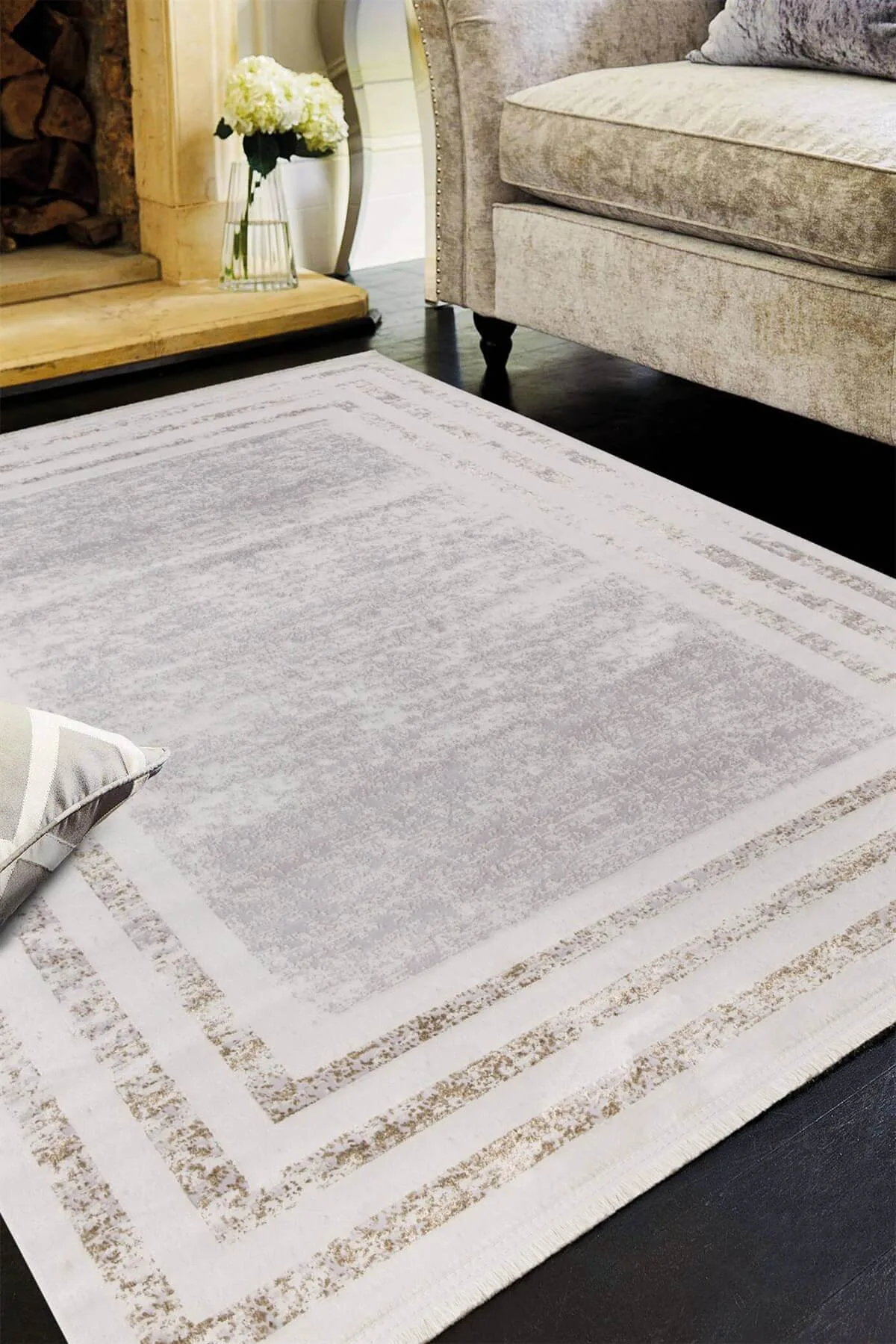
The minimalist decoration trend emphasizes simplicity and functionality, while industrial touches add strength, a raw material feel, and character to this simple structure. This style offers spaces a unique depth and sophisticated functionality, especially for hotel managers, architects, and corporate buyers. The conscious use of elements such as concrete surfaces, black metal details, raw wood, and light-colored brick brings the space into an industrial aesthetic.
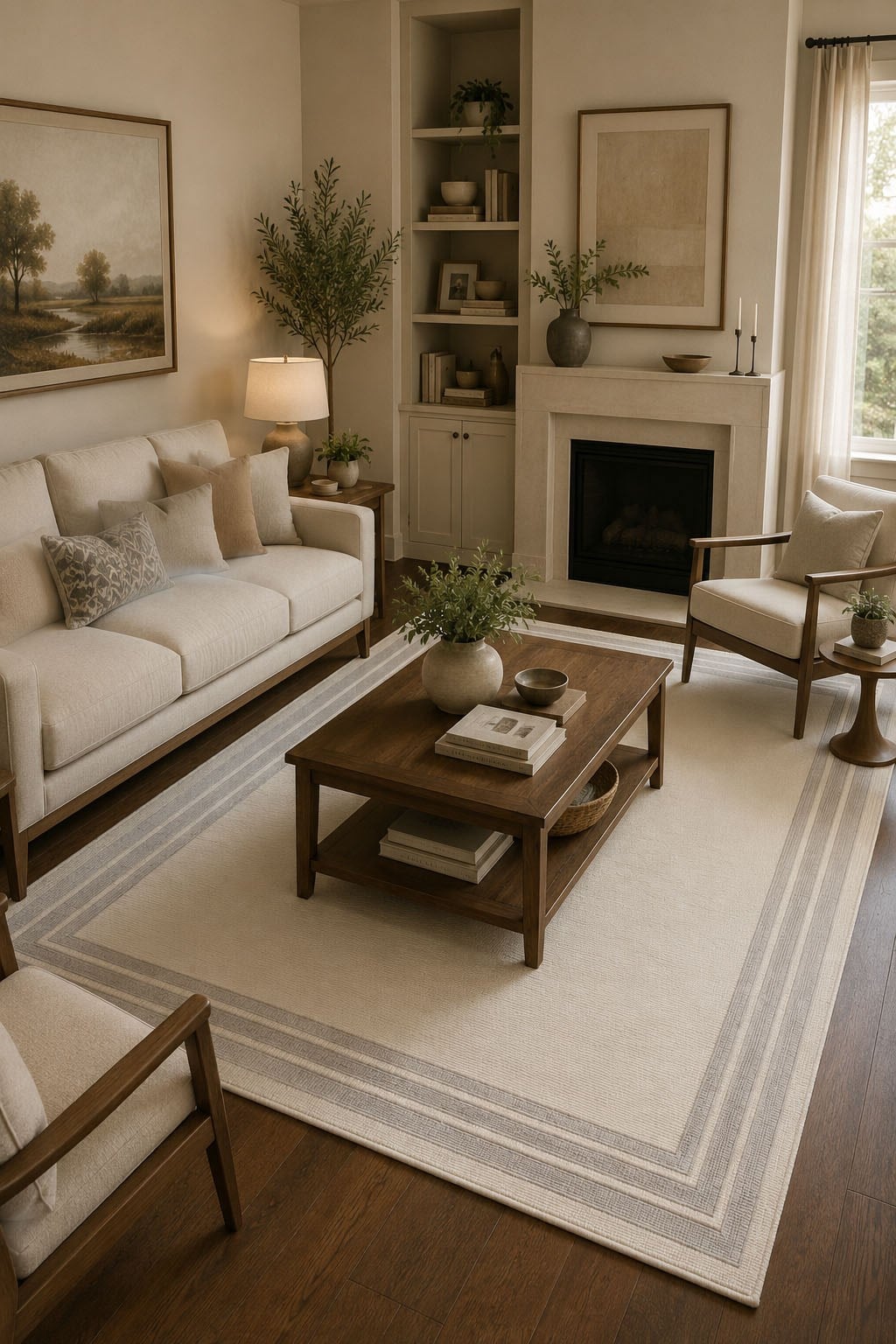
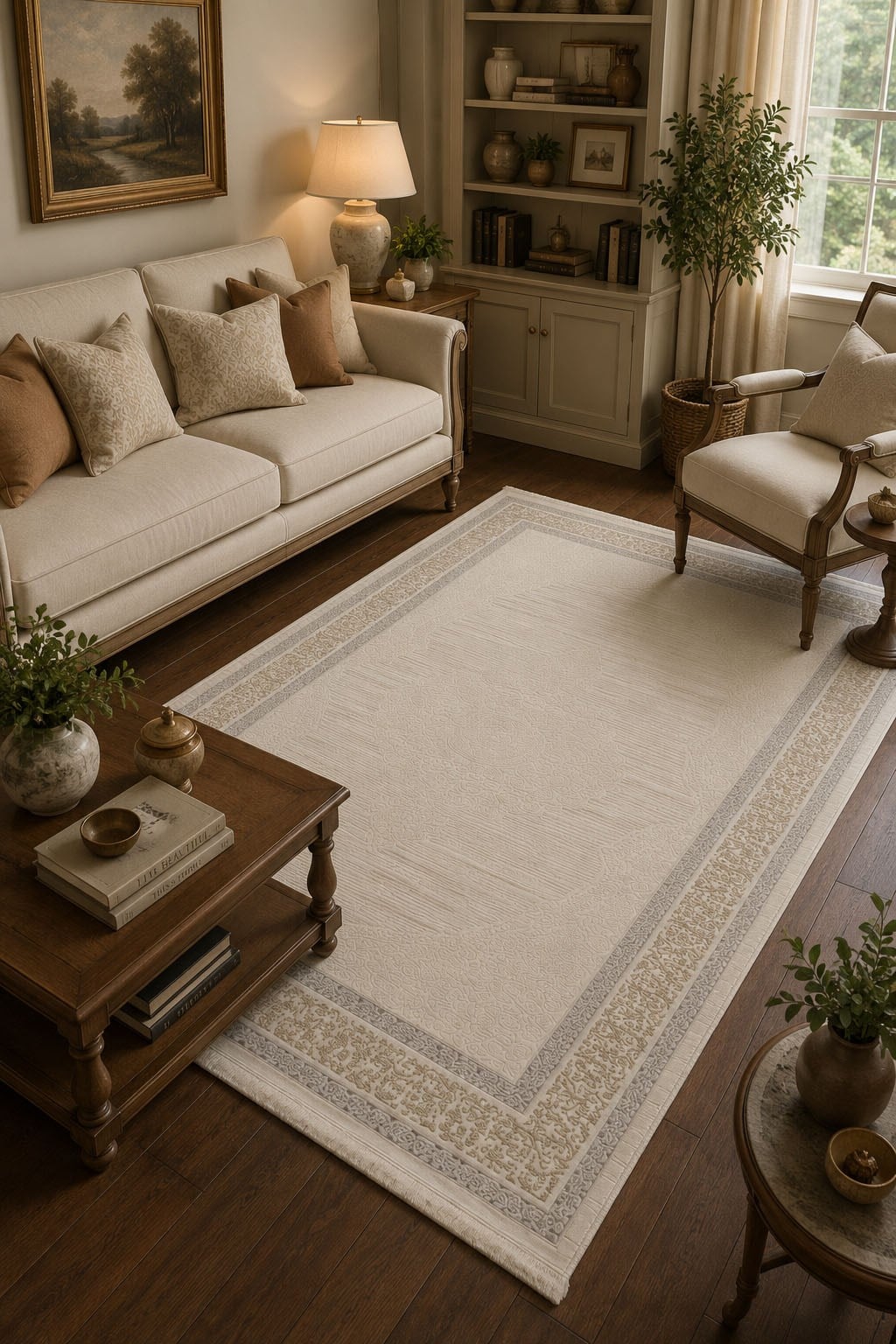

Core Elements: The Foundation of Industrial Aesthetics
Success in industrial minimalism lies in the selection of materials and the balance of contrast between these materials. The goal is to eliminate unnecessary ornamentation while highlighting structural elements.
- Concrete and Raw Surfaces: Natural concrete or concrete-look coverings create a strong base for the space. These surfaces provide textural richness and add solidity to the minimalist line.
- Metal Details: Metal accessories (shelf systems, lighting fixtures, frames) such as black or stainless steel are the elements that most clearly reflect the industrial spirit. These details define the focal points of the design.
- Use of Raw Wood: Unfinished or slightly worn wood (e.g., oak or walnut) softens the hardness of concrete and metal, adding warmth and helping to balance the coolness of the space.
Strategic Use of Lighting and Textures
Light and texture play the most critical role in creating a minimalist industrial atmosphere. Proper lighting reinforces the harmony with material selection.
Using directly focused spotlights or long, pendant metal lamps emphasizes the depth of the surfaces. Functional lighting with sharp lines should be preferred over soft light sources.
Textural richness prevents a monotonous look. The combination of leather, rough fabrics, raw plaster, and different metal finishes adds a visual rhythm to the space. This layering ensures that the space offers not only aesthetic appeal but also a palpable experience.
Performance-Oriented Technical Details
In B2B projects and commercial areas, technical performance is as important as aesthetics. The critical technical considerations for using industrial materials are as follows:
Acoustic Performance: Hard surfaces like concrete and metal tend to create high reverberation. To balance this, the strategic placement of acoustic panels or specially designed fabric/wood dividers is mandatory. Sound insulation is fundamental to creating a comfortable environment.
Safety and Material Properties: Compliance with safety standards for the used metals and surfaces is essential. Especially in commercial areas, the materials used must have antistatic properties to prevent static electricity buildup, while in some applications, the flame retardancy certifications need to be checked.
Maintenance and Cleaning Ease: The maintenance of raw surfaces and metal details affects long-term costs. The chosen coatings and surfaces must be easy to clean and resistant to scratches, which will increase efficiency in hotel operations or office cleaning processes.
Corporate Purchasing and Quantity Management
The success of this type of decoration depends on effective supply chain management. For corporate buyers, the most important factors are quality consistency and cost-effectiveness.
Unit and Quantity-Based Discount Models: For large-scale projects or corporate clients requiring continuous supply, unit-based discount systems should be applied through standard product groups. For example, offering tiered discount rates for purchases exceeding a certain quantity simplifies budgeting processes.
Quality Control Procedures: A strict quality control process is necessary to verify that every delivered piece (metal profiles, concrete coverings, etc.) meets the defined aesthetic and technical standards. This preserves the overall integrity of the project and prevents potential failures from the start.
Material Compatibility: When different industrial elements (e.g., a metal shelf system with a wood finish) are used together, harmony must be achieved between color temperature and surface roughness. Discussing this compatibility with suppliers in advance minimizes visual conflicts that may arise later.
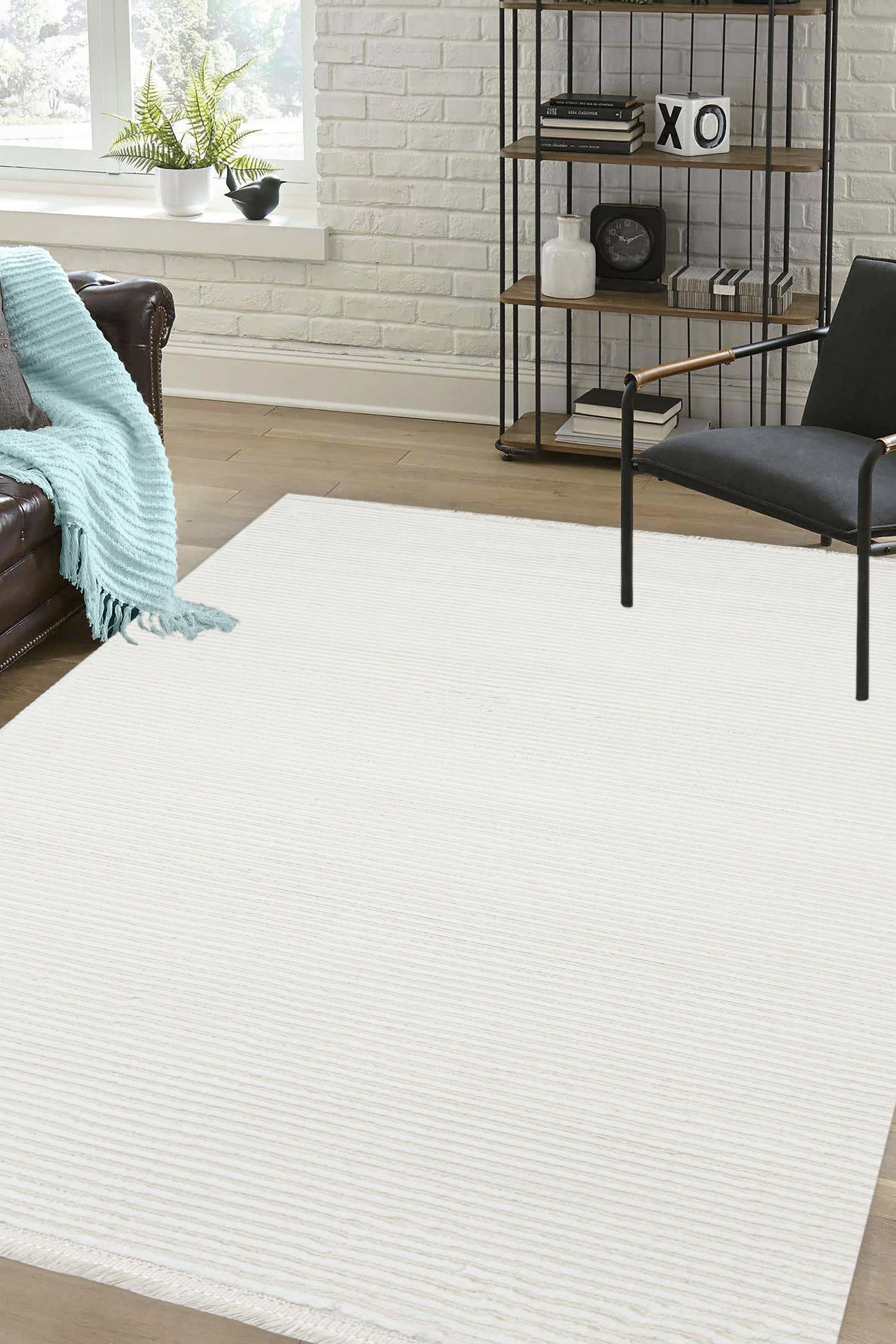
Sultan Rugs
Follow us on social media for the latest collections, special discounts, and decoration ideas.