
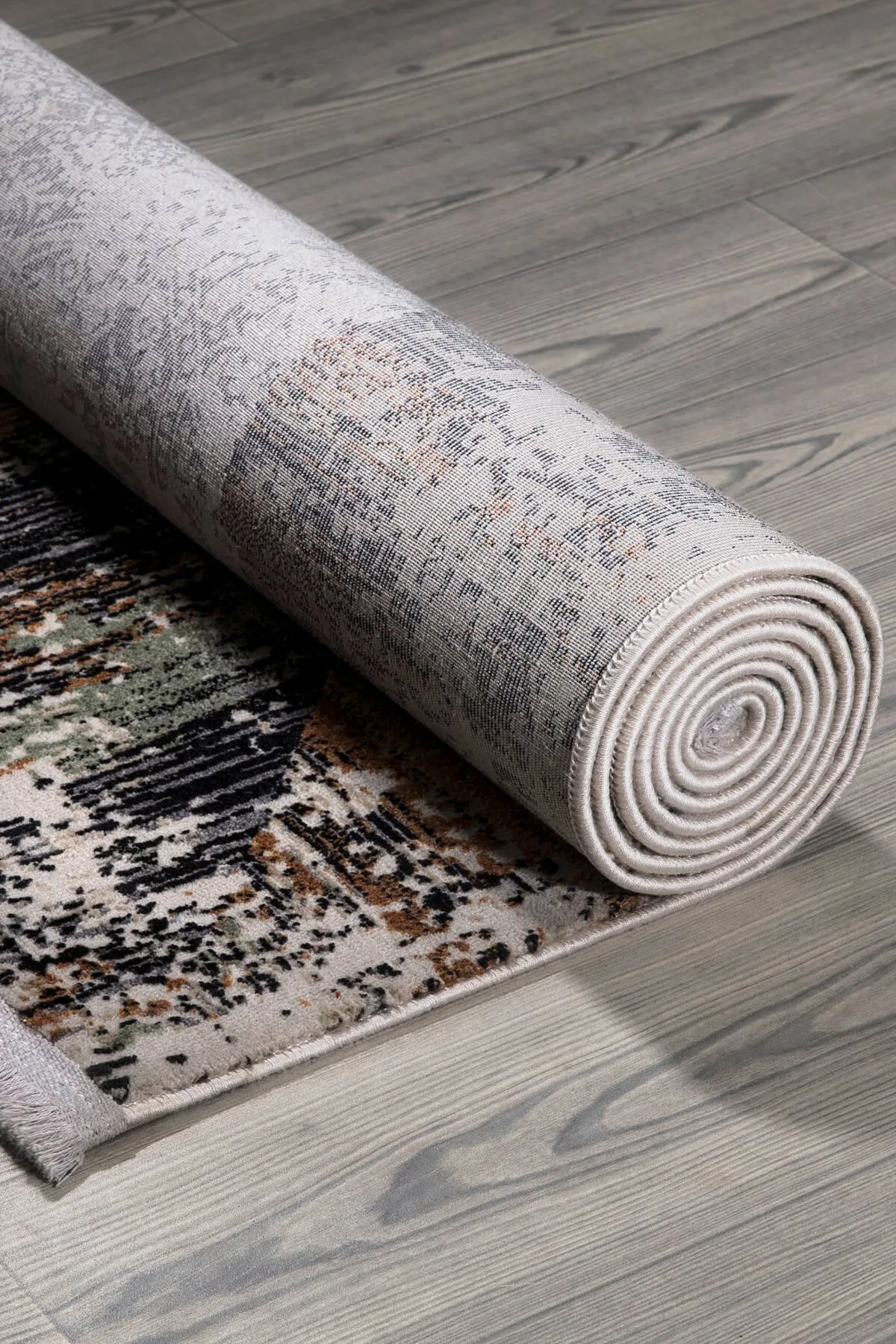
Minimalizm, sadece az eşya kullanmak değil, aynı zamanda her öğenin bir amaca hizmet etmesini sağlamak ve mekanın özünü öne çıkarmaktır. Otel yöneticileri, mimarlar ve kurumsal alım uzmanları için bu yaklaşım; zamansız bir estetik sunarken operasyonel verimliliği de artırmaktadır. Bu rehberde, sade bir görünümü derinlikli dokunuşlarla nasıl zenginleştireceğinize dair 20 somut öneri sunulmaktadır.
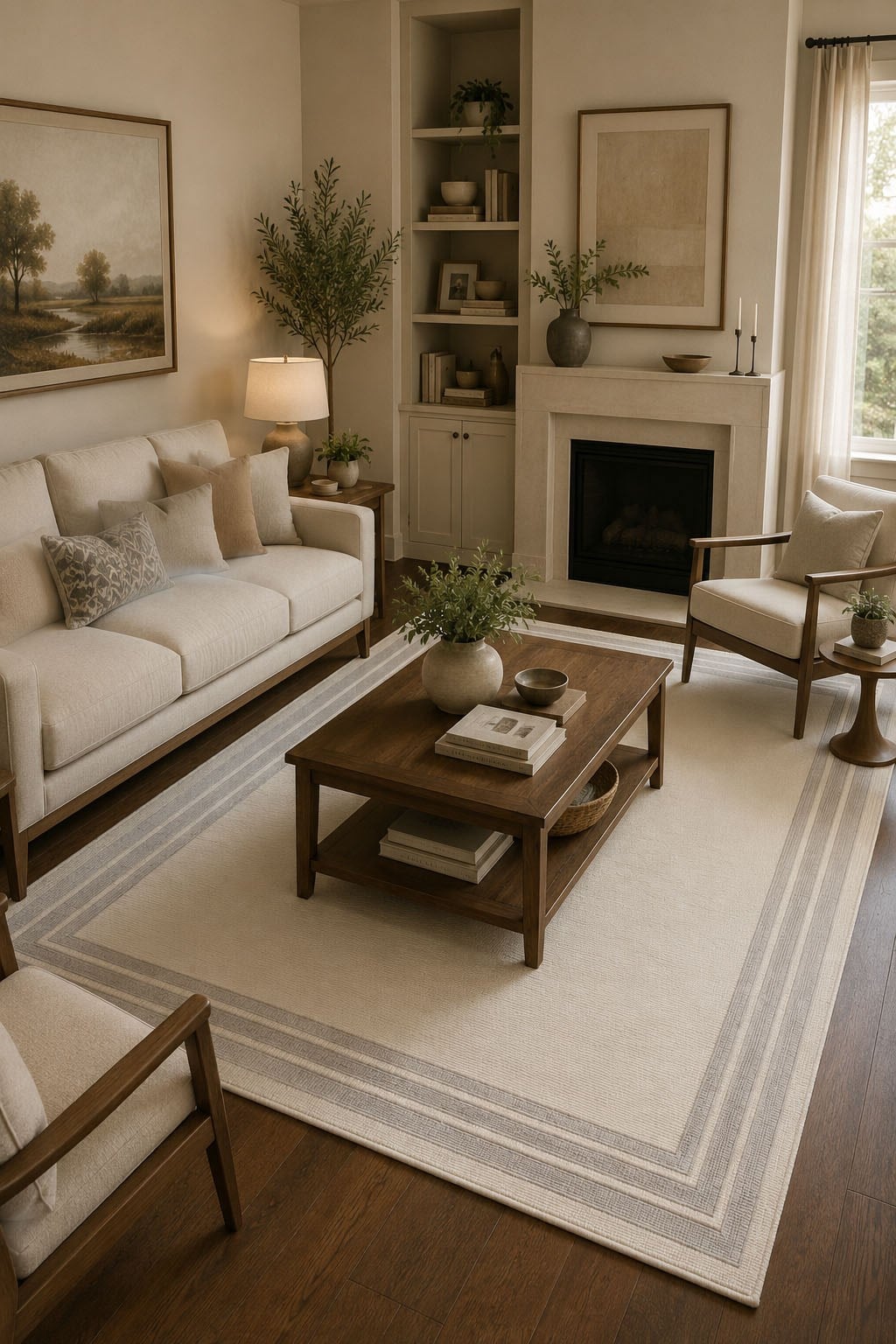
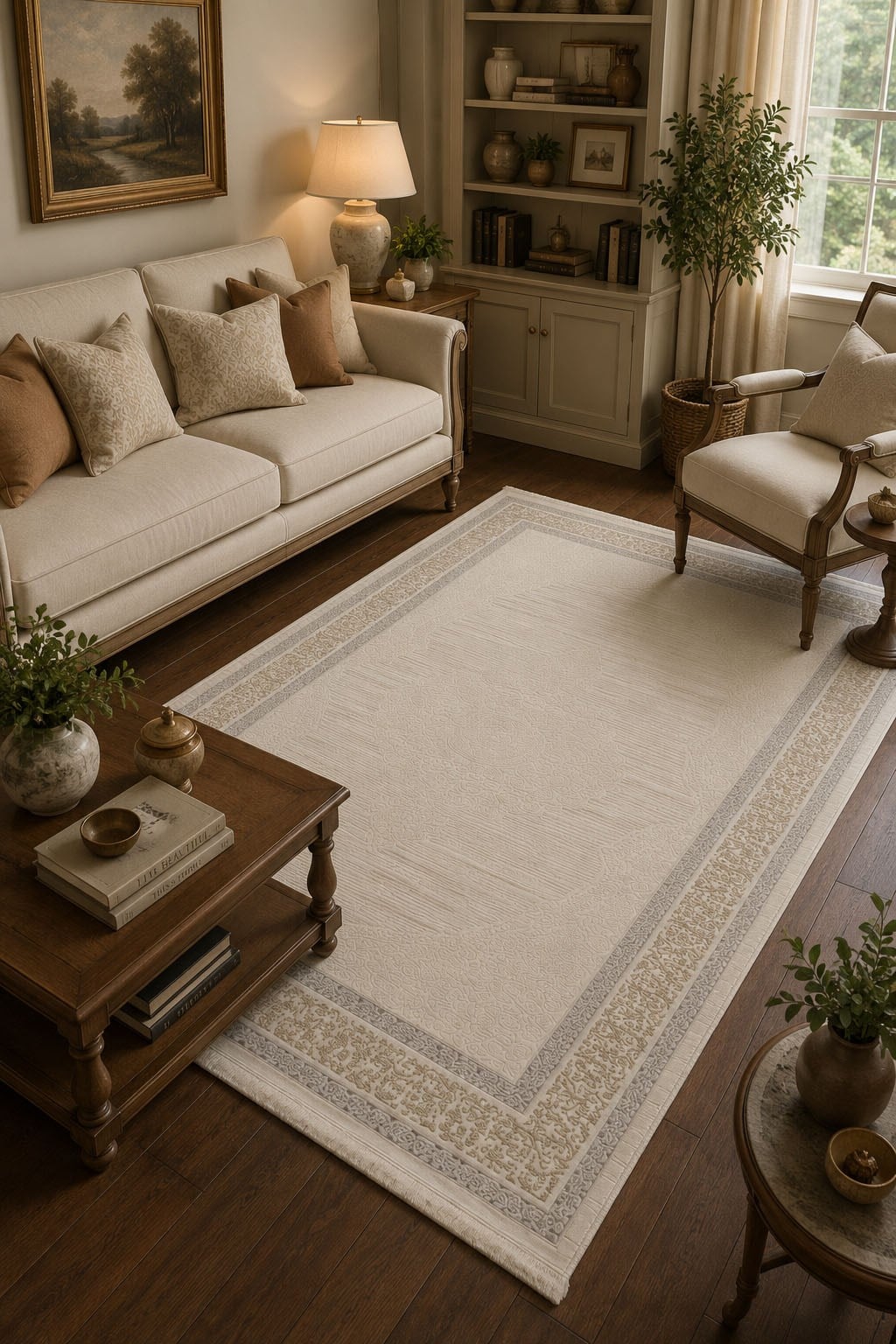
Basic Minimalist Principles
Functionality and Use of Space
The cornerstone of minimalist design is prioritizing functionality. Every decorative element must have a purpose, and unnecessary embellishments should be avoided. This principle both increases the fluidity of the space and simplifies maintenance processes. Light color palettes should be preferred to make wall areas and floors appear spacious, and vertical spaces should be used strategically.
In furniture selection, sharp lines, simple forms, and hidden storage solutions are a priority. This approach eliminates clutter, providing the user with a peaceful environment. Smooth and uniform surfaces are the first step in creating visual tranquility.
Furniture and Lighting Choices
The Power of Form
In minimalist decor, furniture should possess the quality of a work of art. Avoid overly ornate details and focus on material quality and ergonomic design. Flat-surfaced tables, chairs with thin frames, and storage units with simple frames are ideal. These choices reinforce the modern and sophisticated perception of the space.
Lighting is the most critical element in setting the atmosphere in a minimalist space. Maximizing natural light is essential; artificial lighting should be hidden, directed, and warm-toned. Linear LED systems or recessed lighting should be preferred over spotlights to achieve both an aesthetic and clean look.
Enriching with Texture
Simplicity can sometimes lead to monotony. Using texture layers is important to establish this balance. For example, matte wooden surfaces can be combined with glossy metal accents or natural stone-look coverings. The controlled use of different textures (velvet, linen, polished metal) adds depth to the space.
Material and Color Palette Strategies
The Psychology of Colors
Minimalist palettes are generally built on neutral tones; white, beige, gray, and earth tones should be the main colors. These calm colors provide mental relaxation. Accent colors should be kept very minimal, and these accents should be made through a specific artwork or a single accessory.
Material selection determines the quality of the minimalist look. Industrial yet refined materials such as concrete-look surfaces, natural stones, and brushed metal details should be preferred. The natural texture of these materials breaks up the coolness of the space.
Technical Requirements and Application Details
Acoustic Solutions
Sound insulation is vital in corporate and luxury hotel projects. Acoustic solutions must be integrated without compromising minimalist aesthetics. Sound-absorbing panels are designed, such as decorative artworks, to preserve the aesthetic integrity of the space. The surface finishes and colors of these panels must be consistent with the overall design language.
Sound insulation features must be considered in floor coverings for noise control, and acoustic coverings should be used on walls. These technical details are hidden elements that directly affect the user experience.
Protection and Maintenance
Material selection must also include ease of maintenance. Surfaces used in high-traffic areas must be resistant to scratches and stains. Especially in metal and glass applications, durable coatings resistant to UV rays and wear should be preferred.
Cleaning processes must also align with a minimalist philosophy; maintenance costs should be optimized by using a small number of high-quality cleaning materials. Easy-to-wipe surfaces ensure operational efficiency in the long term.
Corporate Purchasing Strategies
Quantity and Unit-Based Discount Structure
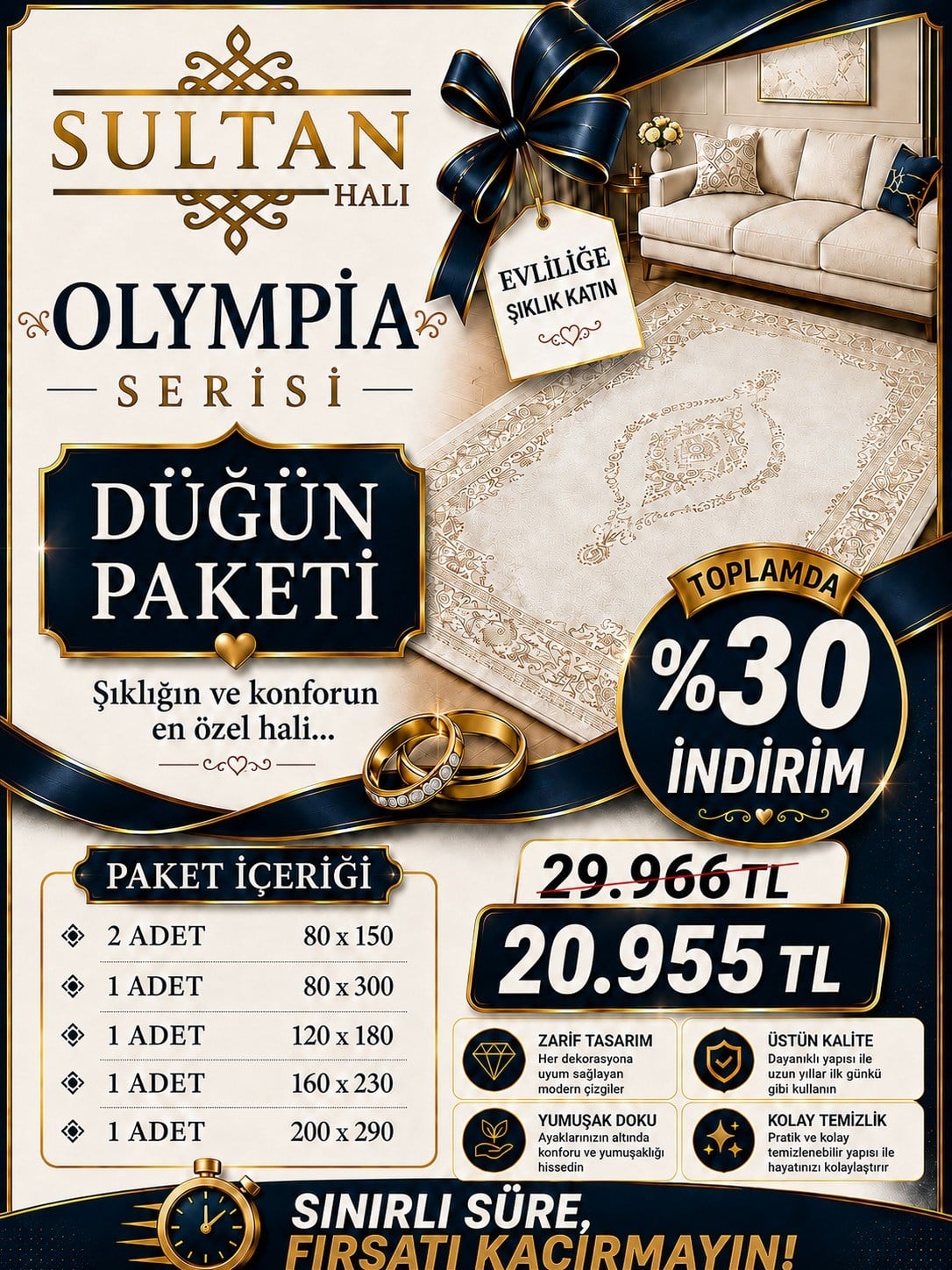
Bulk purchasing strategies are critical for ensuring cost-effectiveness in large-scale projects. Quantity or unit-based discount systems should be offered to corporate customers. These systems provide the buyer with the opportunity for competitive pricing based on volume.
For example, structured offers should be provided, such as applying a percentage discount on the standard unit price for purchases exceeding 50 square meters of a specific material group. This transparent discount logic speeds up purchasing processes and simplifies budget management.
A guarantee of quality and consistency is the main motivation for bulk purchases. Suppliers should lay the groundwork for long-term collaborations by offering consistent quality through standard product series.
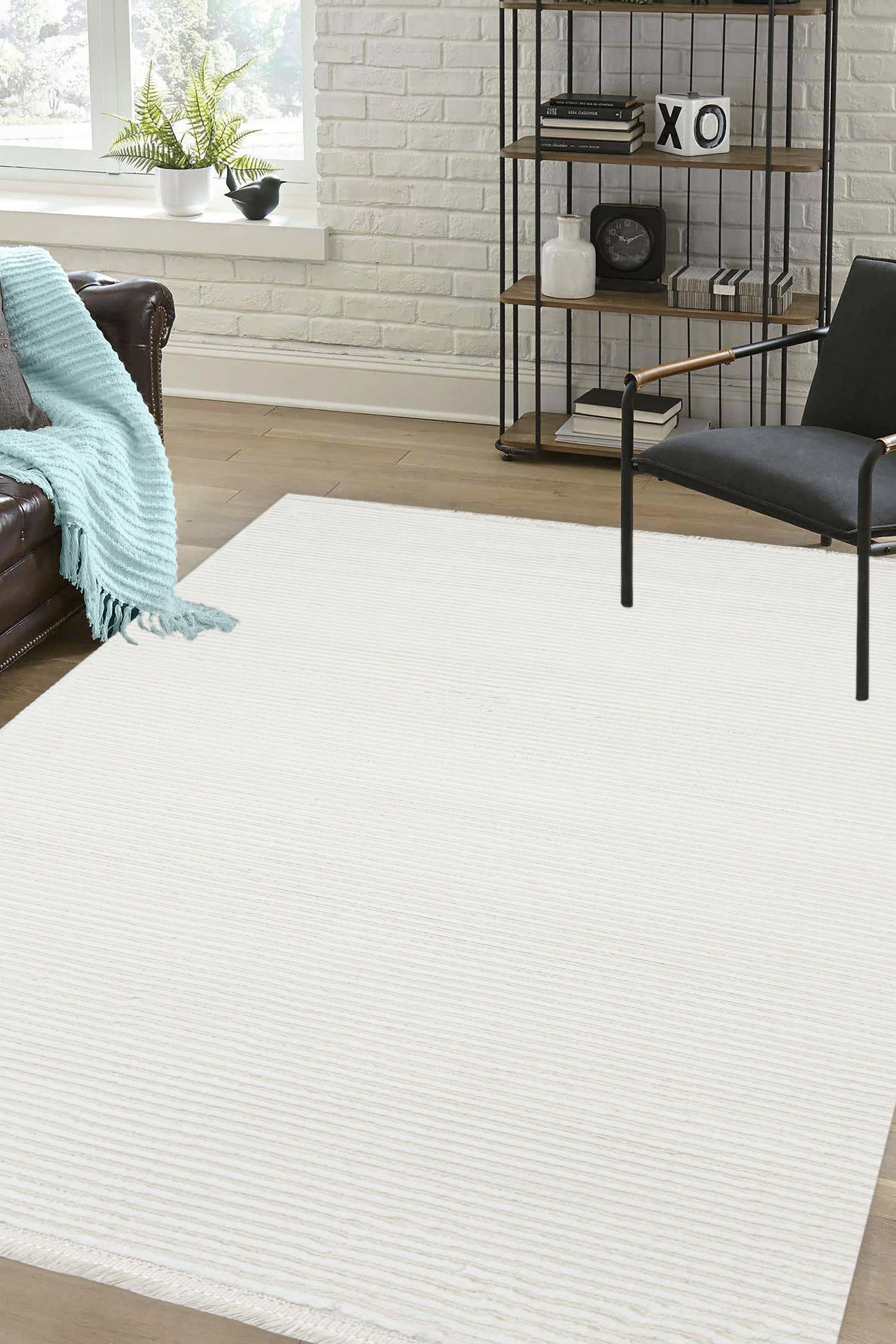
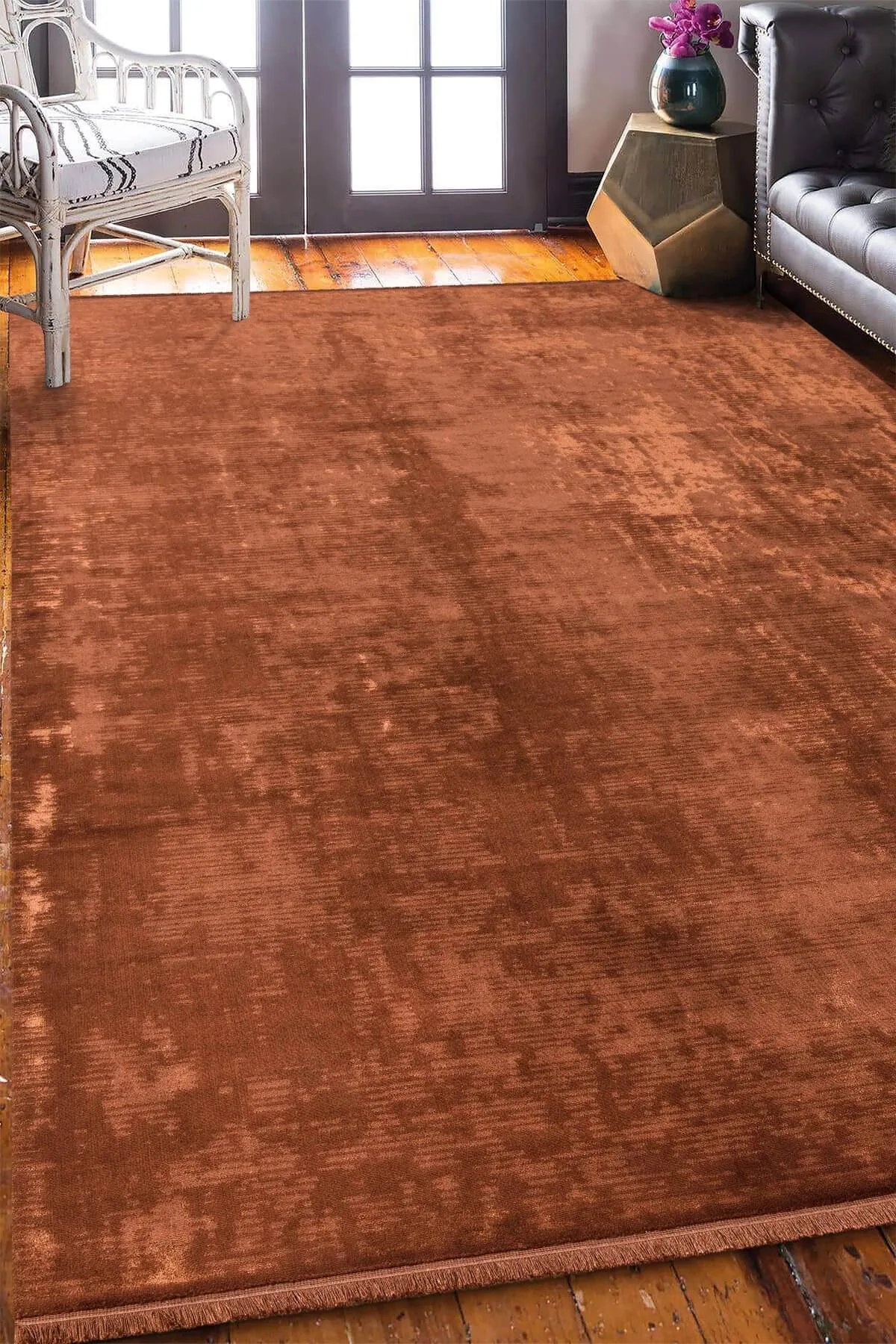
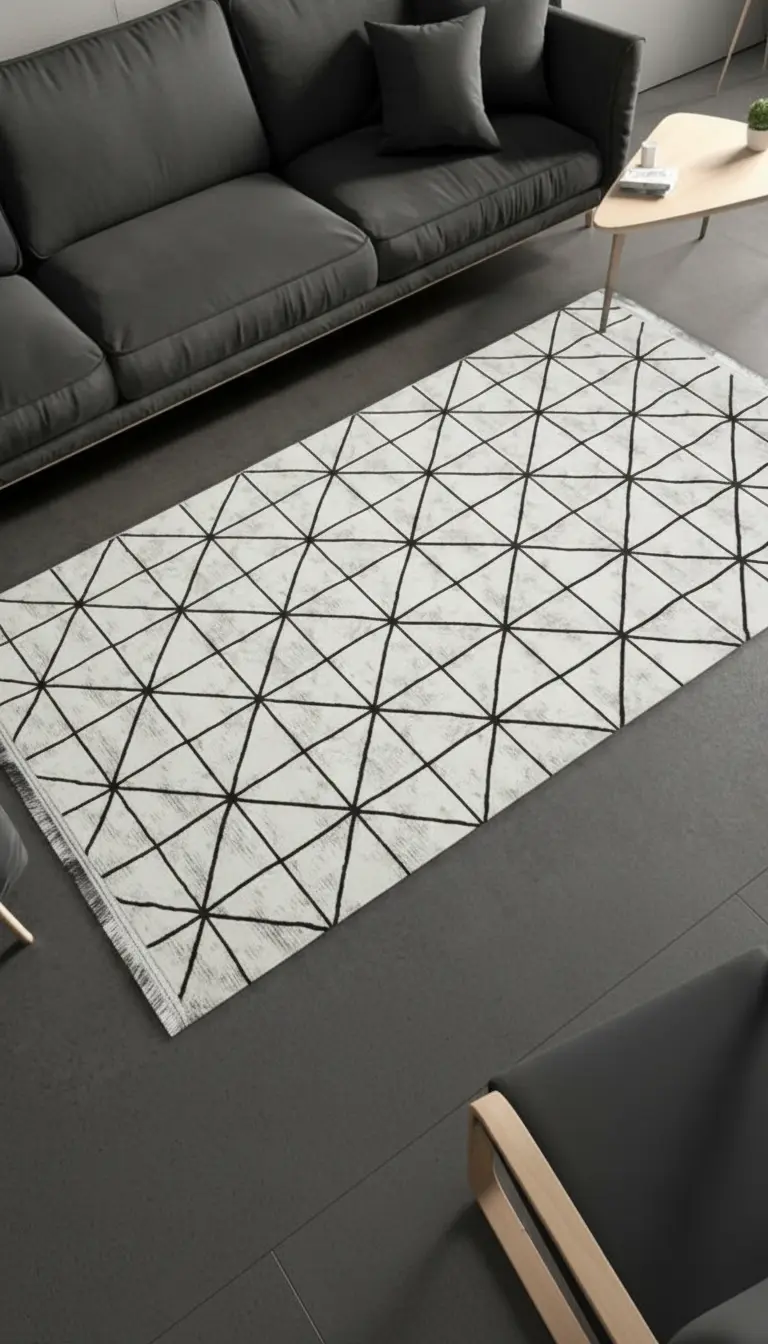
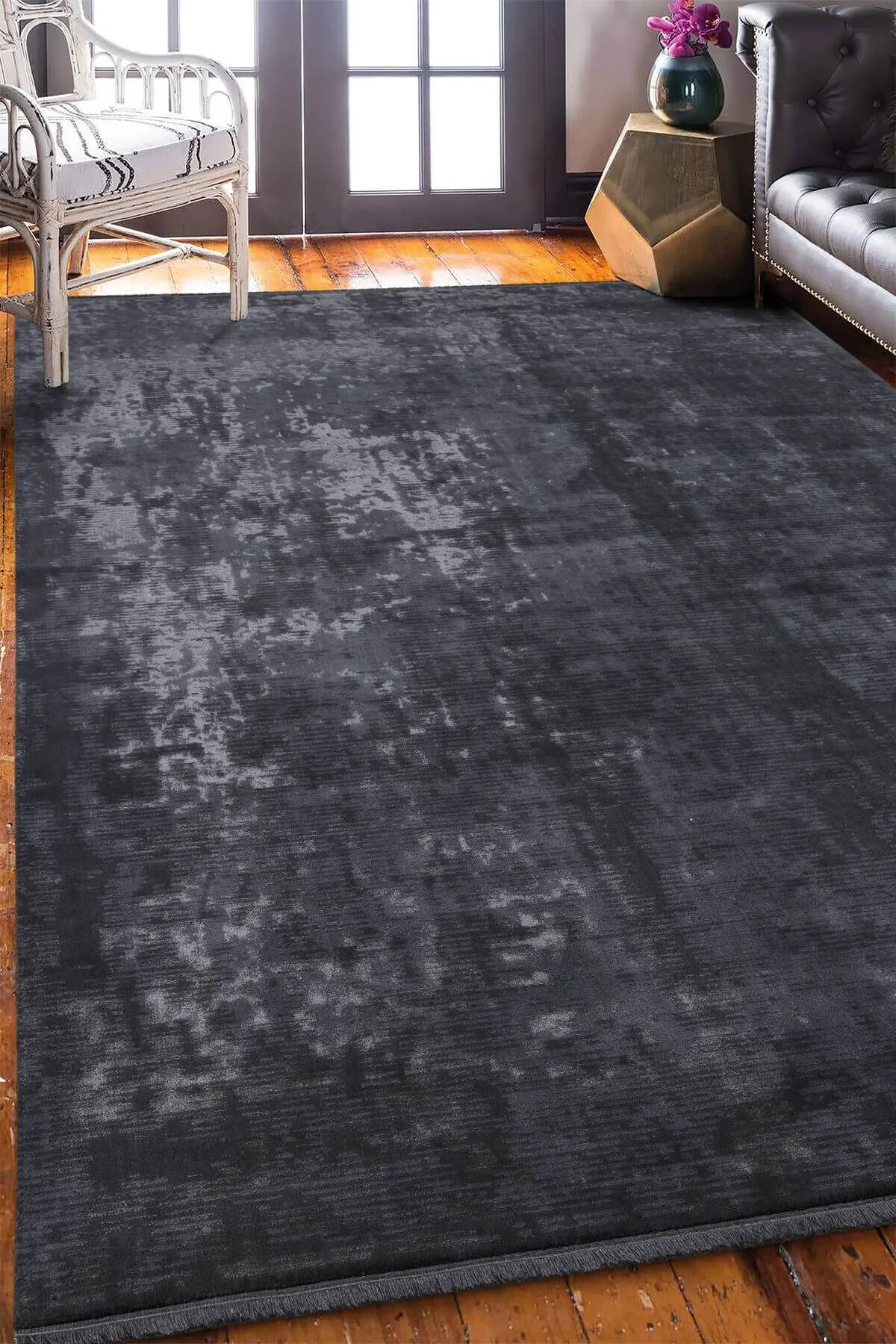
Sultan Rugs
Follow us on social media for the latest collections, special discounts, and decoration ideas.