
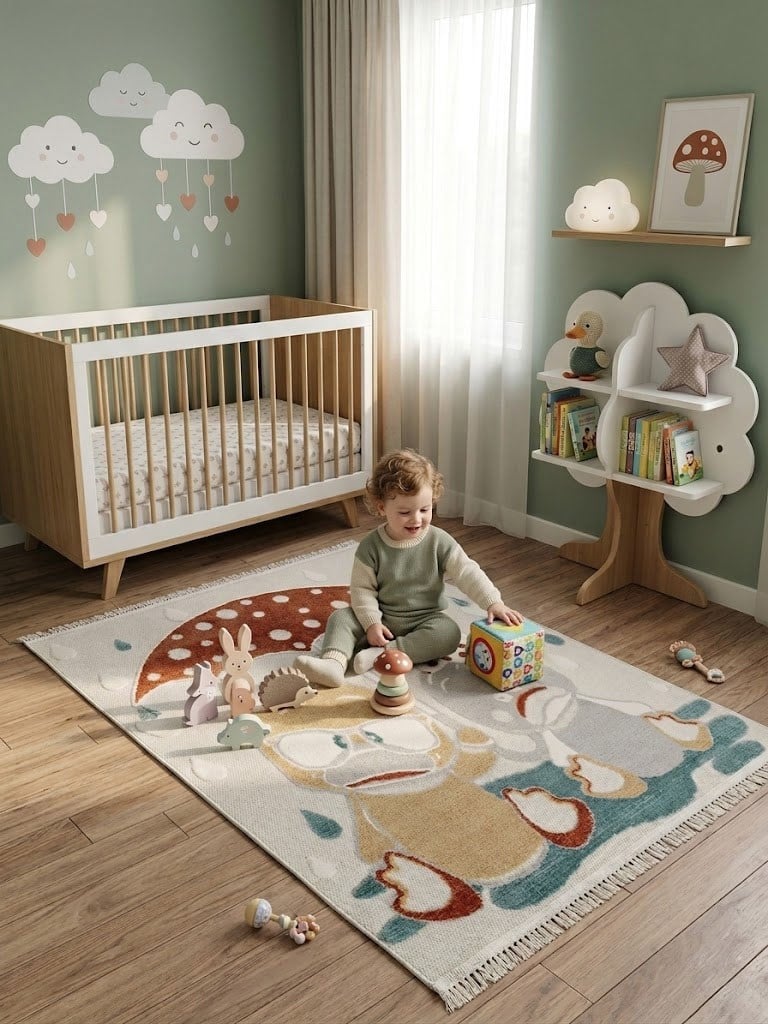
Libraries, hotel common areas, and corporate offices are high-standard environments. Misdetermining carpet size in these settings can lead to budget overruns and a degraded user experience. Proper sizing not only establishes the atmosphere of the space but also directly impacts ease of maintenance and technical performance.
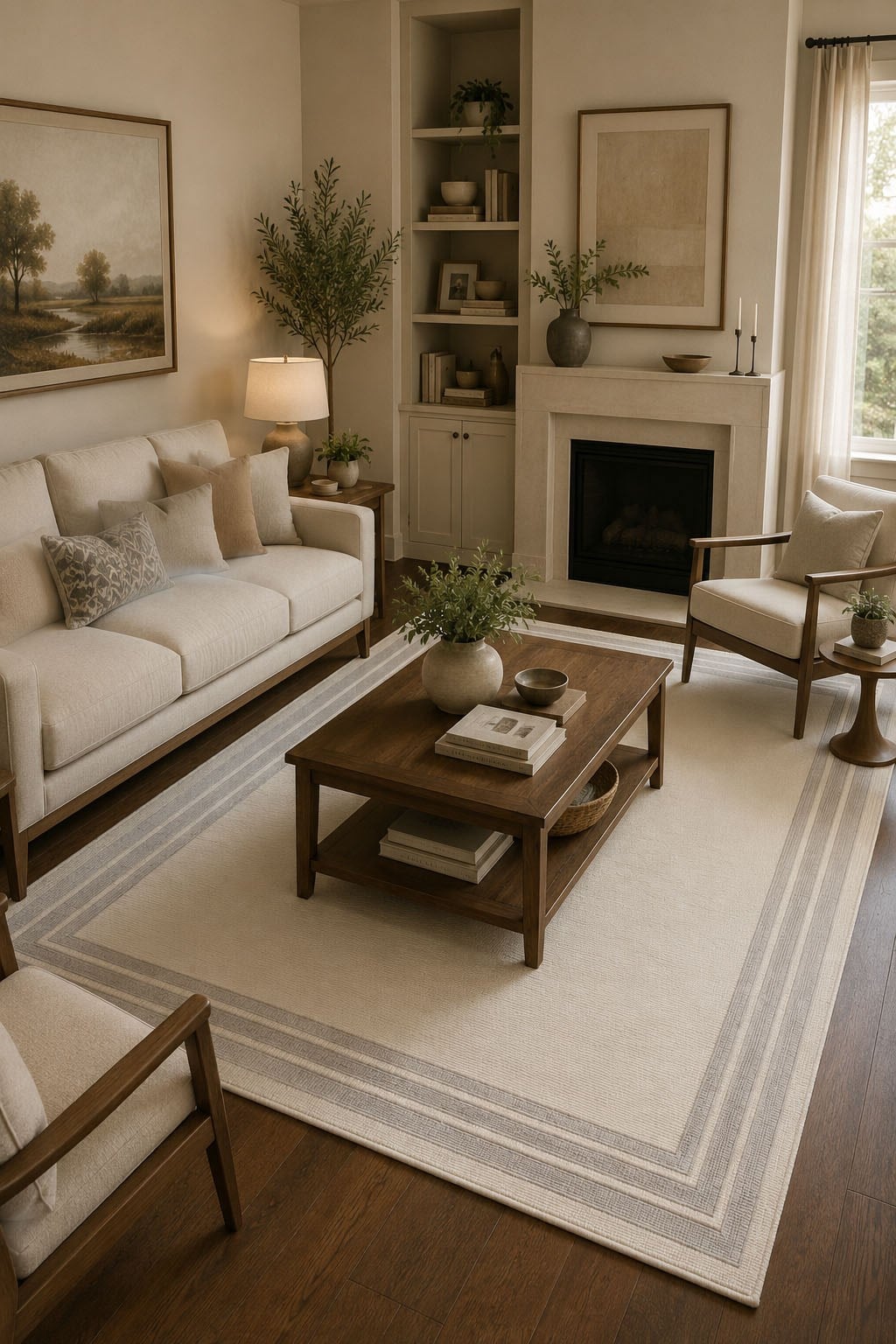
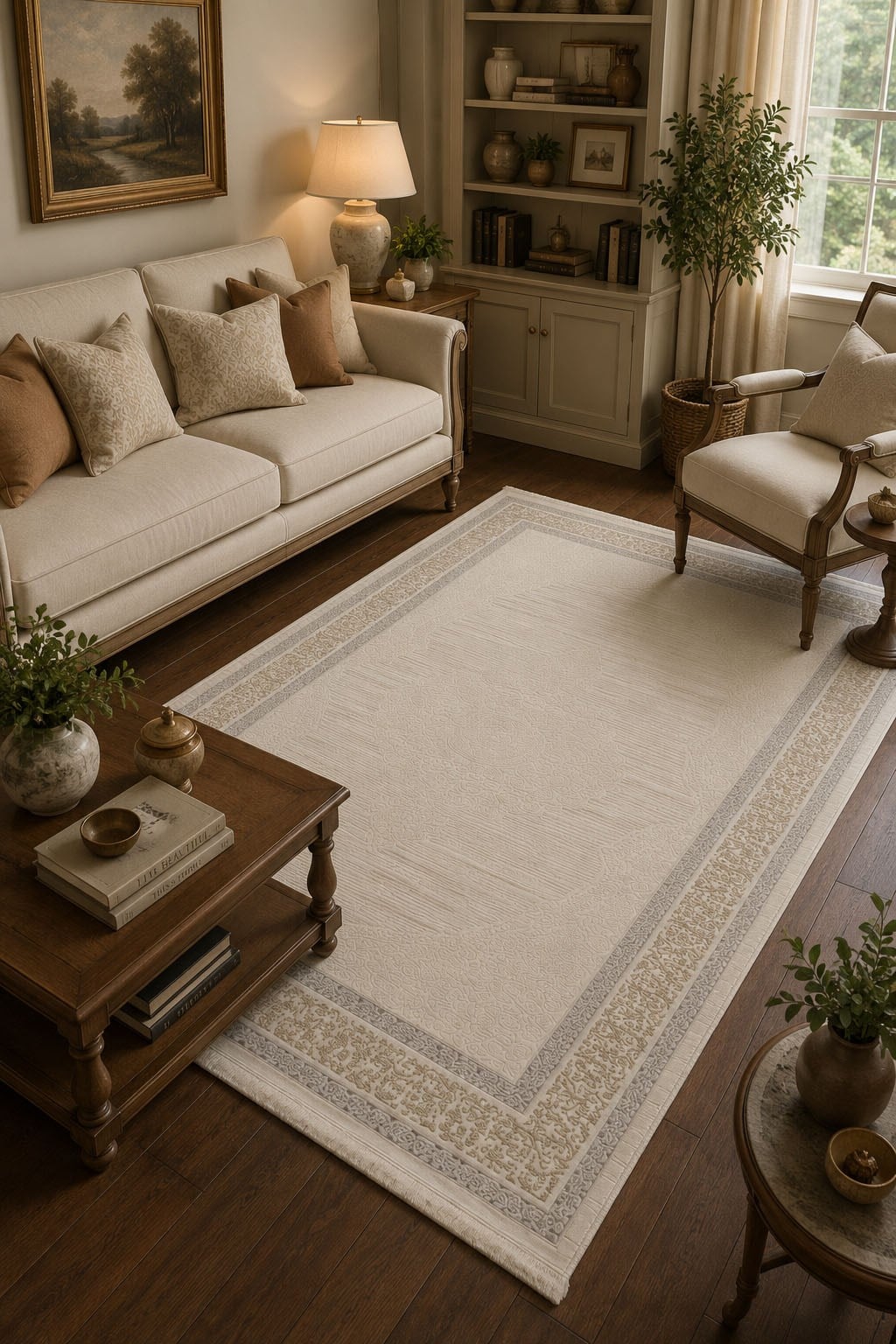
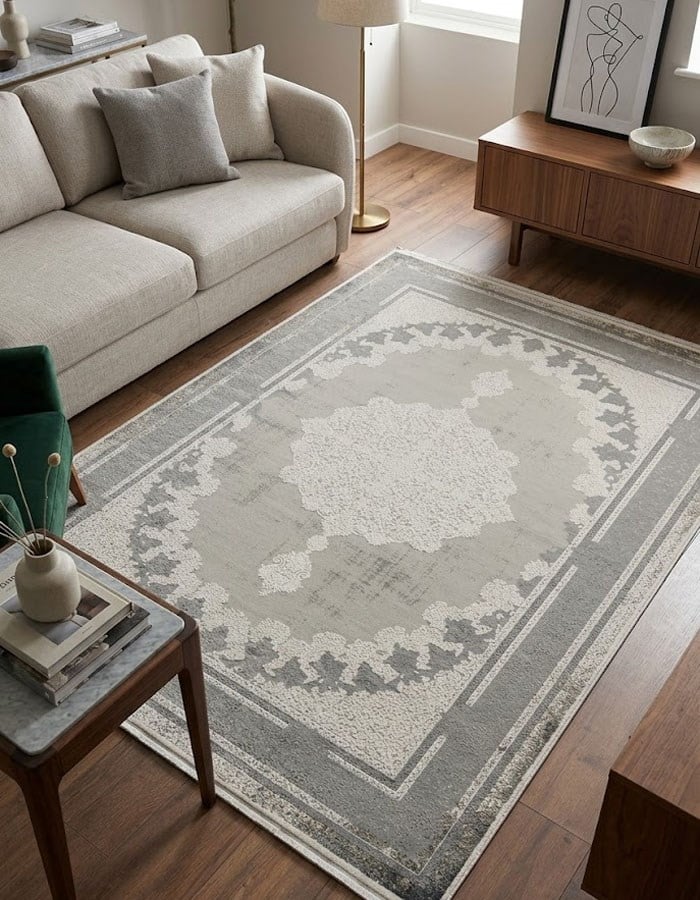
The following outlines the three fundamental rules and detailed technical requirements to follow for a successful flooring installation.
1. Spatial Analysis: Accurately Calculating Area Measurements
Traffic Flow and Furniture Layout
When determining carpet size, the first step is analyzing the overall usage purpose and traffic density of the area. In libraries, sufficient space must be left for reading nooks, study desks, meeting groups, and thoroughfare paths. Carpet dimensions should be planned to create an arrangement where furniture can move comfortably.
For example, in a large shared workspace, instead of having the carpet cover an entire zone, consider partial applications with different sizes or patterns to delineate different functional areas. This approach provides both aesthetic richness and operational flexibility.
Defining the Focal Point
Every library space has a focal point—this could be a bookshelf, a private lounge area, or a presentation center. The carpet size and pattern must be designed to support this focal point. In large areas, creating visual hierarchy through zoning rather than a single large rug is often more effective.
2. Functionality and Aesthetic Harmony
Material Selection and Usage Purpose
The material chosen for the carpet must harmonize with the overall atmosphere of the library. Low-pile, natural fiber, or wool-based materials are preferred for quiet reading areas, while durable and professional-looking synthetic options may be suitable for more formal meeting rooms. The texture of the material defines the desired mood.
Color Palette and Pattern Relationship
The color palette affects the psychology of the space. In libraries, using neutral tones that promote calmness or specific colors that enhance focus should be strategic. Pattern selection must serve the area's purpose; complex patterns can be distracting, while simple and orderly designs will add a professional touch.
3. Technical Performance and Durability Standards
Fire Safety (Flame Retardancy)
Safety is the most critical element in corporate and hotel projects. The carpets used must comply with established fire safety standards. Ensure that the carpets have flame retardant certifications, and check these documents during the purchasing process.
Acoustic Performance
Sound insulation and acoustic performance are vital in a library environment. The thickness of the carpet, its fiber structure, and the underlay must enhance sound absorption. For areas requiring high sound insulation, specialized acoustic carpet solutions should be considered.
Ease of Cleaning and Anti-Static Properties
For heavily used areas, ease of cleaning is crucial. Materials that are resistant to stains and can be easily cleaned with professional cleaners should be preferred. Furthermore, products with anti-static properties, especially in office environments, offer advantages for user comfort and equipment safety.
4. Corporate Purchasing Strategies
Meterage and Quantity Discount Logic
Cost-effectiveness in B2B procurement is achieved through the right purchasing strategy. For large projects, purchasing by meterage rather than single units allows you to take advantage of significant discount opportunities. Establishing long-term agreements with suppliers not only lowers unit prices but also guarantees supply continuity.
When bulk purchasing, consolidating different color and texture groups under a single contract is the most effective way to optimize logistics costs. When making a purchasing decision, focus not just on the initial cost, but also on long-term maintenance and performance guarantees.

Sultan Rugs
Follow us on social media for the latest collections, special discounts, and decoration ideas.