
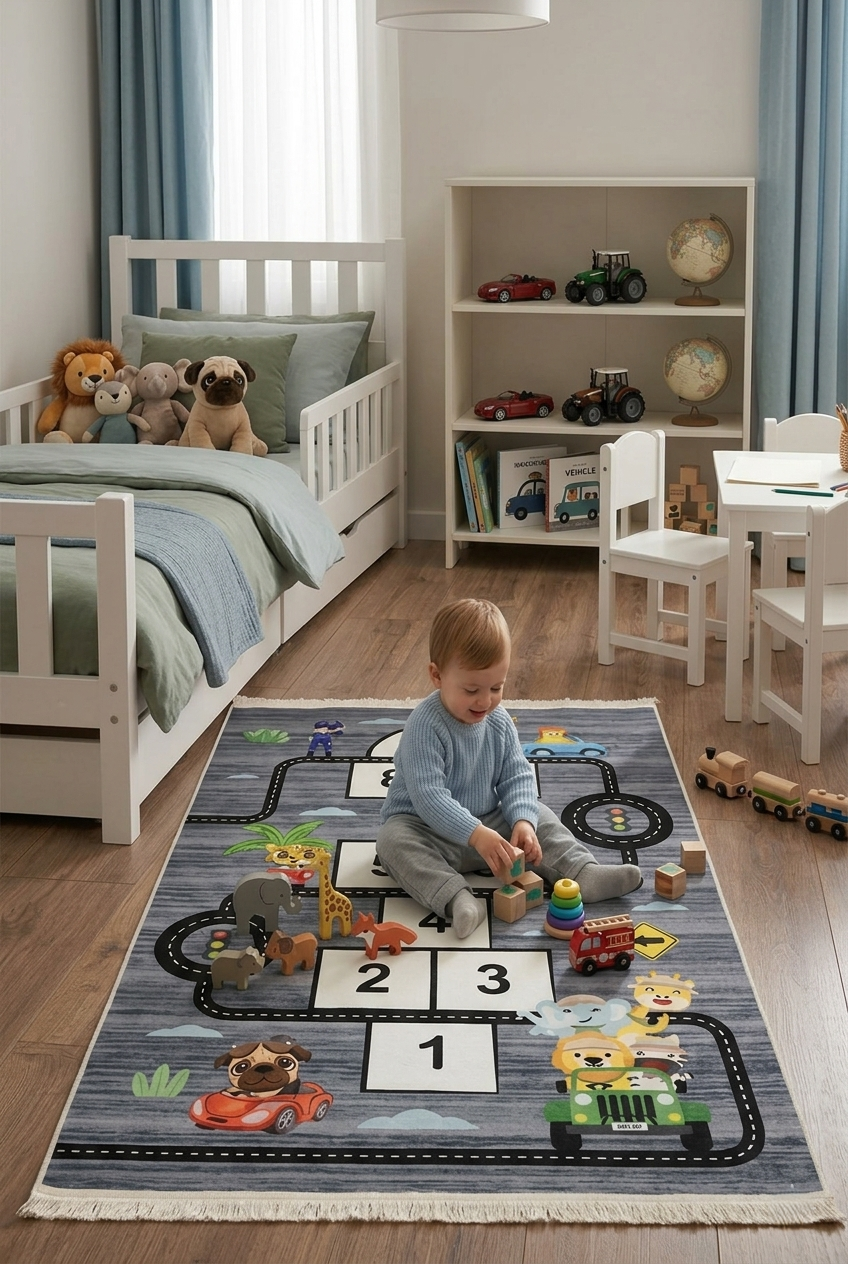
Small guest rooms can be challenging in the hospitality sector in terms of both aesthetics and functionality. When space is limited, giving guests a sense of spaciousness and increasing the spatial perception is critical. A rug is one of the most powerful decorative tools that can change this equation. In this guide, we cover 20 effective rug tricks, correct material techniques, and corporate purchasing strategies to help dramatically expand small spaces.
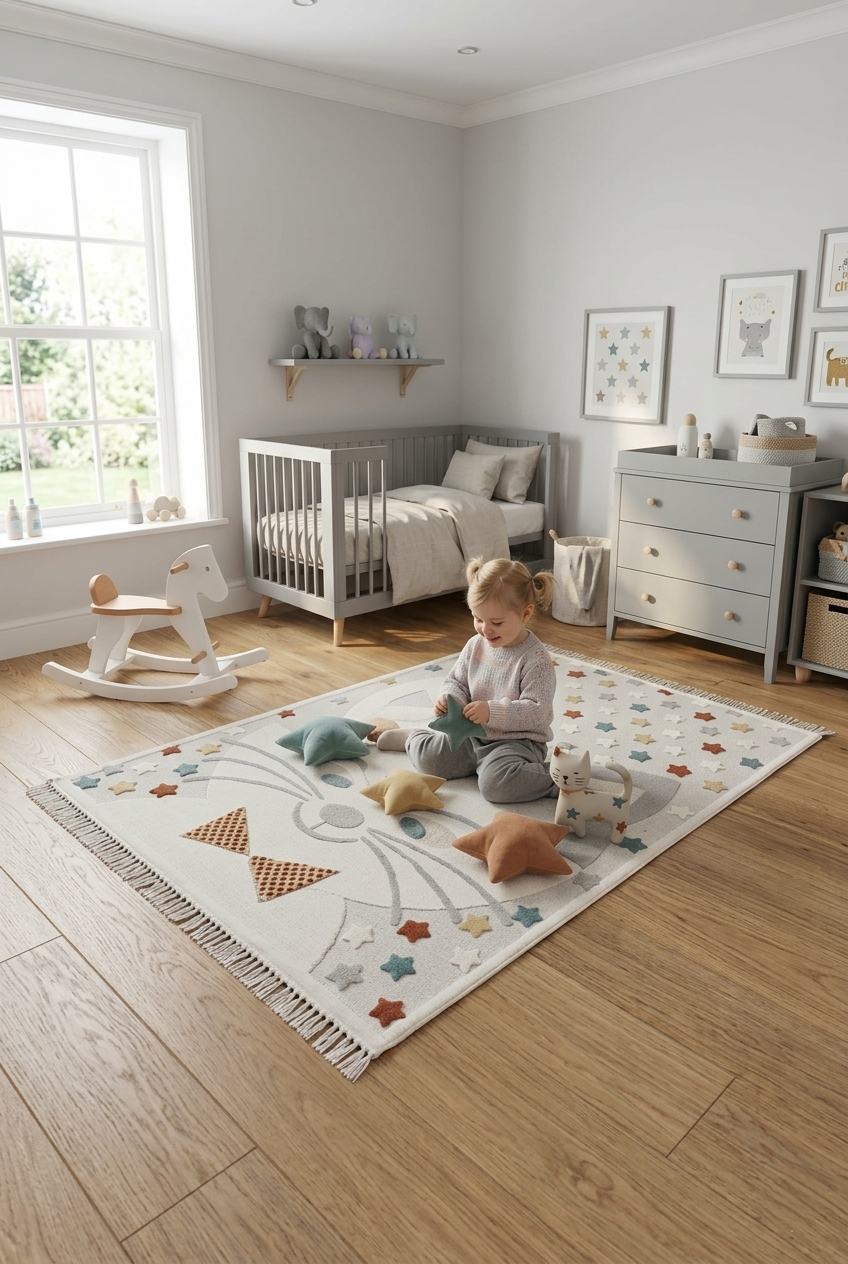
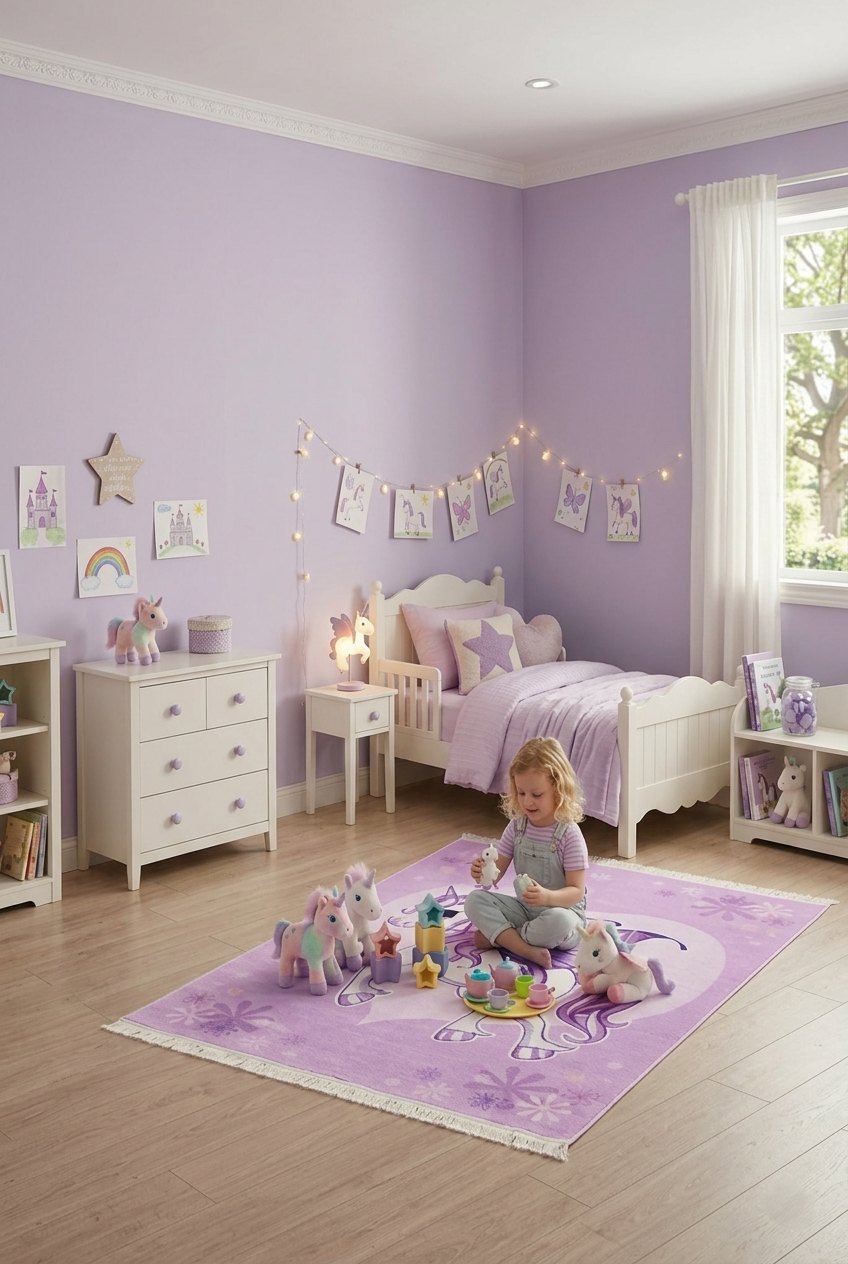
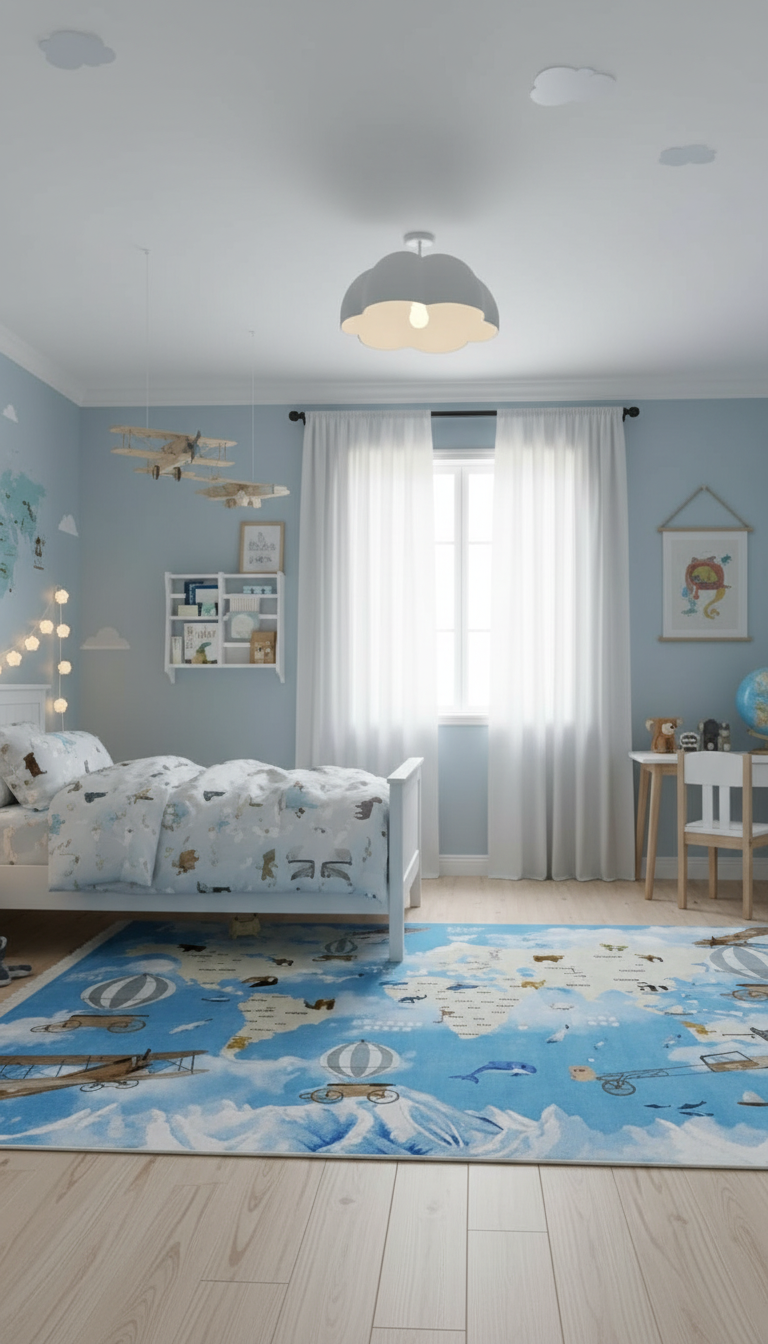
Visual Manipulation Techniques That Change Spatial Perception
The placement and pattern of rugs can make a room appear independent of its actual size. These techniques prevent the eye from perceiving the room's boundaries and make the space look more holistic.
- Use of Large Scale Patterns: Instead of very small patterns in small rooms, opt for large and wide geometric patterns. This increases visual flow by reducing interruptions on the floor.
- Color Palette Strategy: Using light and pale tones for the floor allows more light reflection and visually lifts the space. On the walls, create a sense of depth by using a single dominant color.
- Guidance Effect: Placing the rug parallel to the longest axis of the room naturally guides the eye to perceive the room as longer. Avoid short and perpendicular placements.
- Mirror Integration: Strategically placed mirrors on or beside the rug reflect light to create an illusion of depth. This combination instantly doubles small spaces.
- Layering Use: Creating layers with different textures and patterns (e.g., a large main rug over a small, contrasting kilim) creates richness at the floor level without overwhelming the space.
Correct Sizing and Placement Strategies
The success of rug selection depends not only on the pattern but also on the correct meterage and sizing. Incorrect measurements can make a small area look even narrower.
- Proportion Rule: The width of the rug should be proportional to the shortest wall of the room. Very large rugs create an overwhelming effect in small rooms; the ideal ratio creates a balance appropriate for the overall volume of the room.
- Relationship with Doors and Furniture: Pay attention to ensuring the edges of the rug are not too narrow in front of doors or furniture. A large portion of the floor should be left open so that the floor area remains spacious.
- Vertical Emphasis: If the room has vertical lines (e.g., high ceilings), the rug patterns should be designed to support these vertical lines. Horizontal patterns reinforce a feeling of narrowing in small areas.
Material Performance: Technical Requirements
One of the most important criteria in B2B purchases is that the rug not only meets aesthetic but also operational requirements. Comfort and safety are priorities in guest rooms.
- Ease of Cleaning: Fiber types with high durability, stain resistance, and ease of cleaning should be preferred for high-traffic areas.
- Fire Safety (Flame Retardancy): In accordance with hotel standards, the selected rugs must be fire-resistant. This feature is essential for corporate risk management.
- Acoustic Performance: For hotels, especially in city centers, rugs with structural properties that provide sound insulation and acoustic absorption create a comfortable resting environment.
- Static Properties: Materials with antistatic properties that can manage electrostatic charge, especially in high-traffic areas, maintain material lifespan and minimize static electricity problems.
Corporate Purchasing and Cost Optimization
In large-scale projects or bulk hotel purchases, cost-effectiveness is at the center of the decision-making process. Proper supplier relationships and volume advantages help you optimize your budget.
- Meterage-Based Discount Structure: For bulk purchases, tiered discount rates should be applied to orders that exceed the minimum meterage thresholds. This provides direct cost savings based on your purchasing volume.
- Pre-Project Sample Applications: In large projects, seeing samples in different patterns and sizes before the final decision ensures the most suitable investment is made. This eliminates the risk of wrong selection.
- Material Certification: The complete provision of technical certifications requested from suppliers, such as fire safety and antistatic properties, prevents future legal or operational issues. The quality certificate is a guarantee for long-term investment.
Conclusion and Application Summary
Expanding small guest rooms is not just a decorative choice but also a strategic design decision. While combining visual illusions with the right patterns and sizes, it is necessary not to overlook material performance (acoustics, safety, cleaning). In corporate purchases, you can meet aesthetic expectations and ensure cost-effectiveness by utilizing volume advantages. The right rug strategy will transform small spaces into a luxurious and spacious experience.


Sultan Rugs
Follow us on social media for the latest collections, special discounts, and decoration ideas.