
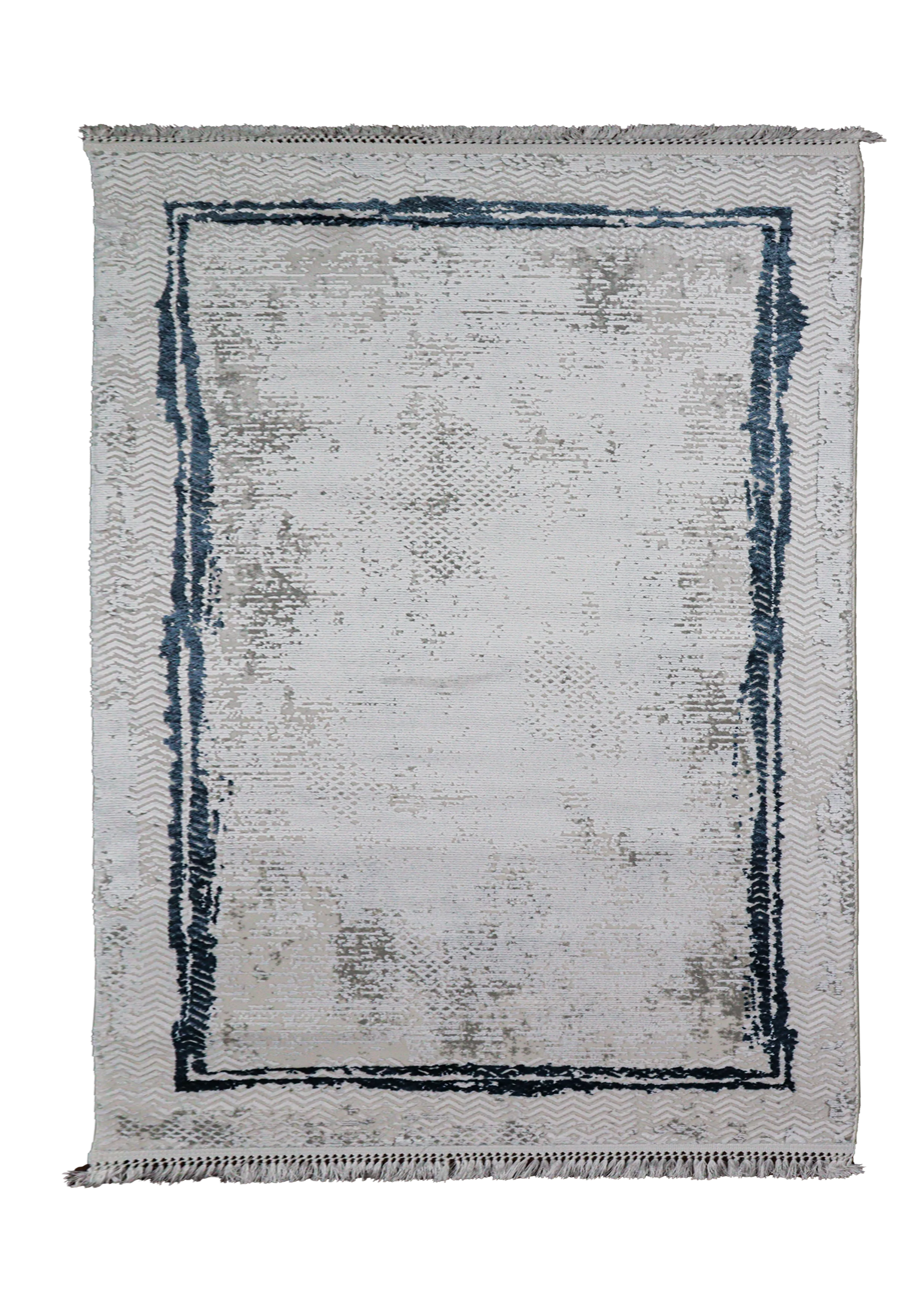
While modern minimalist design promises clean lines and spacious areas, the integration of traditional touches is crucial for adding depth and character to a space. This approach balances coldness, creating environments that are both aesthetically rich and warm in terms of user experience. Achieving this balance in projects of all scales, from hospitality to corporate architecture, enhances the perceived value of the space.
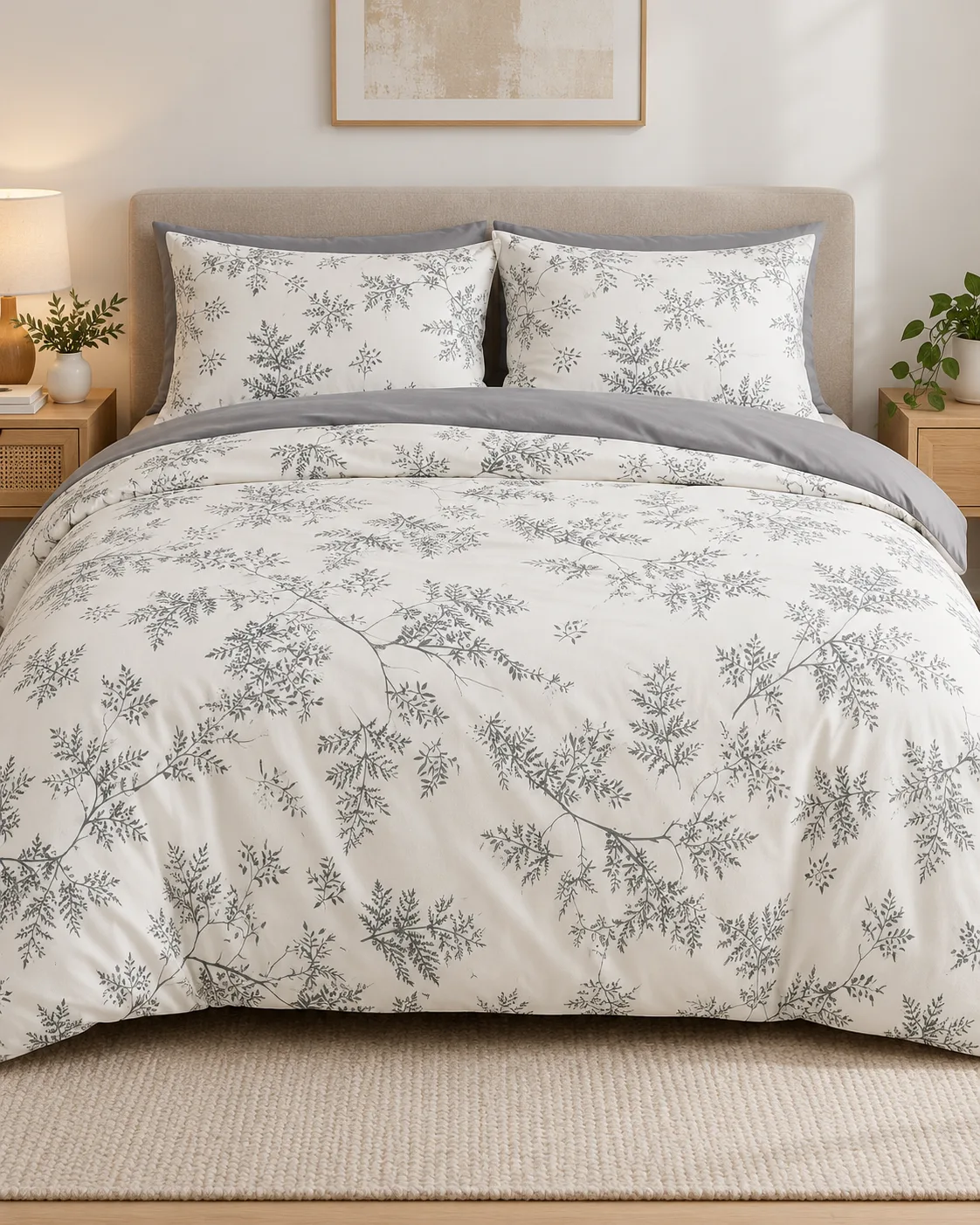
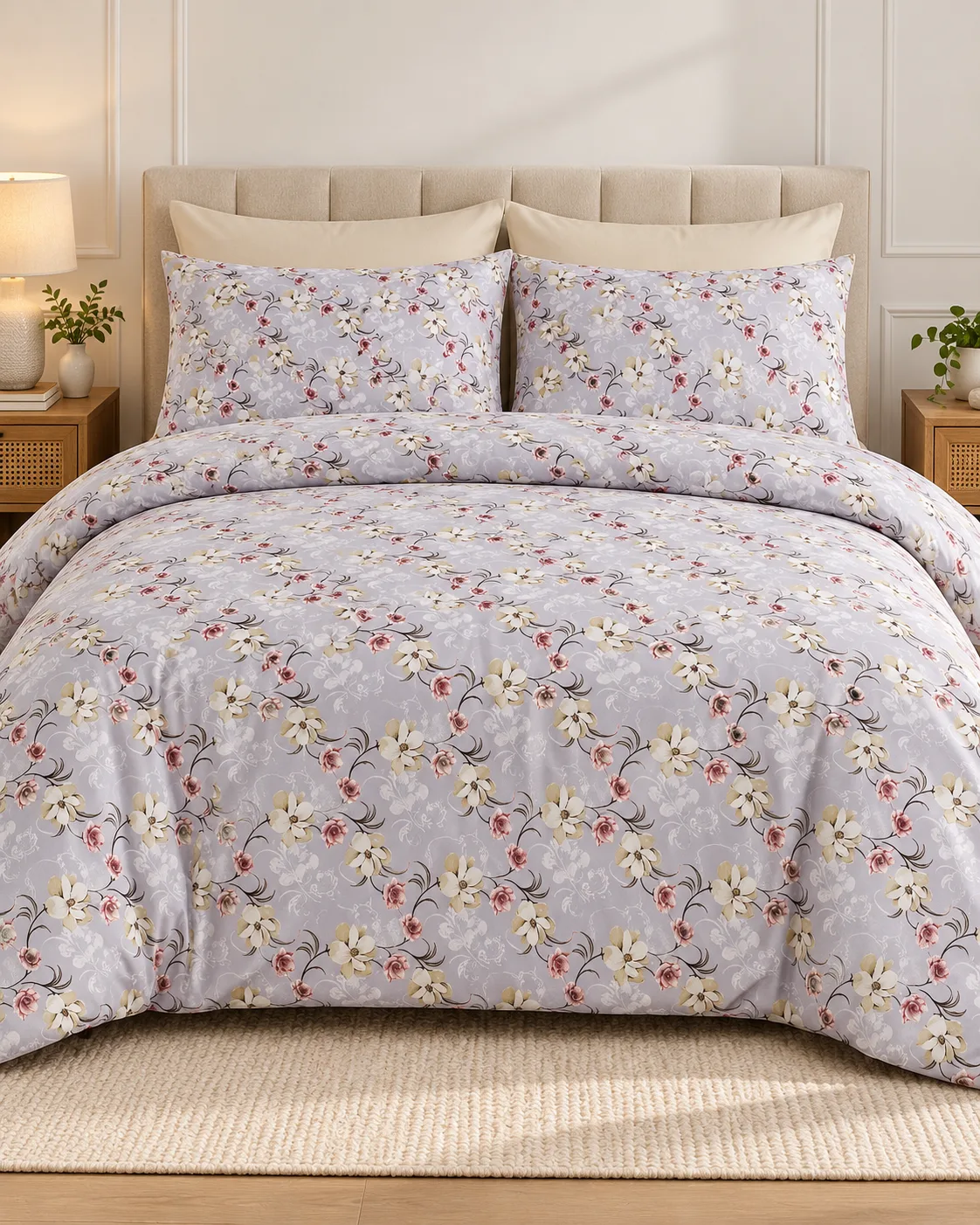
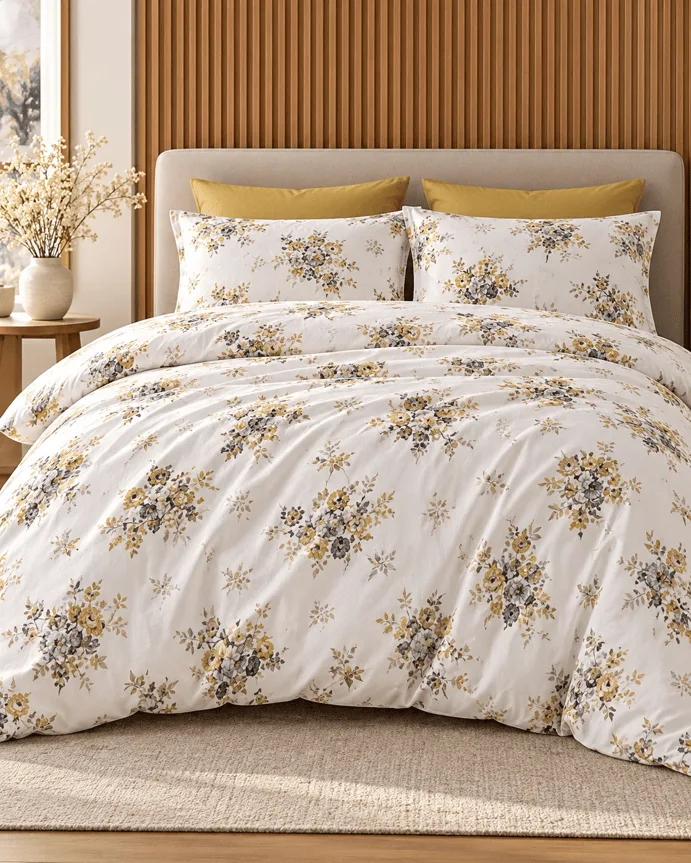
The Fundamentals of Traditional Accents
Intentionally placing traditional elements upon the foundation of minimalism—space and simplicity—strengthens the design's soul. This requires maximizing the impact of a few, high-quality objects while avoiding clutter.
Creating Texture Richness
- Use natural materials (wood, stone) as the main framework.
- Opt for rich patterns or handcrafted details in textile products.
- Establish a visual hierarchy by creating a single focal point.
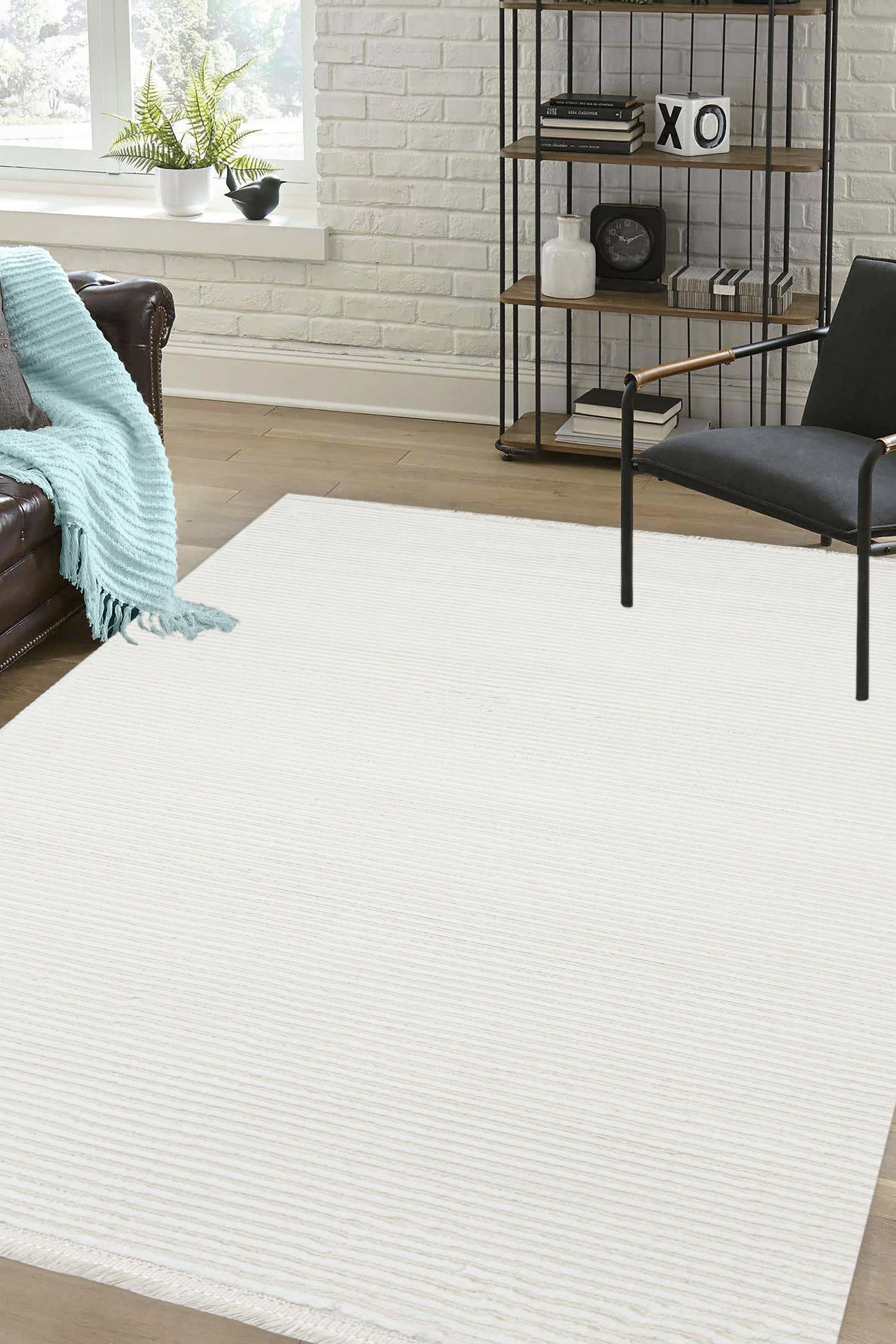
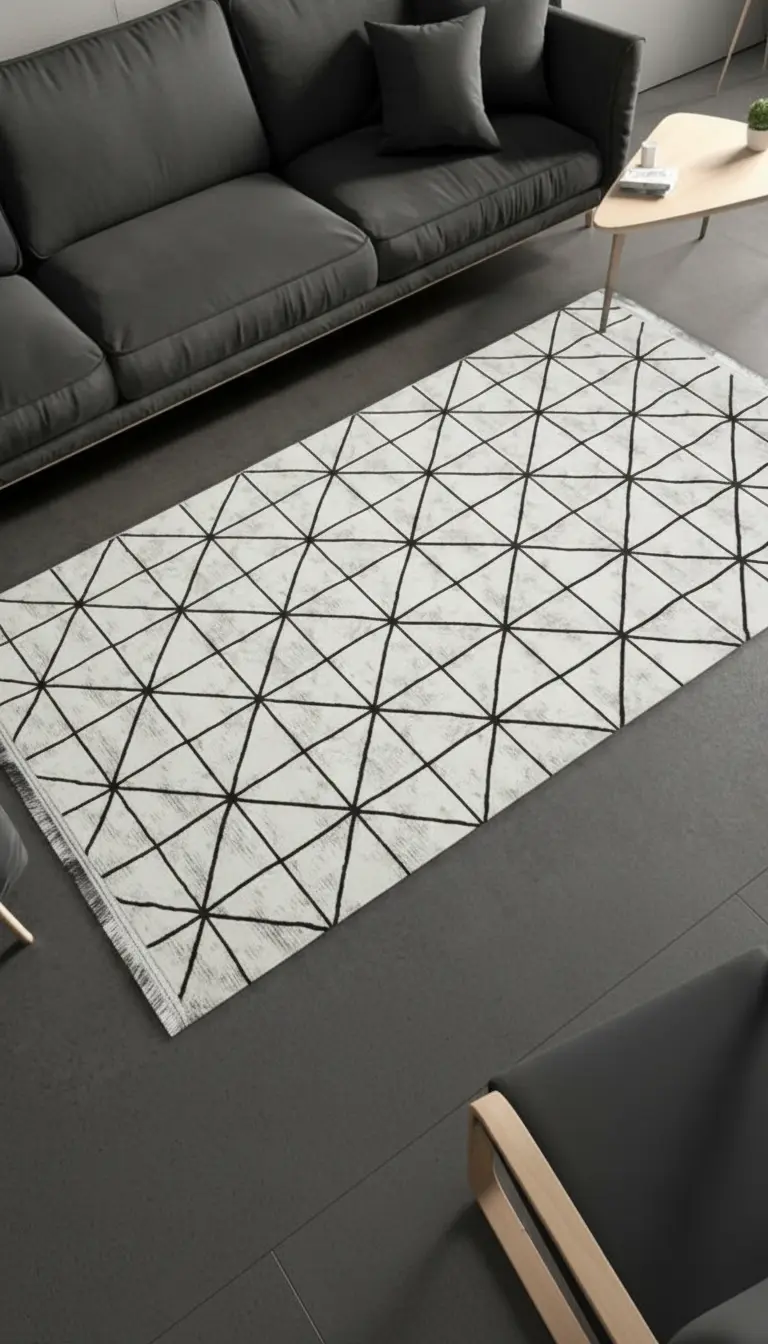
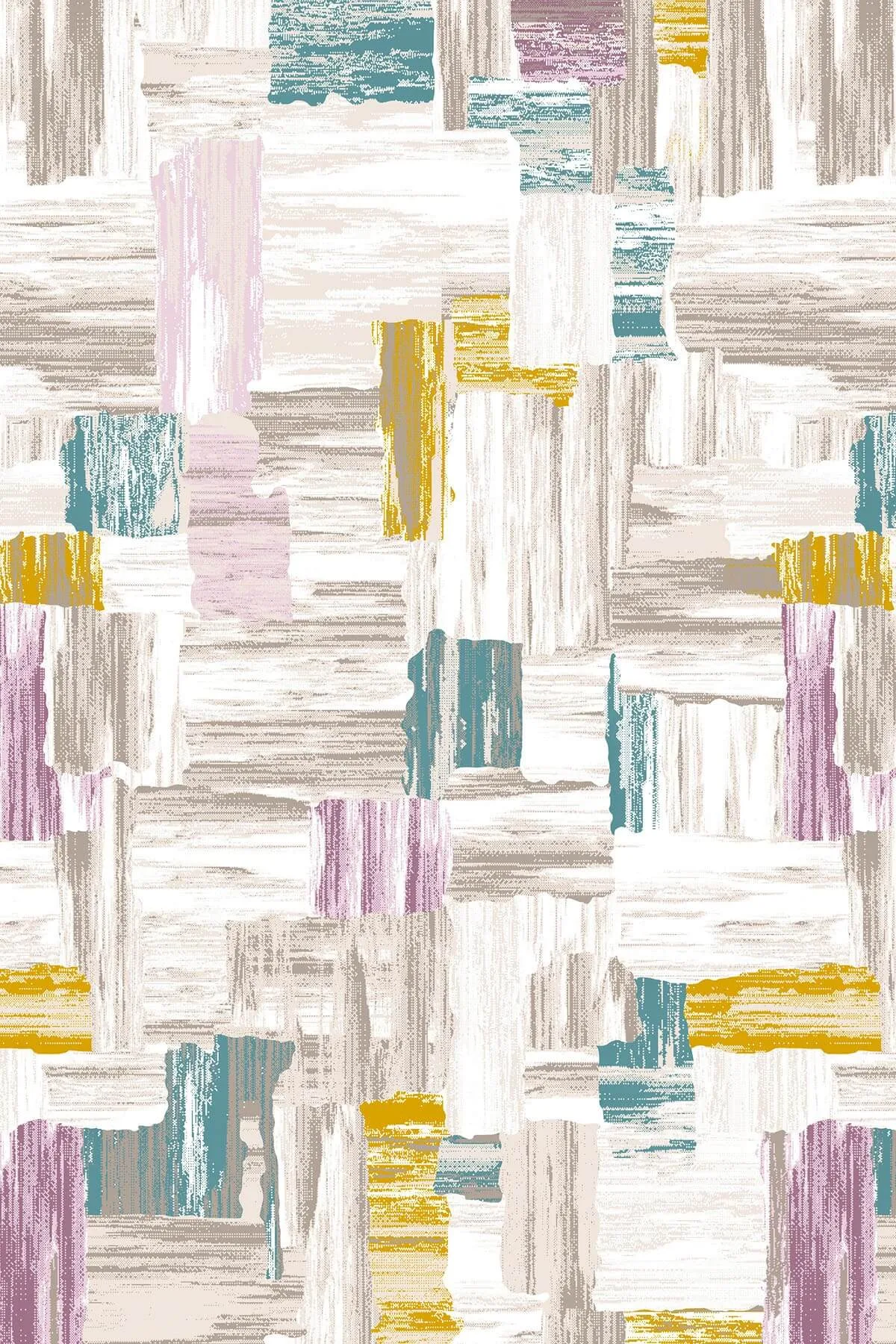
Concentrating traditional motifs in one area is the most effective way to add cultural depth without compromising the minimalist structure of the design. For example, this balance can be achieved through wall art or a large rug.
Material and Color Palette Balance
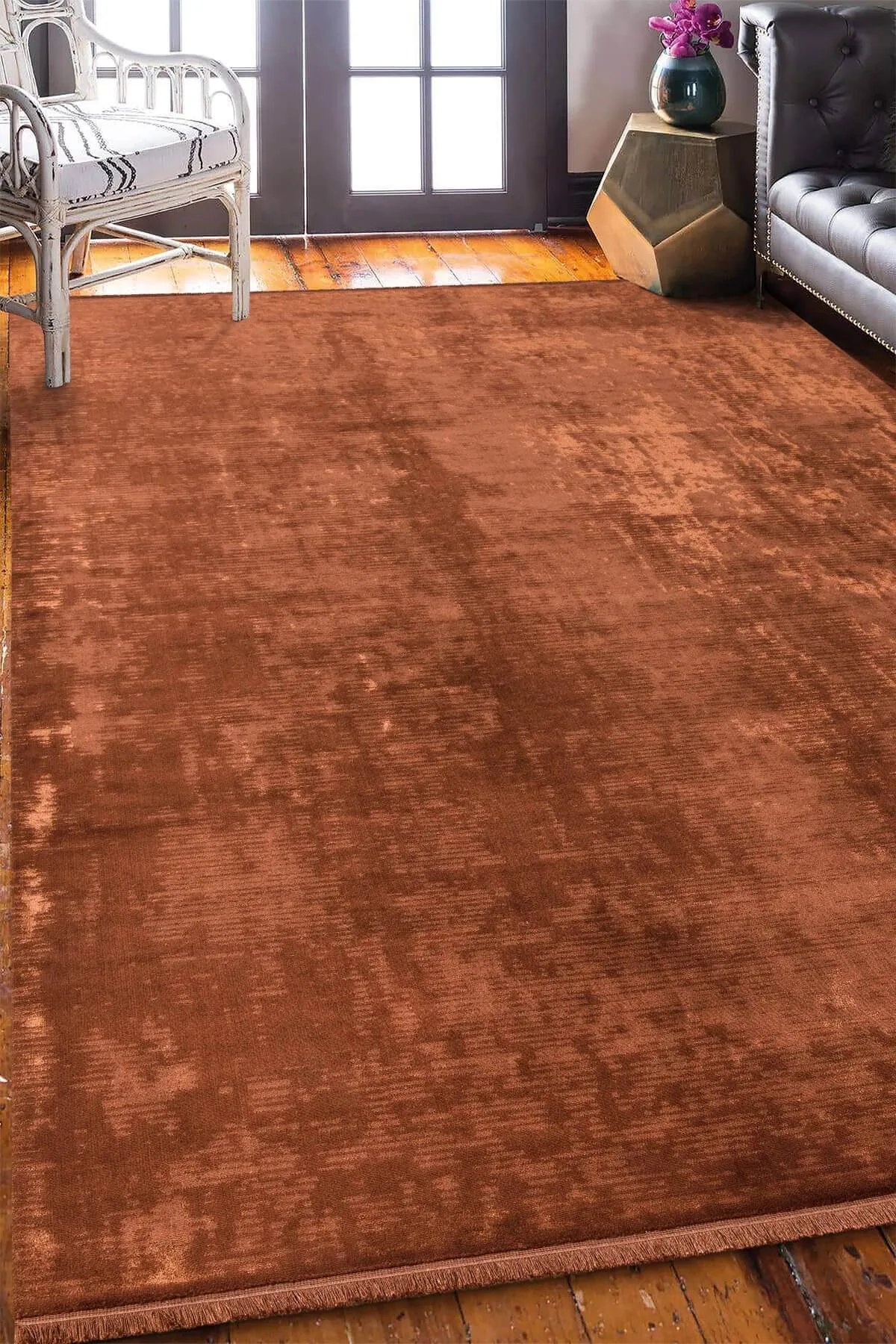
While basing the color palette on neutral tones (white, beige, gray), traditional accents are often supported by warm earth tones (terracotta, mustard yellow, deep burgundy) or rich metallic accents. This contrast lends both modern spaciousness and historical weight to the space.
Playing with Textures
In a minimalist setting, texture is the main source of visual interest. Using different surfaces together—such as rough marble, woolen fabrics, intricately carved wooden panels, or bronze details—prevents the space from becoming one-dimensional.
Technical Performance and Durability
In corporate and hotel projects, functionality is as important as aesthetics. When implementing traditional touches, the material selection must meet stringent technical requirements.
Fire Safety and Flame Retardancy
The fire resistance standards (flame retardancy) of decorative materials used in high-density areas must be meticulously checked. This is a fundamental requirement for compliance and user safety.
Acoustic Performance
Traditional patterned or thick-textured surfaces can be sound-absorbing. To improve acoustic performance, it is essential to optimize the density of fabrics and rugs to ensure sound absorption.
Ease of Cleaning
Rich textures can complicate maintenance processes. The selected materials must have high stain resistance and comply with daily operational cleaning standards.
Practical Application Examples
Some application examples are provided to make these suggestions concrete. These approaches inspire how they can be implemented in different space types.
- Hotel Rooms: Using a traditionally patterned bedside throw or a richly textured rug on plain walls.
- Lobby Areas: Choosing a handcrafted sculpture or mirror that contrasts with large, geometric minimalist furniture.
- Corporate Offices: Integrating wooden panels with modern lines and using traditional typography in minimal graphic design.
Bulk Purchase and Corporate Procurement Strategies
Bulk purchasing strategies are vital for cost-effectiveness in project-based acquisitions. When sourcing traditionally patterned or specially textured products, the discount structure based on quantity and meterage must be clearly defined.
Quantity and Meterage Discount Logic
The standard discount model applicable to corporate clients is applied incrementally based on a predetermined minimum order quantity (unit count) or the total material volume requested (meterage). This system offers competitive pricing for large volume purchases, simplifying budget planning.
In agreements with suppliers, while a fixed discount rate may be set for standard products, offering additional advantages based on meterage for custom designs or high-quality handcrafted pieces is key to optimizing project costs. This transparent structure speeds up procurement processes and strengthens cost control.
Sultan Rugs
Follow us on social media for the latest collections, special discounts, and decoration ideas.