
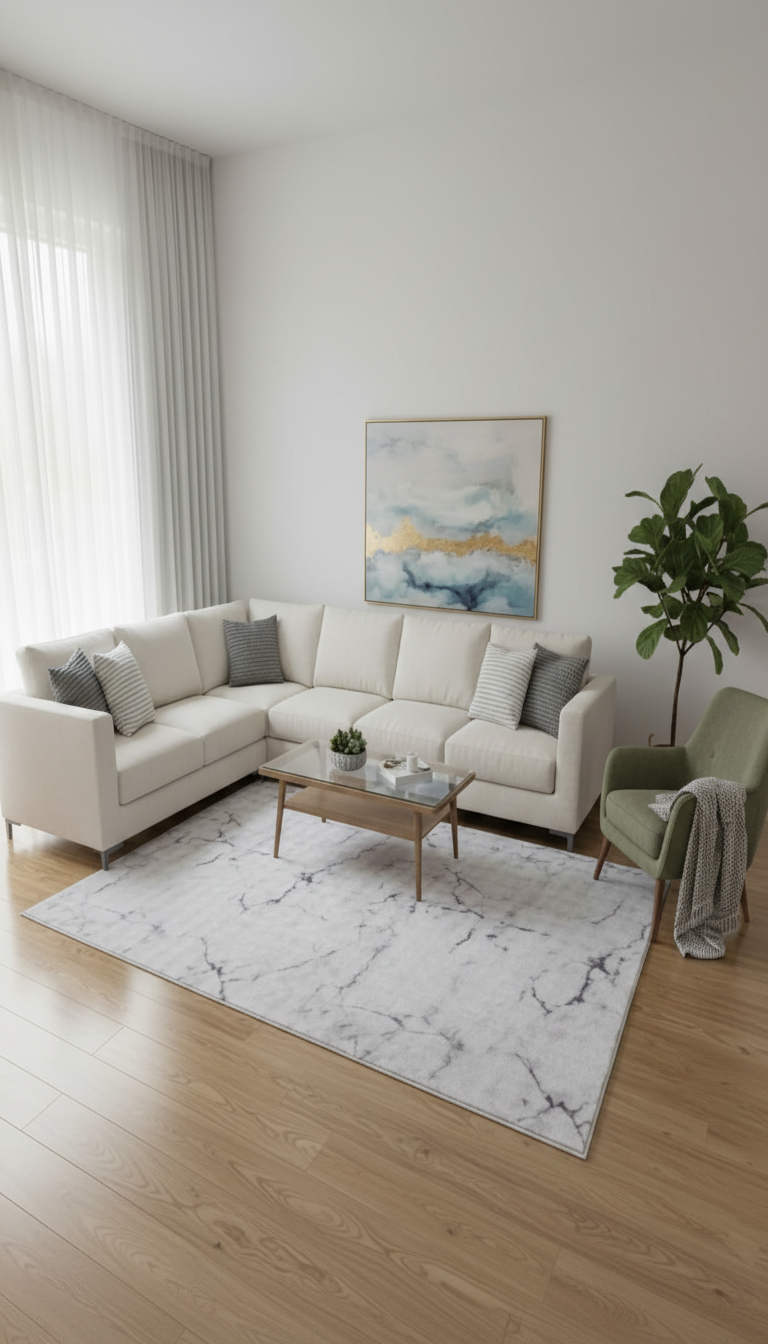
Rugs are one of the most powerful decoration elements that determine the atmosphere of a space. Especially when aiming to create a feeling of calm, professionalism, and comfort in hotels, offices, and corporate areas, soft-toned rug selections are critically important. The right color palette and texture choice directly affect the user experience, increasing the perceived level of tranquility in the space.
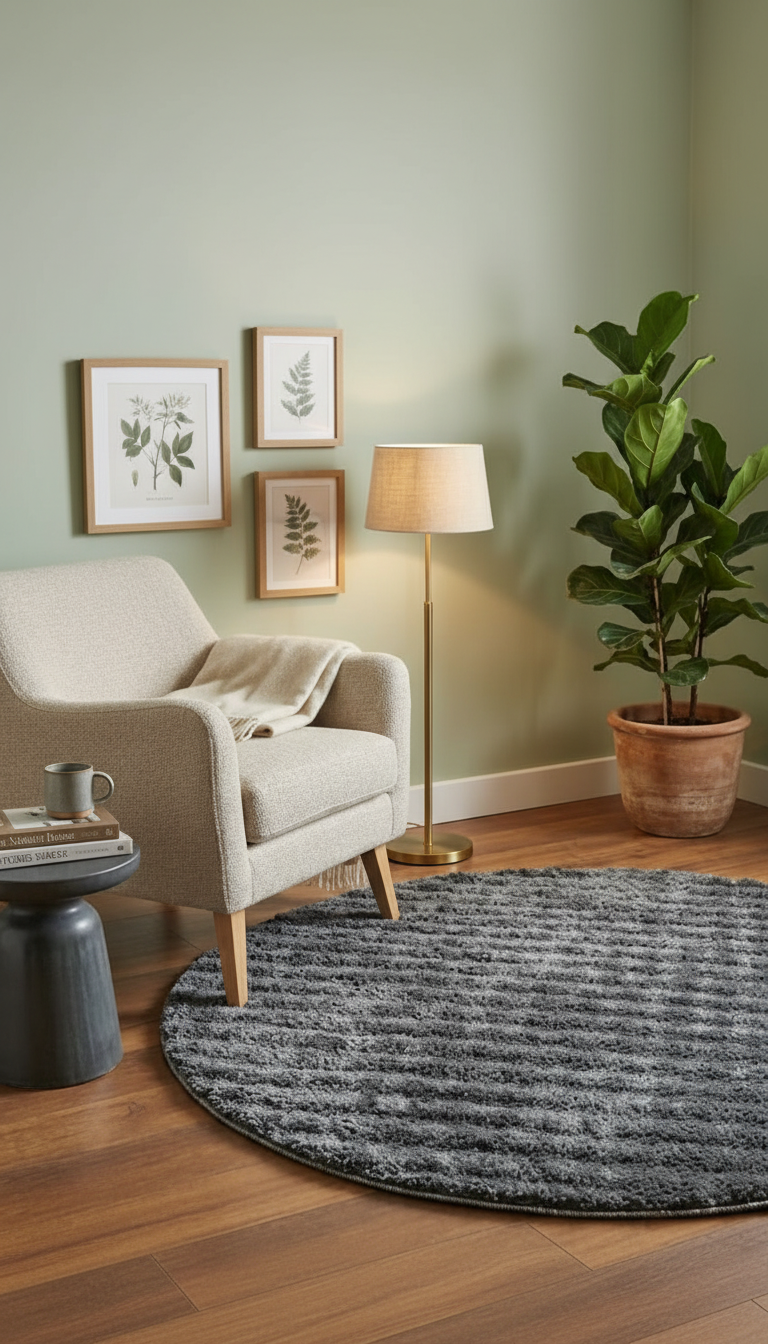
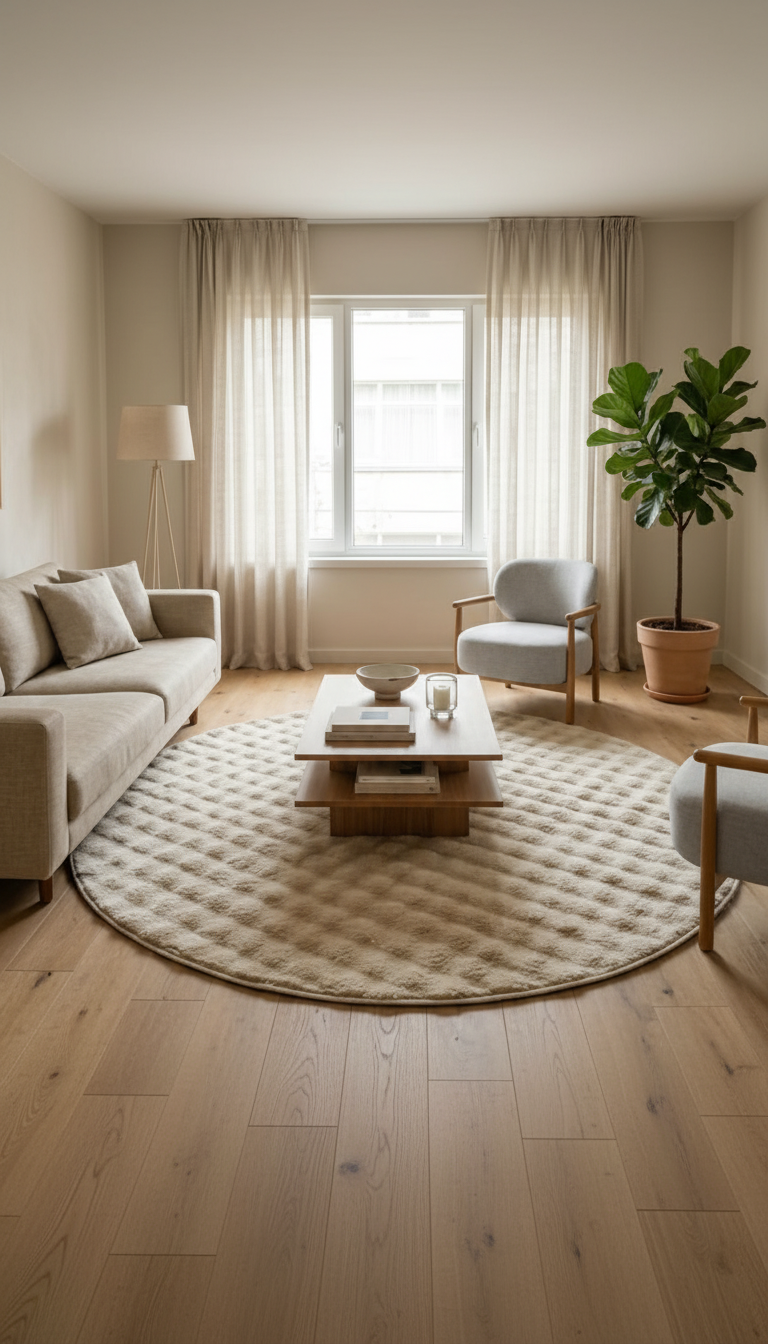
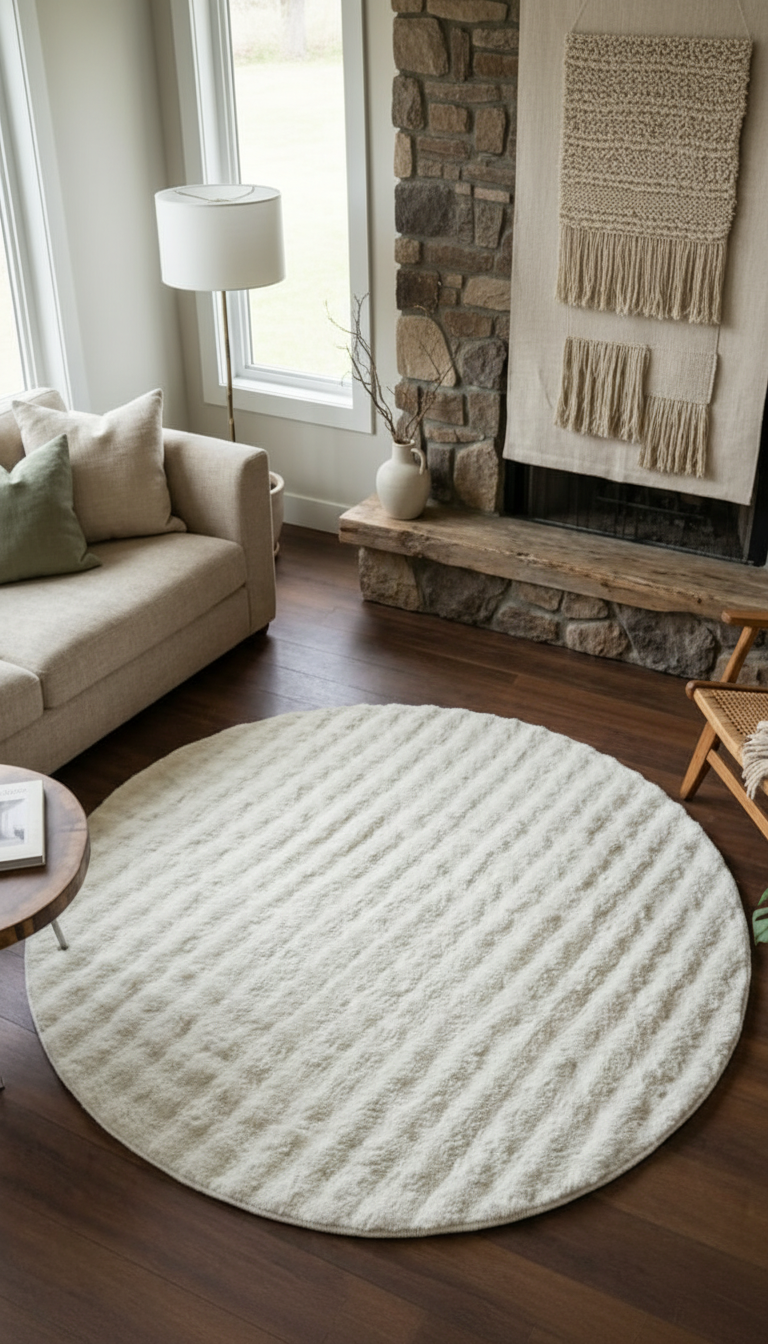
In this guide, we examine the selection criteria for soft-toned rugs, focusing on the needs of our B2B customers, maintaining high aesthetic expectations while also meeting requirements for durability, ease of maintenance, and technical specifications. Our goal is to provide not just visual richness, but also functional and long-lasting solutions.
The Effect of Soft Tones on Space Psychology
The Role of the Color Palette in Tranquility
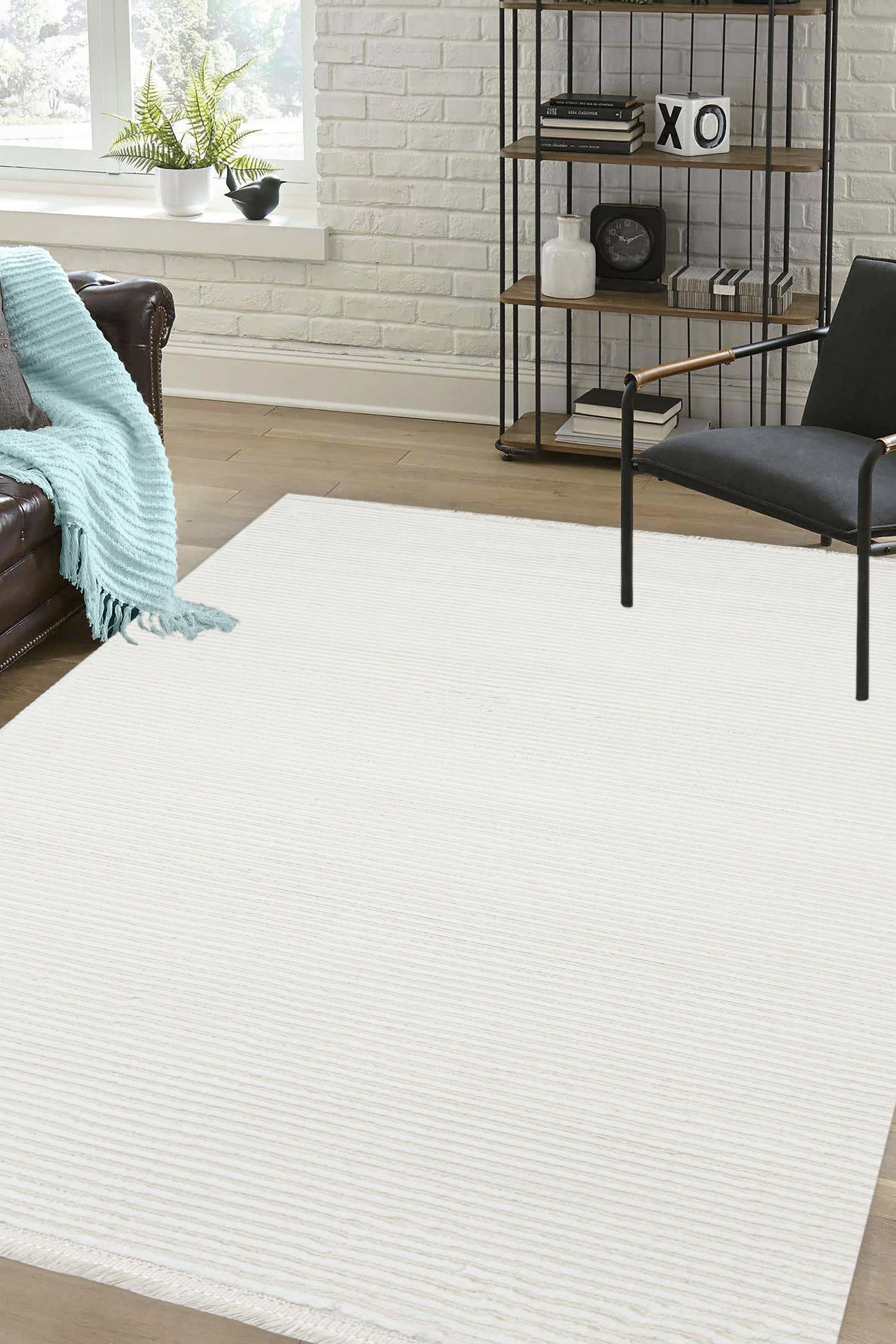
Soft tones (beiges, light grays, pale blues, pastel greens, and earth tones) reduce eye fatigue and provide mental relaxation. These colors distribute the tension created by harsh and intense colors, adding warmth and invitation to spaces. They give a calm starting feeling for hotel lobbies while creating a neutral ground that supports focus in corporate meeting rooms.
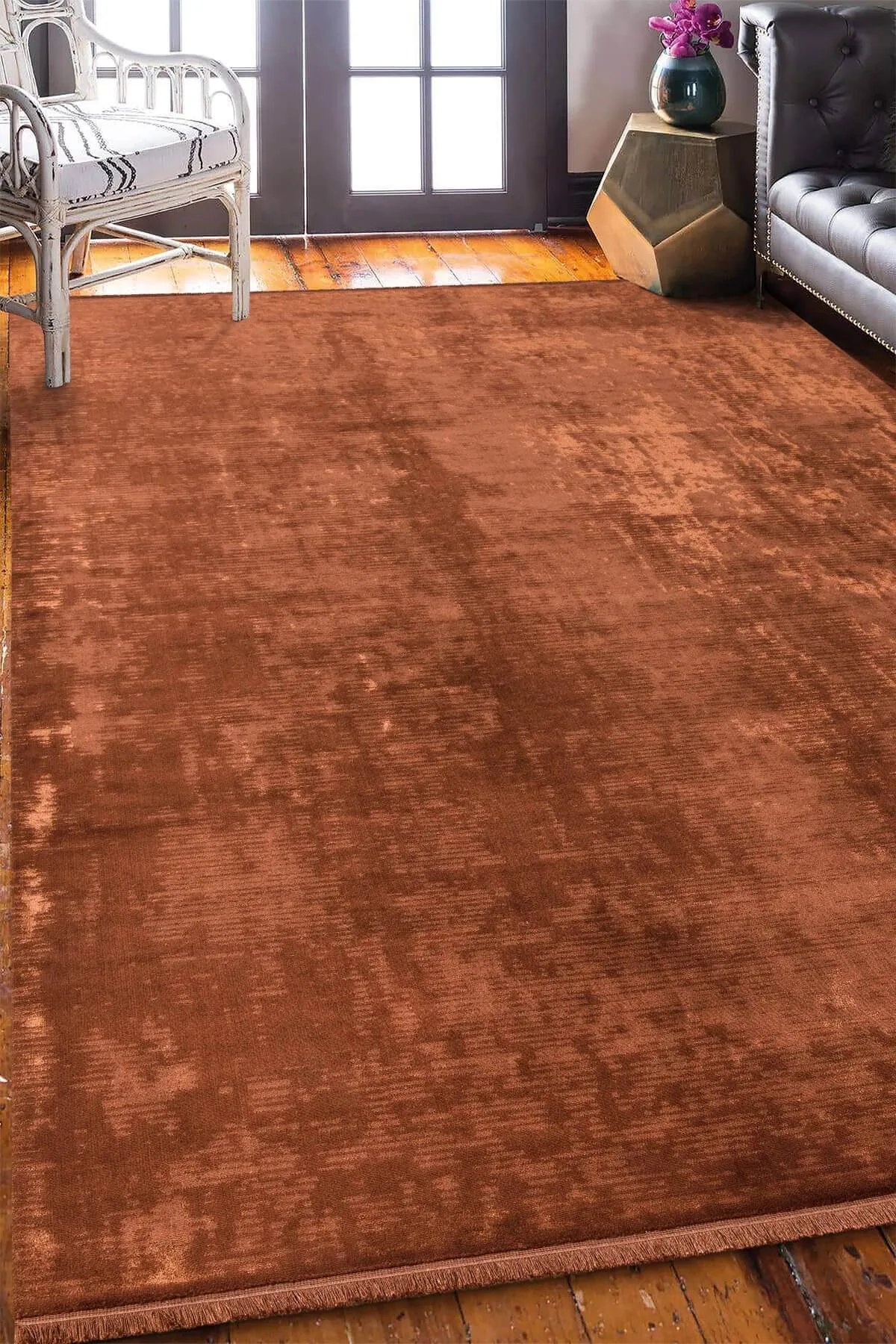
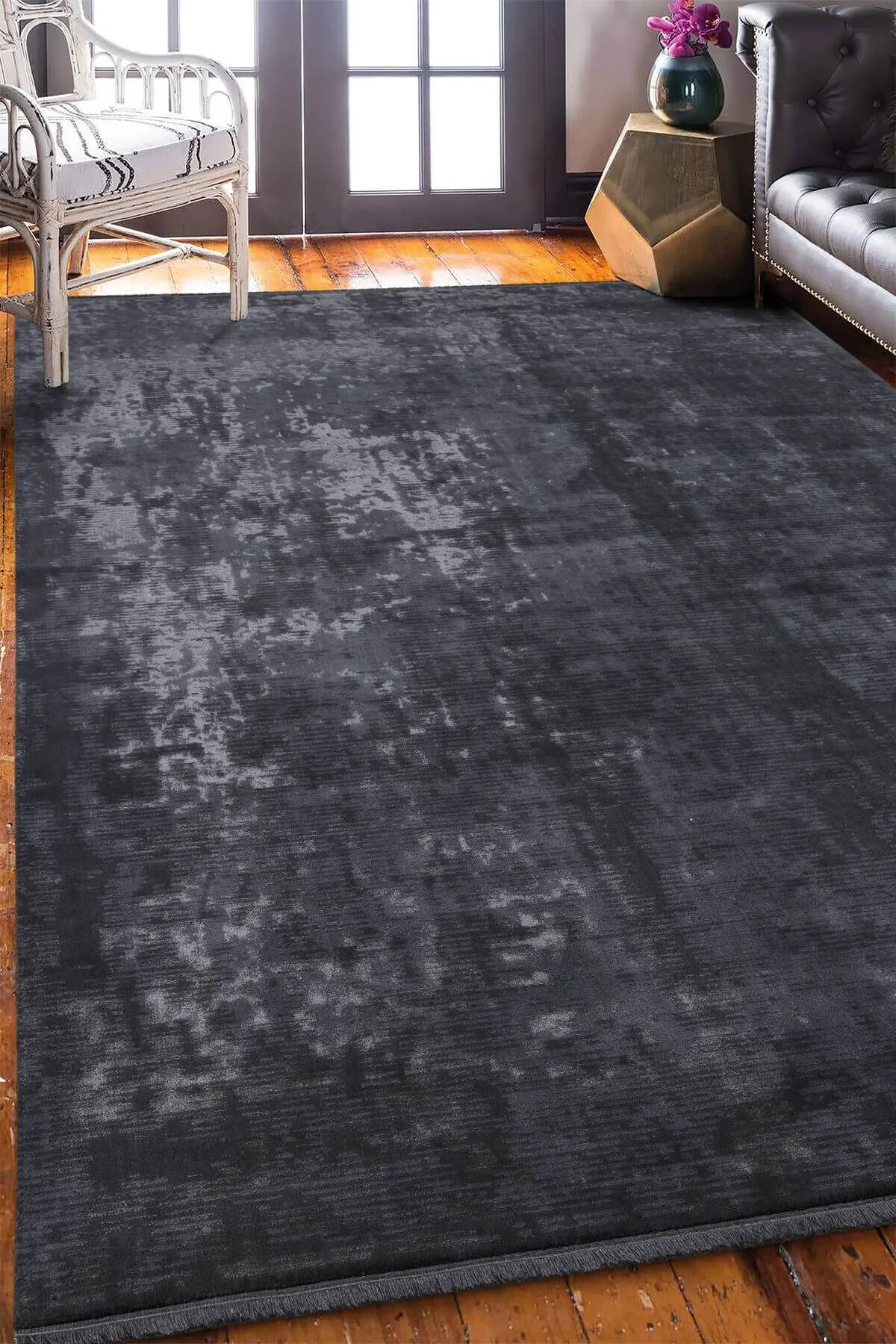
Soft tones also help in correctly perceiving the scale of the space. Large and light tones provide a sense of spaciousness, while darker but soft tones (such as anthracite or dusty green) can add luxury and depth. Determining the color temperature appropriate for the space's usage during the project phase is the first step to the success of the final design.
Texture Selection and Usage Areas
Texture is as important as color. Soft-pile or high-quality wool blend rugs provide a comfortable feel underfoot, offering relaxation to visitors. The choice of texture should vary according to the function of the area; more durable, low-pile synthetic blends are preferred in corridors with heavy foot traffic, while luxurious and soft textures should be emphasized in seating areas.
- Hotel Rooms: High durability, easy cleanability, and calming tones.
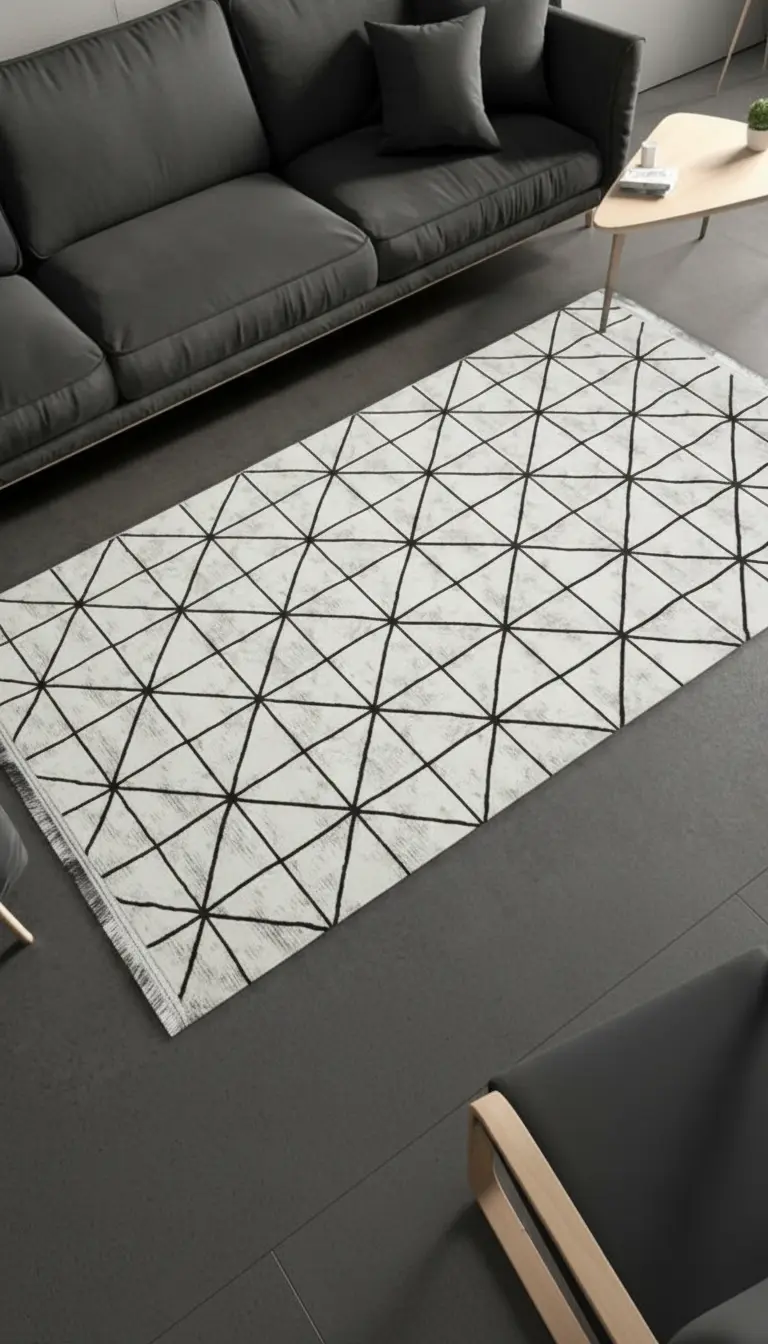
- Corporate Offices: Neutral gray and beige tones that support a professional look.
- Lobby Areas: Warm and inviting soft color transitions to welcome guests.
Quality Control and Technical Performance Requirements
In B2B purchases, the technical performance of the rug, beyond aesthetic expectations, determines the long-term value of the investment. The products used in commercial areas must have the following technical standards:
Durability and Safety Features
In addition to being resistant to heavy commercial use, safety standards are also not to be overlooked. Rugs having antistatic properties prevent static electricity, especially in areas with electronic devices or high traffic. Furthermore, for fire safety, rugs must have flame retardant certifications, which is a fundamental requirement for compliance with building regulations.
Acoustic performance is vital, especially for office and meeting areas. Thanks to quality insulation layers, rugs provide sound insulation, reducing echo in the environment and creating a more peaceful working/staying environment.
Ease of Cleaning and Maintenance
Ease of maintenance is a great advantage for corporate clients. The selected soft-toned rug must have high stain resistance and be resistant to professional cleaning methods. Chemical resistance and easy wipeability features reduce operating costs while preserving visual quality.
Application Strategies for Hotel and Project Areas
The effective use of soft-toned rugs emerges when they integrate with the architecture of the space. Here is what designers and project managers should consider:
- Layering Technique: Create depth in the floor layers by using different soft tones. For example, light beige can be used in main corridors, while darker, softer gray tones can be preferred in private resting areas.
- Harmony with Architectural Elements: Make the rug color palette harmonious with wall paints, furniture fabrics, and lighting fixtures. Creating a holistic design language enhances the integrity of the space.
- Adjustment According to Usage Scenario: Using different soft tones and textures for a hotel reception versus a spa area allows you to create a unique atmosphere for each zone. This personalization directly affects customer satisfaction.
Wholesale Purchasing and B2B Discount Advantages
One of the most important factors for corporate projects and large hotel chains is cost-effectiveness. As Halıbu, we support our customers' budgets by offering special advantages for bulk purchases.
Our quantity and meterage-based discount structure is designed for companies making large purchases. Significant discounts are provided on orders above a certain threshold. This model makes cost control easier for large-scale projects and offers our customers competitive prices by establishing a continuous supply chain.
We establish long-term partnerships, offering not only products but also technical consultancy and custom design support. This way, you receive professional support at every stage, from your soft-toned rug selection to the completion of the project. This approach, which combines quality with a reasonable cost, is our strongest offer in the B2B sector.
Sultan Rugs
Follow us on social media for the latest collections, special discounts, and decoration ideas.