
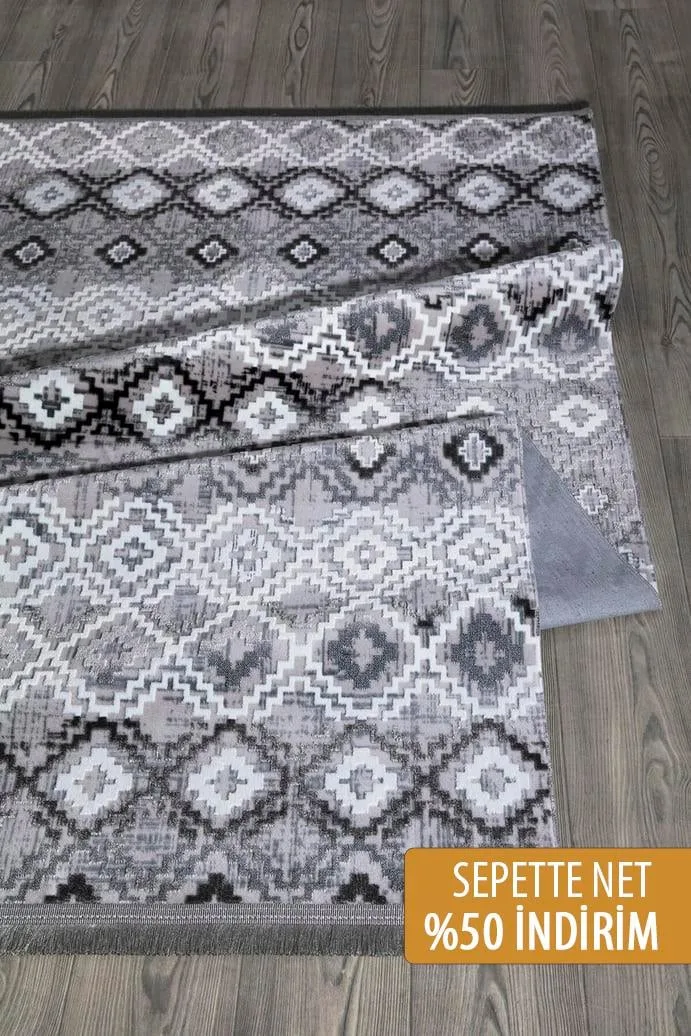
Carpets, especially in heavily used hotel lobbies, offices, and commercial areas, can be exposed to permanent stains like ink due to unexpected liquid contact. These types of stains are not just an aesthetic problem; they also pose chemical risks that can affect the structure of the carpet fibers. These problems can be eliminated in seconds with quick intervention, the right product selection, and application technique.

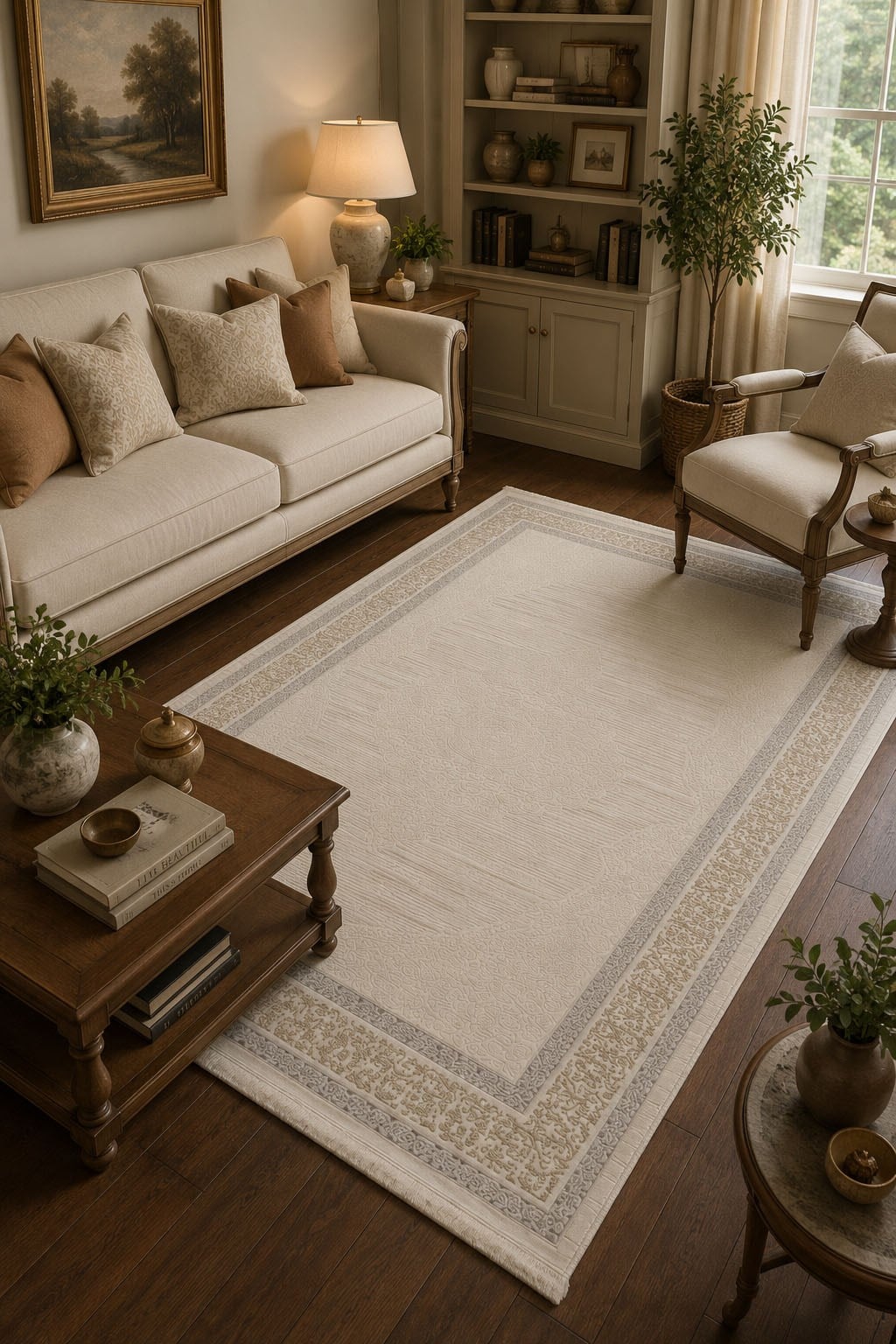
In this guide, we offer a total of twenty effective methods, ranging from the techniques used by professional cleaning teams to easy home solutions for daily maintenance. Our goal is to completely remove the stain residue while preserving the texture and durability of the carpets.
Immediate Intervention: First Cleaning Steps
Quick Vacuuming and Mechanical Solutions
The first step after a stain is to absorb excess liquid. Avoid using stiff brushes or sponges at this stage; this can cause the stain to penetrate deeper into the carpet fibers.
- Absorb the liquid by gently blotting the stain area with clean, dry white cloths.
- Absorb the remaining moisture using dry, absorbent materials (e.g., starch-based powders).
- Light rinsing with cold water is effective in removing chemical residues from the surface.
These initial steps will enhance the effectiveness of stronger cleaning agents and prevent the stain from spreading. Acting quickly minimizes long-term damage.
Deep Cleaning Protocols
Use of Specialized Stain Removers
After surface cleaning, specialized stain remover products formulated for resistant stains like ink should be used. The instructions on the product label must be strictly followed.
- Choose special detergents or solvents with a pH balance suitable for the stain.
- Assess the risk of color transfer or damage to the carpet material by testing in a small, inconspicuous area before application.
- These localized products target the chemical structure of the stain, achieving an effective solution.
In some cases, alcohol-based solvents or special enzyme-based cleaners show superior performance in breaking down organic substances like ink.
Material Protection and Technical Specifications
Maintenance that Strengthens Carpet Structure
After stain removal, maintaining the overall health of the carpet is critical. The maintenance applied at this stage must focus on the technical specifications necessary for the carpet to have a long lifespan.
- Antistatic Properties: Reducing static electricity, especially in high-traffic areas, prevents dust and dirt from sticking.
- Flame Retardancy: The material used must have resistance to fire to meet safety requirements in corporate and hotel standards.
- Acoustic Performance: The sound insulation capability of carpets is important for creating a comfortable environment, especially in commercial projects. The correct material selection supports this performance.
Carpets with these technical specifications offer solutions that are both aesthetically pleasing and meet operational requirements.
Professional Purchasing and Supply Strategies
Volume and Quantity-Based Discount Advantages
Cost-effectiveness is very important for businesses making corporate purchases. Taking advantage of volume advantages in the supply of quality carpets and cleaning materials is the key to optimizing the budget.
- Volume-Based Discounts: Benefit from significant price reductions by exceeding the minimum volume thresholds set for large projects or facilities requiring continuous maintenance.
- Package-Based Ordering: Evaluate special packaging and logistics solutions that may be more advantageous in bulk purchases rather than standard packages.
- Long-Term Contracts: Plan fixed cost management by entering into annual contracts for regular maintenance services or continuous carpet supply.
With the right strategy, you can achieve significant savings in your purchasing processes without compromising cleaning quality.
Comprehensive Stain Removal Method Summary
20-Step Application Guide
As a synthesis of the methods mentioned above, 20 different approaches applicable to stain types are summarized. These methods cover the entire process, from light surface cleaning to strong chemical reactions and final material protection steps.
- Control of surface moisture and initial absorption techniques
- Use of pH-balanced gentle cleaners
- Breakdown of organic residues with enzyme-based stain removers
- Controlled application of special solvents
- Removal of the stain from the surface using thermal methods (localized heating)
- Correct application of mechanical brushing techniques at the right angles
- Rinsing and drying procedures with proper timing
- Application sequence of antistatic and protective sprays
Each step must be optimized according to the type of carpet (wool, synthetic, etc.). Determining which method is most suitable for your specific carpet type by obtaining professional consultation will ensure you achieve the fastest and most effective results.
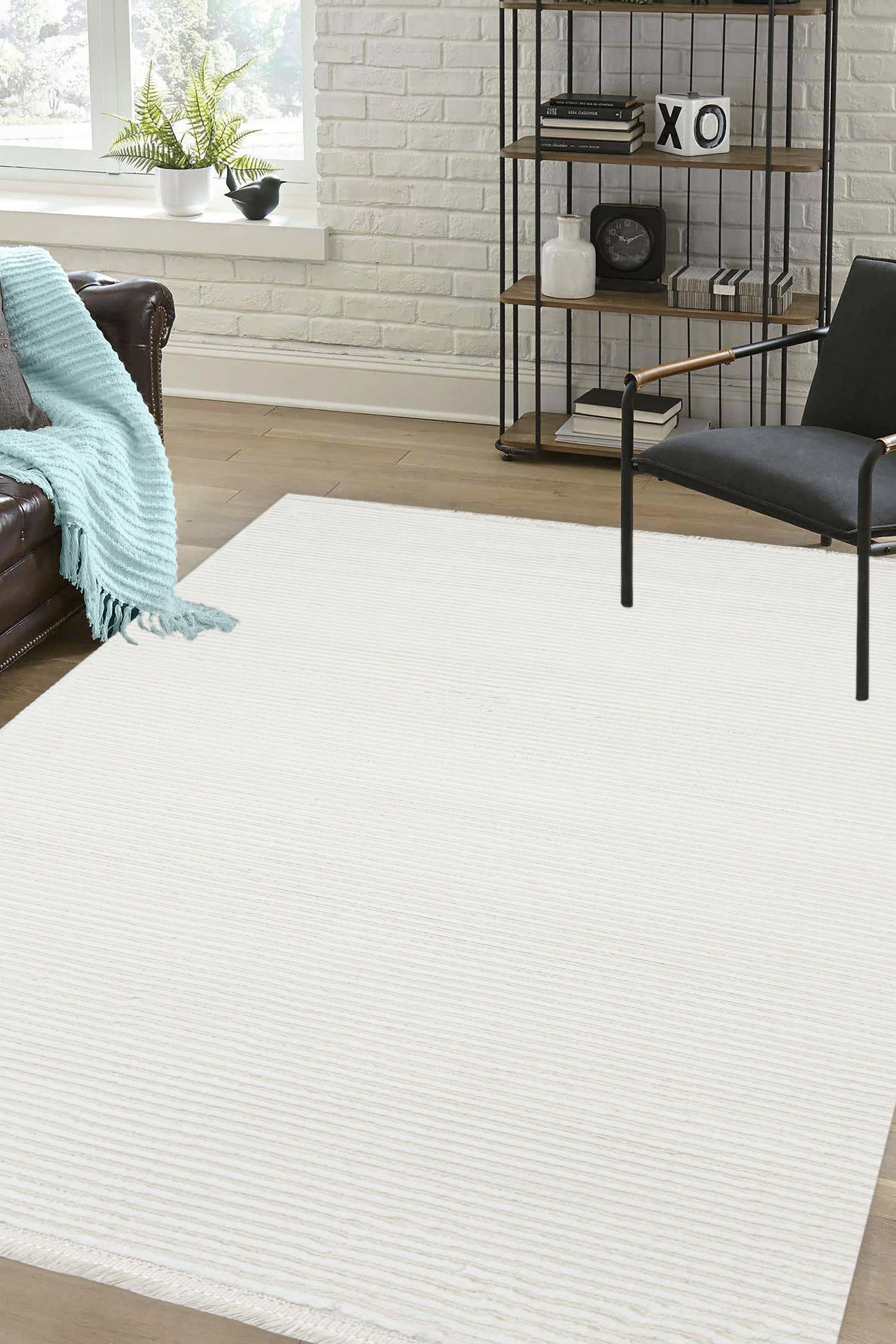
Sultan Rugs
Follow us on social media for the latest collections, special discounts, and decoration ideas.