
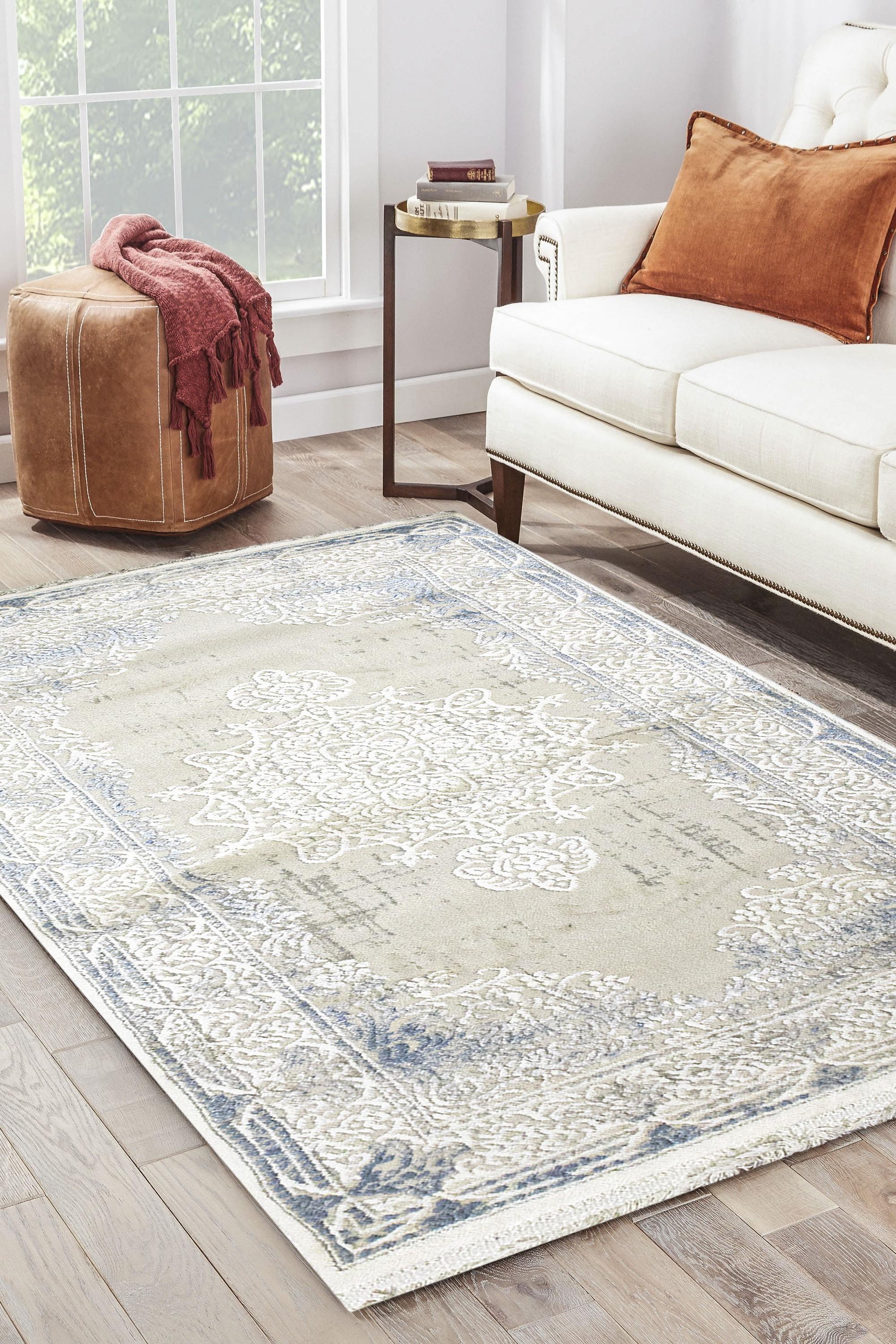
Halı ve mobilya seçimi, bir mekanın atmosferini belirleyen en kritik unsurlardan biridir. Otelcilikten kurumsal ofislere kadar her alanda estetik beklentiler yüksek olduğundan, bu iki unsurun uyumu sadece görsel değil, aynı zamanda fonksiyonel ve teknik gereksinimleri de karşılamalıdır. Başarılı bir tasarımın anahtarı, renk paletlerinden doku seçimlerine, malzeme dayanıklılığından mekanın kullanım amacına kadar her detayı bütünleştirmektir.
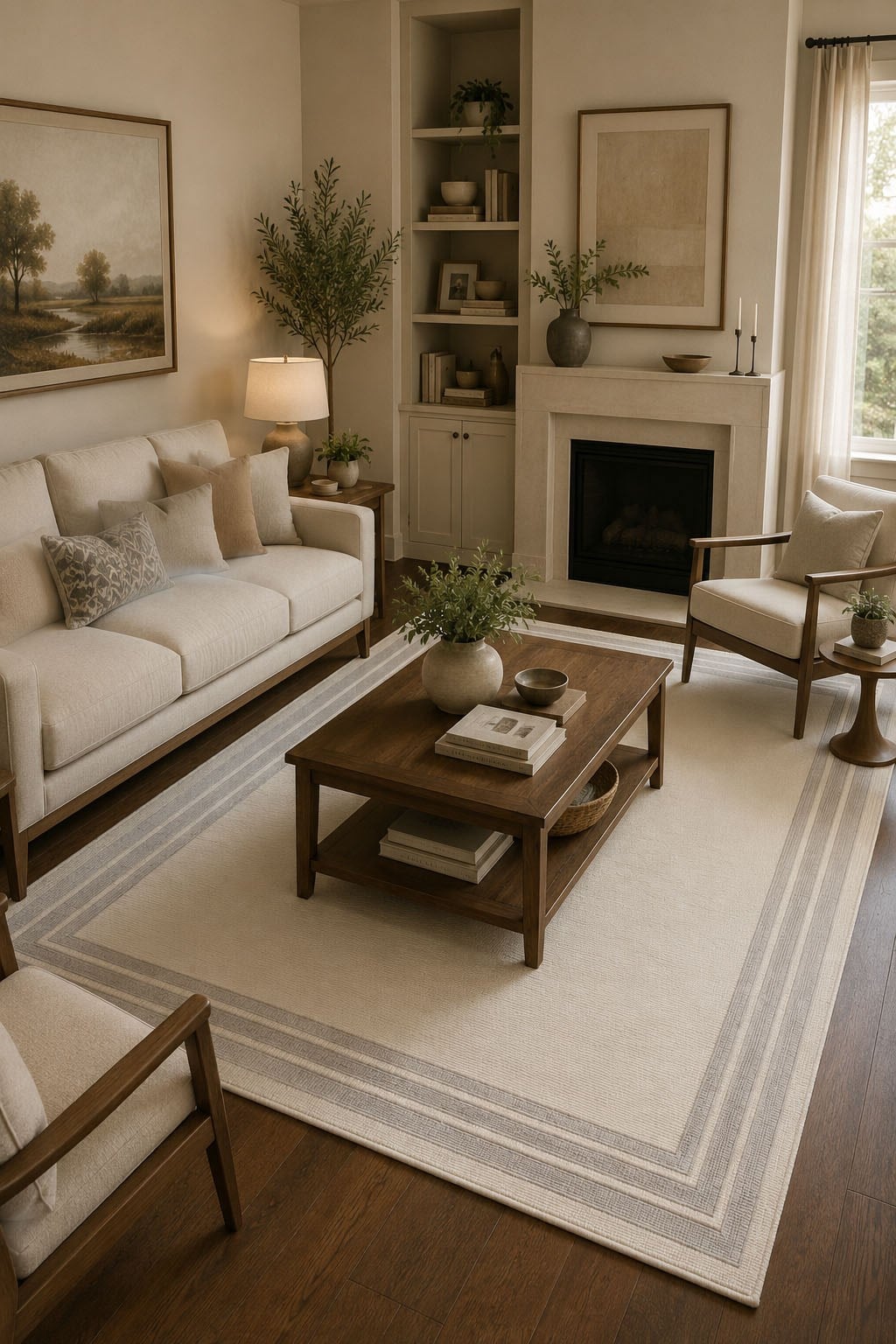
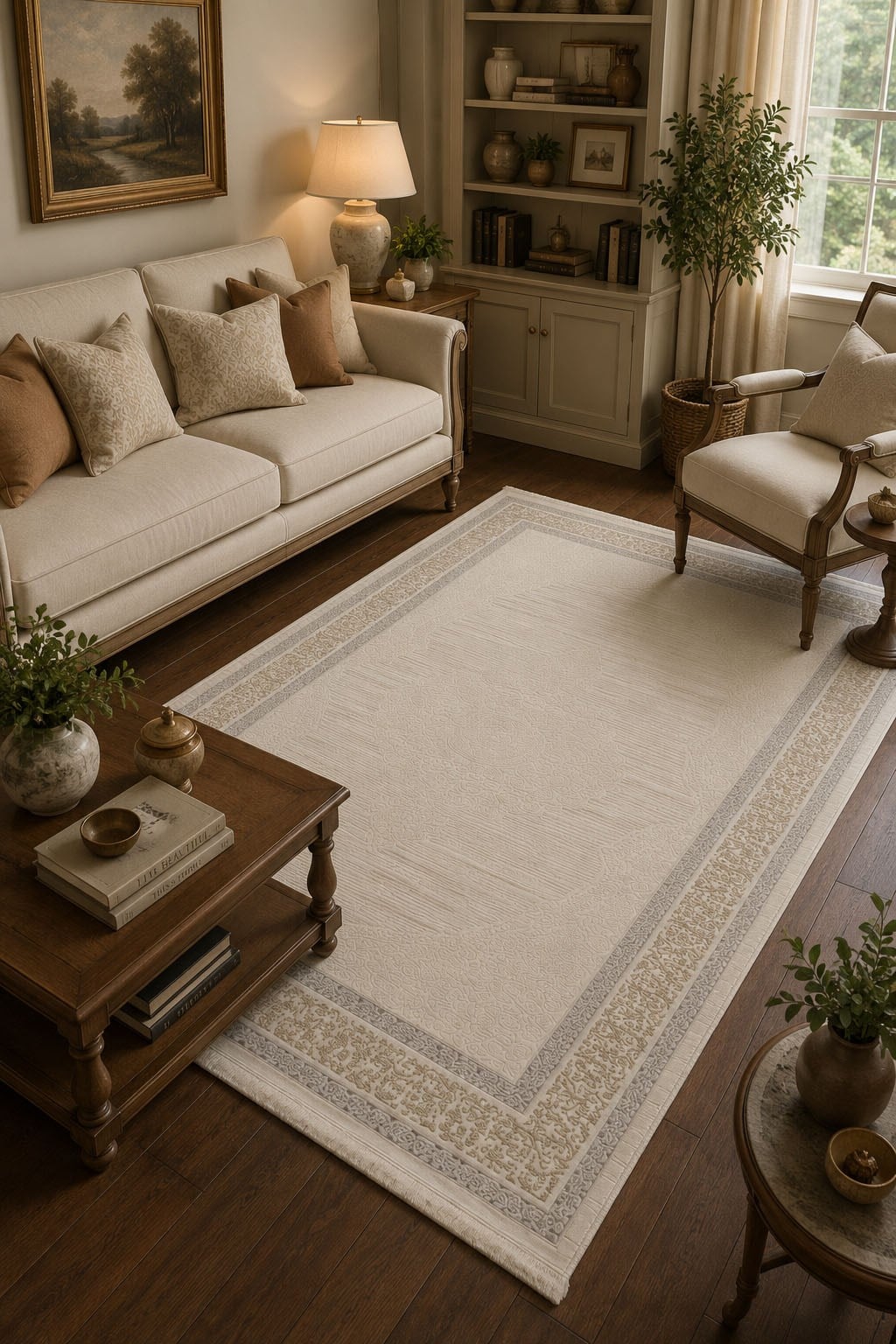
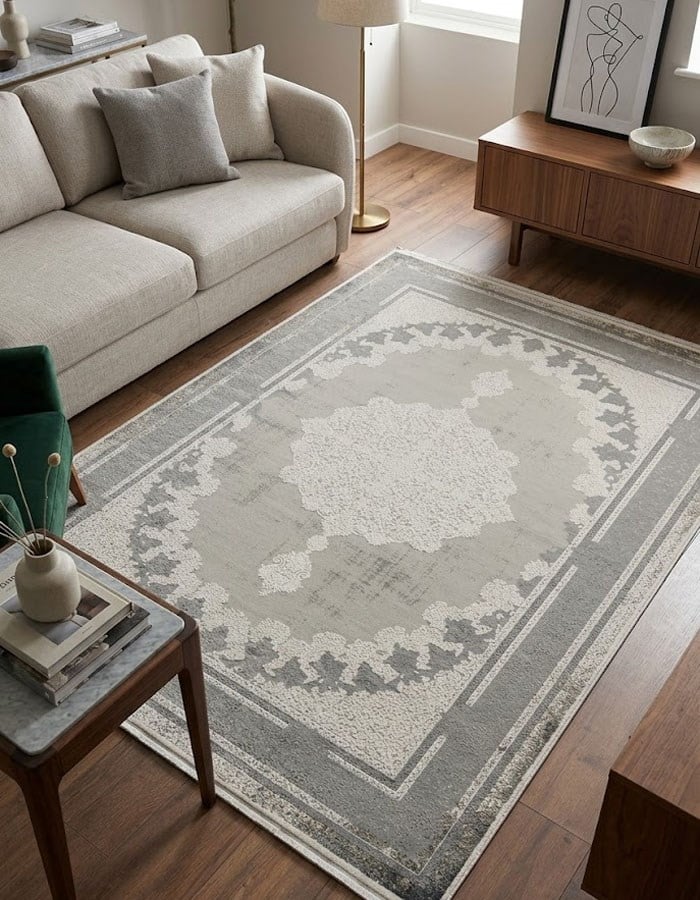
Basic Compatibility Principles
To ensure harmony in the combination of carpet and furniture, it is first necessary to focus on three basic elements: color, texture, and scale. The balanced use of these three elements allows the space to become both aesthetically rich and to improve the user experience.
- Color Psychology: It is essential that the colors used support the overall mood of the space. Specific goals should be determined, such as creating a sense of spaciousness in hotels or a feeling of focus in offices.
- Texture Balance: Different textures of rugs and fabrics should be used to soften hard furniture lines or create the opposite contrast. It is important that materials such as wool, silk, and synthetic complement each other.
- Scale Relationship: There must be consistency between the sizes of the rugs and the sizes of the furniture. Using a small rug in a large room or vice versa leads to visual chaos. Scale directly affects the perception of the space.
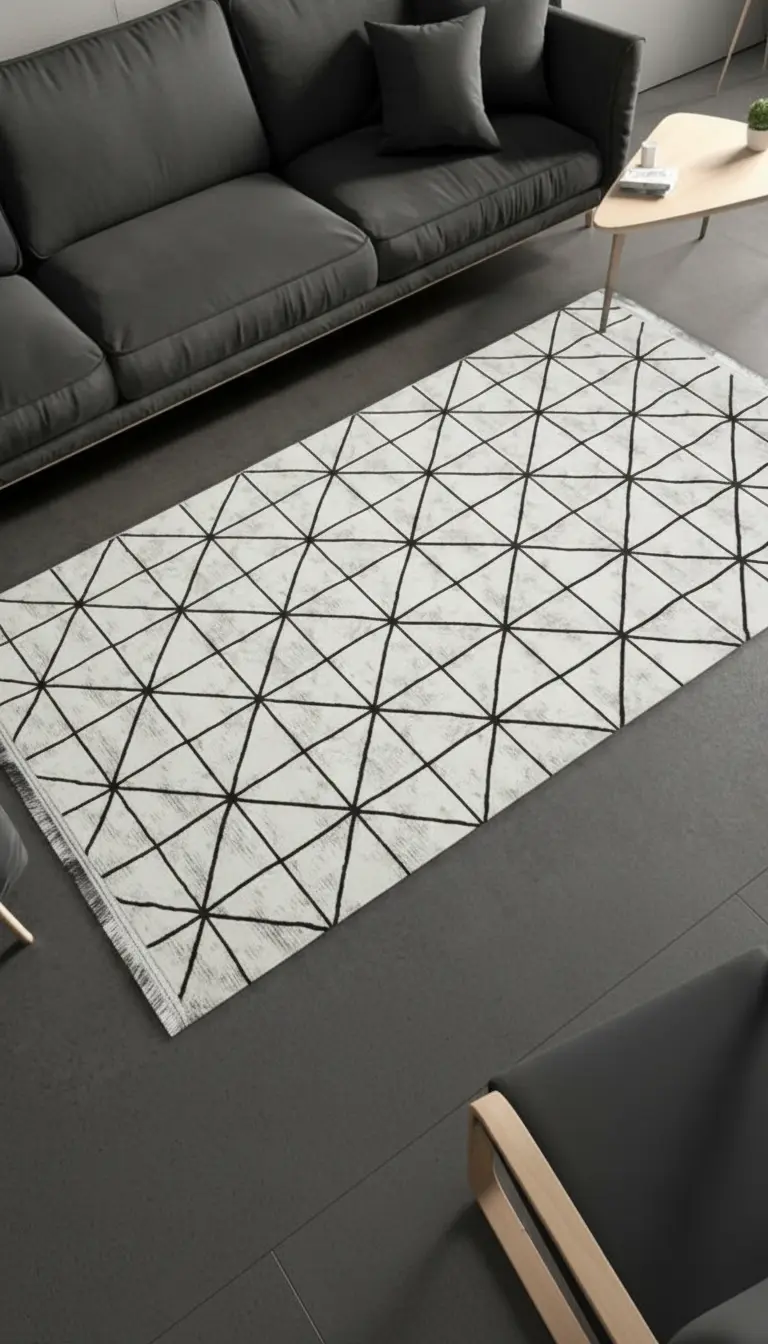
Making geometric arrangements suitable for the architectural structure of the space reinforces harmony. While geometric patterned rugs are preferred in an office environment with straight lines, natural tones and fluid patterns can be preferred in a more organic and comfortable hotel lobby.
Selection Strategies According to Space Type
Every space has its own specific function; therefore, the choice of carpet and furniture must be shaped according to the intended use. The requirements of a hotel lobby and a corporate meeting room are completely different from each other.
- Hotel Areas: In lobbies and common areas, materials that are resistant to high wear, easy to clean, and prioritize guest comfort should be preferred. Colors should generally be inviting and calming tones.
- Corporate Offices: Comfort and professionalism must be balanced in these environments. Harder, durable textures and neutral color palettes that give a sense of focus are ideal. Functionality is a priority in the selection of furniture and carpets.
- Meeting Rooms: Designs that offer the highest acoustic performance, provide sound insulation, and are visually calming should be preferred.
Technical Performance and Durability
In B2B purchases, the most important factor is the longevity of the products and their fulfillment of technical requirements. The material quality standards for carpets used especially in commercial areas are very high.
- Fire Safety: Materials with flame spread resistance certificates, which are mandatory in commercial buildings, must be used. This is vital for both legal compliance and safety.
- Antistatic Properties: Antistatic fabrics that prevent static electricity, especially in office and presentation areas, are important for protecting equipment and creating a comfortable working environment.
- Acoustic Performance: Carpets that provide sound insulation and acoustic absorption in hotel and meeting venues should be preferred. This increases comfort and controls unwanted noise.
Corporate Purchasing and Cost Optimization
In large-scale projects or corporate purchases requiring continuous supply, correct purchasing strategies are the key to optimizing costs. Volume and quantity-based discount structures offer significant advantages over one-time purchases.
Things to Consider in the Purchasing Process:
- Bulk Purchase Advantage: For carpet or furniture purchases exceeding a certain volume, suppliers generally offer significant discounts based on meterage and quantity. You should use this structure to ensure budget control.

Sultan Rugs
Follow us on social media for the latest collections, special discounts, and decoration ideas.