

Rugs are one of the most important elements that determine the character of a space. While rug selections in the hospitality sector should be made meticulously to increase comfort, in corporate projects, they must be chosen to ensure professionalism and durability. Incorrect material or technical specification selection can lead to high maintenance costs in the long run and also pose safety risks. This guide presents the seven basic checkpoints necessary for you to find the most suitable solution.

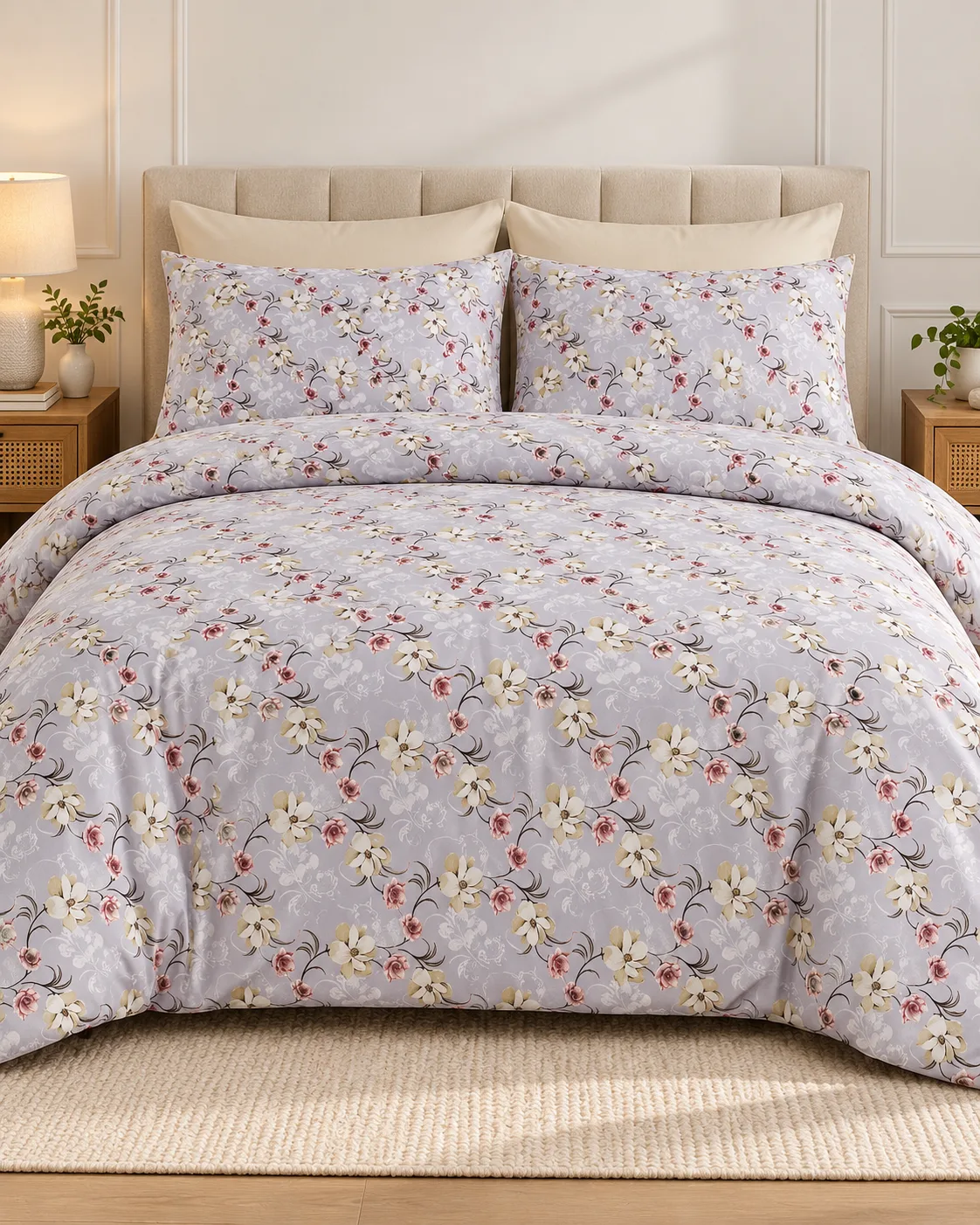

1. Determining Material Durability According to Usage Intensity
The selection of a rug must be based on the traffic and intensity of the area where it will be used. For lobby areas, corridors, or high-traffic commercial zones, wear-resistant, high-density materials should be preferred. Examining the durability test results of high-quality synthetic or natural fibers extends the life of the rug and eliminates the need for constant replacement.
The material's flexibility and resistance to wear are critical for the long-term investment value of the chosen product. Especially in high-traffic commercial areas, it must be examined in detail how resistant the surface is to scratches and stains.
2. Safety Standards: Fire and Electrical Performance
Safety is the top priority, especially in hotel and public areas. The fire performance of the selected carpet must comply with international standards. In this context, it is mandatory to choose products with a flame retardancy certificate. This feature increases life safety by preventing spread in emergencies.
Furthermore, carpets with anti-static properties are ideal for use in areas with electrical installations. The anti-static structure prevents the accumulation of static electricity, which is important for both personnel health and the protection of electronic devices. These technical details meet not only aesthetic requirements but also legal compliance requirements.
3. Importance of Acoustic Performance
In spaces where sound is important, such as hotel rooms and meeting areas, the acoustic properties of carpets cannot be ignored. High-density and correctly textured carpets provide sound insulation by reducing echo in the environment. When evaluating acoustic performance, focus should be placed on the material's vibration absorption capacity.
4. Ease of Cleaning and Maintenance Procedures
Maintenance costs are an important expense item for corporate businesses. The easier the carpet is to clean, the greater the operational efficiency. Surfaces with high stain resistance and easy-to-wipe properties should be preferred. Maintenance instructions must be clear and actionable.
The fact that cleaning chemicals used do not damage the carpet fibers is vital for the material's longevity. Therefore, the chemical durability of the material and how effectively it can be cleaned with professional cleaning methods must be analyzed in advance.
5. Aesthetic Compatibility and Spatial Atmosphere
Rugs are key elements that complete the overall design philosophy of the space. The color palette, texture, and pattern selection must reflect the atmosphere targeted by the project (luxury, modern, warm, etc.). To enrich the guest experience in hospitality, the harmony between the rug's colors and patterns and the space's architecture must be meticulously controlled.
It is possible to create a visual hierarchy by using different textures and patterns for different areas. For example, more elaborate designs can be preferred in reception areas, while more calming textures can be chosen in lounge areas.
6. Supplier Reliability and Certification Check
The reliability of the rug supplier directly affects the success of the project. It is necessary to question the source of quality products and examine the manufacturer's quality control processes. The product's origin, material certificates used, and compliance documents with international standards must be requested.
Certified products show that the technical performance is guaranteed and that ethical production processes have been followed. Making the collaboration with your supplier transparent is a critical step to prevent potential problems.
7. Purchasing Strategies and Quantity-Based Discounts
Volume-based discounts are one of the most powerful tools for ensuring cost-effectiveness in corporate purchases. Instead of purchasing individual products, bulk buying based on a specific quantity or meterage provides a unit price advantage.
When creating purchasing strategies, the total project requirement must be calculated, and negotiations should be conducted with suppliers for competitive prices. Large volume orders generally offer better terms and special design options. This approach makes it possible for you to obtain the highest quality within budget constraints.
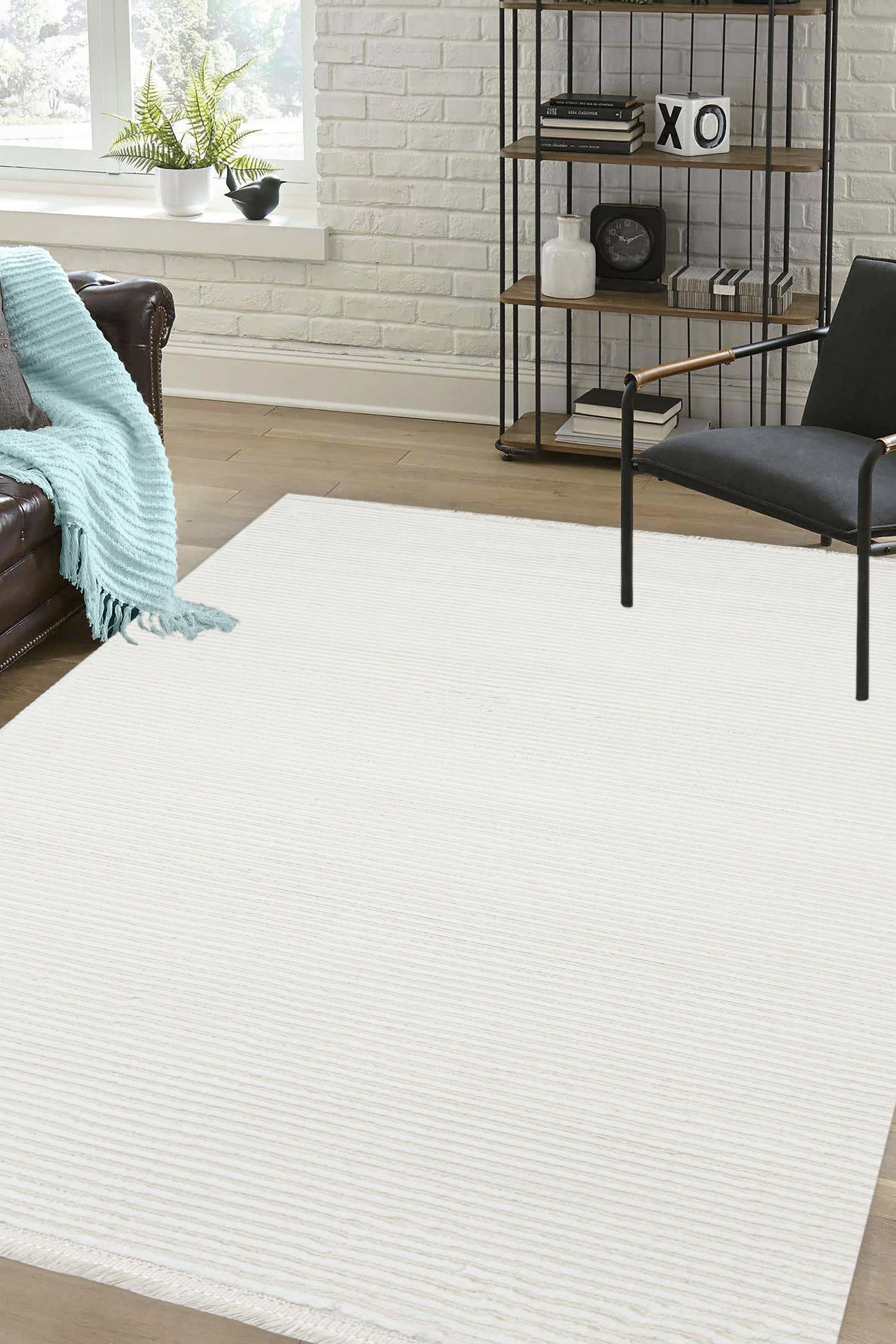

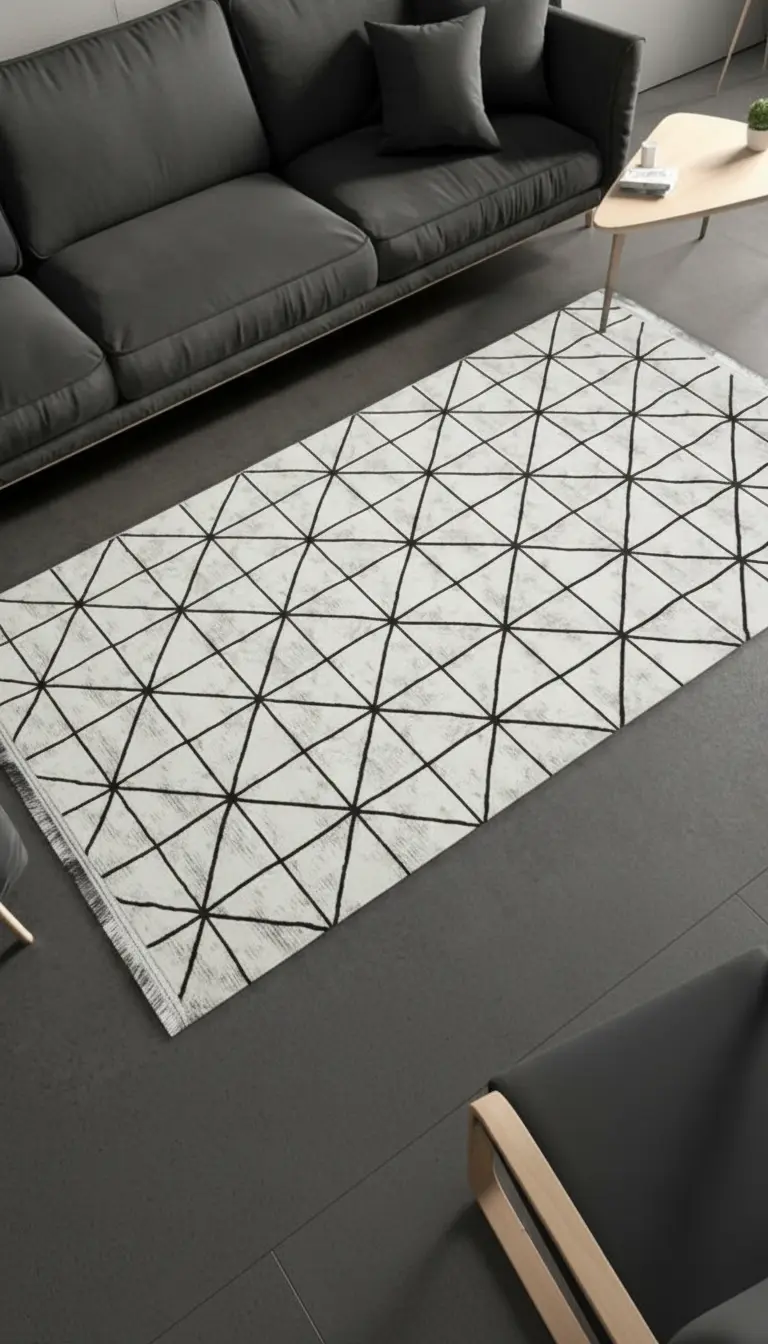
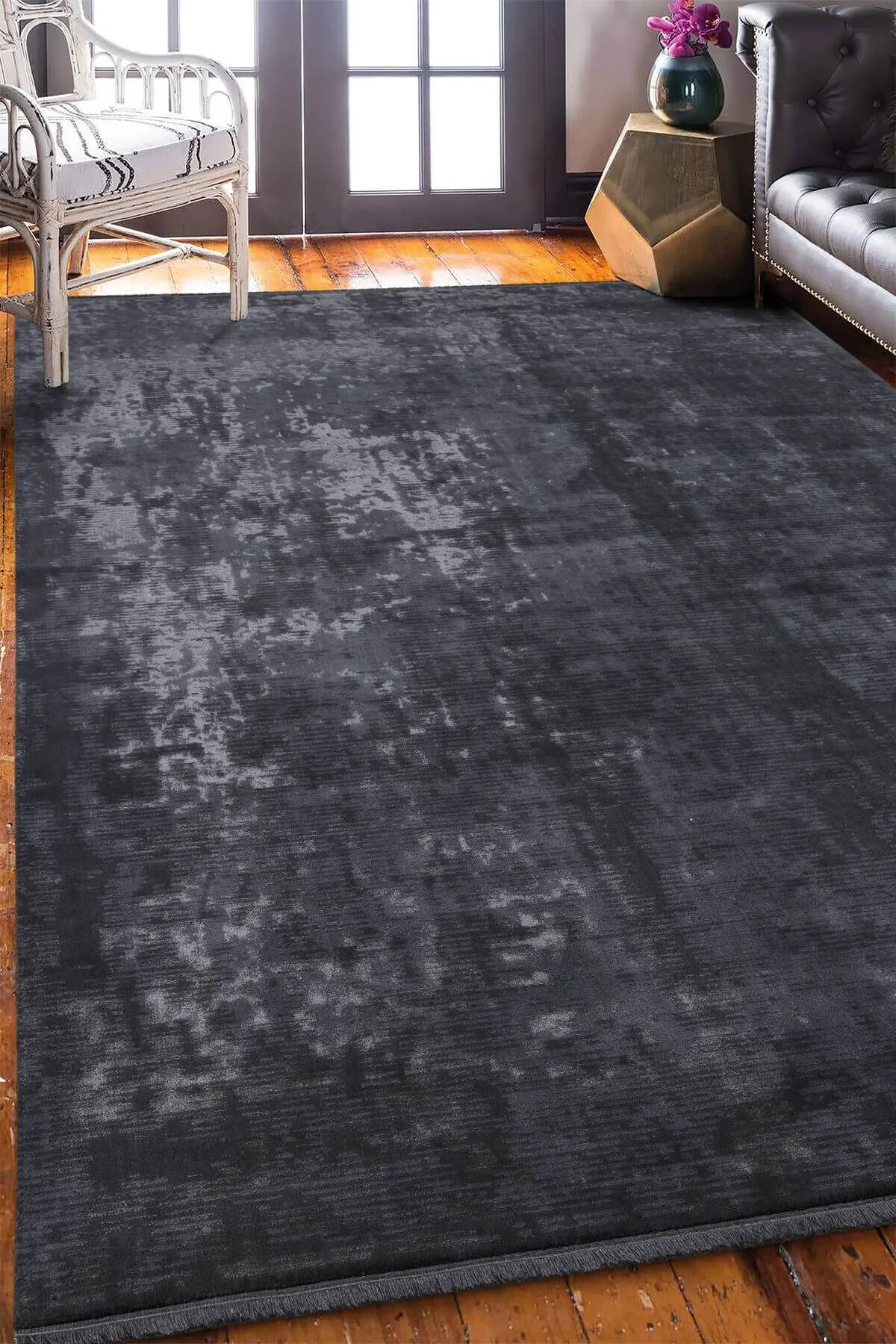

Sultan Rugs
Follow us on social media for the latest collections, special discounts, and decoration ideas.