
One of the most fundamental elements that determines the atmosphere of a space is the carpet. For hotel operations, project developers, and corporate purchasing departments, choosing the right carpet must meet aesthetic expectations while also providing long-term durability and operational ease. Wrong choices strain the budget and quickly wear out depending on daily heavy use. In this guide, we cover seven critical points you must consider when choosing carpets for your commercial projects.
1. Usage Area Intensity and Traffic Analysis
Carpet selection should be based on the character of the area where the carpet will be used and the expected traffic intensity. Areas such as lobbies, corridors, or high-density hotel rooms require high-wear-resistant, commercial-grade materials. The higher the traffic intensity, the stronger the carpet's weave density and fiber structure must be. In areas with high foot traffic, it is essential that the surface is resistant to scratches, stains, and wear.
2. Material Quality and Durability Standard
Material quality forms the foundation of the carpet used in commercial projects. Durable materials such as high-density wool blends, polyurethane, or special vinyl-based products should be preferred. The resistance these materials show against tearing, crushing, and color fading directly affects the return on investment period. A quality floor covering promises not only appearance but also longevity.
3. Technical Performance: Safety and Comfort Features
Safety standards are a priority, especially in hotels and public buildings. Carpets must be suitable for fire safety; therefore, products with flame retardancy certification should be preferred. Furthermore, in areas of heavy use, choosing carpets with anti-static properties that reduce static electricity buildup provides a great advantage in terms of both comfort and safety.
4. Acoustic Performance and Sound Insulation
Sound insulation is a critical issue in hotel and office environments. The acoustic properties of carpets play an important role in reducing the noise level of a space. Carpets with a quality fiber structure absorb foot traffic noise and also absorb unwanted external sounds, creating a more peaceful environment. These features should be preferred, especially in lobbies and common living areas.
5. Ease of Maintenance and Cleaning Protocol
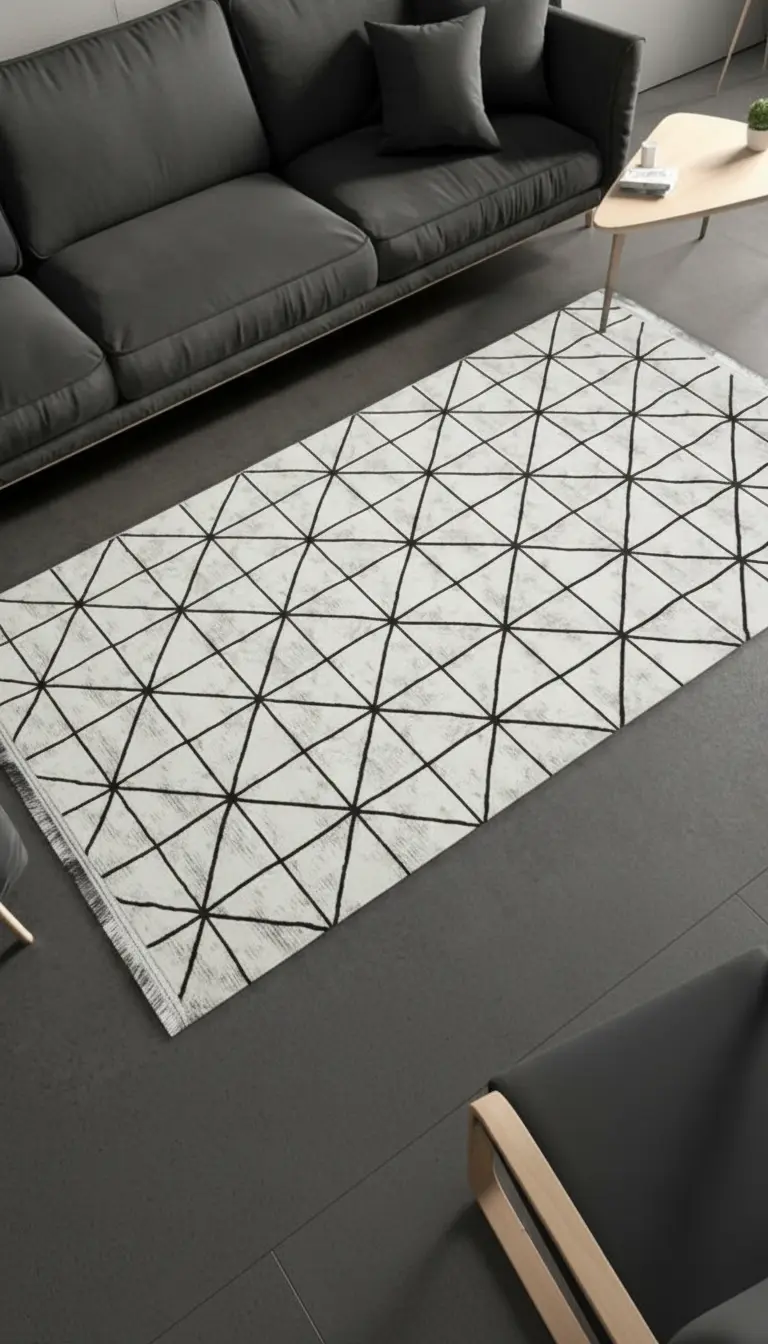
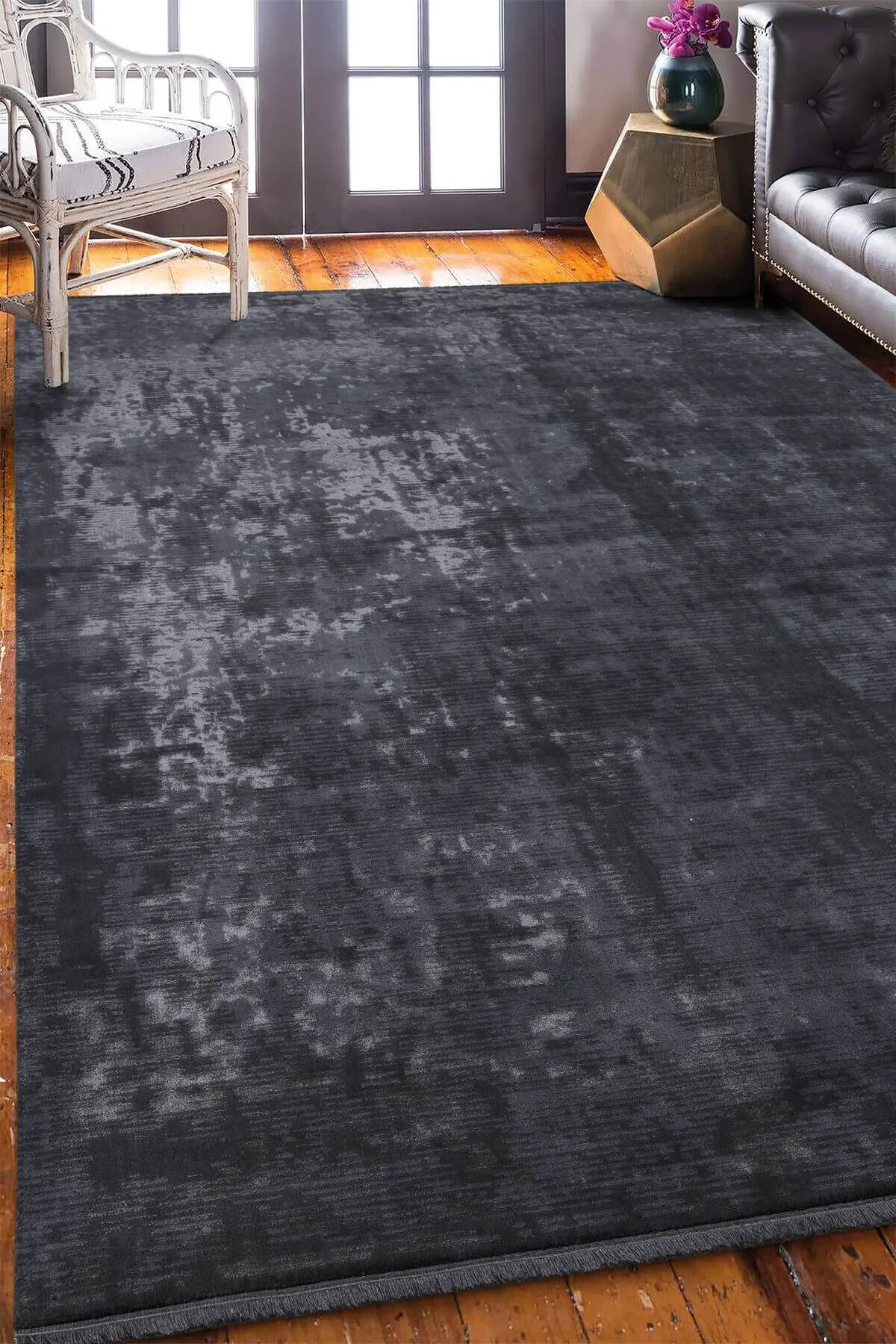
The easier the maintenance of the carpet during daily operational processes, the lower the operating cost. Materials that do not stain, are easy to wipe, and can be easily maintained with professional cleaning methods should be selected. Easy cleanability is a great advantage in terms of both time and personnel. For example, modern designed products like AGAH KF451 GRİ (NOKTALI MODERN) can offer ease of cleaning while maintaining durability.
6. Aesthetic Harmony and Design Strategy
The carpet is an inseparable part of the space's design language. The color palette of the chosen carpet must be compatible with the furniture, wall colors, and overall decoration concept. Patterns or minimalist designs that reflect corporate identity will increase the perceived value of the project. Determining a style appropriate for the space is vital for ensuring visual coherence.
7. Purchasing Strategies and Quantity/Meter-Based Discounts
To ensure cost-effectiveness in large volume purchases, be sure to evaluate discount conditions based on quantity or meterage. Corporate customers can benefit from special pricing advantages when placing orders above a certain amount. When determining your purchasing strategy, you should consider not just the unit price but also the total cost of ownership (TCO).
Choosing the right carpet is not just an aesthetic choice; it is also part of operational efficiency, safety, and long-term investment strategy. By considering these seven critical points, you can ensure the most suitable flooring for your project or hotel needs.

Sultan Rugs
Follow us on social media for the latest collections, special discounts, and decoration ideas.