
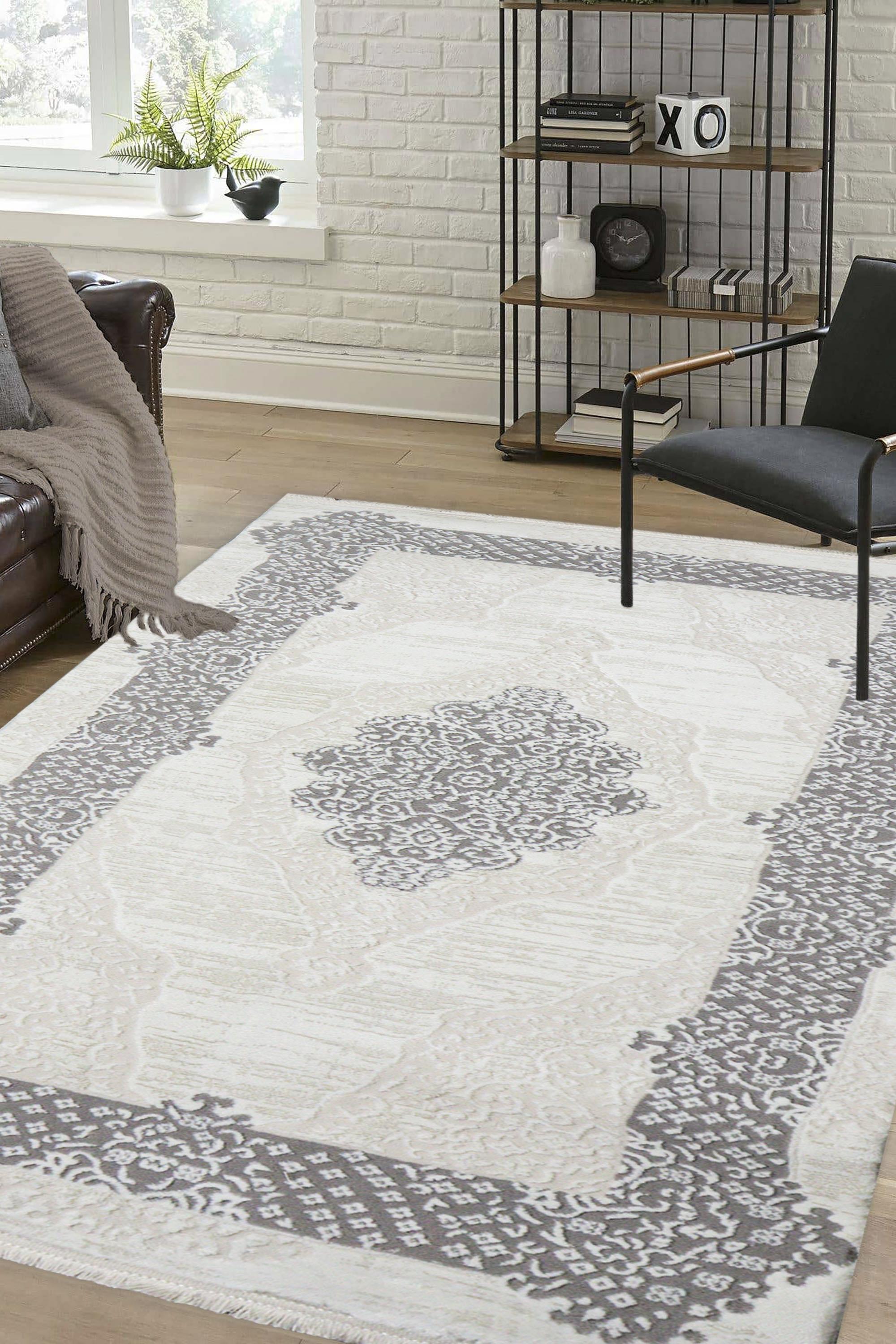
Children's rooms are special areas that require both aesthetic warmth and long-lasting durability. For hotel operations and architectural projects, carpet selection is not just a decoration choice but also a critical decision that directly affects safety, hygiene, and operational costs. Applying the right criteria allows you to create a comfortable living space and minimizes long-term maintenance burden.
1. Design and Suitability for Usage Area
Colors and Patterns
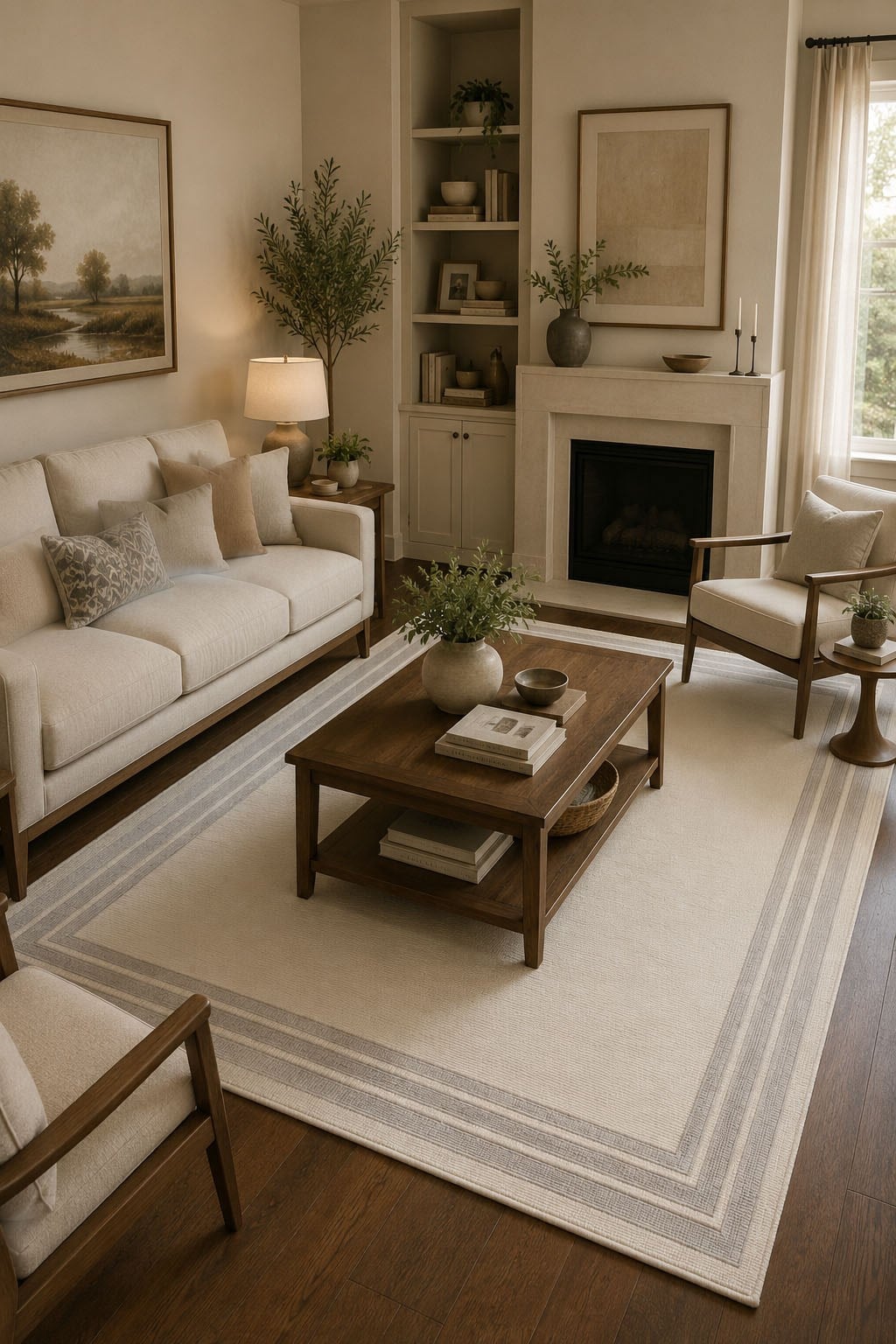
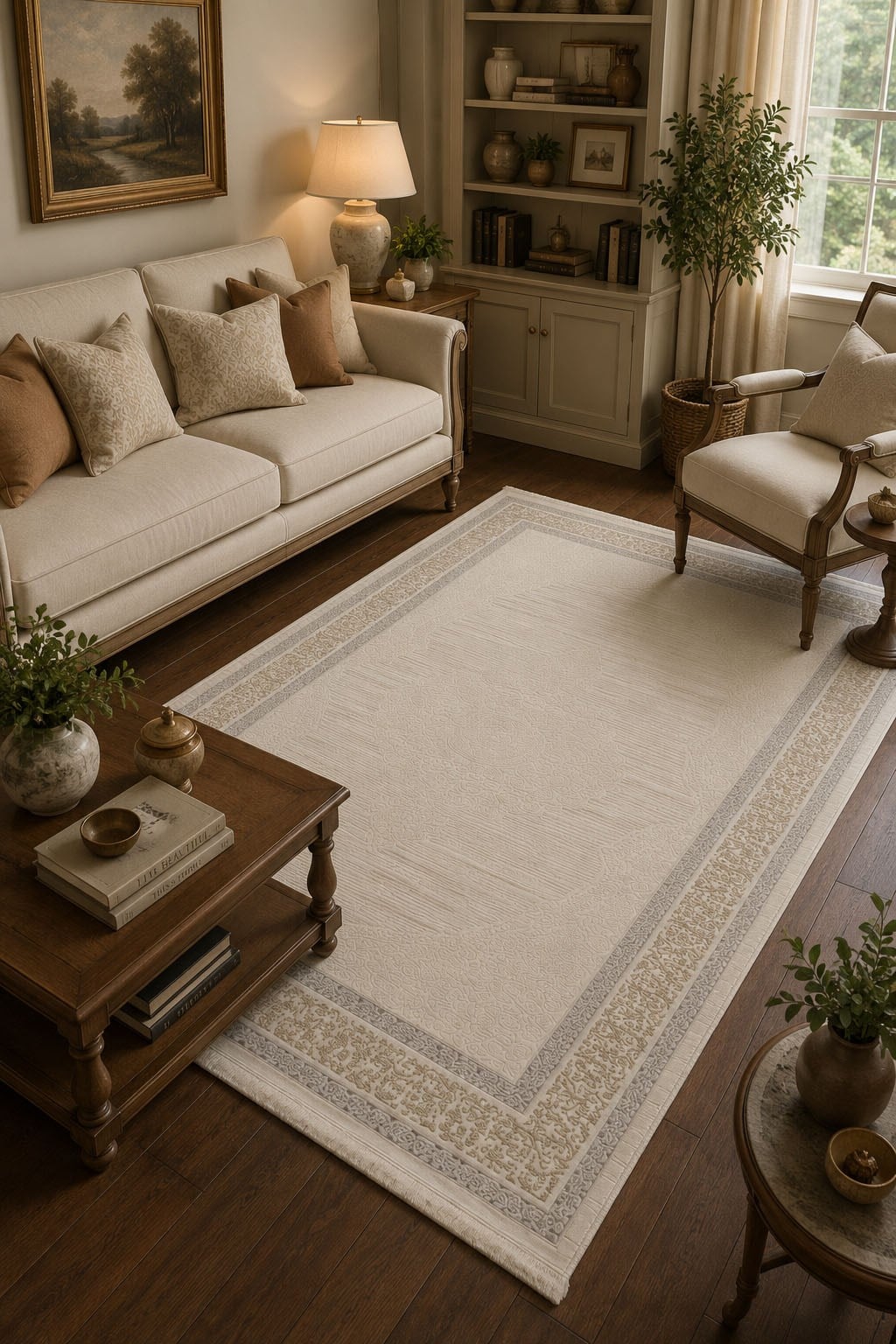
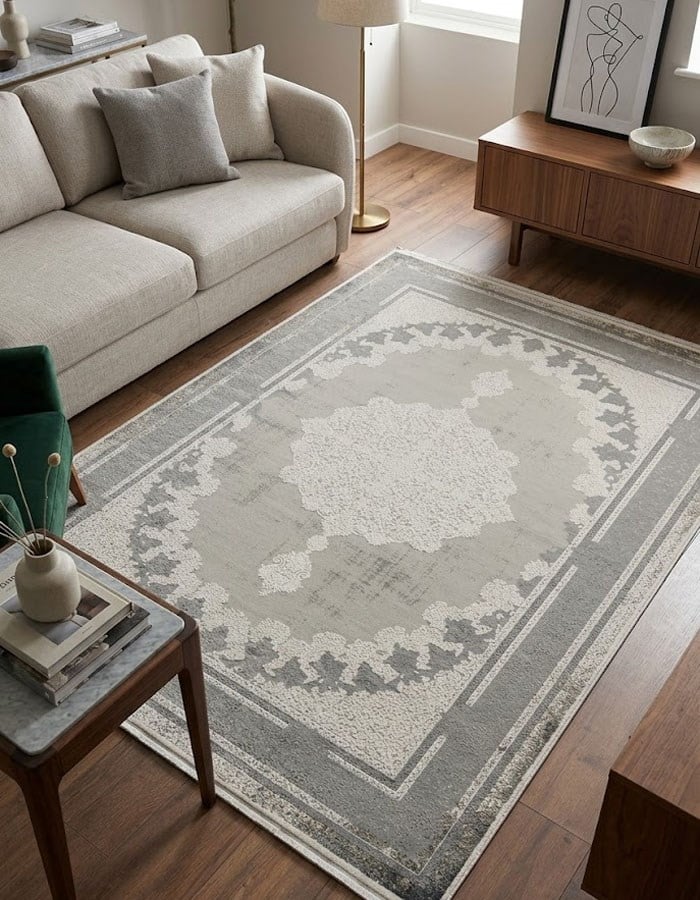
Color palettes that are suitable for children's developmental stages should be chosen—vibrant yet not overwhelming. The complexity of the patterns determines the overall atmosphere of the room. It is important that the patterns are resistant to wear in high-traffic areas.
The size of the carpet must be compatible with the overall architecture of the room. Excessively large carpets can be visually overwhelming in small rooms, whereas in large areas, the goal should be to provide sufficient texture and depth.
2. Material Quality and Durability
Children's carpets should be made from high-density and wear-resistant fibers. High-density wool blends combine the durability of synthetic or natural fibers, ensuring both comfort and longevity.
The material should have low moisture absorption capacity and a quick-drying feature. This property prevents mold formation, especially in high-humidity environments, and speeds up the cleaning process.
3. Safety Standards: Fire and Static
Safety is the most important priority in children's room carpets. The carpet must have a flame retardancy certification. This standard provides protection against potential fire risks.
Furthermore, the carpets should have antistatic properties, which play a critical role in preventing static electricity buildup that may result from electrical devices or children's movement. This feature is important for both safety and comfort.
4. Acoustic Performance
Sound insulation is important in hotel and shared living areas. Quality carpets absorb vibration on the floor, improving the room's acoustic environment. This helps reduce the propagation of high noise levels generated during children's playtimes.
Selecting carpets used in heavily trafficked areas, taking into account their sound insulation performance (NRC value), will be decisive in creating a peaceful environment.
5. Ease of Maintenance and Cleaning
The aspect most often overlooked in corporate purchases is ease of maintenance. The carpet must have high stain resistance and be suitable for daily cleaning practices.
Preferred materials should have surfaces that dry quickly and are easy to wipe. It is a great advantage that they can be effectively cleaned with standard cleaning methods without requiring special chemicals in case of dirt.
6. Color Palette Selection
Color selection determines the psychological effect of the room. Soothing and natural tones (light beige, pastel blues, greens) should be preferred; overly bright or stimulating colors should be avoided.
A holistic design should be created by ensuring harmony between the colors and other furniture and textile elements in the room.
7. Durability Against Heavy Use
Children's carpets are constantly exposed to walking, bumping, and friction. Therefore, the base structure of the carpet (backing and underlayer) must have high abrasion resistance.
High-density weave structures ensure that the material maintains its shape and does not deform, extending the investment's lifespan.
8. Supply Chain and Certifications
When making corporate purchases, it is essential to question the supplier's certifications. Documents demonstrating compliance with national and international standards, such as fire safety and non-toxic material content, should be requested for the carpet.
A reliable supply chain guarantees product quality and provides protection against potential recalls or quality issues.
9. Cost Analysis
Instead of products with low initial costs, focus should be placed on quality products that will reduce long-term maintenance and replacement costs. The quality-price balance is a critical metric in B2B purchases.
It is important to calculate the true cost by focusing not just on the initial price, but on the comfort and safety benefits the carpet will provide throughout its life.
10. Purchasing Strategies
Volume-based discount logic is very important in bulk purchases based on meterage. Minimum Order Quantities (MOQ) and tiered discount rates based on volume determined for projects or hotel chains should be clarified.
Large volume orders reduce the cost per unit, helping to optimize your budget. Maximum benefit from these discount advantages should be gained by establishing long-term agreements with suppliers.

Sultan Rugs
Follow us on social media for the latest collections, special discounts, and decoration ideas.