
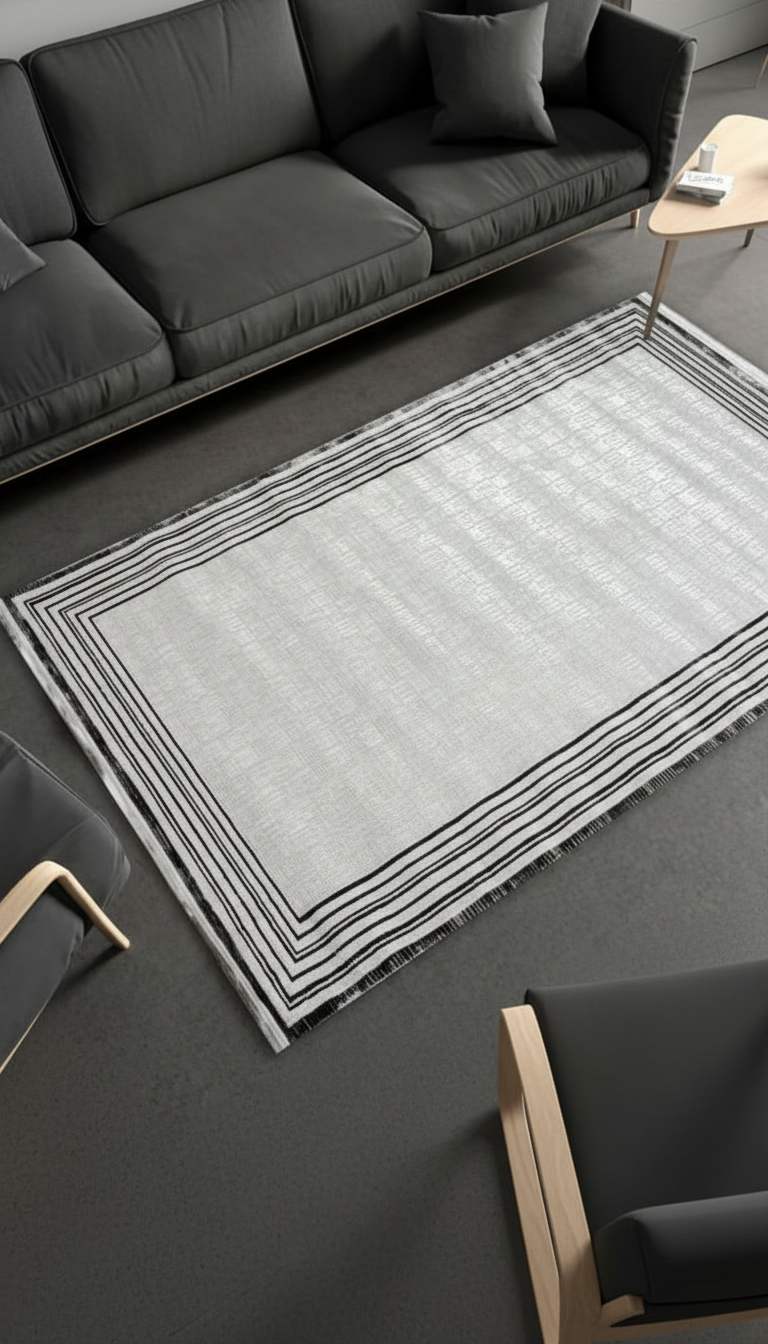
One of the most important elements determining the atmosphere of your study is the rug. For hotel managers, architecture offices, and corporate buyers seeking a minimalist aesthetic, rug selection is not just about decoration, but also about functionality and durability. The right material and design choice adds tranquility to your workspace, while technical specifications must guarantee functionality. In this guide, we present a comprehensive 15-step roadmap you should follow to ensure a perfect match.
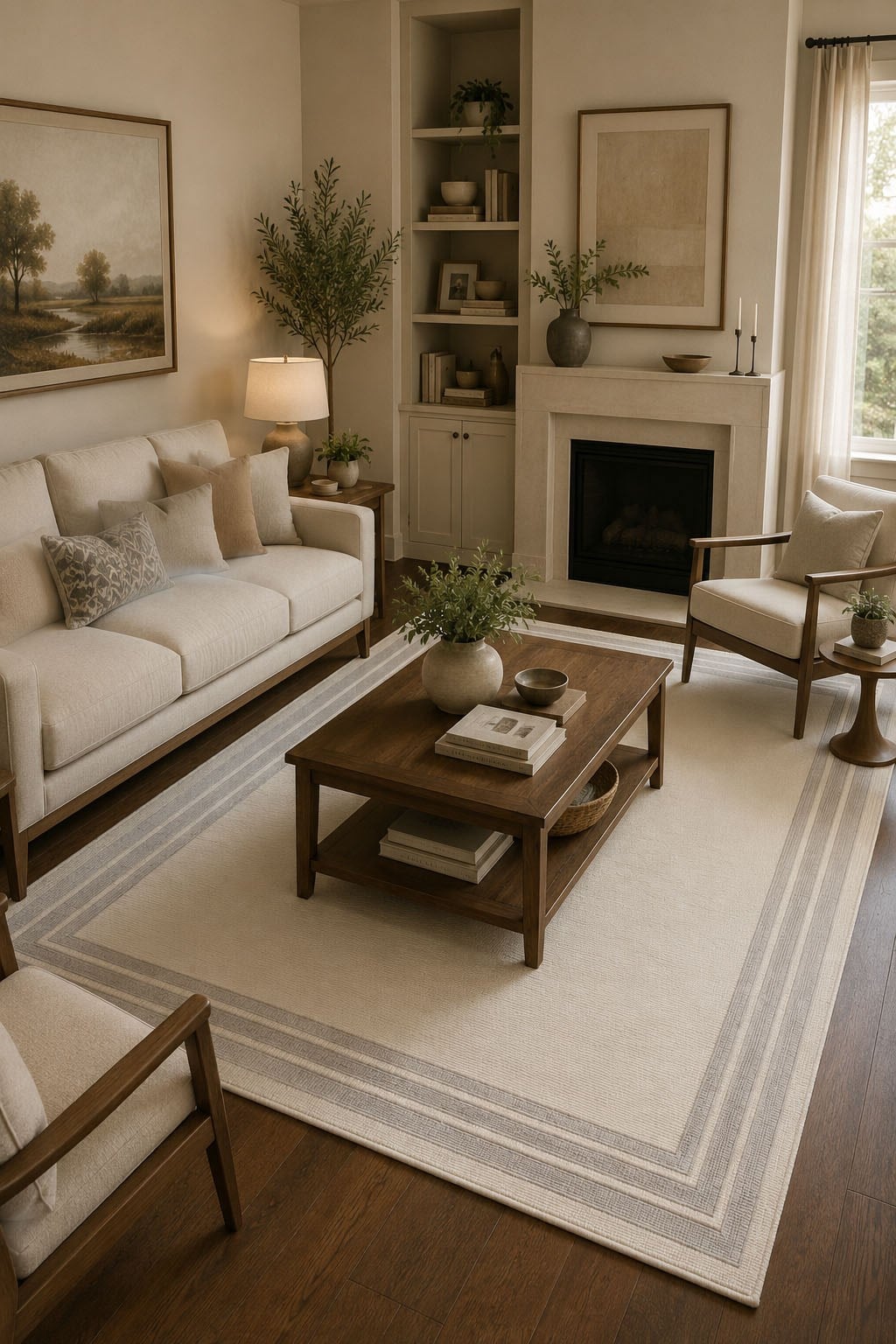
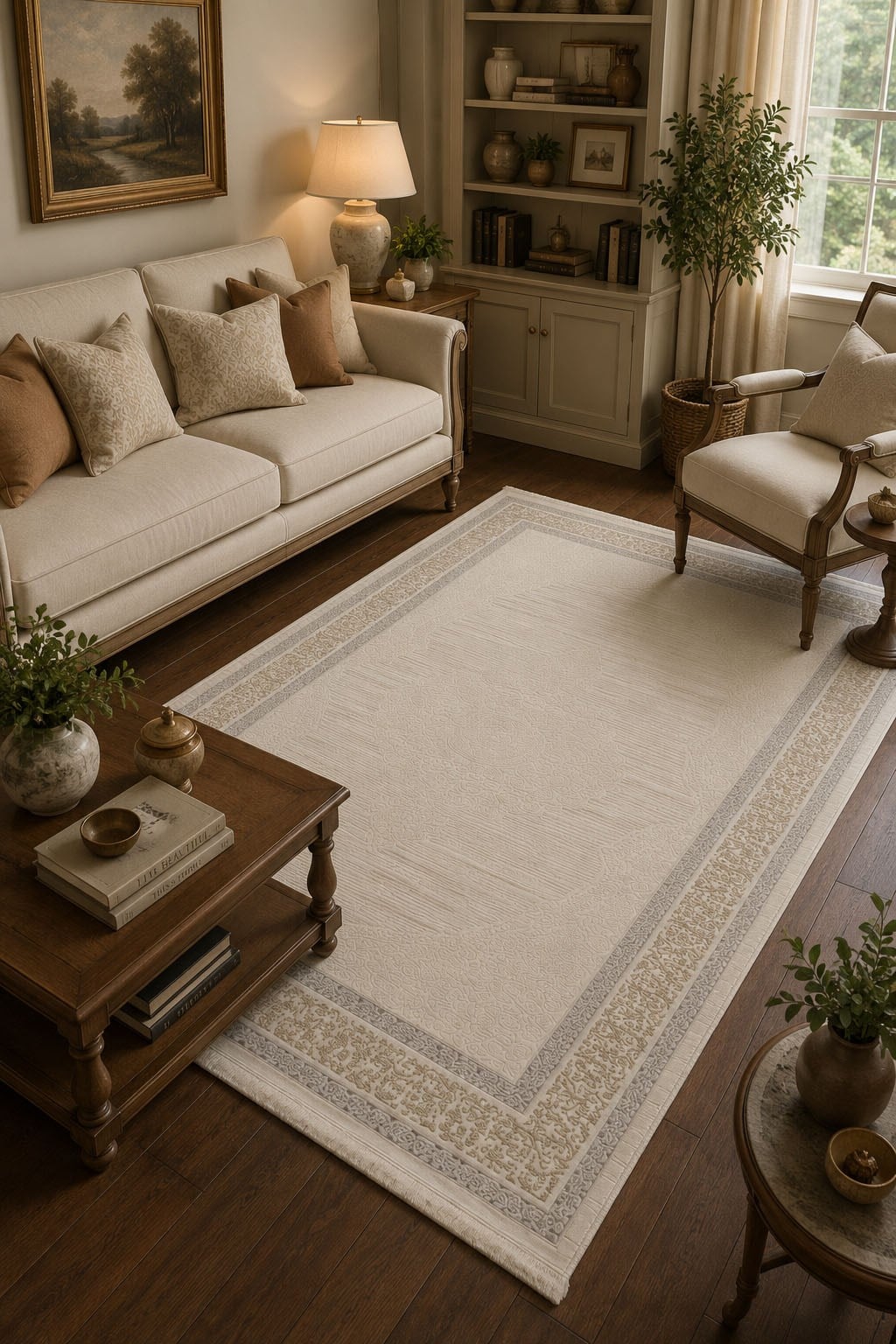
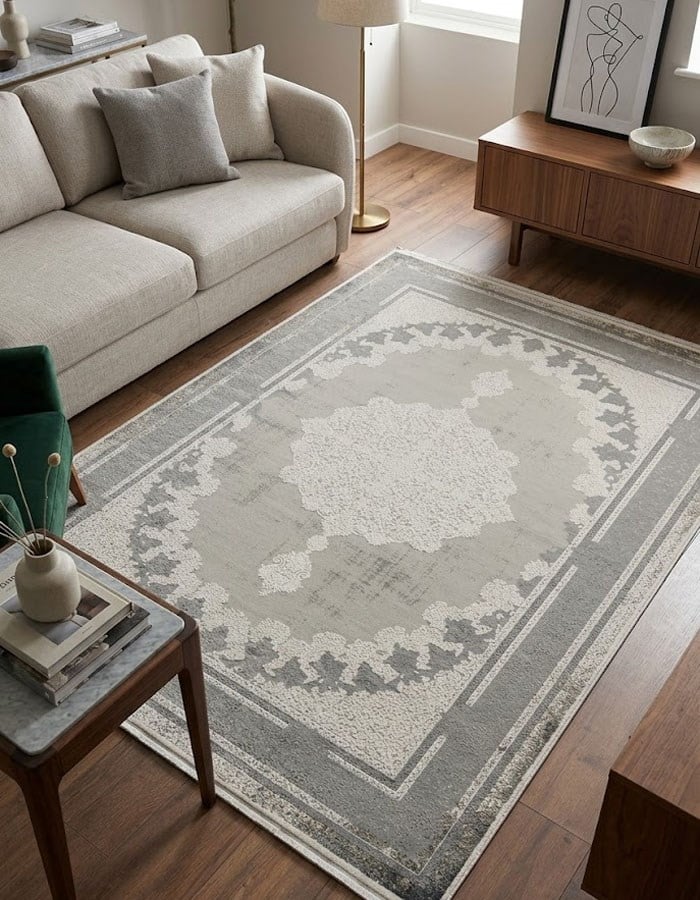
Step 1: Space Analysis and Function Determination
Understanding Your Needs
Before starting the rug selection, you must clarify the intended use of the room. Will it be a study, a relaxation area, or a meeting space? The area's square meter size and lighting conditions will directly affect the rug's size and density. In minimalist design, the goal is to prevent clutter, so the dominance of the rug in the space must be carefully evaluated.
Step 2: Style and Palette Compatibility
The Fundamentals of Minimalism
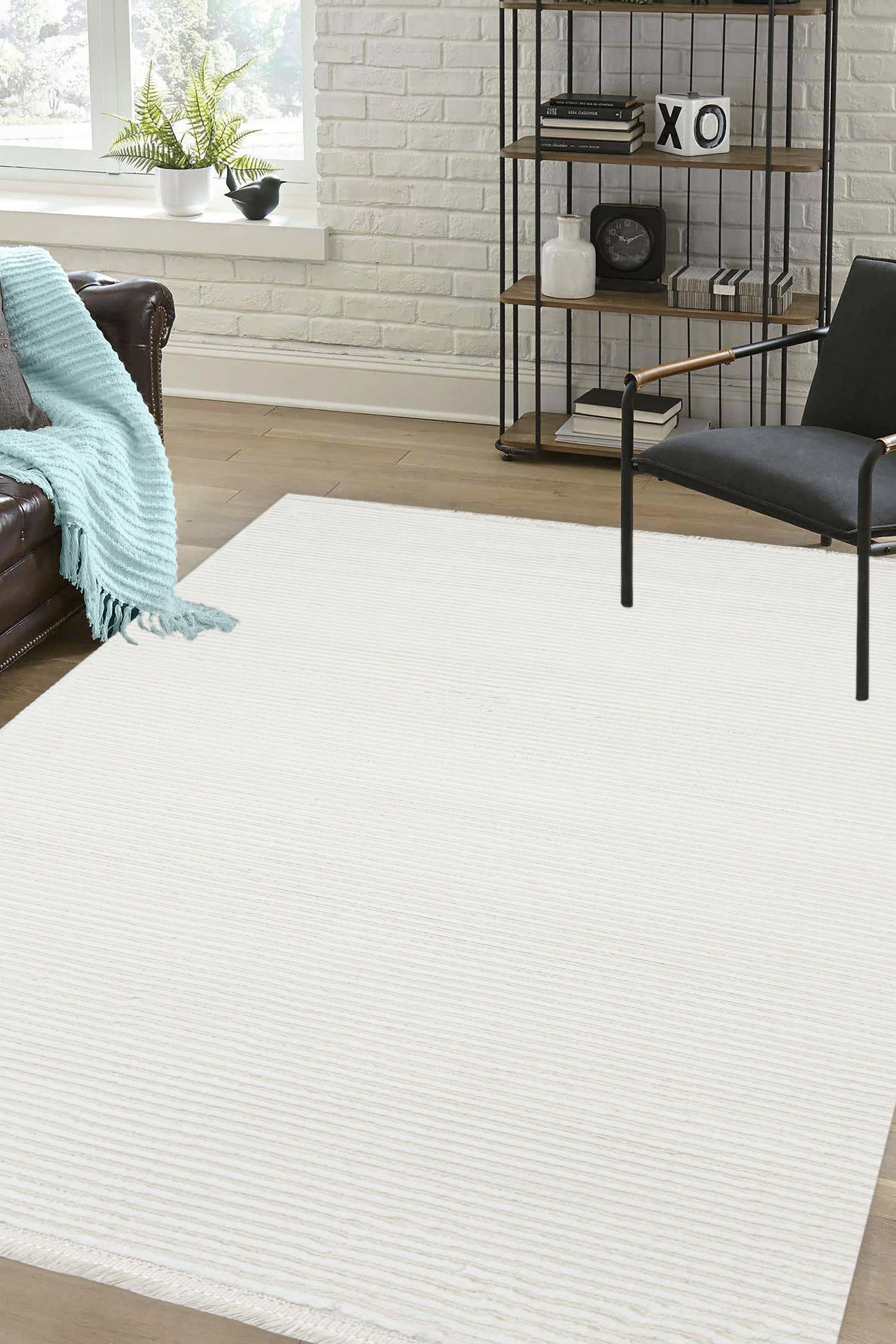
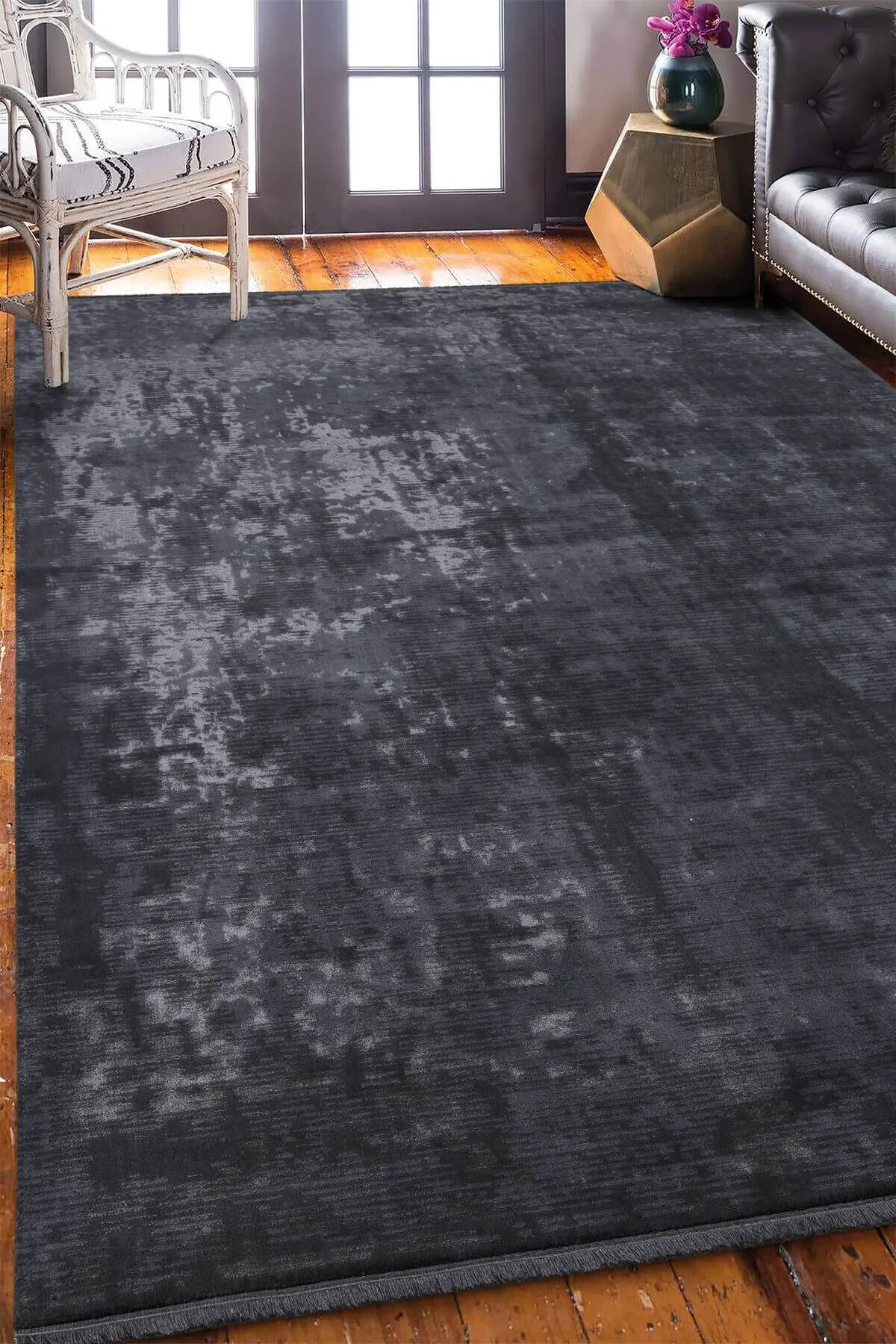
Minimalism means less but better. When choosing a rug, make the color palette compatible with the overall decoration scheme of the room. Neutral tones (beige, gray, cream) support the minimalist look, while a single texture or subtle patterns can add depth. Avoid overly bright or complex patterns; simple and clean lines should be preferred.
Step 3: Material Selection – Durability First
Durable Foundations
The resistance of rugs to wear is critical in corporate environments. Balance budget and durability among materials such as wool, synthetic fibers, or vinyl. For heavily used areas, prefer high-density and strong-fiber materials.
Step 4: Technical Performance Requirements
Safety and Comfort Elements
Minimum safety standards must be met in professional projects. The rug's antistatic property supports the safety of electronic devices, while a flame retardancy certificate is mandatory for fire safety. Furthermore, products with high acoustic performance should be selected for a peaceful office environment.
Step 5: The Role of Acoustic Performance
Sound Insulation and Comfort
A study room rug can also contribute to sound insulation. Thickly textured or specially constructed underlayers in rugs absorb unwanted external noise, keeping the workspace calmer and more focused.
Step 6: Sizing Strategies
Correct Scaling
Be careful when determining the rug size. A rug that is too small divides the space into pieces; a rug that is too large can overwhelm the area. Calculate the ideal size that comfortably surrounds the study desk without restricting furniture movement.
Step 7: The Effect of Texture
Visual Richness
When colors are limited in minimalist design, texture comes into play. Rugs with different fiber structures (e.g., a mix of fluffy wool and smooth cotton) create visual richness and add depth to the space.
Step 8: Color Selection and Toning
Calming Effect
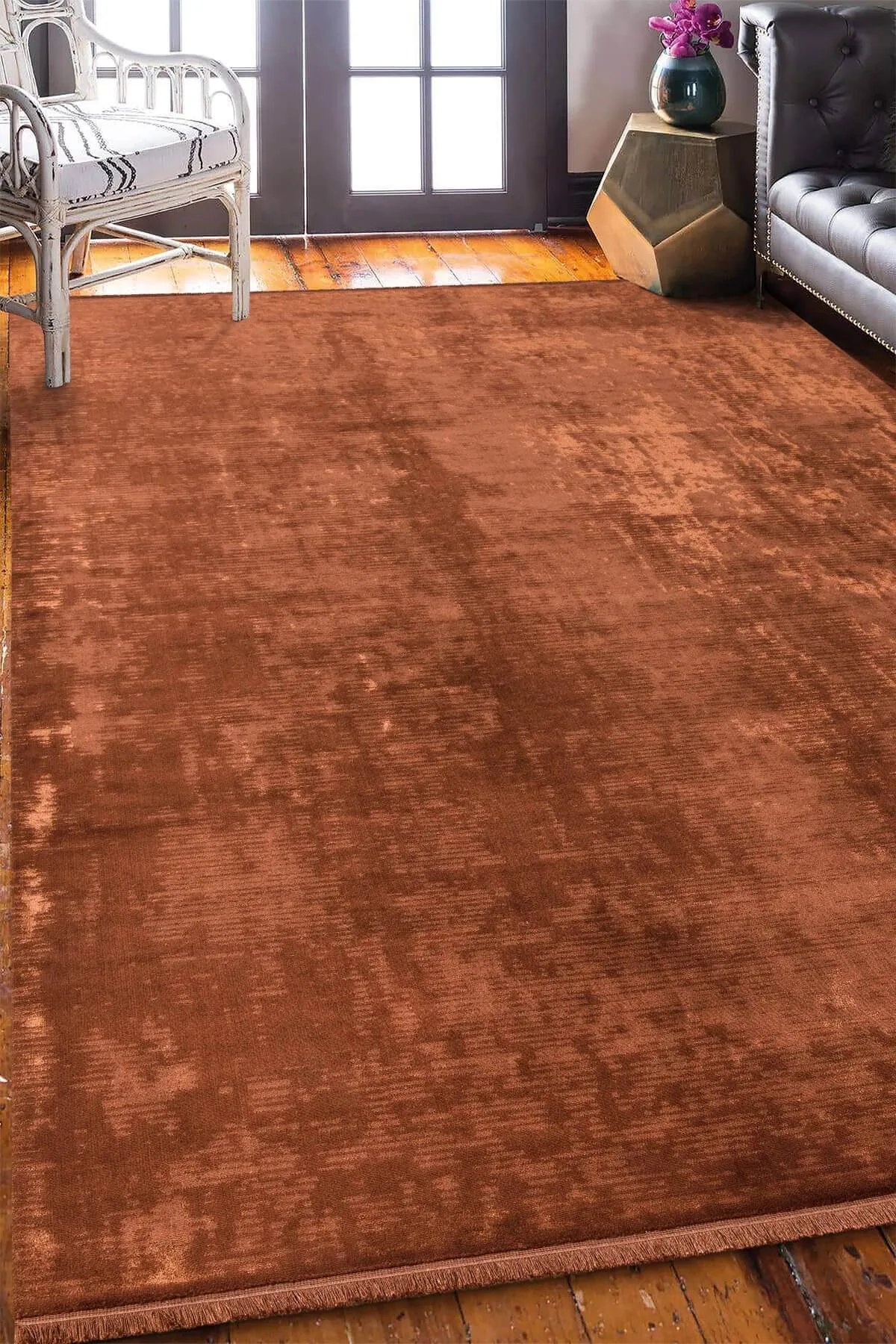
Color selection determines the mood of the room. Blue or green tones create a calming effect in study-focused areas, while warm earth tones provide a feeling of security and comfort. These choices establish the ideal balance for a professional environment.
Step 9: Ease of Maintenance
Suitability for Daily Use
Ease of maintenance is essential for corporate clients. Materials that are stain-resistant and machine washable should be preferred. This not only reduces operational costs but also saves time.
Step 10: Cleaning Protocol
Long-Lasting Maintenance
Applying the correct cleaning protocol is important for the long life of rugs. The necessity of professional cleaning services maintains the rug's quality and extends the return on investment period.
Step 11: Corporate Purchasing Strategies
Quantity and Meterage Discounts
Cost optimization is essential in B2B purchases. Evaluate quantity and meterage-based discount structures valid for large amounts or bulk orders. By opting for annual or quarterly regular supply agreements instead of one-time small purchases, you can reduce the unit cost.
Step 12: Supplier Quality Control
Certification and Sourcing
During the purchasing stage, request the manufacturer's quality certifications (especially fire safety and material standards). Reliable suppliers offer seamless service and product warranty in the long term.
Step 13: Project Integration
Architectural Balance
When placing the rug, review its relationship with the furniture and wall colors. The rug should integrate with the other elements of the space and should not dominate them.
Step 14: Adaptation to Trends
Catching Current Trends
Follow minimalist rug trends that are prominent in the market. These trends generally focus on the use of natural fibers or the simplification of geometric patterns. Current trends will enhance the modernity of your project.
Step 15: Final Checklist
Final Check for Perfect Match
Finally, ensure that the chosen rug meets all technical requirements (antistatic, flame retardancy, acoustic) and is 100% compatible with the space in terms of style. This 15-step process will allow you to make the most correct minimalist rug investment for your study.


Sultan Rugs
Follow us on social media for the latest collections, special discounts, and decoration ideas.