
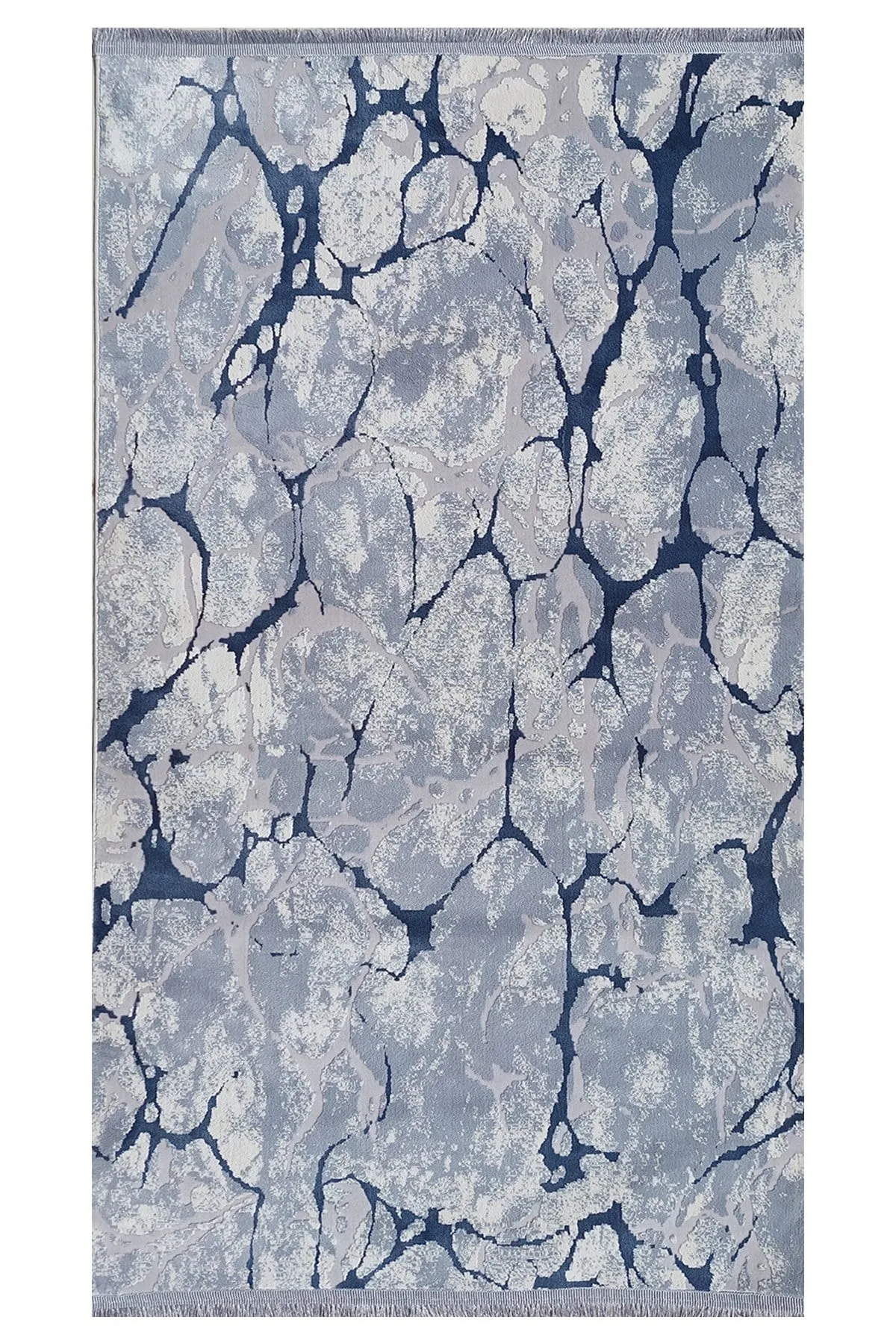
The kitchen has evolved from a mere cooking space into the centerpiece of social interaction and design in modern architecture. As we look toward 2026, the role of rugs in kitchen decor is critical, not just for aesthetic richness but also for technical performance requirements. Choosing the right rug enhances visual appeal while ensuring long-term ease of maintenance and adherence to safety standards for commercial establishments.


General Aesthetic Trends Dominating 2026 Kitchen Design
The trends shaping next season's kitchen design point toward hybrid styles where minimalist lines meet warm textures. These trends aim to prioritize functionality while simultaneously boosting perceptions of luxury and comfort.
- The Rise of Natural Textures: Rugs made from wool, linen, and natural fibers will combine with modern countertops and metallic accents to create an organic warmth.
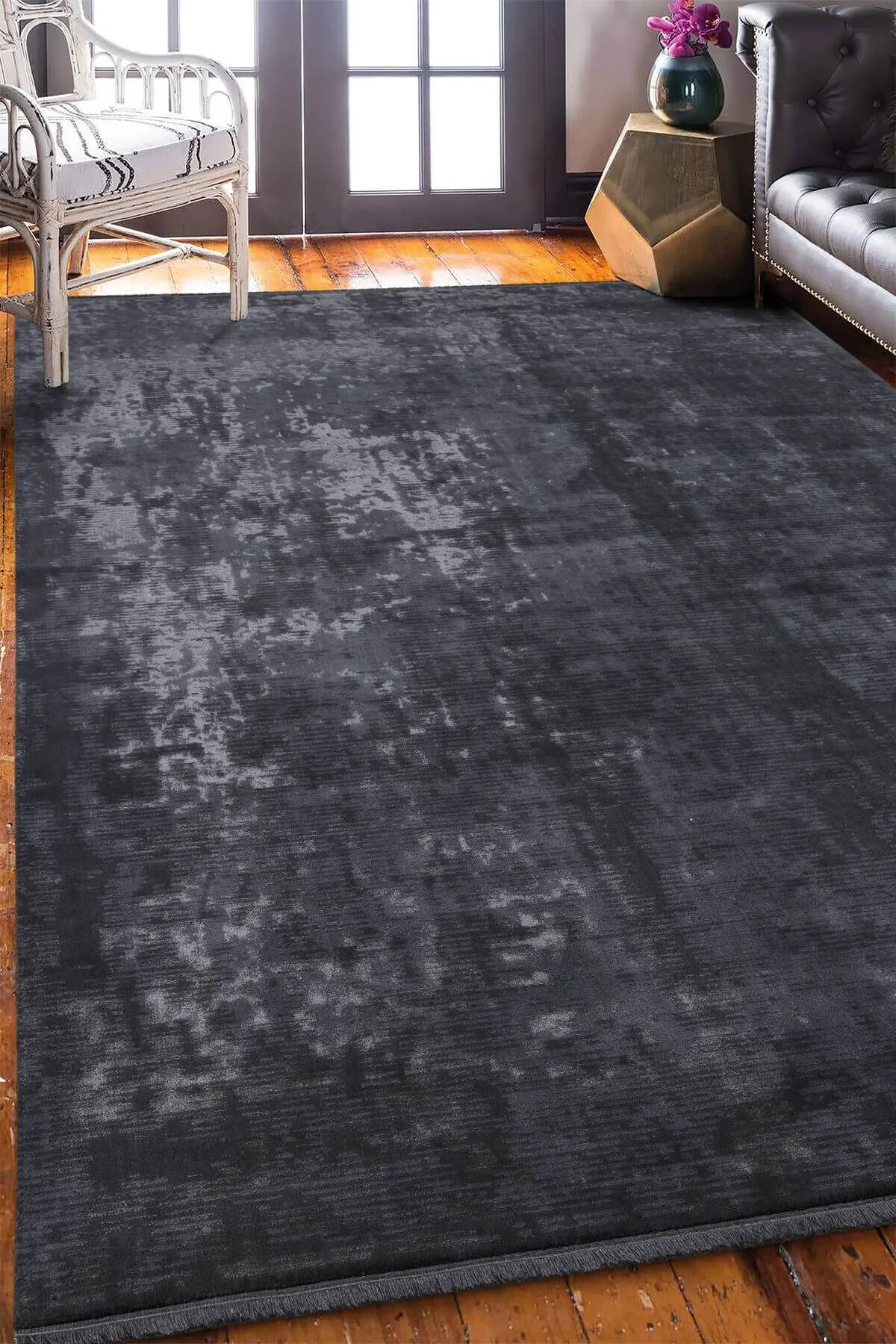
- Reinterpretation of Geometric Patterns: Instead of classic geometric designs, softer transitions, abstract, or slightly distressed geometric forms will be preferred. This adds dynamism to the space without being overwhelming.
- Depth in Color Palettes: Deep, saturated colors like navy blue and olive green, enriched with matte, earthy tones (terracotta, khaki), will lend a sophisticated air to the kitchen.
- Textile Mixes: The integration of velvet, jute, and thick-textured fabrics in accessories used in seating areas or island setups will become widespread, complementing the main rugs.
Material Selection and Technical Performance Requirements
In corporate projects and hotel operations, material technical specifications are vital, going beyond aesthetics. In high-traffic kitchen areas, durability, safety, and hygiene standards are paramount.
Safety and Durability Features
The core technical requirements that commercial rugs must meet include:
- Flame Retardancy: Materials compliant with fire safety standards, especially in commercial kitchens, that prevent flame spread are mandatory. This supports the operation's risk management.
- Anti-Static Properties: Fibers with anti-static properties should be preferred to resist oil and moisture conditions in the kitchen environment and minimize static electricity.
- Ease of Cleaning: Stain-resistant, easy-to-wipe surfaces allow staff for fast and effective cleaning.
The Importance of Acoustic Performance
Kitchen areas often have high noise levels. Rugs with high acoustic performance play a significant role in sound insulation, reducing the overall noise level of the space. This feature enhances the quality of life, particularly in open kitchen concepts.
Strategic Use in Hotel and Project Applications
In the hospitality sector, rug usage is an element that directly impacts the guest experience. The textures and colors used in kitchen areas should offer guests a sense of luxury and intimacy.
- Guest Experience Focus: Soft, high-quality textures must be used to enhance the level of comfort guests feel in the kitchen or communal dining areas.
- Area Definition: In large commercial kitchens, pattern and color transitions should be strategically planned to visually separate different functional zones (prep, service, seating).
- Sustainability Emphasis: In line with corporate consciousness, using rugs made from recycled or environmentally friendly materials contributes to businesses achieving their sustainability goals.
Bulk Sales and Corporate Procurement Strategies
For hotel chains and architectural firms making large volume purchases, cost-effectiveness is the most important factor. The right purchasing strategy preserves quality while optimizing the budget.
The discount logic based on quantity or meterage is applied incrementally according to volume. Discounts are typically offered at higher rates for purchases exceeding a certain threshold (e.g., over 500 square meters). In this model, suppliers aim to establish long-term and continuous partnerships.
Factors Influencing the Discount Structure
- Order Volume: The size of bulk orders is the primary determinant of the discount rate.
- Material Quality Level: Special pricing is applied for bulk purchases of high-performance products (e.g., fire retardancy certified).
- Contract Duration: Long-term supply contracts ensure fixed discount rates and price stability.
Project managers can use this strategy to realize their design visions while optimizing operational costs. Establishing a transparent pricing agreement with the supplier is essential to achieve the best value without compromising quality.

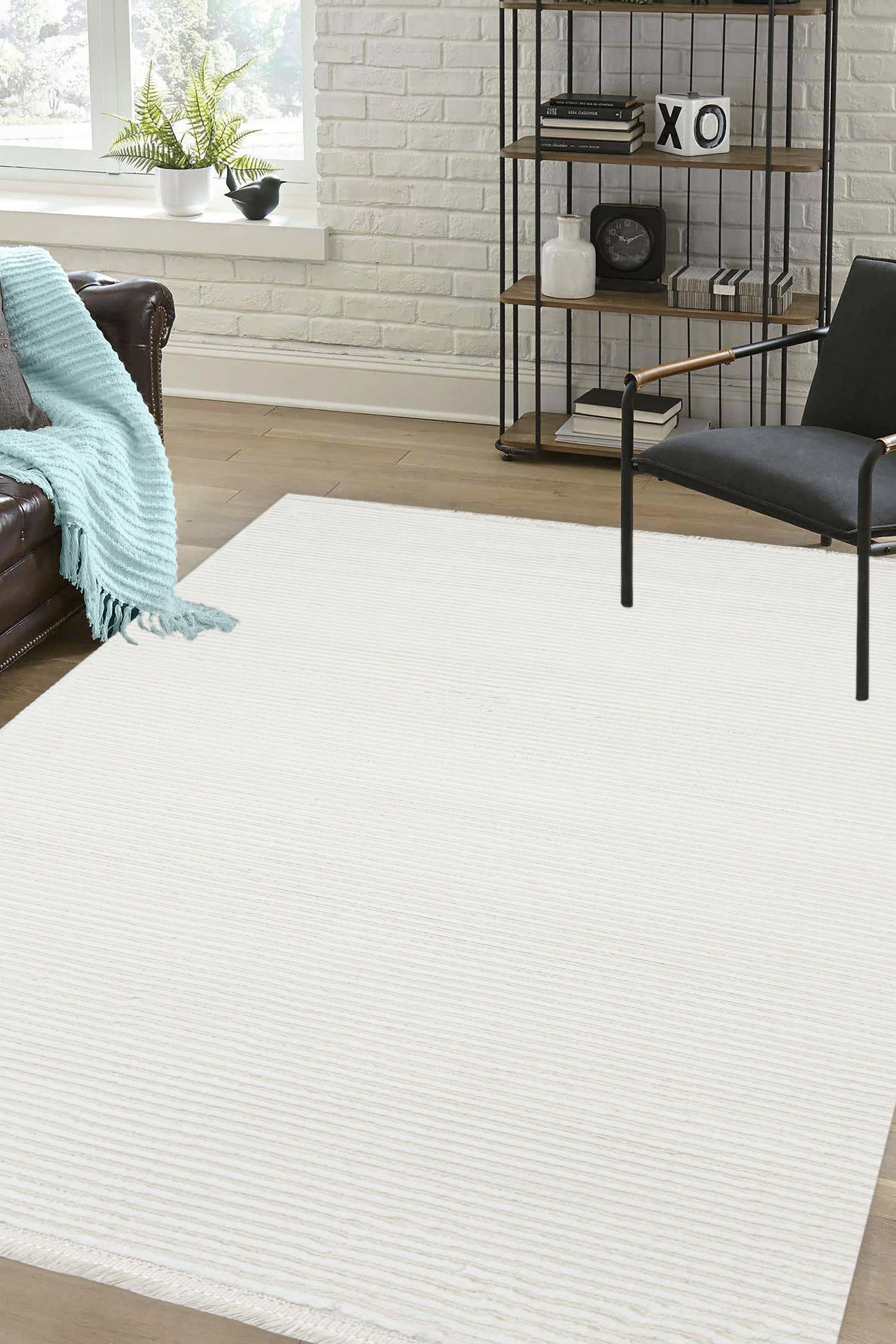
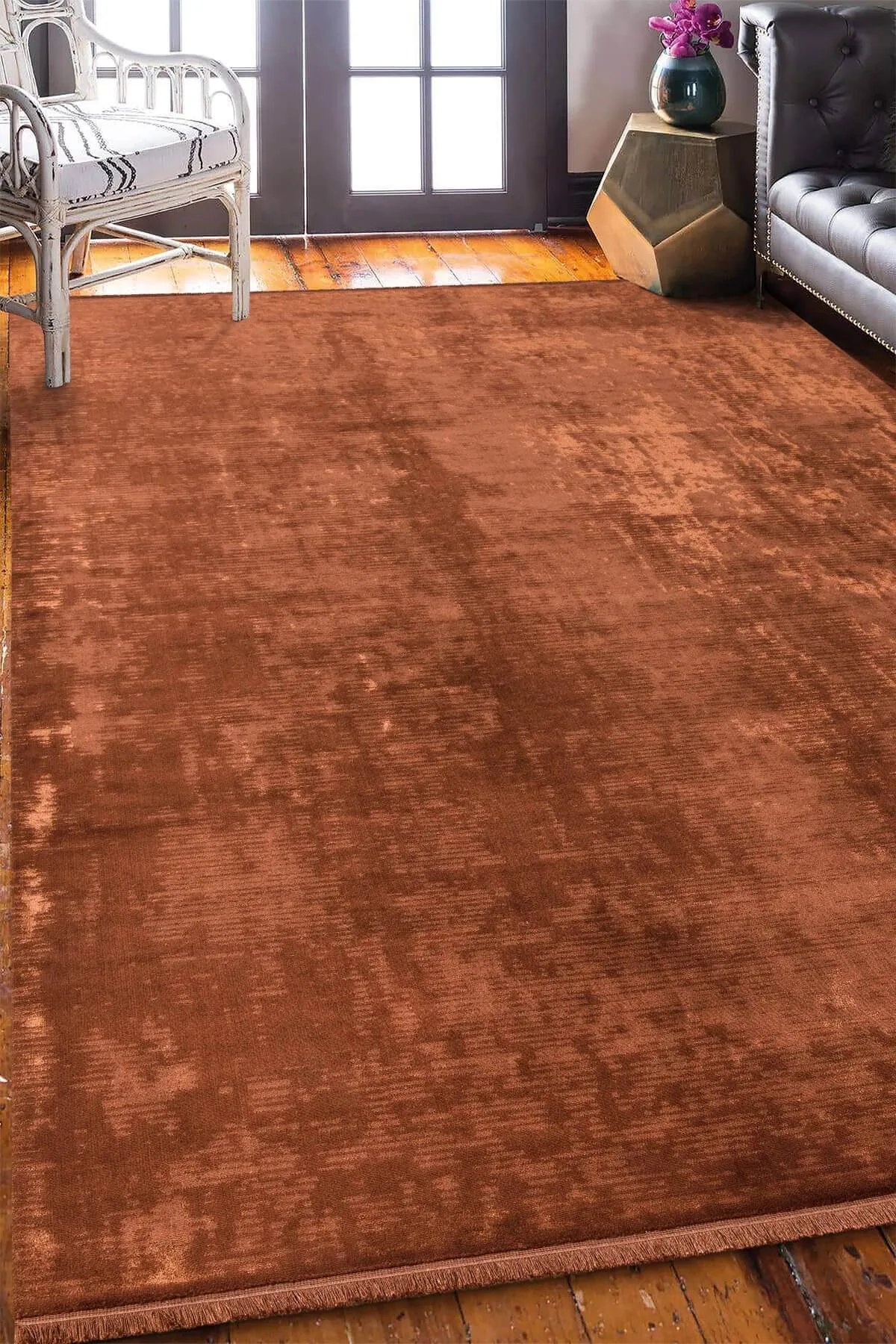

Sultan Rugs
Follow us on social media for the latest collections, special discounts, and decoration ideas.