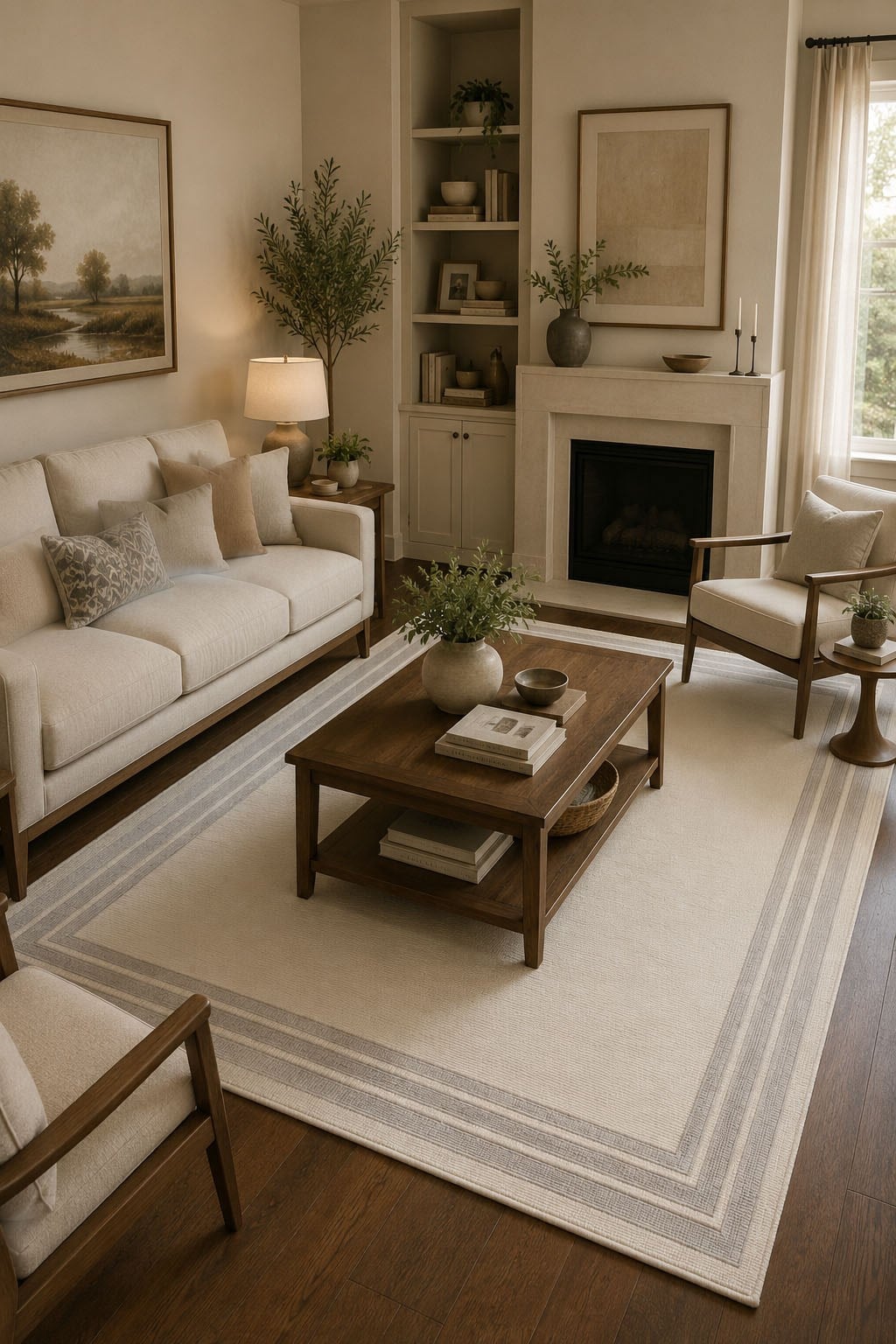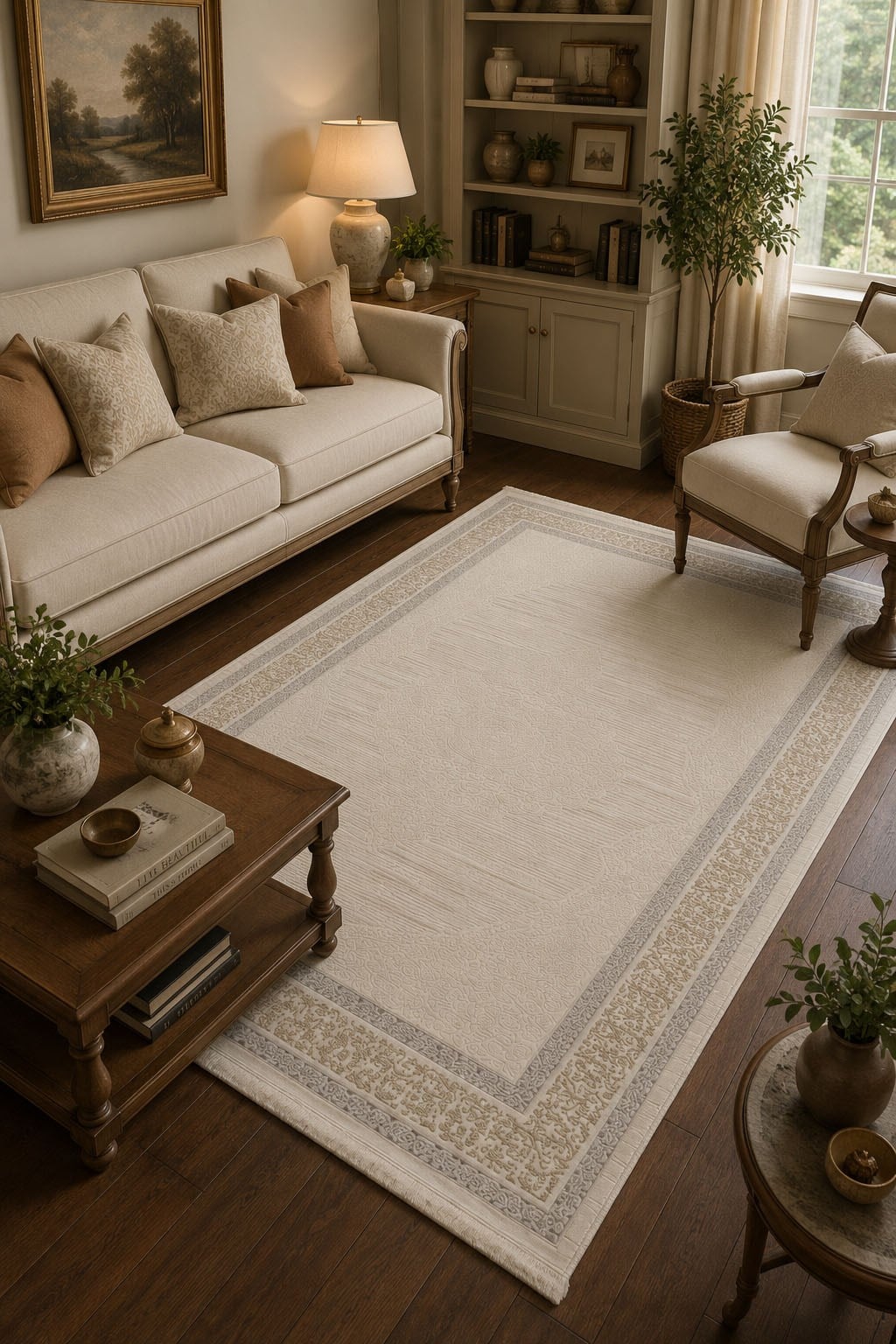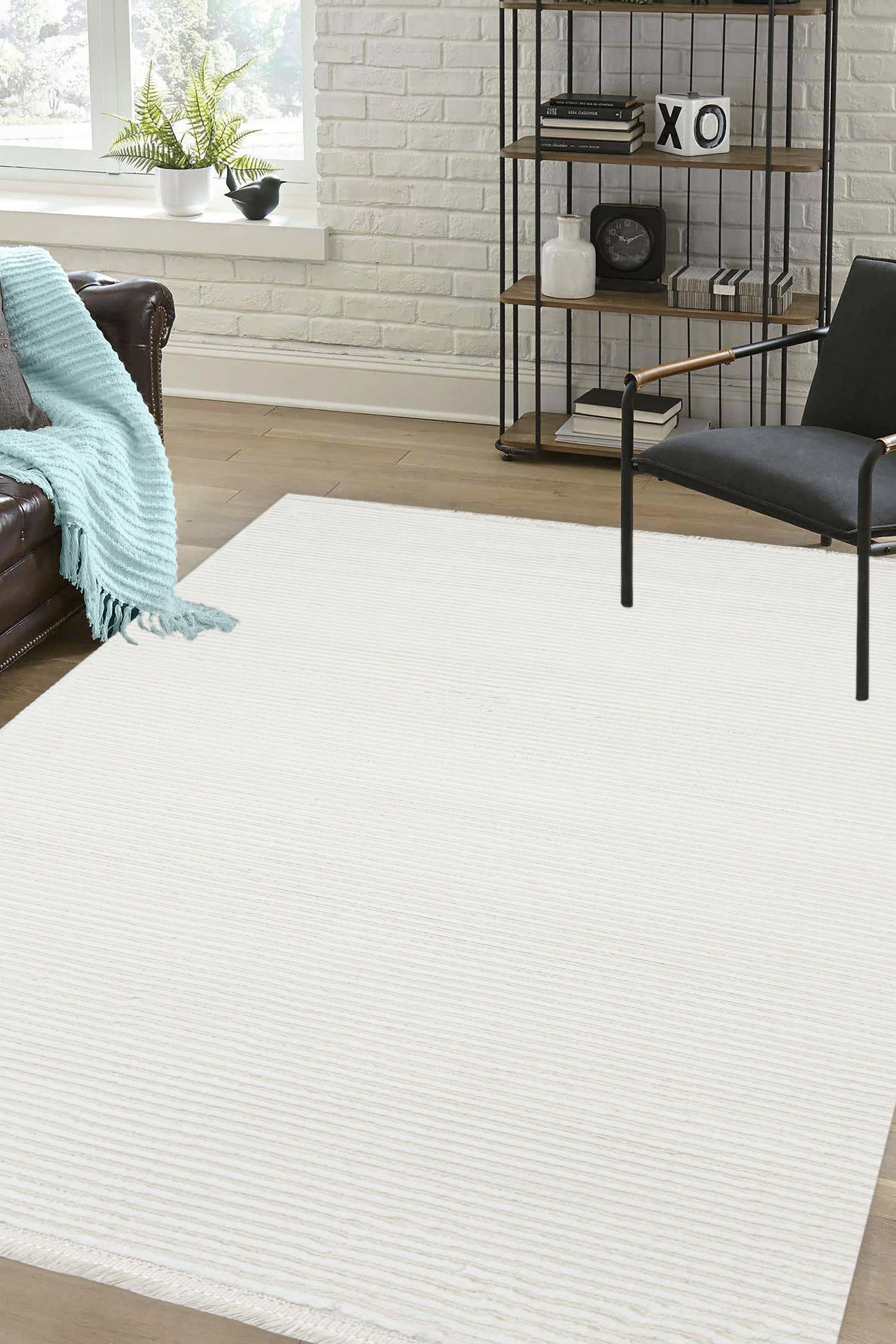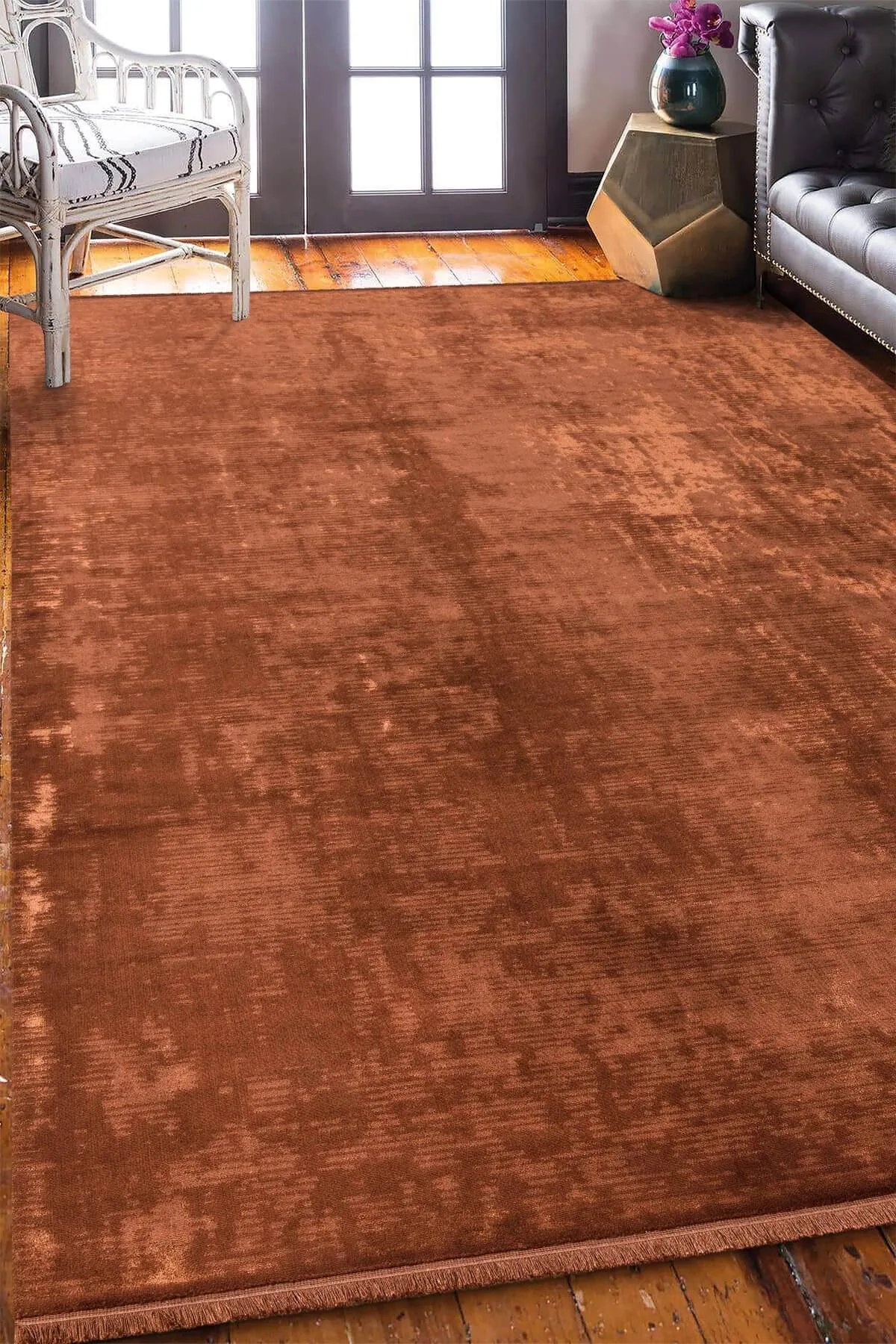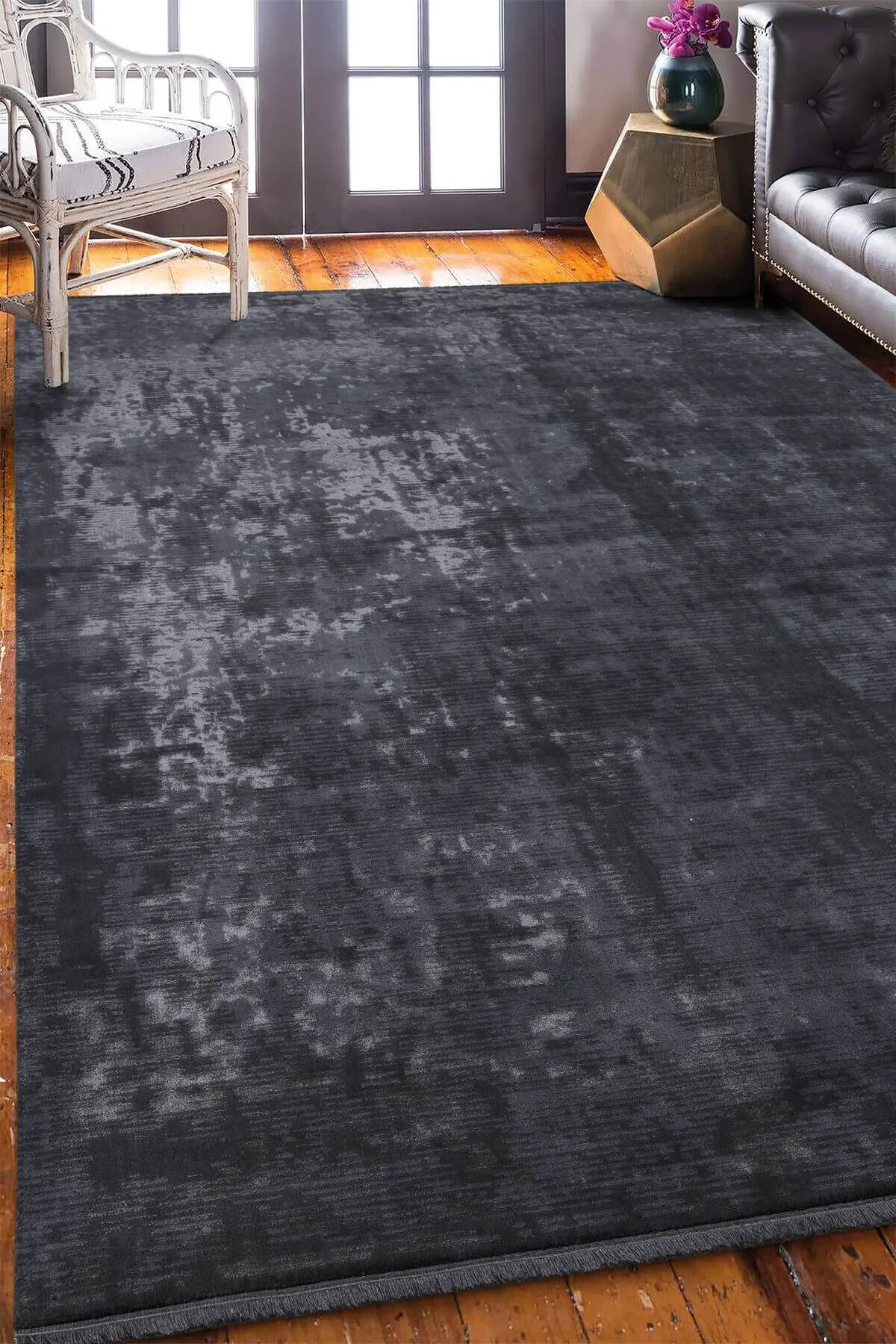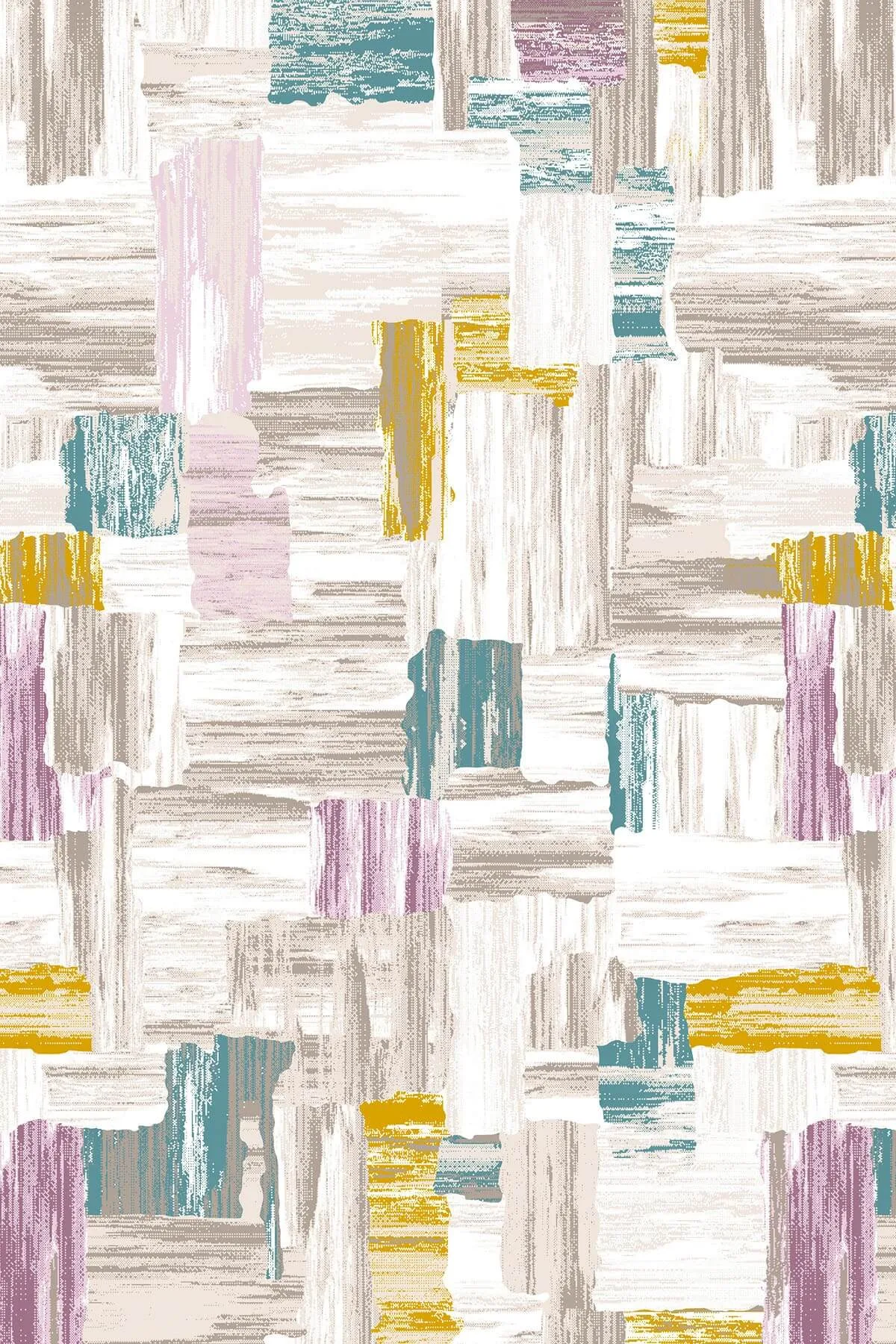
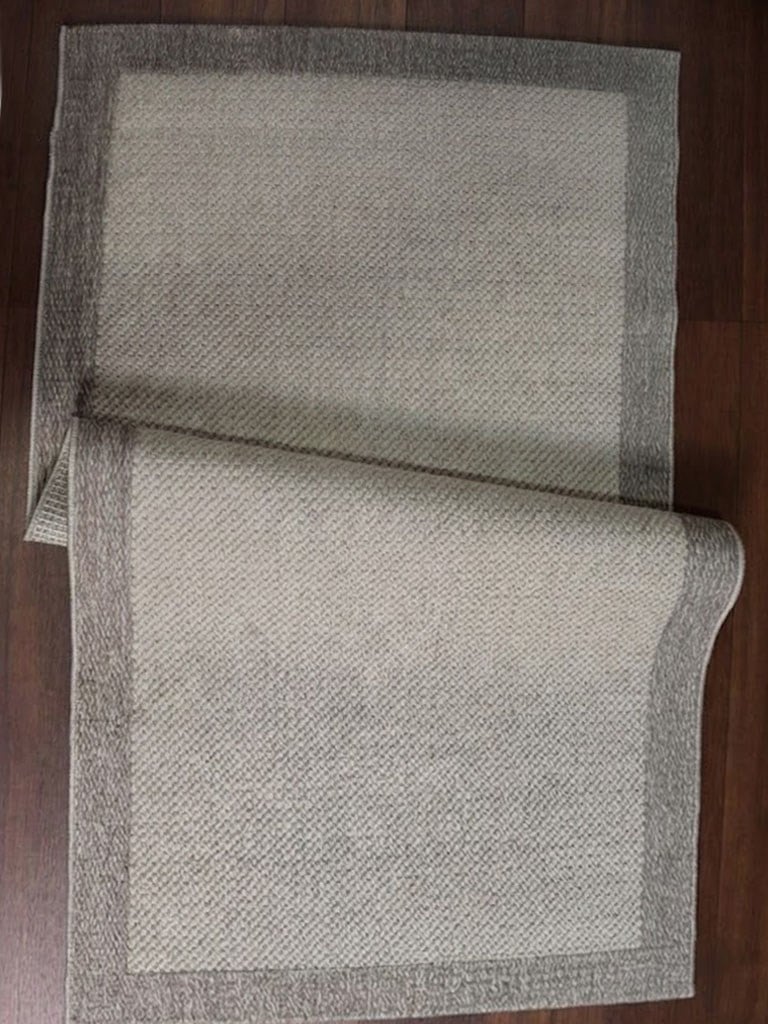
Minimalism is a design philosophy focused on functionality, free from unnecessary details. This approach offers both a modern aesthetic and long-term return on investment by reducing maintenance costs for hotel managers, architects, and corporate purchasing departments. It is possible to create a spacious, calm, and professional environment using few but essential elements.


Core Elements of Minimalist Design
The foundation of a successful minimalist decoration is based on a limited number of selected high-quality items. The goal is to ensure that every piece serves a purpose.
- Space Utilization: Focus on sufficient space to allow the area to breathe. This prevents visual clutter and enhances the perception of luxury.
- Single Material Use: Instead of combining different textures, consistently use a single main material group (e.g., light wood and matte metal).
- Functional Furniture: Every piece of furniture must have a clear function. Ergonomics and practicality take precedence over aesthetics.
Material Selection and Technical Performance
In B2B projects, the technical properties of the material are critically important, in addition to aesthetics. There must be high durability and performance behind a minimalist look.
Performance-Driven Material Requirements
When selecting carpets, surface coverings, and other textile products, attention should be paid to the following technical standards:
- Fire Safety: Ensure that all materials used have flame retardancy certifications. This is mandatory for corporate buildings.
- Anti-static Properties: Anti-static surfaces should be preferred, especially in office and technology-intensive areas, to prevent static electricity.
- Acoustic Performance: Products that provide sound insulation and acoustic absorption play a vital role in reducing noise pollution, especially for hotel rooms and meeting areas.
- Ease of Cleaning: Surfaces should be easy to wipe and stain-resistant, which reduces operational costs and speeds up maintenance processes.
Color Palette, Texture, and Lighting Strategy
Colors should be limited in minimalist decoration and used to add depth through textures. This approach adds a sense of calm and sophistication to the spaces.
- Neutral Base: Use neutral colors such as white, beige, light gray, and earth tones as the main palette.
- Accent Textures: The only element that breaks the minimalism is warmth and character derived from rich textures (e.g., wool, linen, or matte marble-look surfaces).
- Natural Light Emphasis: Maximize natural light instead of artificial light. This makes the space feel more spacious and highlights the quality of the materials.
Furniture and Accessory Restrictions
Every accessory must be carefully selected in a minimalist space. Avoiding excessive ornamentation preserves the integrity of the design language.
Scale is important in furniture selection. Prefer pieces with large, simple lines. Accessories (artwork, decorative objects) should be few in number, but every selected piece must have high artistic value. For example, a single large sculpture or a geometric vase will be more effective than many small objects.
Corporate Purchasing Strategies
For large-scale projects and corporate clients requiring continuous supply, purchasing strategies are determining factors in terms of cost-effectiveness.
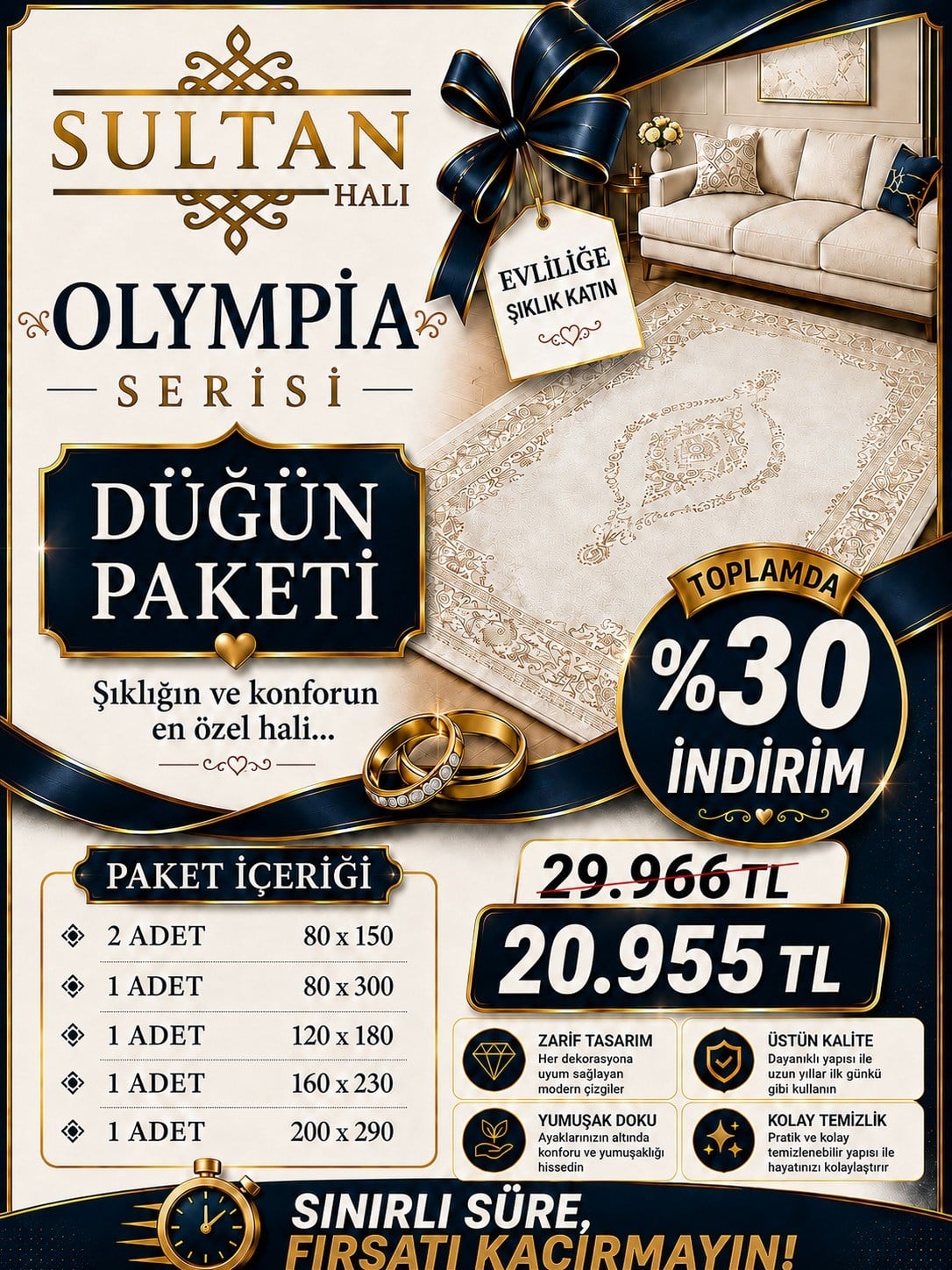
It is essential to benefit from bulk purchases by using quantity or meterage-based discount mechanisms. Achieve unit price advantages by establishing long-term agreements with suppliers. For example, examine the tiered discount rates applied to orders above a certain meterage. This strategy ensures budget control and guarantees access to high-quality products continuously. Maintaining quality standards is the fundamental rule that should not be compromised for a discount.
Sultan Rugs
Follow us on social media for the latest collections, special discounts, and decoration ideas.