
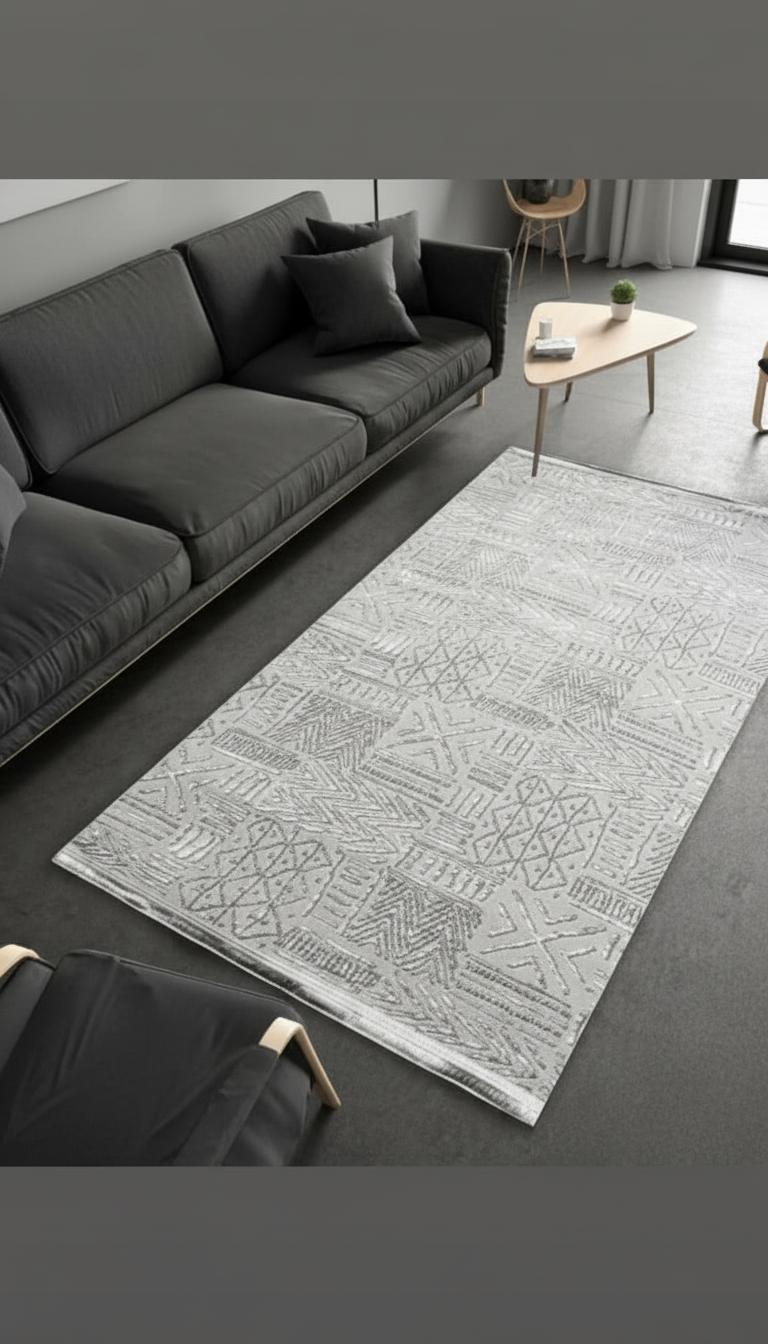
Mud and liquid stains on carpets in hotel rooms, meeting halls, or corporate offices can create significant problems for hygiene and aesthetics. Prompt and effective removal of these contaminants is critical for both guest satisfaction and overall facility cleanliness standards. Choosing the right method is essential to prevent mud stains from becoming permanent and to protect the carpet's texture.


In this comprehensive guide, we detail 14 different natural and effective methods you can apply, starting with simple home solutions and progressing to technical cleaning steps requiring professional equipment. Our goal is to minimize waste while ensuring the highest quality of cleaning.
Critical Pre-Treatment Steps
Quick Intervention and Initial Cleaning
How quickly a stain is addressed determines its permanence. Acting immediately when a mud stain occurs reduces the need for deep cleaning. This initial stage forms the foundation for the success of all subsequent methods.
- Remove Excess Material: Gently remove excess mud using stiff brushes or paper towels. This allows chemical or natural solutions to penetrate deeper into the fabric.
- Cold Water Application: If possible, apply cold water to the stain. Hot water can cause some types of mud (especially clay-based ones) to set more firmly into the fabric.
- Dry Absorption Technique: Before cleaning, lightly dry the area with a dry cloth to prevent excessive moisture.
Identify the Stain Type
Every mud stain has a different chemical composition. The solution must be determined based on the stain's source (water, soil, oil, etc.). Before using many natural methods, identifying the type of stain allows you to select the most suitable cleaning agent.
Natural and Home Cleaning Solutions
Natural materials are highly effective for removing mud from carpets without harsh chemicals or with minimal chemical use. These methods should generally be the first choice for delicate fabrics.
Vinegar and Baking Soda Combination
White vinegar and baking soda are excellent for neutralizing mud residue due to their mild acidic nature. This combination dissolves the stain while also helping to maintain the carpet's pH balance.
Application: Sprinkle a amount of baking soda over the stain, then add white vinegar to create a paste. Let the mixture sit on the stain for 15-20 minutes, then gently blot and rinse with cold water.
Dish Soap Usage
A small amount of pH-neutral dish soap can help dissolve oil-based mud residues. This method is suitable, especially for stains involving kitchen or food residue.
Professional and Technical Cleaning Steps
For heavy or stubborn mud stains, professional equipment and specialized solutions are required. In corporate facilities, such cleaning is critical to maintain the functionality of the carpet.
Enzymatic Cleaning Systems
Specifically formulated enzyme-based cleaners have the power to break down the organic components of mud, solving the stain without leaving a permanent mark. These systems are ideal for areas with long-term dirt buildup.
These methods provide deep cleaning without damaging the carpet's fiber structure and elevate hygiene standards to the highest level.
Technical Performance Requirements
During professional cleaning, technical applications aimed at improving the overall performance of the carpet—not just stain removal—are vital:
- Anti-Static Properties: Maintaining the anti-static properties of the carpet after cleaning prevents static electricity buildup and increases comfort, especially in office environments.
- Flame Resistance: The cleaning solutions or equipment used must be non-flammable to ensure facility safety.
- Acoustic Performance: Low-pressure, specialized machines should be used during cleaning to prevent damage to the carpet fibers' structure and ensure acoustic insulation is not affected.
Preventive Maintenance and Longevity Strategies
As much as removing stains, preventing their formation is part of a long-term maintenance strategy. Regular preventive maintenance reduces costs and extends the life of your carpets.
Regular Vacuuming
Deep vacuuming weekly or bi-weekly prevents mud and dust from settling into the carpet fibers. This simple step reduces the frequency of major cleaning operations.
Moisture Control
Drying carpets is critical, especially in humid environments (near bathrooms or kitchens). Ensuring air circulation and preventing moisture accumulation minimizes mud formation.
Corporate Procurement and Supply Strategies
For hotel and property managers, carpet procurement is not just about aesthetics; it's about cost-effectiveness and durability. The right purchasing strategies optimize the initial investment and control operating expenses.
Quantity and Volume Discount Strategy
In large volume purchases or long-term contracts, suppliers often offer special discounts based on quantity or meterage. This approach provides a significant cost advantage to corporate clients.
Discount Application Principles:
- Volume Discounts: Automatic discounts are applied to the unit price for orders exceeding a certain meterage threshold (e.g., 500 m²).
- Contract-Based Pricing: Annual or three-year long-term supply contracts guarantee a fixed and more advantageous unit price.
- Packaging Advantage: Consolidating carpets of different colors or qualities into a single order reduces logistics costs, increasing the total purchase value.
With the right supplier selection and meterage strategies, you can streamline your cleaning processes and effectively manage your facility's overall maintenance budget.
Sultan Rugs
Follow us on social media for the latest collections, special discounts, and decoration ideas.