
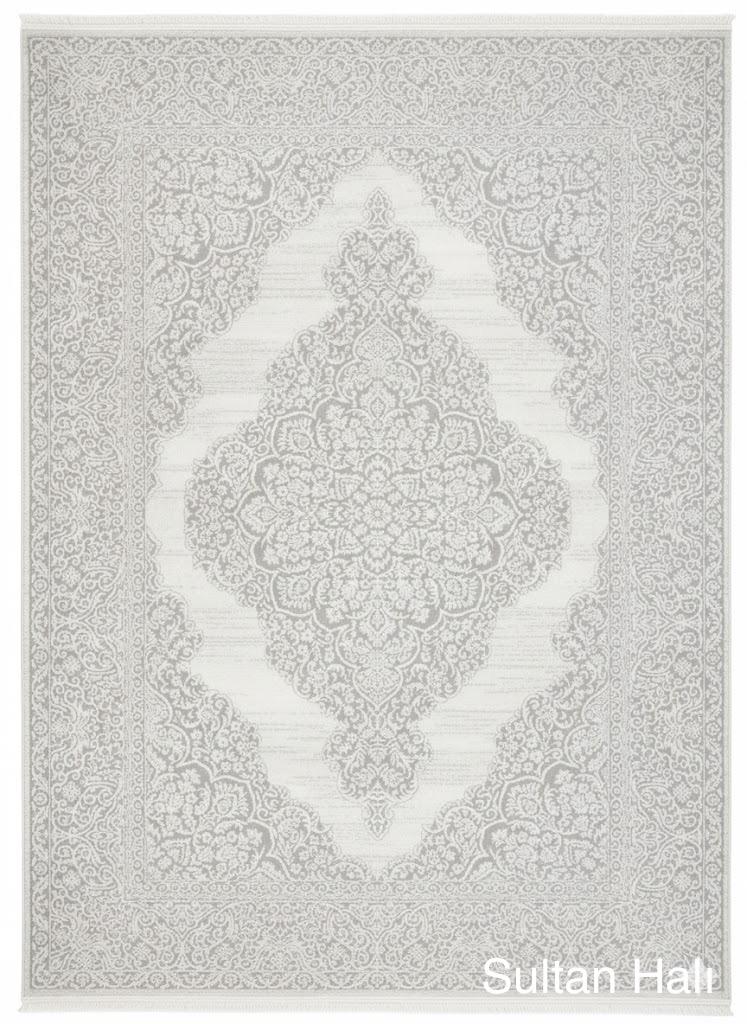
Small libraries or dedicated workspaces are crucial for functionality, but they often tend to shrink the perception of space. Choosing the right rug is one of the most effective ways to overcome these limitations, adding depth, spaciousness, and a luxurious atmosphere to your area. In this guide, we examine five proven tricks that visually enlarge spaces, offering solutions needed by everyone from hotel managers to architectural firms.

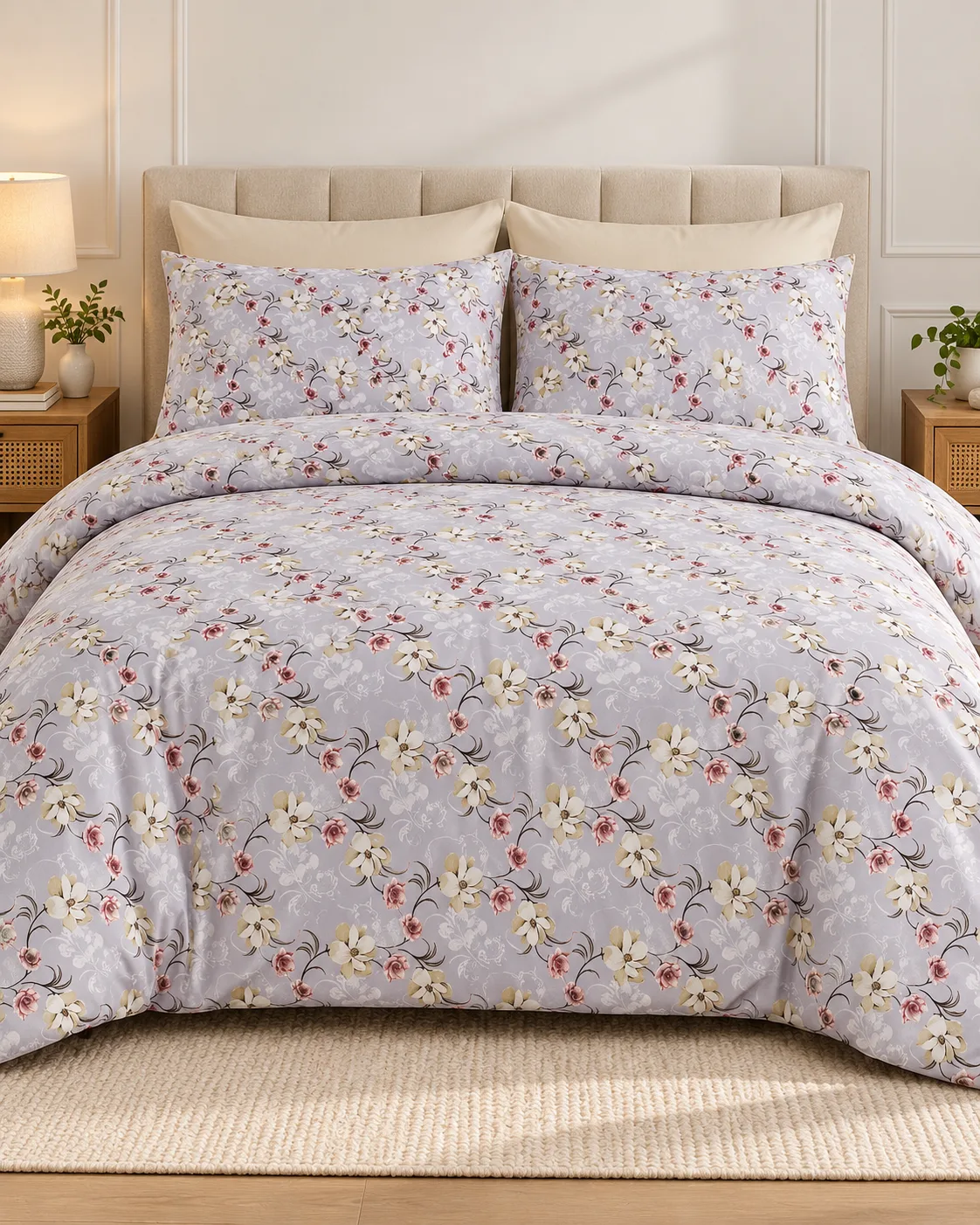

1. Mastering Scale and Placement Techniques
The scale of the rug relative to the room directly impacts the perception of width. In small areas, avoid large, heavily patterned rugs, as they can cause visual clutter. Instead, opt for simple, elongated patterns that cover a large portion of the floor. Ensure the rug edges do not sit too close to the walls; this allows the space to breathe.
To visually expand the area, position the rug not in the center, but strategically as a focal point. For example, rugs placed to emphasize a niche or a window will deepen the line of sight and create a sense of greater space in the mind.
2. Creating Depth with Color Palette Usage
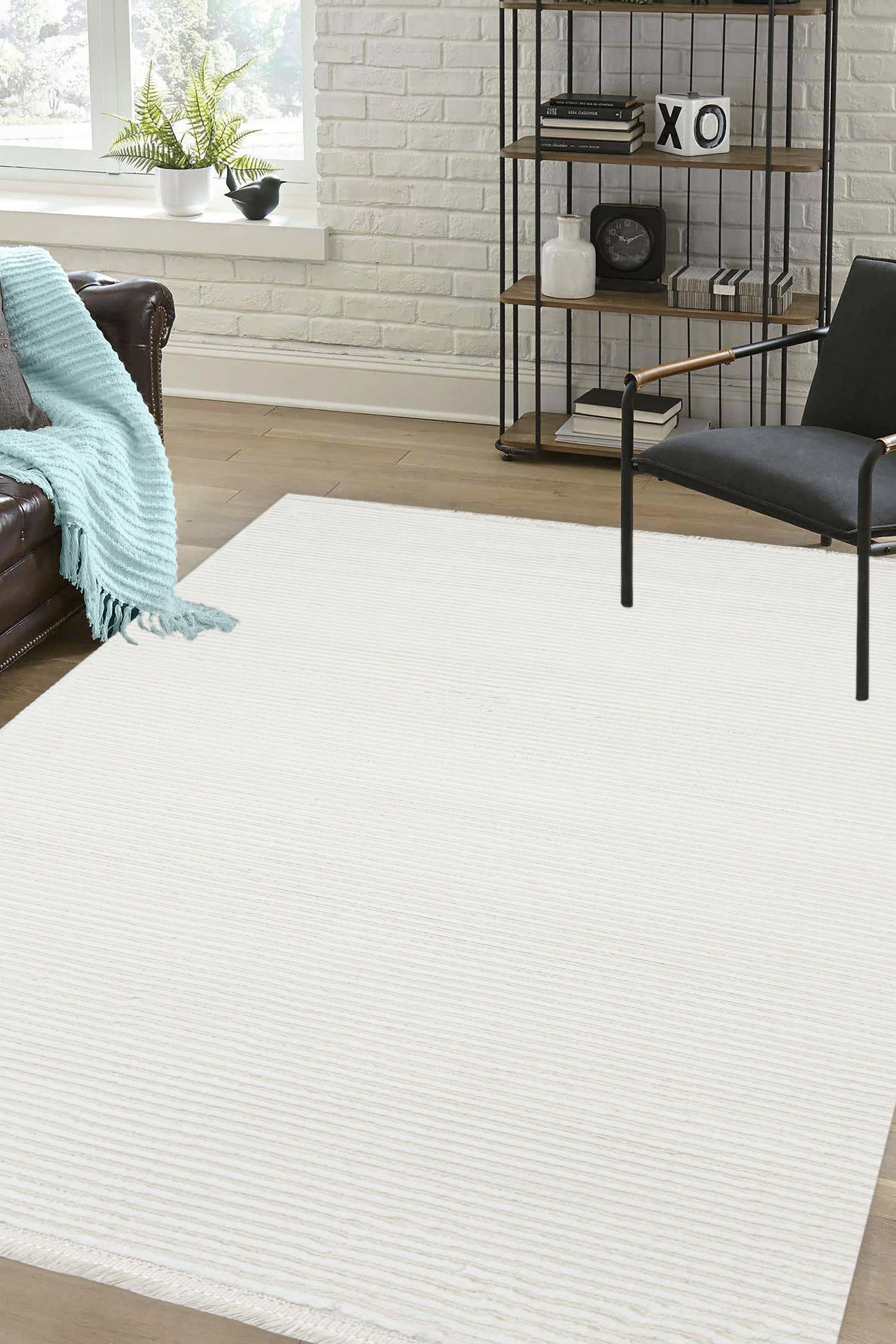
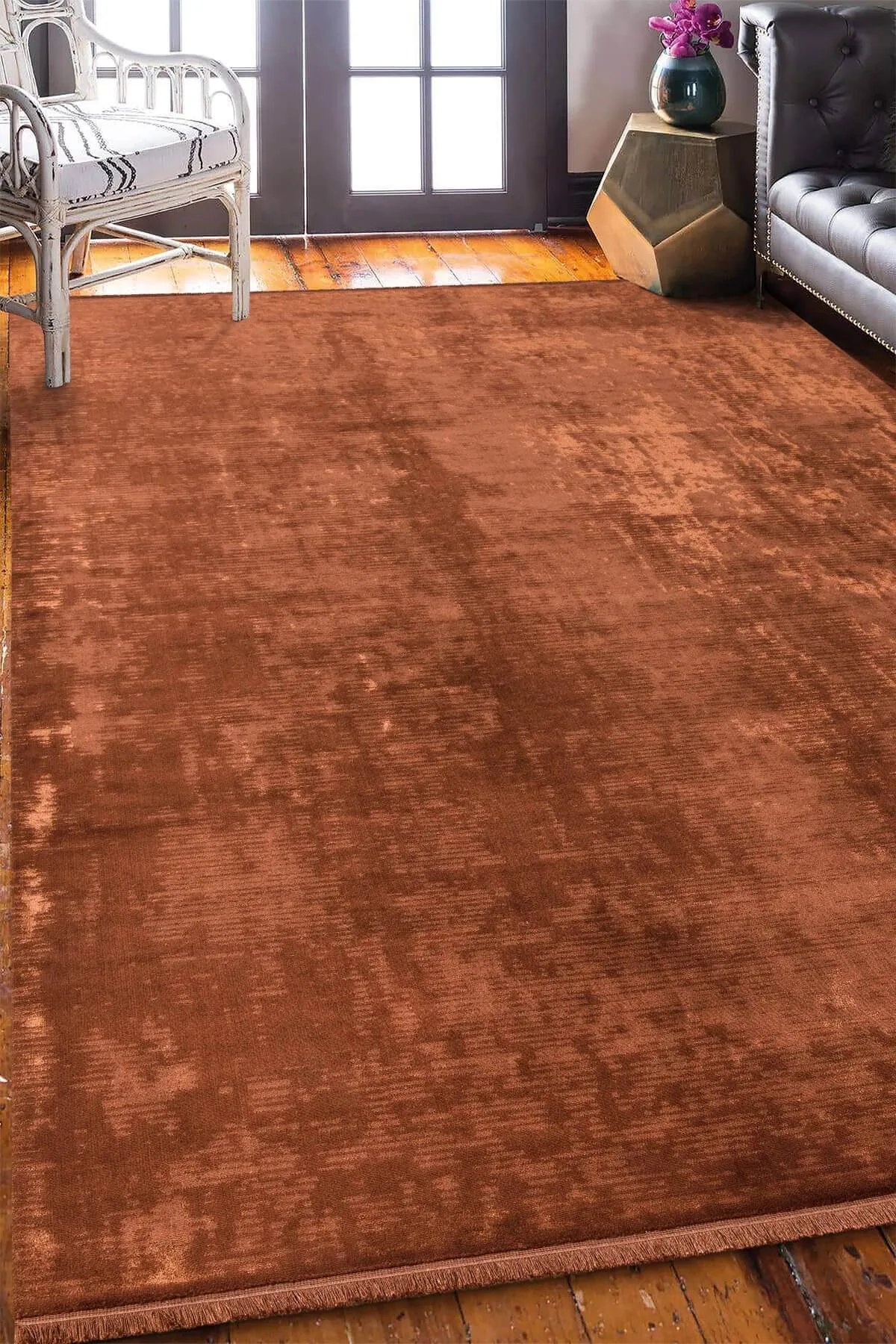
Colors alter how light is reflected, changing the perceived size of a room. Light and neutral tones (beige, light grey) make the floor appear wider, while deep and saturated colors (navy blue, rich burgundy) add richness and grandeur, creating visual intensity.
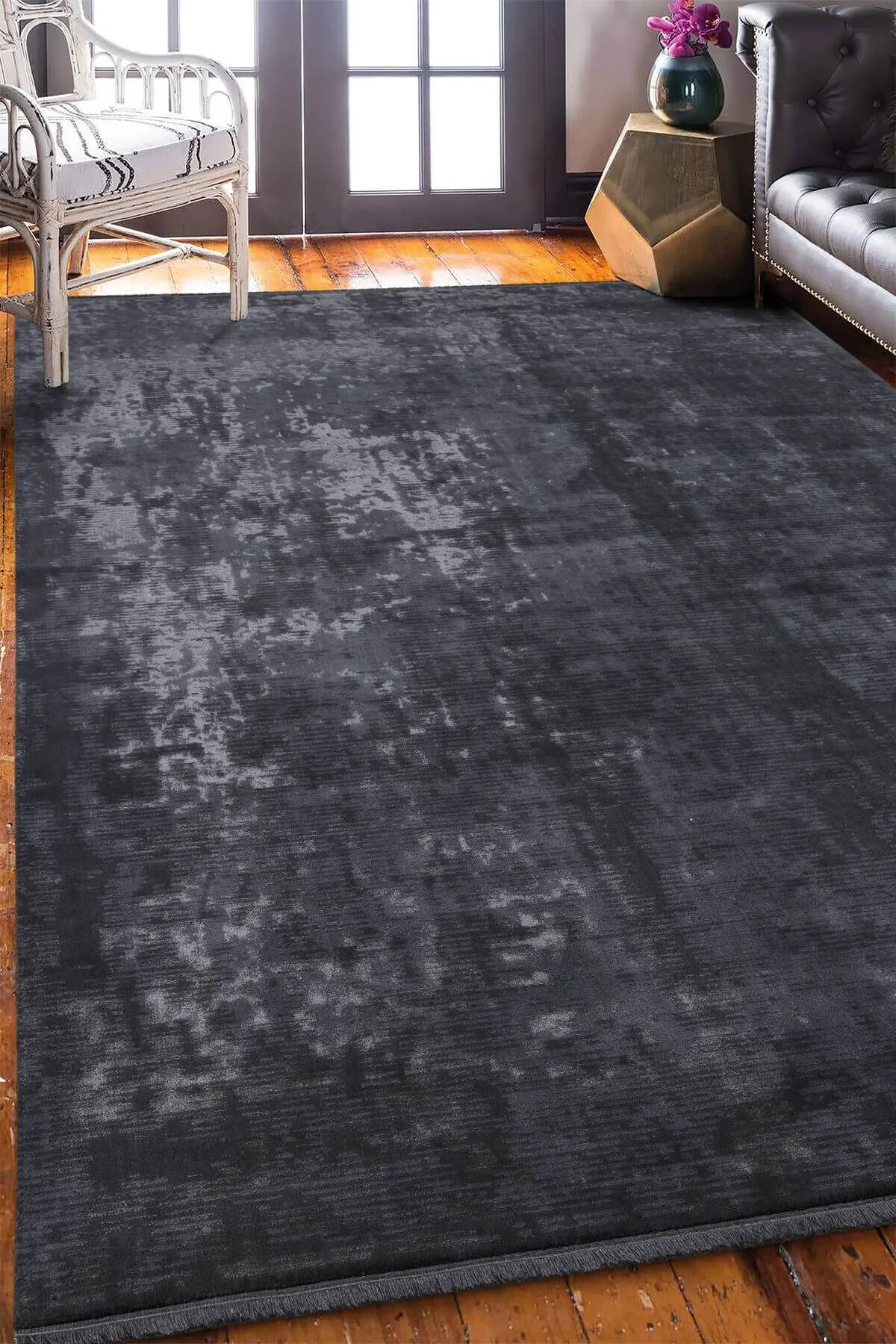
Instead of a single-color rug, using low-contrast gradients or small patterns across a large surface guides the eye, making the area feel more dynamic and expansive. You can use lighter tones in hallways and transitional areas to promote a sense of flow.
3. Textural Richness and Pattern Play
It’s not just about color; the rug's texture matters. High-pile or heavily textured rugs add visual weight to the floor, making the area feel more grounded, while low-pile, silky surfaces provide a sense of openness. When opting for minimalist patterns, the material itself comes to the forefront, giving the design a sophisticated feel.
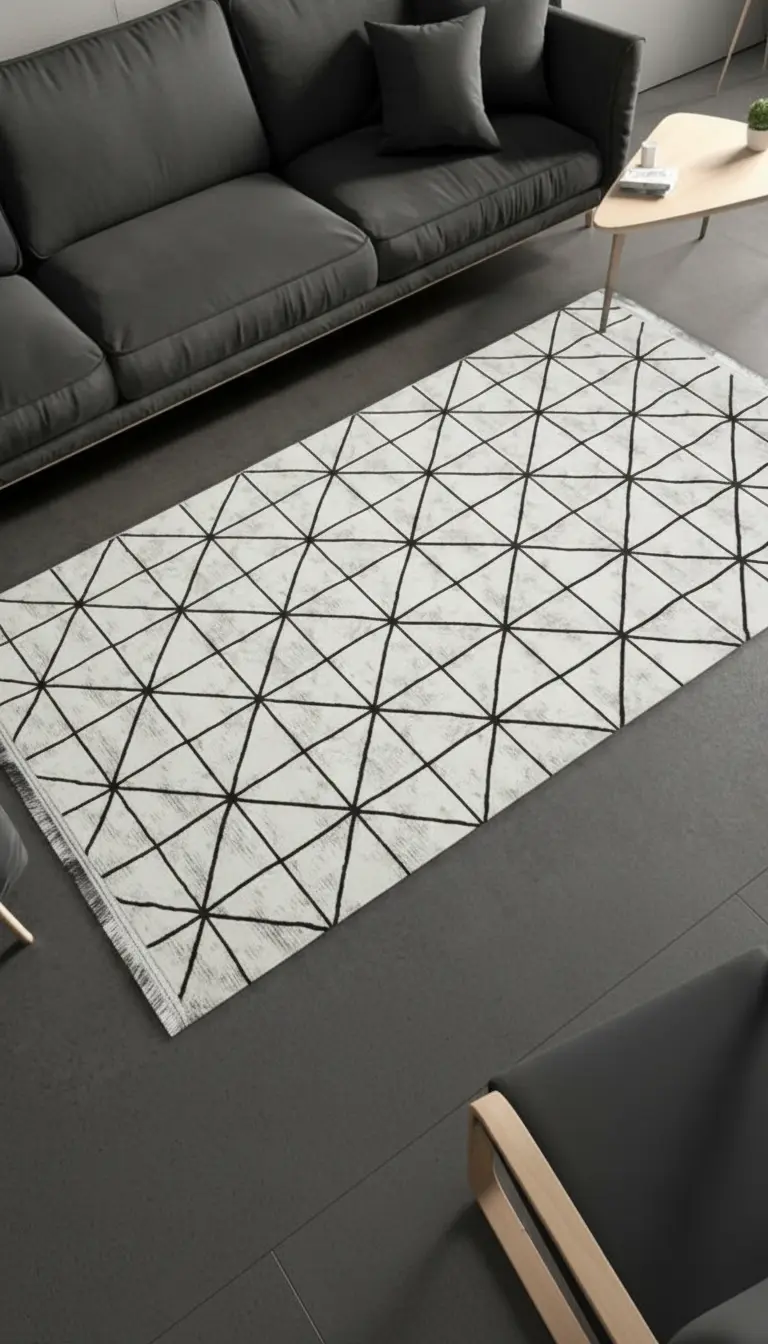
Designs featuring geometric patterns, but with a limited color palette, create visual interest without adding complexity. These types of patterns prevent a feeling of being lost in small spaces while simultaneously adding a modern touch to the room.
4. Technical Performance and Material Quality
In corporate and hotel projects, technical specifications are as vital as aesthetics. The anti-static properties of the chosen rug prevent static electricity buildup, enhancing comfort. Furthermore, using fire-resistant (flame-retardant) materials is mandatory to meet safety standards.
Acoustic performance is a critical factor, especially for libraries and meeting rooms. High-density rugs or specially designed layers provide sound insulation, helping the space feel calmer and more conducive to focus.
5. Ease of Maintenance and Longevity
In high-traffic commercial areas, rug maintenance translates to cost and time. High-density, easy-to-clean surfaces should be preferred. Stain-resistant and quick-drying materials reduce the daily operational burden.
It is also important that cleaning chemicals used are environmentally friendly. Quality rugs not only meet aesthetic expectations but also maximize the return on investment through low maintenance costs over many years.

Sultan Rugs
Follow us on social media for the latest collections, special discounts, and decoration ideas.